by Mr. Maroa Noa | Nov 26, 2025 | Legal Framework, Operations, Risk Management
Pharmacies in Kenya operate in a tightly regulated environment, and the Pharmacy and Poisons Board (PPB) plays a central role in ensuring compliance.
PPB audits help protect public health by checking whether pharmacy premises meet legal, professional, and safety standards.
Preparing for these audits may feel overwhelming, but with the right approach, every pharmacy can achieve full compliance and operate confidently all year round.
This article explains how pharmacies can stay audit-ready, what PPB inspectors look for, and the best practices that help ensure smooth inspections.
Understanding PPB Audits
PPB audits are official assessments carried out to verify whether a pharmacy complies with national pharmaceutical regulations. During these inspections, officers review the premises, operational standards, personnel qualifications, and documentation.
These audits help ensure:
-
Safe dispensing practices
-
Proper storage of pharmaceuticals
-
Availability of licensed professionals
-
Protection of public health through quality assurance
Before diving into preparation strategies, it is important to understand what PPB expects from every licensed pharmacy.
Why Audit Readiness Matters
Staying prepared improves compliance, reduces risks, and enhances patient trust. Pharmacies that follow established standards avoid major violations that may affect their licenses. Moreover, audit readiness demonstrates professionalism and commitment to quality healthcare services.
Because audits often occur without much notice, maintaining daily compliance is essential. When systems run well every day, inspections become straightforward and stress-free.
Key Areas PPB Inspectors Assess
PPB inspectors focus on several core areas when assessing a pharmacy. Understanding these areas helps pharmacy owners prepare properly.
1. Premises Suitability and Cleanliness
Inspectors check whether the pharmacy environment is clean, organized, and suitable for handling pharmaceutical products. They observe the condition of the dispensing area, storage rooms, shelves, refrigeration units, and waste disposal systems.
A clean, safe environment protects both patients and pharmacy staff.
2. Licensing and Professional Staffing
PPB requires:
-
A valid pharmacy premises license
-
A registered superintendent pharmacist assigned to the premises
-
A valid practicing license for the pharmacist
-
Qualified pharmaceutical technologists (where applicable)
All professional certificates must be valid and displayed prominently.
3. Storage Conditions and Temperature Control
Improper storage can compromise drug quality. Inspectors check temperature monitoring tools, cold chain systems, and storage practices for sensitive products. They also look at how expired or damaged stock is separated and handled.
Proper documentation of temperature logs is essential for compliance.
4. Inventory Management and Procurement Records
PPB emphasizes traceability. Pharmacies must keep accurate records showing where medicines come from and how they are handled. Inspectors look for:
-
Invoices from authorized suppliers
-
Inventory records
-
Controlled medicines registers
-
Expired stock handling procedures
Consistency in documentation is crucial.
5. Dispensing Practices
Pharmacies must confirm that dispensing is done by qualified personnel. Inspectors check whether the team follows safe dispensing protocols, issues correct dosages, and provides proper patient counseling.
Mistakes in medication handling can cause serious harm, so PPB pays close attention to this area.
How Pharmacies Can Prepare for PPB Audits
Preparing for a PPB audit involves a series of deliberate, practical steps. These steps help maintain compliance, improve service delivery, and strengthen operational systems.
1. Perform Internal Self-Inspections Regularly
Regular internal audits help identify compliance gaps before the PPB arrives. Pharmacies should review premises conditions, staff licensing, records, storage procedures, and documentation.
Self-inspections also help the team practice accountability and strengthen their knowledge of regulatory expectations.
2. Keep All Licenses Updated and Accessible
All licenses must be valid and displayed where inspectors can easily see them. These include:
-
Pharmacy premises license
-
Pharmacist practicing license
-
Pharmacy registration documents
Updating licenses on time avoids penalties and shows readiness.
3. Maintain Proper Documentation
Good record-keeping is one of the biggest indicators of compliance. Pharmacies should keep:
Well-organized documentation ensures a smooth audit process.
4. Train Staff Regularly
Every team member should understand PPB requirements. Training improves performance, strengthens compliance culture, and reduces costly errors. Even basic refresher sessions help staff stay aligned with regulatory expectations.
5. Ensure Proper Storage and Handling of Medicines
Pharmacies should check that all medicines are:
-
Stored on shelves, not the floor
-
Separated by category
-
Monitored for expiry
-
Protected from direct sunlight
-
Stored at the correct temperature
A functional temperature monitoring system must be available for cold chain products.
6. Prepare for Controlled Medicines Compliance
PPB inspects controlled medicines closely. Pharmacies must keep accurate controlled substances registers and ensure secure storage. Any discrepancy may lead to serious penalties.
7. Conduct Daily Cleanliness and Safety Checks
Cleanliness shows professionalism. Daily cleaning routines help ensure the premises meet hygienic standards. Pharmacies should also check waste bins, sharps containers, and general sanitation.
Common Mistakes That Lead to Audit Failure
Pharmacies often overlook small issues that eventually lead to non-compliance. Common mistakes include:
-
Missing or expired licenses
-
Poor storage conditions
-
Lack of a qualified pharmacist
-
Incomplete documentation
-
Selling unregistered products
-
Poor temperature control
-
Cluttered dispensing areas
Avoiding these common mistakes significantly improves audit outcomes.
Benefits of Staying Permanently Audit-Ready
A pharmacy that stays ready all year enjoys major benefits, including:
-
Smooth audits with minimal interruptions
-
Reduced risks of penalties or closure
-
Higher staff confidence
-
Improved customer trust
-
Better operational efficiency
Pharmacies that focus on continuous compliance also strengthen their brand reputation and service quality.
When to Seek Expert Guidance
Regulatory requirements can feel overwhelming. Some pharmacies struggle with documentation, licensing, or inspection preparation. In such cases, partnering with experts improves compliance and reduces risk.
Clarity Pharma Consultancy Can Assist
Clarity Pharma Consultancy supports pharmacies with:
Their team helps pharmacies stay compliant, avoid penalties, and maintain audit-ready operations throughout the year.
For consultations or support, reach out to Clarity Pharma Consultancy for expert assistance tailored to your pharmacy’s needs.
PPB audits are essential for protecting public health and ensuring safe pharmaceutical services. Pharmacies that stay prepared reduce risks and operate with confidence.
By maintaining proper documentation, training staff, monitoring storage conditions, and performing regular internal audits, pharmacy owners can meet regulatory expectations consistently.
Audit readiness is not a one-time effort—it is a continuous commitment to professionalism and quality service.
FAQs

by Mr. Maroa Noa | Nov 26, 2025 | Healthcare, Legal, Operations, Risk Management
Telepharmacy is redefining how patients access pharmaceutical care in Kenya. It uses digital tools to connect patients with licensed pharmacists, making quality services available even when distance, cost, or time limits in-person visits.
As Kenya embraces digital health, telepharmacy offers a strong opportunity to improve access, enhance safety, and support continuity of care across diverse communities.
Understanding Telepharmacy and How It Works
Telepharmacy refers to the delivery of pharmacy services through digital platforms such as mobile apps, video consultations, and online prescription systems.
Patients can speak to pharmacists remotely, receive medication counselling, and order medicines for delivery. This model improves convenience and supports clinical decisions when physical access is limited.
Kenya’s increasing adoption of digital health platforms has created space for telepharmacy to grow. According to the Ministry of Health’s Digital Health Strategy, technology is now considered a core pillar of healthcare delivery.
Why Telepharmacy Matters in Kenya
Telepharmacy solves several long-standing challenges in the pharmaceutical sector. Many rural areas lack licensed pharmacy professionals, which exposes patients to unsafe practices or counterfeit products.
Digital access bridges this gap by linking patients with registered pharmacists.
Furthermore, telepharmacy supports chronic disease management. Patients living with diabetes, hypertension, and asthma receive consistent medication reviews, reminders, and counselling without travelling long distances.
Additionally, telepharmacy reduces overcrowding in health facilities. Patients receive non-emergency pharmaceutical guidance from home, allowing hospitals to focus on critical cases.
Key Services Offered Through Telepharmacy
1. Online Pharmacist Consultations
Patients can speak to registered pharmacists via video call, chat, or phone. They receive advice on medication use, side effects, interactions, and dosage adjustments.
2. Electronic Prescriptions (e-Rx)
Doctors issue digital prescriptions that pharmacists can verify remotely. This reduces errors and enhances record keeping.
3. Medication Delivery and Refills
Telepharmacy platforms allow patients to order medicines from licensed facilities. Delivery services extend care to remote homes and workplaces.
4. Chronic Disease Support
Pharmacists monitor patient progress, review medication adherence, and offer lifestyle advice through digital follow-ups.
5. Patient Education
Platforms provide trusted information about medicine safety, antimicrobial resistance, vaccination, and self-care.
How Technology Is Driving Telepharmacy Adoption
Digital connectivity continues to expand across Kenya. The Communications Authority reports over 65 million mobile subscriptions, demonstrating strong access to mobile technology (CAK, 2024). Telepharmacy leverages this penetration by using smartphones as the primary channel for service delivery.
Other enabling technologies include:
-
Mobile health apps
-
Electronic medical record systems
-
Secure messaging platforms
-
AI-powered symptom checkers
-
Pharmacy management software
Together, these tools ensure patients receive timely and accurate care without visiting a physical pharmacy.
Benefits of Telepharmacy to Patients and Pharmacists
Telepharmacy offers several advantages that improve healthcare quality:
Improved Access to Care
Patients in underserved areas can easily reach licensed pharmacists.
Better Medication Safety
Pharmacists provide real-time counselling, reducing the misuse of medicines.
Convenience and Time Savings
Patients avoid long queues and unnecessary travel.
Reduced Costs
Remote consultations lower transport expenses and save time for both patients and caregivers.
Enhanced Record Keeping
Digital systems provide accurate prescription histories, which improves clinical decisions.
Support for Busy Urban Populations
Professionals in cities benefit from after-hours telepharmacy services.
Regulatory Landscape: What Kenyan Law Says
Telepharmacy in Kenya is guided by several frameworks:
Although Kenya does not have a standalone telepharmacy law yet, PPB requires that all digital pharmacy services operate under licensed pharmacists and approved premises.
Challenges Facing Telepharmacy in Kenya
Telepharmacy continues to grow, but several barriers remain:
-
Limited awareness among the public
-
Regulatory gaps requiring clearer guidelines
-
Poor internet connectivity in remote regions
-
Concerns about counterfeit medicines on unverified online platforms
-
Data privacy risks if systems are not properly secured
Addressing these challenges will help Kenya unlock the full potential of digital pharmacy care.
The Future of Telepharmacy in Kenya
Kenya is moving toward a digital healthcare environment. As the government strengthens digital health policies and more pharmacies adopt compliant online platforms, telepharmacy will become a mainstream service.
Future developments may include:
-
AI-powered medication review systems
-
Electronic prescription monitoring
-
Virtual chronic disease clinics
-
Telepharmacy integration with NHIF and insurance systems
These steps will make care more patient-centered, accessible, and cost-efficient.
How Clarity Pharma Consultancy Can Support Your Telepharmacy Journey
Establishing a compliant telepharmacy service requires understanding regulatory expectations, digital system requirements, and PPB guidelines.
Clarity Pharma Consultancy provides expert guidance on pharmacy licensing, digital health compliance, operational standards, and risk management.
Their team helps pharmacies adopt safe and ethical telepharmacy practices that meet Kenya’s regulatory expectations.
Telepharmacy is opening new possibilities for healthcare access in Kenya. It enhances patient safety, widens coverage, and supports modern pharmaceutical care.
As technology evolves, more Kenyans will enjoy convenient and quality pharmacy services from anywhere in the country. Pharmacies that embrace telepharmacy early will remain competitive and compliant in a rapidly digitalizing health system.
FAQs

by Mr. Maroa Noa | Nov 26, 2025 | Legal, Operations, Strategy
Pharmacies play a critical part in strengthening community resilience during outbreaks. Their accessibility, trained staff, and direct interaction with the public make them essential in identifying early warning signs, managing essential supplies, and supporting national response systems.
In Kenya and across the world, pharmacists continue to offer critical support that extends far beyond dispensing medicines.
They help detect risks, share verified health information, and coordinate community-level interventions that reduce the spread of disease.
Pharmacies as Frontline Access Points
Community pharmacies often serve as the first place people seek help when they feel unwell. Their proximity makes them vital in early outbreak detection.
Pharmacists can recognize unusual symptom trends, notice sudden increases in certain medications, and alert health authorities when patterns change. This early signal strengthens surveillance and improves response speed.
Additionally, pharmacies remain open during most emergencies. Their continued operation helps reduce panic and gives communities a dependable source of health services, credible information, and essential supplies.
Early Detection and Disease Surveillance
Pharmacists contribute to outbreak surveillance in several ways. They observe unusual clusters of symptoms and share this data with public health teams.
They also help monitor medicine availability and identify sudden spikes in demand that may reflect early community transmission.
For example, during respiratory outbreaks, a rapid increase in cough syrups, analgesics, or masks can signal rising cases. Timely reporting allows authorities to investigate early and respond before an outbreak spreads widely.
Patient Education and Risk Communication
Clear communication reduces fear and prevents misinformation. Pharmacists help the public understand symptoms, prevention strategies, and correct treatment pathways.
They also explain how to use protective tools such as masks, sanitizers, and thermometers.
Moreover, pharmacists guide communities away from harmful self-medication. They direct patients to appropriate medical facilities when symptoms require professional assessment. This reduces overcrowding in hospitals and ensures that high-risk patients receive timely care.
Supporting Infection Prevention and Control (IPC)
Pharmacies play a major role in promoting infection-control practices. They stock essential IPC supplies and provide guidance on how to use them effectively.
Because customers interact directly with pharmacy staff, pharmacies can reinforce hygiene habits such as handwashing, mask use, and environmental cleaning.
Additionally, pharmacists help identify counterfeit products, especially during emergencies when demand rises sharply. Their vigilance protects the public from unsafe items and maintains trust in the health system.
Ensuring Access to Essential Medicines
Outbreaks often disrupt supply chains. Transport delays, panic buying, and stockout pressures affect medicine availability. Pharmacies help manage these challenges by monitoring stock levels and forecasting demand more precisely.
They also collaborate with suppliers, distributors, and regulatory authorities to keep essential products available.
Their ability to manage inventory efficiently ensures that vulnerable patients—especially those with chronic conditions—continue receiving their medicines without interruption.
Vaccination Support During Outbreaks
Many countries now allow pharmacists to administer vaccines or support vaccination campaigns. Even where pharmacists do not vaccinate directly, they help through:
Their trusted position in communities makes them key partners in boosting vaccination uptake.
Chronic Disease Management During Emergencies
During outbreaks, patients with chronic conditions face higher risks due to disrupted care. Pharmacies provide continuity through medication refills, adherence checks, and safety counselling.
They also help patients understand how to adjust care routines during outbreaks, especially when health facilities are overwhelmed.
This support prevents complications and protects hospital capacity.
Collaboration With Public Health Authorities
Pharmacies work closely with county and national health systems to strengthen preparedness. Their responsibilities include:
-
Sharing surveillance data
-
Supporting emergency stockpiles
-
Participating in training programs
-
Implementing emergency SOPs
-
Reporting counterfeit or substandard medicines
Such collaboration ensures an integrated response that benefits the entire population.
Building Community Preparedness
Preparedness begins long before an outbreak occurs. Pharmacies help communities plan by promoting emergency kits, stocking adequate chronic medications, and teaching basic home-based care measures.
They also educate families on what to do when public health alerts are issued.
With consistent community engagement, pharmacies become reliable sources of guidance before, during, and after an outbreak.
Why Pharmacy Preparedness Matters
Strong pharmacy involvement leads to:
-
Faster outbreak detection
-
Improved risk communication
-
Reduced hospital burden
-
Better access to essential medicines
-
Stronger community confidence
-
More coordinated national responses
In simple terms, pharmacies bridge the gap between communities and the health system during emergencies.
Consult Clarity Pharma Consultancy for Professional Guidance
Pharmacy owners and managers can strengthen their emergency preparedness through expert support.
Clarity Pharma Consultancy provides guidance on regulatory compliance, emergency SOP development, outbreak-response planning, and staff training.
Their team helps pharmacies align with national expectations and maintain high operational standards during emergencies.
For tailored consultations, pharmacies can engage their services for practical and reliable support.
Pharmacies remain essential to emergency response and outbreak preparedness. Their unique position in the community enables them to support surveillance, protect medicine access, and educate the public.
As health threats continue to evolve, strengthening pharmacy preparedness improves overall resilience and protects community health. Effective collaboration, strong systems, and continuous improvement remain key pillars for building a safer, healthier nation.
FAQs

by Mr. Maroa Noa | Nov 25, 2025 | Legal, Operations, Risk Management, Strategy
Rational drug use is essential for protecting communities from medication misuse, antimicrobial resistance, and preventable health complications.
While hospitals and public health institutions play major roles, pharmacies remain the most accessible healthcare touchpoints in Kenya.
They interact with the public daily, making them ideal partners in promoting informed and safe medicine use.
This article explains how pharmacies can support public health campaigns and highlights the practical strategies that strengthen rational drug use across communities.
Understanding Rational Drug Use
Rational drug use means that patients receive medications appropriate for their clinical needs, in the right doses, for the right duration, and at the lowest possible cost to them and society.
The World Health Organization (WHO) emphasizes that irrational drug use contributes to antimicrobial resistance, adverse reactions, and treatment failures (WHO, Rational Use of Medicines).
Pharmacies are uniquely positioned to address these challenges because they provide frontline drug information and screening for inappropriate medication use.
Why Pharmacies Matter in Public Health Campaigns
Pharmacies serve as trusted sources of health guidance. They offer quick access to medication and counseling without long waiting times. Additionally, they operate within neighborhoods, marketplaces, and even remote towns, giving them excellent visibility in community health promotion.
Their contribution to public health campaigns ensures that accurate information reaches people where they live and work.
Promoting Rational Drug Use Through Pharmacy-Based Interventions
1. Educating Patients at the Point of Service
Pharmacists interact with patients every day. This makes it easy to offer short, timely, and accurate explanations about proper medication use. Simple conversations about dosage, drug interactions, or side effects prevent misuse and increase treatment adherence.
Even brief counseling sessions reduce confusion and help patients understand the importance of completing prescribed courses, especially for antibiotics.
2. Preventing Antibiotic Misuse
Antibiotic resistance remains a global challenge. Pharmacies help reduce misuse by screening for inappropriate antibiotic requests, refusing non-prescription antibiotic sales, and guiding patients to proper medical evaluation when needed.
According to the WHO Global Action Plan on Antimicrobial Resistance, restricting unnecessary access to antibiotics is one of the most effective interventions for controlling resistance. Pharmacies make this possible through continuous patient education and compliance with regulatory standards.
3. Supporting Chronic Disease Management
Many chronic conditions rely on long-term medication. Pharmacies strengthen rational drug use by tracking refill patterns, monitoring adherence, and educating patients about lifestyle changes.
Frequent touchpoints with patients allow pharmacists to detect misuse early and offer corrections before harm occurs.
4. Running Community Awareness Programs
Pharmacies often collaborate with county health officials, NGOs, and professional bodies to run local campaigns on:
-
Safe self-medication practices
-
Dangers of counterfeit drugs
-
Importance of completing treatments
-
Responsible use of antibiotics
-
Vaccination drives
-
Over-the-counter medication guidance
These campaigns reach thousands of people because pharmacies sit at the heart of community health networks.
5. Promoting Safe Disposal of Medicines
Expired and unused medicines can harm the environment, contribute to resistance, or cause accidental poisoning. Pharmacies educate the public on safe disposal and act as collection points during disposal drives.
This reduces environmental contamination and prevents unsafe reuse of expired medications.
Digital Tools and Pharmacy-Based Health Promotion
Many pharmacies now use digital platforms to share health information. Social media, SMS reminders, and online consultations help reinforce public health messages and guide patients on safe medication use.
These tools improve reach, especially among young populations who rely heavily on digital communication.
Barriers to Effective Pharmacy Involvement
Although pharmacies play an essential role, several challenges still exist:
-
Limited training in public health communication
-
High patient load that reduces time for counseling
-
Inadequate regulatory enforcement in some regions
-
Poor awareness among patients about the importance of pharmacist guidance
Overcoming these challenges requires stronger collaboration with public health agencies and tailored training programs.
Strengthening Pharmacy Participation in Public Health Campaigns
Several strategies can help pharmacies become even stronger partners in rational drug use campaigns:
-
Conduct continuous professional development (CPD) on antimicrobial stewardship
-
Use posters, leaflets, and visual aids inside pharmacy premises
-
Build a clear referral system to nearby health facilities
-
Train staff on communication and patient engagement
-
Participate in county and national health events
-
Ensure all medications are sourced from registered and compliant suppliers
These actions build public confidence and ensure that pharmacy interventions deliver measurable impact.
How Clarity Pharma Consultancy Can Support Your Pharmacy
Promoting rational drug use requires a blend of regulatory compliance, strong communication, and consistent staff training. Clarity Pharma Consultancy offers expert guidance to pharmacies and healthcare businesses looking to strengthen public health campaigns, streamline compliance processes, and enhance patient education initiatives.
They support pharmacies in implementing practical strategies that promote rational drug use, improve service quality, and align with national health priorities.
For professional assistance, pharmacies can consult Clarity Pharma Consultancy to build impactful community engagement and compliance programs.
Pharmacies remain vital partners in promoting rational drug use across Kenya. Their accessibility, trust, and daily patient interactions give them unmatched influence in shaping health behaviors.
When pharmacies take active roles in public health campaigns, communities benefit from safer medication practices, better treatment outcomes, and reduced health risks.
Strengthening these efforts supports national health goals and creates healthier, well-informed populations.
FAQs

by Mr. Maroa Noa | Nov 25, 2025 | Legal, Operations, Risk Management, Strategy
Ensuring the quality of medicines is essential for protecting public health. In Kenya, the Pharmacy and Poisons Board (PPB) serves as the national regulatory authority responsible for safeguarding the quality, safety, and efficacy of all medical products circulating in the country.
One of the Board’s most important functions is batch release testing, a quality assurance procedure that verifies whether every batch of a medicine meets the required standards before entering the market.
This article explains how batch release testing works, why it matters, and how PPB strengthens Kenya’s pharmaceutical safety landscape.
Understanding Medicines Quality Assurance in Kenya
Medicines quality assurance refers to the systems and processes used to ensure that medicines consistently meet the standards required for safe use. PPB oversees this responsibility as mandated under the Pharmacy and Poisons Act, Cap 244.
Quality assurance covers many aspects of the product lifecycle, including:
-
Manufacturing quality
-
Storage and distribution
-
Laboratory testing
-
Post-market surveillance
Batch release testing is a key component of this framework.
What Is Batch Release Testing?
Batch release testing is the process where regulatory authorities evaluate laboratory test results from each batch of a medicine before approving it for distribution. This verification ensures that the product meets all specified quality requirements, such as potency, purity, and stability.
Manufacturers submit:
-
Certificates of analysis
-
Quality control results
-
Compliance evidence
-
Product specifications
PPB assesses these documents and may conduct independent laboratory testing to confirm the results.
Why Batch Release Testing Matters
Batch release testing protects the public from unsafe or substandard medicines. It also strengthens trust in the healthcare system by ensuring that medicines available in pharmacies, hospitals, and clinics are safe and effective.
It helps prevent:
Through this process, PPB reduces the risk of adverse events and ensures compliance with national and international quality standards.
PPB’s Mandate in Medicines Quality Control
PPB evaluates every batch of certain high-risk medical products, including vaccines, biologicals, and sterile preparations. Its authority draws from national laws and global best practices recommended by the World Health Organization (WHO).
The Board undertakes several activities during batch release testing:
-
Reviewing documentation for completeness
-
Analyzing laboratory data
-
Conducting physical and chemical verification
-
Confirming packaging and labeling specifications
-
Approving or rejecting the batch for use
These actions ensure that only high-quality products reach the Kenyan market.
How PPB Conducts Batch Release Testing
PPB follows a structured process to guarantee accuracy and fairness.
1. Submission of Batch Documentation
Manufacturers or importers submit a certificate of analysis and supporting data. The information describes the quality attributes of the batch and must comply with established specifications.
2. Verification of Compliance
PPB reviews each document to confirm compliance with regulatory standards. The Board checks for consistency, completeness, and accuracy.
3. Laboratory Testing (When Required)
PPB may send samples to accredited laboratories for further analysis. These tests confirm the results provided by the manufacturer and ensure that no critical issues were overlooked.
4. Evaluation of Test Results
PPB assesses the combined evidence to determine whether the batch meets safety and quality requirements.
5. Issuance of Batch Release Certificate
If the batch complies, PPB issues a release certificate. The batch can then be distributed within Kenya.
If not, PPB rejects it and takes corrective action, which may include recalls or destruction.
Products That Require Mandatory PPB Batch Release
Certain categories of medicines undergo mandatory batch release testing due to their high-risk nature. These include:
These products require strict quality assurance because even minor deviations can cause severe harm.
The Role of Laboratories in Batch Release Testing
PPB collaborates with accredited laboratories to verify product quality. These labs use standard analytical techniques such as:
This cooperation enhances transparency and ensures scientific integrity during the evaluation process.
Batch Release Testing and Public Health Protection
By enforcing batch release testing, PPB significantly improves public health outcomes. Substandard or falsified medicines can lead to treatment failure, antimicrobial resistance, or life-threatening side effects. Batch release testing minimizes these risks.
The Board also contributes to global security frameworks, aligning Kenya with WHO standards on pharmaceutical regulation.
Common Challenges in the Batch Release Process
Although essential, batch release testing may face challenges such as:
-
Delays in document submission
-
Insufficient laboratory capacity
-
Incomplete quality control data
-
Shortages of testing materials
-
Inconsistent manufacturer compliance
PPB continually strengthens its systems to address these issues through automation, capacity building, and digital transformation.
How Clarity Pharma Consultancy Can Support You
Clarity Pharma Consultancy helps pharmaceutical businesses meet PPB requirements with ease. The consultancy offers guidance on batch release preparation, regulatory submissions, and compliance improvement.
If you need expert support in navigating PPB procedures, Clarity Pharma Consultancy provides reliable and professional assistance to keep your pharmaceutical operations compliant and efficient.
Batch release testing plays a vital role in ensuring medicines circulating in Kenya meet the highest quality standards. PPB continues to safeguard public health by verifying every high-risk batch before distribution.
This process strengthens the healthcare system, protects consumers, and aligns Kenya with global regulatory expectations.
Pharmaceutical businesses must understand and comply with these requirements to ensure their products remain safe, legal, and market-ready.
FAQs

by Mr. Maroa Noa | Nov 25, 2025 | Legal, Marketing, Operations, Strategy
Digital transformation continues to reshape Kenya’s health sector. One of the most impactful areas is digital pharmacovigilance, a modern approach that improves how adverse drug reactions (ADRs) are reported, analyzed, and prevented.
Traditional reporting systems relied on manual entries and delayed feedback. Today, real-time digital tools allow health professionals to detect risks faster and enhance medication safety across the country.
This article explores how Kenya is adopting real-time ADR monitoring, the value it brings to patients, and what stakeholders must do to remain compliant and proactive.
Understanding Digital Pharmacovigilance
Digital pharmacovigilance uses technology to collect, track, and interpret safety data on medicines. It replaces slow paper-based systems with automated digital platforms. These platforms enable faster reporting from healthcare workers, pharmacies, and even patients. Because the system updates continuously, regulators can respond to safety concerns much earlier.
In Kenya, the Pharmacy and Poisons Board (PPB) leads national pharmacovigilance efforts. The Board has embraced digital systems such as the Pharmacovigilance Electronic Reporting System (PvERS) to strengthen drug safety surveillance.
Why Real-Time ADR Monitoring Matters
Real-time ADR monitoring increases patient safety. It identifies harmful reactions early and enables quick intervention. As a result, clinicians get clearer insights into how medicines behave in different populations.
Additionally, digital reporting helps regulatory agencies detect trends that manual systems often miss. Timely alerts reduce public health risks and improve confidence in medication use.
Kenya, with its expanding pharmaceutical market, benefits significantly from this rapid monitoring capacity.
How Kenya’s Digital Pharmacovigilance System Works
Kenya uses several digital tools to gather pharmacovigilance data. Each tool aims to simplify reporting and improve accuracy.
1. Mobile and Web-Based Reporting Platforms
Healthcare providers and patients can report ADRs through accessible web portals and mobile apps. These platforms guide users through simple steps that reduce errors and increase clarity. The PPB’s online reporting system is one of the most widely used tools.
2. Integration with Electronic Medical Records (EMRs)
Many health facilities now use EMRs. When integrated with ADR reporting modules, EMRs help providers submit safety data instantly. This integration also creates a rich database for monitoring long-term drug safety trends.
3. Automation and Data Analytics
Digital systems use automation to detect unusual patterns. When an ADR trend emerges, the system generates alerts that enable rapid investigation. Analysts can review data from thousands of reports in minutes, which strengthens decision-making.
4. National and Global Data Sharing
Kenya collaborates with the WHO Programme for International Drug Monitoring (PIDM). This collaboration allows the country to contribute safety data globally and benefit from international insights.
Benefits of Digital Pharmacovigilance in Kenya
Kenya’s digital shift brings several advantages:
1. Faster Detection of Safety Risks
Real-time systems enable immediate tracking of ADRs, reducing delays that previously threatened patient safety.
2. Improved Data Accuracy
Digital tools minimize handwriting mistakes or incomplete forms. More accurate data leads to better regulatory decisions.
3. Broader Participation
Patients, pharmacists, clinicians, and even community health workers can easily submit reports. The expanded participation strengthens national surveillance.
4. Stronger Regulatory Action
PPB receives alerts quickly, allowing swift risk assessment, product recalls, or safety updates.
5. Enhanced Public Trust
Timely action increases transparency and builds confidence in Kenya’s healthcare system.
Key Challenges in Implementing Digital Pharmacovigilance
While progress continues, several challenges still exist:
1. Low Reporting Culture
Many health workers still underreport ADRs due to workload or limited awareness.
2. Limited Digital Infrastructure
Some rural facilities lack internet connectivity or adequate devices for reporting.
3. Insufficient Training
Professionals need ongoing training to use new digital tools effectively.
4. Data Privacy Concerns
Sensitive patient information must be protected. Kenya requires strong cybersecurity measures to safeguard pharmacovigilance data.
5. Integration Barriers
Not all systems connect seamlessly. Lack of full integration limits real-time surveillance.
Digital Pharmacovigilance and the Future of Drug Safety in Kenya
Kenya is steadily building a robust digital health ecosystem. As adoption increases, the country will benefit from predictive analytics, AI-assisted ADR detection, and improved cross-border data sharing.
These improvements will support faster emergency responses, safer medicines, and a healthier population. Digital pharmacovigilance will remain essential as new medical products enter the Kenyan market.
How Healthcare Providers and Pharmacists Can Improve ADR Reporting
Every stakeholder plays a role in strengthening digital pharmacovigilance.
Here are simple steps to enhance compliance:
-
Report every suspected ADR promptly.
-
Use PPB’s online reporting tools regularly.
-
Integrate ADR monitoring modules into facility EMRs.
-
Train staff on digital pharmacovigilance guidelines.
-
Conduct internal audits on ADR reporting culture.
-
Encourage patients to share medication experiences.
These actions create a safer and more transparent healthcare environment.
How Clarity Pharma Consultancy Can Support You
Navigating digital pharmacovigilance and ADR requirements can feel overwhelming. Clarity Pharma Consultancy provides expert support to help healthcare providers, pharmacies, and organizations strengthen their safety reporting systems.
The consultancy offers guidance on digital ADR reporting, compliance strategies, PPB expectations, and staff training.
For tailored assistance, consider engaging Clarity Pharma Consultancy to improve your pharmacovigilance practices and ensure full compliance with Kenyan regulations.
Digital pharmacovigilance continues to transform Kenya’s health sector by enabling faster and more accurate ADR reporting. Real-time monitoring protects patients, enhances regulatory action, and strengthens public trust.
As adoption grows, Kenya will move closer to a more resilient, technology-driven health system. Stakeholders who embrace digital tools now will shape the future of safe medication use across the country.
FAQs
by Mr. Maroa Noa | Nov 25, 2025 | Operations, Risk Management, Strategy
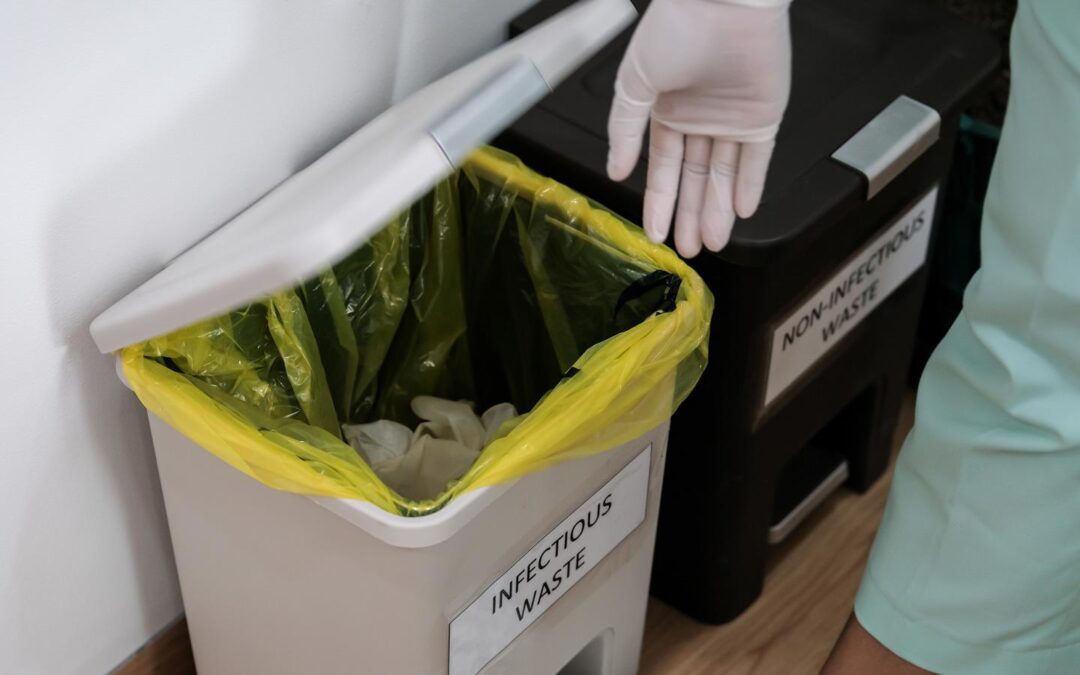
Pharmaceutical waste remains one of the most challenging categories of healthcare waste worldwide. Hospitals, pharmacies, and medical facilities generate large volumes of expired, unused, or contaminated medicines each year.
If this waste enters the environment, it can damage ecosystems, contaminate water sources, and harm communities. Fortunately, recycling innovations now allow the sector to turn some of this hazardous waste into useful resources.
This article explains how pharmaceutical waste recycling works, why it matters, and how healthcare facilities can adopt safer, more sustainable systems.
Understanding Pharmaceutical Waste
Pharmaceutical waste includes expired drugs, damaged medicines, contaminated packaging, and substances that can no longer be used.
These products may contain chemicals that remain active even after disposal. Consequently, poor waste handling can lead to environmental contamination or accidental poisoning.
Many countries classify pharmaceutical waste as hazardous because it poses chemical, biological, and ecological risks. According to the World Health Organization (WHO), a significant portion of healthcare waste is potentially harmful when not managed properly.
Why Recycling Matters in Pharmaceutical Waste Management
Recycling pharmaceutical waste reduces the burden on landfills and prevents toxic substances from entering water bodies. It also encourages responsible consumption and long–term environmental protection.
When waste is recycled correctly, healthcare facilities can reduce disposal costs and minimize regulatory penalties.
Beyond environmental benefits, recycling strengthens public trust. Communities feel safer knowing that healthcare providers handle waste responsibly and follow global safety standards.
Types of Pharmaceutical Waste That Can Be Recycled
Several pharmaceutical waste categories can enter recycling streams when managed under strict guidelines.
1. Non-Hazardous Pharmaceutical Waste
Some medicines are considered non-hazardous. These include certain over-the-counter products and non-toxic formulations. These materials may undergo chemical neutralization or repurposing.
2. Medicine Packaging
Plastic, glass, aluminum, and cardboard used to store medicines can be recycled after proper cleaning. Packaging waste forms one of the largest volumes in the pharmaceutical supply chain.
3. Solvents and Chemicals Used in Manufacturing
Pharmaceutical manufacturers often recycle solvents to reduce chemical waste and production costs. Solvent recovery has become a standard practice in modern pharmaceutical plants.
4. Sharps and Clinical Plastics (When Treated Safely)
Although designed for single use, some clinical plastics undergo high-temperature sterilization and recycling to create industrial materials.
How Pharmaceutical Waste Recycling Works
The recycling process involves several controlled steps designed to neutralize risk while extracting value.
Step 1: Waste Segregation
Healthcare professionals sort waste at the point of generation. Proper labelling prevents mixing hazardous and non-hazardous materials. Accurate segregation ensures safety and improves recycling efficiency.
Step 2: Collection and Safe Containment
Facilities store waste in color-coded, clearly labelled containers. This prevents accidental exposure and helps waste handlers identify the correct processing method.
Step 3: Transportation to Certified Treatment Facilities
Authorized companies transport waste using sealed vehicles with proper documentation. Compliance with national regulations protects workers and the environment.
Step 4: Treatment and Recycling
Treatment facilities use methods such as chemical neutralization, shredding, autoclaving, incineration with energy recovery, or solvent extraction. Some processes convert waste into raw materials for manufacturing or energy generation.
Step 5: Final Product and Resource Recovery
Recycling yields products like reusable plastics, metal components, recovered solvents, or energy through waste-to-heat technologies.
Environmental and Economic Benefits of Pharmaceutical Waste Recycling
Recycling reduces the amount of hazardous material entering the environment. It also lowers methane emissions, protects water bodies, and decreases soil pollution. These advantages support sustainable healthcare systems.
Economically, facilities save money by reducing waste disposal fees. Manufacturers also benefit from solvent recovery, which cuts production costs. The broader economy gains through job creation in waste management and recycling industries.
Global Standards and Guidelines Supporting Waste Recycling
International bodies such as WHO, UNEP (United Nations Environment Programme), and national regulatory boards emphasize proper waste treatment. WHO’s Safe Management of Wastes from Health-Care Activities provides guidelines for segregation, treatment, and recycling.
UNEP also promotes circular economy principles, encouraging countries to convert pharmaceutical waste into productive resources.
These references help countries strengthen their regulatory frameworks.
Challenges Facing Pharmaceutical Waste Recycling
Despite progress, the sector faces several challenges. Limited awareness remains a major barrier, especially in developing countries. Some healthcare facilities lack training or resources to enforce proper waste segregation.
In addition, not all pharmaceutical waste is recyclable. Highly toxic substances require specialized destruction instead.
Infrastructure gaps also limit recycling efforts. Waste treatment plants are often located far from rural health facilities, making transport expensive. Finally, weak enforcement of regulations leads to inconsistent compliance.
How Healthcare Facilities Can Improve Waste Recycling Practices
Healthcare providers can strengthen their systems using simple but effective strategies.
-
Train staff regularly on waste categories and disposal rules.
-
Use color-coded containers and clear labelling.
-
Partner with licensed waste handlers.
-
Conduct internal audits to identify gaps in segregation or documentation.
-
Adopt digital waste tracking tools to improve accountability.
-
Display waste management guidelines in key working areas.
These steps create a safer, cleaner, and more compliant healthcare environment.
Sustainable Innovations Shaping the Future of Pharmaceutical Waste Recycling
Modern technologies are transforming how pharmaceutical waste is recycled. Waste-to-energy systems convert hazardous waste into heat and electricity.
Advanced chemical reactors help recover solvents with higher efficiency. Some companies now use biodegradable packaging to reduce plastic waste.
Continuous innovation will strengthen circular economy models and support global sustainability goals.
How Clarity Pharma Consultancy Can Help
Healthcare facilities often struggle to navigate pharmaceutical waste regulations. Clarity Pharma Consultancy offers expert guidance on waste compliance, staff training, internal audits, and best practices for safe disposal.
Their team helps facilities align with regulatory standards and implement effective recycling systems. This support improves safety, protects the environment, and strengthens legal compliance without sounding overly promotional or sales-driven.
Pharmaceutical waste recycling transforms health risks into valuable resources. It protects the environment, safeguards communities, and strengthens healthcare systems.
As the sector grows, adopting structured recycling methods will remain essential for sustainable public health. Healthcare facilities that embrace compliance and partner with professionals can achieve safer and greener operations.
FAQs

by Mr. Maroa Noa | Nov 25, 2025 | Legal, Marketing, Operations, Risk Management
Inventory management has become a major determinant of success for pharmacies in Kenya. A well-optimized inventory ensures that essential medicines remain available, losses remain low, and patients receive timely care.
As the pharmaceutical sector grows, many pharmacy owners now recognize that smart stock strategies reduce operational costs while improving service quality.
This article explains practical and effective ways Kenyan pharmacies can optimize inventory using simple processes and modern tools.
Understanding Inventory Optimization in Pharmacies
Inventory optimization means maintaining the right quantity of medicines and supplies, at the right time, and at the lowest possible cost.
When pharmacies get this balance right, they avoid stockouts, reduce wastage, and improve profitability.
Pharmacies in Kenya face unique challenges such as fluctuating demand, supplier delays, and regulatory requirements. Therefore, adopting smart inventory methods is essential for daily operations.
Why Inventory Management Matters for Kenyan Pharmacies
Effective stock management directly influences patient care. When a pharmacy runs out of essential medicines, patients suffer.
Additionally, poor inventory systems often lead to expired products, unnecessary purchases, and financial losses.
A well-structured stock process boosts operational efficiency. It also supports compliance with the Pharmacy and Poisons Board (PPB) requirements on proper storage and handling of pharmaceutical products.
Key Principles of Smart Stock Management
1. Track Stock Levels Consistently
Frequent tracking allows pharmacies to understand what sells fast and what stays on the shelf.
This insight helps owners adjust purchasing decisions and avoid excess stock.
2. Use Demand Forecasting
Demand forecasting predicts how much stock you need based on past sales trends.
It becomes easier to estimate order quantities and prepare for seasonal demand changes.
3. Implement the ABC Analysis
The ABC method categorizes products based on their value and movement:
-
A-items: High-value, fast-moving medicines
-
B-items: Moderate value and turnover
-
C-items: Low-cost, slow-moving items
This classification helps pharmacies allocate budget and storage space effectively.
4. Maintain Safety Stock for Critical Medicines
Safety stock protects pharmacies from unexpected supplier delays or sudden demand spikes.
Critical drugs—such as antihypertensives, antidiabetics, and emergency medicines—should always have buffer stock.
Technology and Digital Tools for Smarter Inventory
Technology has transformed inventory management across Kenya.
Digital systems reduce manual errors and support better decision-making.
Common Digital Tools Used by Pharmacies
-
POS systems with stock modules
-
Inventory management software
-
Barcoding and scanning tools
-
Automated expiration tracking solutions
These tools allow pharmacy teams to track stock movement in real time. They also generate reports that show trends and highlight low-performing products.
Benefits of Digital Tools
-
Increased accuracy
-
Reduced workload
-
Better planning
-
Faster audits
Pharmacies that adopt digital systems often report improved revenue because they minimize stock losses and avoid expired items.
Strategies to Prevent Expiry and Wastage
Expired medicines result in heavy financial losses. They also create compliance risks.
Below are simple strategies that help reduce wastage:
First-Expire, First-Out (FEFO)
Arrange medicines by expiry date. Items that expire first should be sold first.
Regular Shelf Audits
Frequent inspections help identify slow-moving items early.
This allows the pharmacist to reorder wisely or offer promotions before products expire.
Supplier Coordination
Building strong relationships with suppliers ensures timely deliveries and flexible return policies for short-dated medicines.
Stock Replenishment Techniques for Efficiency
Pharmacies use different replenishment methods depending on their size and demand.
Below are the most effective options:
1. Minimum–Maximum System
Set a minimum level that triggers reordering and a maximum level that prevents overstocking.
2. Reorder Point (ROP) Method
This system places automatic orders when stock drops to a specific level.
ROP works well with digital tools that track consumption rates.
3. Periodic Review
Pharmacies check stock at fixed intervals and reorder based on what has sold.
This method works best for small and medium-sized pharmacies.
How Smart Inventory Improves Pharmacy Profitability
Optimized inventory directly increases profit margins. Pharmacies can reduce expired stock, avoid unnecessary purchases, and improve customer satisfaction through consistent availability of medicines.
Additionally, streamlined inventory processes reduce administrative workload, allowing the pharmacist to focus more on patient care and business growth.
Common Inventory Challenges in Kenyan Pharmacies
Despite technological growth, pharmacies still face several challenges:
Addressing these challenges requires planning, training, and the right tools.
Best Practices for Continuous Improvement
Pharmacies can maintain strong inventory systems by adopting these practices:
-
Conduct monthly physical stock counts
-
Update digital records immediately after sales
-
Train staff on stock procedures
-
Buy from PPB-approved wholesalers
-
Review consumption patterns regularly
-
Store medicines according to PPB guidelines
Consistency strengthens inventory performance and reduces costly errors.
How Clarity Pharma Consultancy Can Support Your Pharmacy
Clarity Pharma Consultancy offers expert guidance to pharmacists and pharmacy owners who want to improve their inventory systems.
They provide practical solutions such as stock audits, digital automation support, compliance assessments, and procurement guidance.
Partnering with professional consultants ensures your pharmacy maintains efficiency and meets regulatory expectations without stress.
For tailored pharmacy support, you can consult Clarity Pharma Consultancy for guidance on smarter stock management and compliance optimization.
Smart inventory practices improve efficiency, reduce costs, and enhance patient care in Kenyan pharmacies.
By using digital tools, analyzing demand trends, and maintaining proper stock procedures, pharmacies can operate smoothly and remain competitive.
Optimizing stock is no longer optional—it’s a vital strategy for sustainable growth.
FAQs

by Mr. Maroa Noa | Nov 25, 2025 | Legal, Marketing, Operations, Strategy
Clinical trials carry significant responsibilities. Both sponsors and investigators must ensure trials proceed ethically, safely, and in full regulatory compliance.
Without clear adherence to compliance standards, research risks participant harm, data invalidation and regulatory sanction.
Understanding Roles and Legal Responsibilities
Sponsors take overall legal responsibility for initiating and conducting a trial. Investigators, meanwhile, manage the day-to-day conduct of a trial site and must ensure the protocol is followed.
In Kenya, the Pharmacy and Poisons Board (PPB) enforces the rules under the Pharmacy and Poisons (Conduct of Clinical Trials) Rules, 2022.
Understanding each role’s obligations is the first step toward full compliance.
Apply Good Clinical Practice (GCP) Standards
Sponsors must ensure all trial staff are trained in Good Clinical Practice. Investigators should oversee site staff to verify training is current.
Also, both parties must follow GCP guidelines such as the International Council for Harmonisation of Technical Requirements for Pharmaceuticals for Human Use (ICH) E6(R2) standard.
By applying these standards, the team protects participants and ensures data integrity.
Secure Regulatory Approvals Before Commencement
A trial cannot begin without regulatory and ethics committee approvals. In Kenya, sponsors submit applications to the PPB and obtain a favourable opinion from an accredited ethics committee.
Investigators must confirm the approvals before enrolling participants. Delays or shortcuts risk non-compliance and possible suspension.
Manage Protocols and Amendments Diligently
Protocols establish how the trial will operate. Sponsors must quickly apply for amendments when new information affects participant safety, data quality or trial conduct.
Investigators must implement approved amendments and maintain documentary evidence of approval and effect. Failing to follow this step may invalidate results or trigger regulatory enforcement.
Monitor Participant Safety and Report Adverse Events
Both sponsors and investigators carry major duties for safety monitoring. Sponsors must report serious adverse events (SAEs) and suspected unexpected serious adverse reactions (SUSARs) within specified timelines.
Investigators must ensure timely reporting and follow-up information. Maintaining a safety log and documenting causality are essential for compliance.
Data Integrity, Monitoring and Trial Master File (TMF)
Data from the trial must be accurate, complete and reliable. Sponsors should establish monitoring systems and audit trails.
Investigators must keep the Trial Master File (TMF) and essential documents that reflect compliance with GCP. During inspection, regulators will review these files to verify compliance.
Ensure Inspections and Regulatory Interaction Are Handled Correctly
Regulatory authorities can inspect sites or sponsors to ensure compliance with legal and ethical standards. Under Kenya’s rules, the PPB may inspect before or during the trial.
Sponsors should support these inspections, and investigators must grant access to records when requested. Non-compliance may lead to suspension of approval or other penalties.
Close-Out, Reporting and Archiving
When a trial ends, sponsors must notify the PPB and submit a summary report within defined timelines. Investigators must ensure all sites complete their close-out procedures and archive records as required. Proper archiving safeguards compliance and future audits.
Practical Checklist for Sponsors & Investigators
-
Confirm ethics and regulatory approvals before recruitment.
-
Maintain documented GCP training for all staff.
-
Implement protocol amendments through formal processes.
-
Establish and maintain safety-reporting workflows.
-
Ensure data monitoring, audits, and complete TMF.
-
Prepare for regulatory inspections: keep records up to date.
-
Archive essential documents according to regulatory requirements.
By using this checklist, teams can stay audit-ready and compliant throughout the trial lifecycle.
Why Compliance Matters for Stakeholders
Participants rely on sponsors and investigators to protect their rights and safety. Regulators expect trials to deliver valid results and maintain trust in medical research. Sponsors and investigators who stay compliant safeguard their reputation, avoid legal consequences and ensure their data is valid for regulatory submission.
How Clarity Pharma Consultancy Can Help
If you are a sponsor or investigator conducting clinical trials in Kenya or regionally, we at Clarity Pharma Consultancy specialise in compliance support, regulatory strategy, documentation review and audit-preparation. We help you build robust systems, train your team and maintain the high standards required for successful, compliant trials.
Compliance in clinical trials is not optional—it’s essential. Sponsors and investigators must continuously uphold ethical, regulatory and operational standards to protect participants, deliver quality data and meet regulatory scrutiny.
By following the clear steps above, you strengthen your trial’s integrity and increase your chance of success.
FAQs

by Mr. Maroa Noa | Nov 25, 2025 | Legal, Operations, Risk Management, Strategy
Herbal and complementary medicines have become more popular in Kenya. Many people prefer natural remedies for general wellness, chronic conditions, and preventive care. However, not every product on the market is safe.
Because of this, the Pharmacy and Poisons Board (PPB) plays a central role in regulating these medicines.
Their goal is clear: protect consumers by ensuring that all herbal and complementary products sold in Kenya meet acceptable quality, safety, and packaging standards.
This article explains how the PPB regulates these products, the steps involved, and what consumers and manufacturers should know.
Understanding Herbal and Complementary Medicines
Herbal and complementary medicines include plant-based preparations, nutritional supplements, traditional remedies, and wellness products. These medicines often contain natural ingredients, but “natural” does not always mean “safe.”
Some herbs can interact with prescription medicines. Others may contain contaminants, improper dosages, or misleading claims.
Because of these risks, the PPB regulates these products under Kenya’s statutory framework for medical products.
Why Regulation Matters
Regulation ensures that consumers get safe products. It also protects legitimate manufacturers from counterfeiters who exploit weak oversight.
Additionally, regulation provides:
These measures help the public make informed health choices and reduce preventable harm.
The PPB’s Mandate in Regulating Herbal and Complementary Medicines
The Pharmacy and Poisons Board acts as Kenya’s official regulator for medical products. Under the Pharmacy and Poisons Act (Cap 244), PPB oversees the importation, manufacturing, distribution, labeling, and sale of herbal and complementary medicines in the country.
Their oversight focuses on four pillars:
-
Product registration
-
Safety and quality testing
-
Market surveillance
-
Post-market monitoring
1. Product Registration and Approval
Before any herbal or complementary medicine enters the Kenyan market, PPB requires manufacturers or distributors to submit an application for evaluation. This process helps determine whether the product is safe and fit for public use.
Key registration requirements include:
-
Detailed product formulation
-
Manufacturing process details
-
Evidence of safety from toxicology data
-
Labeling and packaging information
-
Shelf-life and stability data
PPB evaluates whether the ingredients meet acceptable safety standards. They also ensure that product labels contain accurate information, proper dosage instructions, and relevant warnings.
2. Safety and Quality Testing
After registration, PPB conducts laboratory testing to confirm the quality of herbal medicines. The tests check for contaminants, heavy metals, microorganisms, pesticide residues, and adulterants.
These tests help prevent:
-
Contaminated or substandard herbal products
-
Products with undeclared pharmaceutical ingredients
-
Toxic plant compounds
-
Harmful chemical residues
Testing protects consumers from dangerous products that may look “natural” but contain unsafe elements.
3. Market Surveillance and Inspections
PPB teams regularly conduct surveillance in pharmacies, herbal shops, supermarkets, and online platforms. Their goal is to ensure products sold comply with regulatory requirements.
Surveillance activities include:
-
Checking registration status
-
Ensuring proper labeling
-
Inspecting storage conditions
-
Verifying advertisements and product claims
-
Seizing unregistered or counterfeit products
This proactive approach reduces the circulation of illegal medicines and strengthens consumer protection.
4. Post-Market Safety Monitoring (Pharmacovigilance)
Even after products are approved, PPB continuously monitors their safety. They rely on adverse reaction reports from consumers, healthcare providers, and manufacturers.
When the Board identifies safety concerns, they may:
-
Issue safety alerts
-
Recall products
-
Suspend registration
-
Review product labels
Ongoing monitoring ensures that risks are detected early and managed effectively.
Labeling Requirements for Herbal Medicines
Proper labeling helps consumers use the product safely. PPB requires labels to include:
Clear labeling prevents misuse and empowers consumers to make informed choices.
Common Misconceptions About Herbal Medicines
Although herbal medicines offer many benefits, several misconceptions can cause harm.
Frequent misconceptions include:
-
“Natural products cannot cause side effects.”
-
“Herbal medicines do not interact with prescription medicines.”
-
“All traditional remedies are safe because they have been used for years.”
PPB works to counter these myths through public education and strict regulation.
How Consumers Can Stay Safe
Consumers play a role too. You should:
-
Buy only PPB-registered products
-
Check for proper labeling
-
Avoid self-medicating with unknown traditional remedies
-
Report any side effects to the PPB
-
Seek professional guidance when unsure
By taking these steps, consumers help maintain a safer market.
How Manufacturers and Distributors Can Stay Compliant
Manufacturers should follow Good Manufacturing Practices (GMP) and ensure their products meet PPB standards. Distributors must also avoid selling unregistered or counterfeit herbal products.
Compliance not only builds trust but also protects the brand’s reputation.
How Clarity Pharma Consultancy Can Support You
If you are a manufacturer, distributor, or importer of herbal and complementary medicines, compliance can feel overwhelming.
Clarity Pharma Consultancy offers professional guidance to help you meet PPB requirements, prepare documentation, navigate registration, improve labeling, and achieve full regulatory compliance.
For expert support, reach out to Clarity Pharma Consultancy for tailored compliance solutions.
Read More
Herbal and complementary medicines will continue gaining popularity in Kenya. Because of this growth, regulation remains essential for consumer safety and product credibility.
PPB’s strict oversight ensures that every product on the market meets acceptable safety and quality standards. Manufacturers, distributors, and consumers all play a role in making the herbal market safer for everyone.
FAQs