by Mr. Maroa Noa | Nov 26, 2025 | Legal Framework, Operations, Risk Management, Strategy
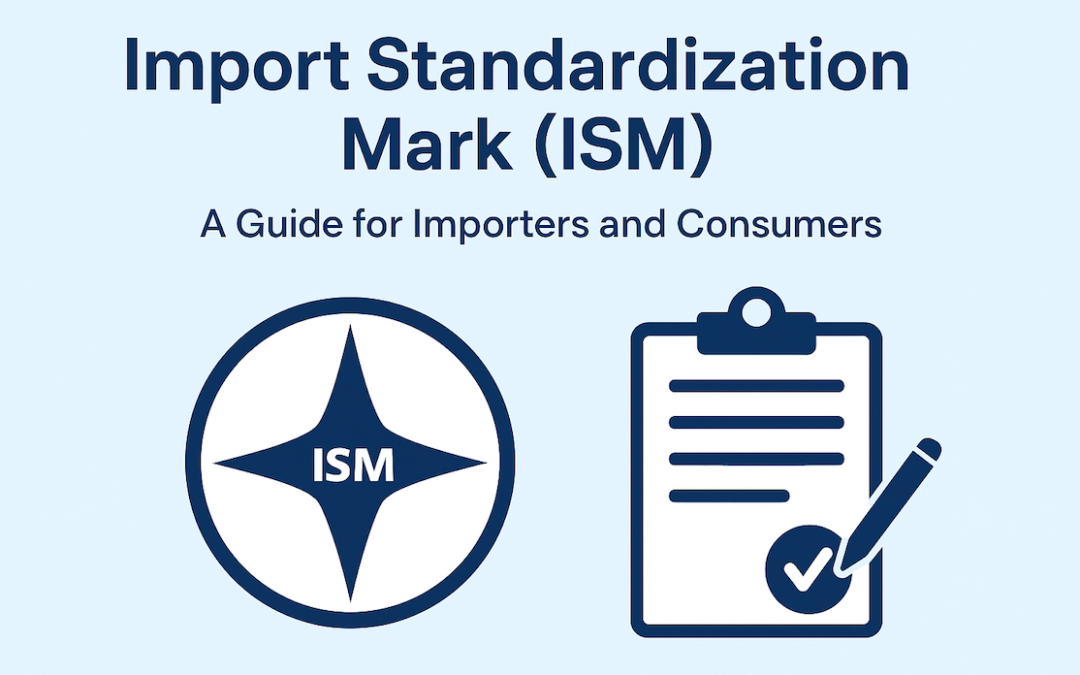
The Import Standardization Mark (ISM) plays a significant role in Kenya’s quality assurance system. It helps consumers identify products that meet national standards and protects the market from unsafe or counterfeit imports.
Because imported goods form a large part of the Kenyan market, understanding the ISM is important for both buyers and importers.
This guide explains how the mark works, why it matters, and how businesses can remain compliant throughout the importation process.
What Is the Import Standardization Mark (ISM)?
The Import Standardization Mark is a quality conformity label issued by the Kenya Bureau of Standards (KEBS). Importers must affix it on goods that meet the required Kenyan standards.
The mark confirms that the imported product has passed safety checks and meets the minimum national quality thresholds. Consumers can use the ISM to verify authenticity before purchasing a product.
Why the ISM Matters in the Kenyan Market
The ISM protects consumers from counterfeit or substandard products. It also improves trust in imported goods by showing that the product has undergone proper inspection.
Importers benefit because the mark reduces the risk of clearance delays and penalties at the port. It also enhances brand credibility in a competitive market.
Because the Kenyan market continues to face challenges related to counterfeit goods, the ISM offers an extra layer of protection to the public.
Products That Require the Import Standardization Mark
KEBS requires the ISM on all imported goods classified under the Pre-Export Verification of Conformity (PVoC) program. These products include:
-
Electronics and household appliances
-
Building materials
-
Cosmetics and personal care items
-
Medical supplies
-
Automotive parts
-
Food products and beverages
-
Electrical accessories
Goods that fall under exempt categories or humanitarian consignments may not require the mark, but importers must still verify classification with KEBS.
How to Obtain the Import Standardization Mark
1. Ensure Product Conformity Before Shipment
Importers must work with KEBS-appointed inspection agents in the exporting country. These agents test the goods and confirm that they align with Kenyan standards. Pre-inspection reduces the risk of rejection upon arrival.
2. Submit Required Documents
KEBS requires specific documents such as:
Providing accurate documents ensures a smooth verification process.
3. Apply for the ISM Sticker Through the KEBS Portal
Importers purchase the ISM through the KEBS online platform. After approval, KEBS issues a digital or physical mark depending on the product type. The importer must then affix the mark before releasing the goods.
4. Affix the Mark Correctly
The ISM must appear on the product in a visible and non-detachable manner. It should not be placed on removable packaging unless approved by KEBS.
How Consumers Can Verify the Import Standardisation Mark
Consumers can confirm the authenticity of an ISM by scanning the QR code printed on the mark. The code directs them to the KEBS verification database.
They can also check the product details against the serial number on the sticker. This process helps reduce the circulation of counterfeit ISM labels.
Penalties for Non-Compliance
Importers who fail to apply the ISM may face penalties such as:
-
Delays at the port of entry
-
Seizure of non-compliant goods
-
Fines imposed by KEBS
-
Revocation of import licenses
-
Legal action in cases involving public safety risks
Therefore, ensuring compliance before shipment saves time and prevents financial loss.
Common Challenges Importers Face
Many businesses struggle with delays during inspection due to incomplete documentation. Others receive penalties because they purchase goods from manufacturers who do not meet KEBS standards.
Understanding conformity requirements helps importers avoid these issues. Additionally, working with verified suppliers reduces risks associated with substandard shipments.
Benefits of the Import Standardization Mark to Consumers
Consumers enjoy several advantages, including:
-
Assurance of product safety
-
Reduced risk of buying counterfeit goods
-
Improved product durability and quality
-
Greater trust in imported brands
Because safety remains a top priority in regulated markets, the ISM strengthens consumer confidence.
Tips for Staying Compliant During Importation
-
Always confirm that your supplier understands KEBS standards.
-
Work with accredited Pre-Export Verification of Conformity agents.
-
Avoid shortcuts or third-party sellers who offer unverified goods.
-
Maintain clear import documentation.
-
Conduct internal quality audits before placing orders.
-
Use KEBS online portals to track approval and license status.
Good compliance practices protect your business and ensure consistent product quality.
Professional Assistance for Importers
Navigating KEBS regulations can feel overwhelming, especially for businesses handling multiple product lines. Clarity Pharma Consultancy offers guidance on compliance, document preparation, inspection support, and risk reduction for importers in the pharmaceutical and general goods sectors.
Their team helps businesses remain compliant while avoiding unnecessary delays and penalties.
For consultation support, importers can reach out to Clarity Pharma Consultancy for practical, reliable assistance tailored to their import needs.
The Import Standardization Mark remains an essential tool for ensuring safe, high-quality imports into Kenya. Importers must understand how the ISM works and follow the correct procedures to stay compliant with KEBS requirements.
Consumers also play an important role by checking ISM labels before purchasing goods. When everyone prioritizes product safety, the Kenyan market becomes healthier, more transparent, and more trustworthy for all.
FAQs

by Mr. Maroa Noa | Nov 26, 2025 | Marketing, Operations, Risk Management, Strategy
Quality, safety, and consumer protection play a major role in Kenya’s healthcare and pharmaceutical environment. The KEBS Diamond Mark of Quality stands out as one of the highest certifications for both local and imported products.
At the same time, pharmacy-based harm-reduction initiatives help vulnerable patients use medicines safely, especially where misuse, misunderstanding, or limited access to healthcare increases risk.
This article explains the KEBS Diamond Mark in simple terms and explores how pharmacies support safer medicine use through harm-reduction practices.
Understanding the KEBS Diamond Mark of Quality
The Diamond Mark of Quality (DMoQ) is a premium certification issued by the Kenya Bureau of Standards (KEBS). KEBS awards it only to manufacturers who consistently meet high product-quality standards.
The Diamond Mark goes beyond general compliance. It signals that a product has undergone rigorous and continuous quality evaluations.
Why the KEBS Diamond Mark Matters
Consumers often struggle to differentiate between safe and unsafe products, especially in markets where counterfeit goods circulate.
The Diamond Mark simplifies this challenge. Once displayed on a product, it assures buyers that the item has been tested repeatedly and has passed strict quality benchmarks.
This certification protects families, strengthens trust in the market, and empowers consumers to make informed choices.
How Products Earn the Diamond Mark
KEBS uses a structured assessment process before awarding the Diamond Mark. The evaluation may include:
-
Factory inspections to verify production systems
-
Batch testing to ensure quality consistency
-
Compliance assessments against Kenyan and international standards
-
Market surveillance to monitor product performance after approval
Because of these checks, consumers can buy products with the DMoQ knowing they meet high safety and performance standards.
Products That Commonly Carry the Diamond Mark
The Diamond Mark appears on goods across major sectors, including:
Every certified product displays the Diamond Mark logo, making it easy to recognize on shelves.
How the KEBS Diamond Mark Protects Consumers
The Diamond Mark offers several key benefits:
1. Better Product Safety
It assures the public that the product does not pose unnecessary health or safety risks.
2. Reduced Exposure to Counterfeits
Because counterfeiters struggle to imitate the certification process, consumers can avoid substandard products more easily.
3. Confidence in Manufacturing Quality
The mark signals that the factory uses good production practices and follows strict quality systems.
4. Fair Market Competition
High-quality producers gain protection against unscrupulous manufacturers using shortcuts.
Pharmacy-Based Harm Reduction: Supporting Safe Medicine Use Among Vulnerable Groups
Pharmacies play a vital role in protecting public health. Beyond dispensing medication, they now support harm-reduction strategies, especially for patients vulnerable to:
Pharmacy-based harm reduction focuses on reducing risks, not on judging or punishing patients.
Why Harm Reduction in Pharmacies Matters
Communities depend on pharmacies for convenient and accessible health services.
Vulnerable groups—including the elderly, people living with chronic illness, and individuals with limited health literacy—often rely on pharmacies more than hospitals.
As medication use becomes more complex, pharmacies help patients avoid dangerous outcomes such as:
Key Harm-Reduction Strategies Used in Pharmacies
1. Patient Education
Pharmacists use simple language to explain how to take medicines safely. They also warn patients about side effects, drug interactions, and what to avoid.
2. Dose Monitoring and Follow-Up
Regular follow-up helps patients stay on track and improves treatment outcomes, especially for chronic therapy.
3. Medicine Review Services
Pharmacists review all medicines a patient is taking. This reduces duplication, eliminates unnecessary drugs, and prevents harmful combinations.
4. Safe Storage and Disposal Guidance
Improperly stored medicines can harm children, adults, and pets. Pharmacies teach families how to store and discard medicines responsibly.
5. Screening and Early Intervention
Some pharmacies offer screening for conditions such as diabetes, hypertension, asthma, and substance misuse. Early detection reduces long-term harm.
How the Diamond Mark and Pharmacy-Based Harm Reduction Work Together
Both systems aim to protect consumers from unsafe health practices.
The Diamond Mark focuses on:
-
Product quality
-
Manufacturing safety
-
Market confidence
Pharmacy harm reduction focuses on:
Together, they build a safer and more informed healthcare environment.
Professional Guidance for Compliance and Safe Medicine Practices
If you run a pharmacy, manufacture health products, or want to strengthen compliance systems, Clarity Pharma Consultancy offers reliable support.
Their team helps businesses meet KEBS, PPB, and quality-assurance requirements while promoting safe medicine practices. They also guide pharmacy owners on harm-reduction systems that improve patient safety and trust.
FAQs

by Mr. Maroa Noa | Nov 26, 2025 | Legal, Marketing, Operations, Strategy
Pharmacies play a crucial role in health systems, yet their influence goes beyond just dispensing medicines. Today, society expects pharmacies to support sustainability, protect the environment, and promote safer medicine use—especially among vulnerable populations.
As climate concerns intensify and health disparities widen, pharmacies can lead the way by integrating climate-conscious practices and harm-reduction strategies into their daily operations.
This article explores practical steps pharmacies can take to manage medicines responsibly, reduce waste, support vulnerable groups, and align with global sustainability goals.
Climate-Conscious Pharmacies: Building Sustainable Medicine Practices
Climate change has created new health threats, and the healthcare sector itself contributes to environmental pollution. Pharmacies can reduce this impact through sustainable medicine management.
Sustainable Storage and Dispensing Practices
Pharmacies can significantly lower their carbon footprint by optimizing how they store and dispense medicines.
Simple actions such as using energy-efficient refrigerators, adopting LED lighting, and maintaining proper insulation reduce power consumption. Additionally, digital prescription systems minimize paper waste and improve accuracy.
These changes may seem small, but they help pharmacies align with global health sustainability frameworks such as the WHO Health in Climate Action Initiative (WHO, 2023).
Minimizing Pharmaceutical Waste
Improper disposal of expired or unused medicines harms soil, water sources, and local ecosystems. Pharmacies can implement structured waste-reduction measures by:
-
Running medicine take-back programs
-
Following NEMA and WHO waste-disposal guidelines
-
Regularly rotating stock to avoid expiry
-
Educating the public on safe disposal methods
By taking these actions, pharmacies help prevent pharmaceutical pollutants while improving community safety.
Promoting Eco-Friendly Products and Packaging
Consumers today look for responsible healthcare providers. As a result, pharmacies that stock eco-friendly packaging, reusable materials, and biodegradable alternatives appeal to a growing environmentally conscious market.
Many global pharmacy chains already integrate green packaging policies to support long-term sustainability goals.
Supporting Safe Medicine Use: Pharmacy-Based Harm Reduction
Harm reduction promotes safer behaviors and helps individuals minimize health risks without judgment or discrimination.
Pharmacies are uniquely positioned to support harm-reduction initiatives, especially for groups struggling with chronic diseases, medication misuse, or limited access to healthcare.
Empowering Vulnerable Populations Through Education
Education forms the foundation of harm reduction. Pharmacies can offer targeted counselling on:
-
Safe use of pain medicines
-
Proper inhaler techniques
-
Adherence to antiretroviral therapy
-
Avoiding antibiotic misuse
-
Managing chronic illnesses
People living with disabilities, older adults, and low-income communities benefit greatly from such accessible, evidence-based information.
Supporting Safe Opioid and Controlled Medicine Use
Controlled substances require careful management. Pharmacies can strengthen harm-reduction efforts by:
-
Maintaining strict dispensing protocols
-
Offering non-judgmental counselling
-
Monitoring potential overuse
-
Collaborating with healthcare providers for safe tapering
-
Encouraging alternative pain-management strategies
These measures promote safety while reducing the risk of dependency or misuse.
Encouraging Responsible Self-Medication
Many people in Kenya self-medicate for common conditions. While this is common, it carries the risk of overdose, wrong drug selection, or drug interactions.
Pharmacies can support safer self-care by guiding customers toward appropriate choices and reminding them when to seek medical attention.
Quick, clear advice ensures community members feel supported rather than discouraged, which aligns with the principles of harm reduction.
Providing Access to Safe Tools and Referrals
Pharmacies can act as community connectors by providing:
-
Vaccination referrals
-
HIV and TB testing information
-
Safe-sex supplies
-
Mental health support contacts
-
Chronic-disease self-management tools
These simple interventions strengthen public health and help reduce disparities.
Integrating Sustainability and Harm Reduction: A Dual Approach
Sustainability and harm reduction complement each other. When pharmacies adopt environmentally conscious practices, they reduce toxic waste, improve community well-being, and make medicine use safer.
At the same time, harm-reduction strategies reduce hospital admissions and encourage responsible health behavior—ultimately lowering the environmental burden caused by medical treatment.
This integrated approach builds a future-ready pharmacy that protects both health and the planet.
How Clarity Pharma Consultancy Can Support Your Compliance and Sustainability Goals
Pharmacies that want to adopt climate-friendly operations or strengthen harm-reduction services often need expert guidance.
Clarity Pharma Consultancy helps pharmacy owners and healthcare businesses improve compliance, enhance medicine-management systems, and implement sustainable practices without disrupting daily operations.
Their consulting team supports facilities in:
-
Developing environmental-safe disposal policies
-
Training staff on rational medicine use
-
Strengthening harm-reduction counselling programs
-
Ensuring regulatory compliance with PPB and NEMA guidelines
-
Improving overall medicine-management efficiency
Working with qualified consultants ensures your pharmacy stays compliant, responsible, and future-focused.
Pharmacies shape community health every day. By embracing climate-conscious practices and supporting harm reduction, they protect patients, safeguard the environment, and strengthen public trust.
Sustainable medicine management is no longer optional; it is a responsibility that modern pharmacies must embrace.
When pharmacies take the lead, communities benefit from safer practices, reduced pollution, and better access to life-saving information.
FAQs
by Mr. Maroa Noa | Nov 26, 2025 | Legal, Operations, Strategy
Pharmacies play a critical part in strengthening community resilience during outbreaks. Their accessibility, trained staff, and direct interaction with the public make them essential in identifying early warning signs, managing essential supplies, and supporting national response systems.
In Kenya and across the world, pharmacists continue to offer critical support that extends far beyond dispensing medicines.
They help detect risks, share verified health information, and coordinate community-level interventions that reduce the spread of disease.
Pharmacies as Frontline Access Points
Community pharmacies often serve as the first place people seek help when they feel unwell. Their proximity makes them vital in early outbreak detection.
Pharmacists can recognize unusual symptom trends, notice sudden increases in certain medications, and alert health authorities when patterns change. This early signal strengthens surveillance and improves response speed.
Additionally, pharmacies remain open during most emergencies. Their continued operation helps reduce panic and gives communities a dependable source of health services, credible information, and essential supplies.
Early Detection and Disease Surveillance
Pharmacists contribute to outbreak surveillance in several ways. They observe unusual clusters of symptoms and share this data with public health teams.
They also help monitor medicine availability and identify sudden spikes in demand that may reflect early community transmission.
For example, during respiratory outbreaks, a rapid increase in cough syrups, analgesics, or masks can signal rising cases. Timely reporting allows authorities to investigate early and respond before an outbreak spreads widely.
Patient Education and Risk Communication
Clear communication reduces fear and prevents misinformation. Pharmacists help the public understand symptoms, prevention strategies, and correct treatment pathways.
They also explain how to use protective tools such as masks, sanitizers, and thermometers.
Moreover, pharmacists guide communities away from harmful self-medication. They direct patients to appropriate medical facilities when symptoms require professional assessment. This reduces overcrowding in hospitals and ensures that high-risk patients receive timely care.
Supporting Infection Prevention and Control (IPC)
Pharmacies play a major role in promoting infection-control practices. They stock essential IPC supplies and provide guidance on how to use them effectively.
Because customers interact directly with pharmacy staff, pharmacies can reinforce hygiene habits such as handwashing, mask use, and environmental cleaning.
Additionally, pharmacists help identify counterfeit products, especially during emergencies when demand rises sharply. Their vigilance protects the public from unsafe items and maintains trust in the health system.
Ensuring Access to Essential Medicines
Outbreaks often disrupt supply chains. Transport delays, panic buying, and stockout pressures affect medicine availability. Pharmacies help manage these challenges by monitoring stock levels and forecasting demand more precisely.
They also collaborate with suppliers, distributors, and regulatory authorities to keep essential products available.
Their ability to manage inventory efficiently ensures that vulnerable patients—especially those with chronic conditions—continue receiving their medicines without interruption.
Vaccination Support During Outbreaks
Many countries now allow pharmacists to administer vaccines or support vaccination campaigns. Even where pharmacists do not vaccinate directly, they help through:
Their trusted position in communities makes them key partners in boosting vaccination uptake.
Chronic Disease Management During Emergencies
During outbreaks, patients with chronic conditions face higher risks due to disrupted care. Pharmacies provide continuity through medication refills, adherence checks, and safety counselling.
They also help patients understand how to adjust care routines during outbreaks, especially when health facilities are overwhelmed.
This support prevents complications and protects hospital capacity.
Collaboration With Public Health Authorities
Pharmacies work closely with county and national health systems to strengthen preparedness. Their responsibilities include:
-
Sharing surveillance data
-
Supporting emergency stockpiles
-
Participating in training programs
-
Implementing emergency SOPs
-
Reporting counterfeit or substandard medicines
Such collaboration ensures an integrated response that benefits the entire population.
Building Community Preparedness
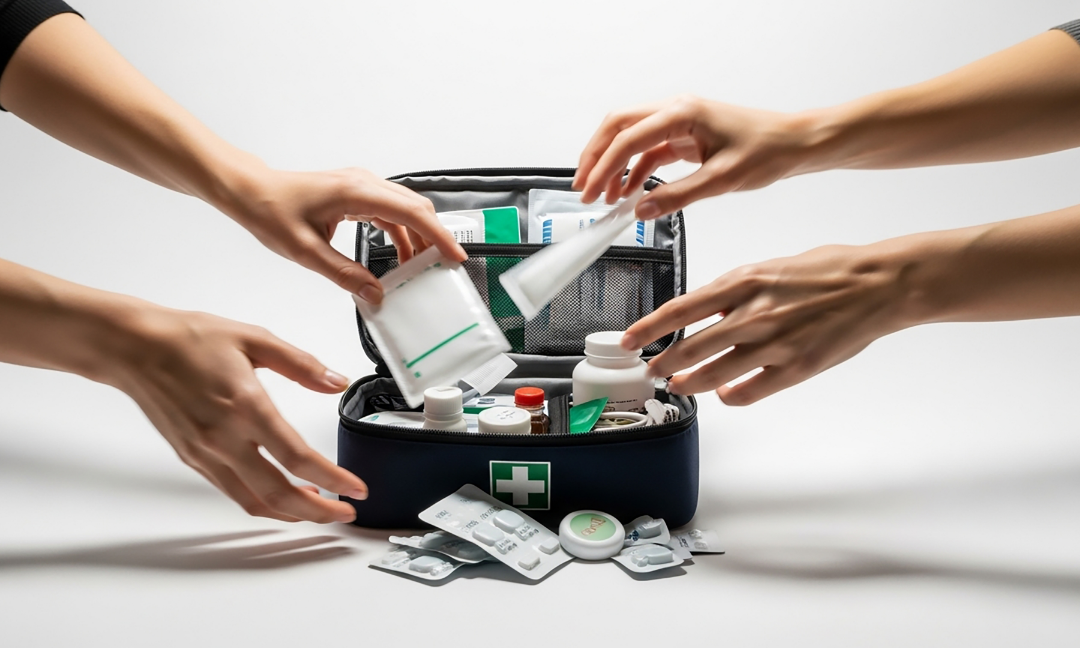
Preparedness begins long before an outbreak occurs. Pharmacies help communities plan by promoting emergency kits, stocking adequate chronic medications, and teaching basic home-based care measures.
They also educate families on what to do when public health alerts are issued.
With consistent community engagement, pharmacies become reliable sources of guidance before, during, and after an outbreak.
Why Pharmacy Preparedness Matters
Strong pharmacy involvement leads to:
-
Faster outbreak detection
-
Improved risk communication
-
Reduced hospital burden
-
Better access to essential medicines
-
Stronger community confidence
-
More coordinated national responses
In simple terms, pharmacies bridge the gap between communities and the health system during emergencies.
Consult Clarity Pharma Consultancy for Professional Guidance
Pharmacy owners and managers can strengthen their emergency preparedness through expert support.
Clarity Pharma Consultancy provides guidance on regulatory compliance, emergency SOP development, outbreak-response planning, and staff training.
Their team helps pharmacies align with national expectations and maintain high operational standards during emergencies.
For tailored consultations, pharmacies can engage their services for practical and reliable support.
Pharmacies remain essential to emergency response and outbreak preparedness. Their unique position in the community enables them to support surveillance, protect medicine access, and educate the public.
As health threats continue to evolve, strengthening pharmacy preparedness improves overall resilience and protects community health. Effective collaboration, strong systems, and continuous improvement remain key pillars for building a safer, healthier nation.
FAQs

by Mr. Maroa Noa | Nov 25, 2025 | Legal, Operations, Risk Management, Strategy
Rational drug use is essential for protecting communities from medication misuse, antimicrobial resistance, and preventable health complications.
While hospitals and public health institutions play major roles, pharmacies remain the most accessible healthcare touchpoints in Kenya.
They interact with the public daily, making them ideal partners in promoting informed and safe medicine use.
This article explains how pharmacies can support public health campaigns and highlights the practical strategies that strengthen rational drug use across communities.
Understanding Rational Drug Use
Rational drug use means that patients receive medications appropriate for their clinical needs, in the right doses, for the right duration, and at the lowest possible cost to them and society.
The World Health Organization (WHO) emphasizes that irrational drug use contributes to antimicrobial resistance, adverse reactions, and treatment failures (WHO, Rational Use of Medicines).
Pharmacies are uniquely positioned to address these challenges because they provide frontline drug information and screening for inappropriate medication use.
Why Pharmacies Matter in Public Health Campaigns
Pharmacies serve as trusted sources of health guidance. They offer quick access to medication and counseling without long waiting times. Additionally, they operate within neighborhoods, marketplaces, and even remote towns, giving them excellent visibility in community health promotion.
Their contribution to public health campaigns ensures that accurate information reaches people where they live and work.
Promoting Rational Drug Use Through Pharmacy-Based Interventions
1. Educating Patients at the Point of Service
Pharmacists interact with patients every day. This makes it easy to offer short, timely, and accurate explanations about proper medication use. Simple conversations about dosage, drug interactions, or side effects prevent misuse and increase treatment adherence.
Even brief counseling sessions reduce confusion and help patients understand the importance of completing prescribed courses, especially for antibiotics.
2. Preventing Antibiotic Misuse
Antibiotic resistance remains a global challenge. Pharmacies help reduce misuse by screening for inappropriate antibiotic requests, refusing non-prescription antibiotic sales, and guiding patients to proper medical evaluation when needed.
According to the WHO Global Action Plan on Antimicrobial Resistance, restricting unnecessary access to antibiotics is one of the most effective interventions for controlling resistance. Pharmacies make this possible through continuous patient education and compliance with regulatory standards.
3. Supporting Chronic Disease Management
Many chronic conditions rely on long-term medication. Pharmacies strengthen rational drug use by tracking refill patterns, monitoring adherence, and educating patients about lifestyle changes.
Frequent touchpoints with patients allow pharmacists to detect misuse early and offer corrections before harm occurs.
4. Running Community Awareness Programs
Pharmacies often collaborate with county health officials, NGOs, and professional bodies to run local campaigns on:
-
Safe self-medication practices
-
Dangers of counterfeit drugs
-
Importance of completing treatments
-
Responsible use of antibiotics
-
Vaccination drives
-
Over-the-counter medication guidance
These campaigns reach thousands of people because pharmacies sit at the heart of community health networks.
5. Promoting Safe Disposal of Medicines
Expired and unused medicines can harm the environment, contribute to resistance, or cause accidental poisoning. Pharmacies educate the public on safe disposal and act as collection points during disposal drives.
This reduces environmental contamination and prevents unsafe reuse of expired medications.
Digital Tools and Pharmacy-Based Health Promotion
Many pharmacies now use digital platforms to share health information. Social media, SMS reminders, and online consultations help reinforce public health messages and guide patients on safe medication use.
These tools improve reach, especially among young populations who rely heavily on digital communication.
Barriers to Effective Pharmacy Involvement
Although pharmacies play an essential role, several challenges still exist:
-
Limited training in public health communication
-
High patient load that reduces time for counseling
-
Inadequate regulatory enforcement in some regions
-
Poor awareness among patients about the importance of pharmacist guidance
Overcoming these challenges requires stronger collaboration with public health agencies and tailored training programs.
Strengthening Pharmacy Participation in Public Health Campaigns
Several strategies can help pharmacies become even stronger partners in rational drug use campaigns:
-
Conduct continuous professional development (CPD) on antimicrobial stewardship
-
Use posters, leaflets, and visual aids inside pharmacy premises
-
Build a clear referral system to nearby health facilities
-
Train staff on communication and patient engagement
-
Participate in county and national health events
-
Ensure all medications are sourced from registered and compliant suppliers
These actions build public confidence and ensure that pharmacy interventions deliver measurable impact.
How Clarity Pharma Consultancy Can Support Your Pharmacy
Promoting rational drug use requires a blend of regulatory compliance, strong communication, and consistent staff training. Clarity Pharma Consultancy offers expert guidance to pharmacies and healthcare businesses looking to strengthen public health campaigns, streamline compliance processes, and enhance patient education initiatives.
They support pharmacies in implementing practical strategies that promote rational drug use, improve service quality, and align with national health priorities.
For professional assistance, pharmacies can consult Clarity Pharma Consultancy to build impactful community engagement and compliance programs.
Pharmacies remain vital partners in promoting rational drug use across Kenya. Their accessibility, trust, and daily patient interactions give them unmatched influence in shaping health behaviors.
When pharmacies take active roles in public health campaigns, communities benefit from safer medication practices, better treatment outcomes, and reduced health risks.
Strengthening these efforts supports national health goals and creates healthier, well-informed populations.
FAQs
by Mr. Maroa Noa | Nov 25, 2025 | Legal, Operations, Risk Management, Strategy
Ensuring the quality of medicines is essential for protecting public health. In Kenya, the Pharmacy and Poisons Board (PPB) serves as the national regulatory authority responsible for safeguarding the quality, safety, and efficacy of all medical products circulating in the country.
One of the Board’s most important functions is batch release testing, a quality assurance procedure that verifies whether every batch of a medicine meets the required standards before entering the market.
This article explains how batch release testing works, why it matters, and how PPB strengthens Kenya’s pharmaceutical safety landscape.
Understanding Medicines Quality Assurance in Kenya
Medicines quality assurance refers to the systems and processes used to ensure that medicines consistently meet the standards required for safe use. PPB oversees this responsibility as mandated under the Pharmacy and Poisons Act, Cap 244.
Quality assurance covers many aspects of the product lifecycle, including:
-
Manufacturing quality
-
Storage and distribution
-
Laboratory testing
-
Post-market surveillance
Batch release testing is a key component of this framework.
What Is Batch Release Testing?
Batch release testing is the process where regulatory authorities evaluate laboratory test results from each batch of a medicine before approving it for distribution. This verification ensures that the product meets all specified quality requirements, such as potency, purity, and stability.
Manufacturers submit:
-
Certificates of analysis
-
Quality control results
-
Compliance evidence
-
Product specifications
PPB assesses these documents and may conduct independent laboratory testing to confirm the results.
Why Batch Release Testing Matters
Batch release testing protects the public from unsafe or substandard medicines. It also strengthens trust in the healthcare system by ensuring that medicines available in pharmacies, hospitals, and clinics are safe and effective.
It helps prevent:
Through this process, PPB reduces the risk of adverse events and ensures compliance with national and international quality standards.
PPB’s Mandate in Medicines Quality Control
PPB evaluates every batch of certain high-risk medical products, including vaccines, biologicals, and sterile preparations. Its authority draws from national laws and global best practices recommended by the World Health Organization (WHO).
The Board undertakes several activities during batch release testing:
-
Reviewing documentation for completeness
-
Analyzing laboratory data
-
Conducting physical and chemical verification
-
Confirming packaging and labeling specifications
-
Approving or rejecting the batch for use
These actions ensure that only high-quality products reach the Kenyan market.
How PPB Conducts Batch Release Testing
PPB follows a structured process to guarantee accuracy and fairness.
1. Submission of Batch Documentation
Manufacturers or importers submit a certificate of analysis and supporting data. The information describes the quality attributes of the batch and must comply with established specifications.
2. Verification of Compliance
PPB reviews each document to confirm compliance with regulatory standards. The Board checks for consistency, completeness, and accuracy.
3. Laboratory Testing (When Required)
PPB may send samples to accredited laboratories for further analysis. These tests confirm the results provided by the manufacturer and ensure that no critical issues were overlooked.
4. Evaluation of Test Results
PPB assesses the combined evidence to determine whether the batch meets safety and quality requirements.
5. Issuance of Batch Release Certificate
If the batch complies, PPB issues a release certificate. The batch can then be distributed within Kenya.
If not, PPB rejects it and takes corrective action, which may include recalls or destruction.
Products That Require Mandatory PPB Batch Release
Certain categories of medicines undergo mandatory batch release testing due to their high-risk nature. These include:
These products require strict quality assurance because even minor deviations can cause severe harm.
The Role of Laboratories in Batch Release Testing
PPB collaborates with accredited laboratories to verify product quality. These labs use standard analytical techniques such as:
This cooperation enhances transparency and ensures scientific integrity during the evaluation process.
Batch Release Testing and Public Health Protection
By enforcing batch release testing, PPB significantly improves public health outcomes. Substandard or falsified medicines can lead to treatment failure, antimicrobial resistance, or life-threatening side effects. Batch release testing minimizes these risks.
The Board also contributes to global security frameworks, aligning Kenya with WHO standards on pharmaceutical regulation.
Common Challenges in the Batch Release Process
Although essential, batch release testing may face challenges such as:
-
Delays in document submission
-
Insufficient laboratory capacity
-
Incomplete quality control data
-
Shortages of testing materials
-
Inconsistent manufacturer compliance
PPB continually strengthens its systems to address these issues through automation, capacity building, and digital transformation.
How Clarity Pharma Consultancy Can Support You
Clarity Pharma Consultancy helps pharmaceutical businesses meet PPB requirements with ease. The consultancy offers guidance on batch release preparation, regulatory submissions, and compliance improvement.
If you need expert support in navigating PPB procedures, Clarity Pharma Consultancy provides reliable and professional assistance to keep your pharmaceutical operations compliant and efficient.
Batch release testing plays a vital role in ensuring medicines circulating in Kenya meet the highest quality standards. PPB continues to safeguard public health by verifying every high-risk batch before distribution.
This process strengthens the healthcare system, protects consumers, and aligns Kenya with global regulatory expectations.
Pharmaceutical businesses must understand and comply with these requirements to ensure their products remain safe, legal, and market-ready.
FAQs