
by Mr. Maroa Noa | Nov 19, 2025 | Legal, Legal Framework, Risk Management
Understanding the Threat of Counterfeit Medicines
Counterfeit or falsified medicines pose a serious threat globally and in Kenya. These products may contain incorrect doses, wrong ingredients, or harmful contaminants.
For instance, studies show that some fake anti-malarial drugs in Kenya contained lead, which caused kidney failure in one patient.
Given this risk, the PPB has intensified efforts to protect consumers and uphold medicine quality.
The Role of the PPB in Safeguarding Medicines
The PPB regulates the manufacture, importation, distribution and sale of drugs and poisons under the Pharmacy and Poisons Act.
It maintains standards, monitors the market, and works with partners to detect and remove counterfeit medicines.
Key Measures the PPB Uses to Fight Counterfeits
Market Surveillance and Product Verification
The PPB conducts routine sampling of medicines across pharmacies and health facilities. It analyses products in labs to check whether they meet specifications.
Additionally, the PPB helped roll out a mobile-based verification app (in partnership with innovators) that allows consumers to scan drugs and verify authenticity.
Collaboration with the Anti-Counterfeit Authority
In 2024, the PPB signed a Memorandum of Understanding (MoU) with the Anti‑Counterfeit Authority (ACA) to bolster joint actions against illicit medicines.
Through shared data, training, outreach and enforcement, the agencies strengthen their collective response.
Legal and Regulatory Crack-Downs
The government, via PPB and law-enforcement, issues warnings and takes action against illegal chemists and unlicensed distributors.
These actions help deter counterfeit trade and protect genuine supply chains.
How Consumers Can Verify Their Medicines
Consumers also have a role. Here are practical steps:
-
Purchase medicines only from licensed pharmacies.
-
Check that the premises display a valid pharmacy license and registration code.
-
Use verification tools (such as SMS or app services) to validate the drug.
-
If you suspect a fake product, keep the medicine pack, receipt and report to PPB via their hotline or email.
Why Removing Counterfeits Matters for Public Health
Counterfeit medicines undermine trust in health systems and risk lives. They can make diseases worse, cause drug-resistance, increase treatment costs and create economic burdens for households.
By removing falsified and sub-standard medicines, the PPB supports patient safety, strengthens the pharmaceutical sector and protects Kenya’s health outcomes.
What the Future Holds: Strengthening Systems and Technology
The PPB continues to modernise regulation. Further, new tech-platforms, enhanced imports monitoring and regional cooperation aim to make Kenya’s supply chain more resilient and transparent.
How Clarity Pharma Consultancy Can Assist
Keeping medicines authentic requires more than regulation alone — it needs the right systems, compliance checks and stakeholder awareness.
Clarity Pharma Consultancy offers professional guidance on pharmaceutical supply-chain audits, verification tools, staff training and regulatory alignment. If you operate in the pharmaceutical field and want to ensure your operations meet PPB standards, get in touch.
FAQs

by Mr. Maroa Noa | Nov 19, 2025 | Legal Framework, Operations, Risk Management, Strategy
What is GMP and Why Does It Matter?
Good Manufacturing Practices (GMP) are internationally recognized principles that ensure pharmaceutical products are consistently produced and controlled according to quality standards.
In Kenya, GMP regulations are enforced by the Pharmacy and Poisons Board (PPB) to guarantee the safety, efficacy, and quality of medicines distributed across the country.
For both pharmaceutical manufacturers and community-level dispensaries, adhering to GMP guidelines is not optional—it’s a fundamental obligation.
In this article, we’ll explore Kenya’s GMP framework, compliance requirements, and practical strategies to maintain GMP standards across pharmaceutical operations.
Understanding the GMP Regulatory Framework in Kenya
GMP in Kenya is regulated under the Pharmacy and Poisons Act (Cap 244) and various PPB-issued guidelines.
The PPB, in collaboration with international agencies like the WHO, has adopted and localized GMP standards to suit the Kenyan pharmaceutical context. These standards apply to:
- Drug manufacturers
- Importers and exporters
- Warehouses and distributors
- Contract manufacturing and packaging facilities
GMP inspections are routinely conducted to assess compliance, and failure to meet the requirements can lead to suspension of operations or product recalls.
Key Pillars of Good Manufacturing Practices
1. Quality Management Systems (QMS)
A quality management system (QMS) is a structured framework that defines and documents an organization’s processes, procedures, and responsibilities for achieving quality policies, practices, and objectives.
The goal of a QMS is to reduce waste, increase efficiency, and improve customer satisfaction. A strong QMS is the backbone of GMP compliance. It includes:
2. Personnel and Training
Every employee involved in manufacturing must be:
- Trained on GMP requirements
- Competent in their specific tasks
- Regularly evaluated for performance and knowledge
The PPB emphasizes that all staff should understand hygiene practices, documentation standards, and contamination prevention techniques.
3. Premises and Equipment
Facilities must be constructed to minimize contamination. Requirements include:
- Smooth, easy-to-clean surfaces
- Controlled airflow and temperature
- Segregated zones for different processes
- Validated and calibrated equipment
This ensures that both raw materials and finished products are protected from physical, chemical, or microbial hazards.
4. Documentation and Record-Keeping
“If it’s not documented, it didn’t happen”—this GMP mantra highlights the importance of good record-keeping. Essential documents include:
- Batch manufacturing records
- Equipment logs
- Cleaning schedules
- Deviation reports
- Stability testing data
Digital documentation systems are increasingly being adopted in Kenya for enhanced traceability and data integrity.
5. Raw Material Control
All raw materials must be:
- Sourced from approved suppliers
- Tested for identity, purity, and quality
- Properly labeled and stored
The PPB requires full traceability for every input used in the manufacturing process.
Common GMP Violations in Kenyan Pharmacies and Manufacturers
Non-compliance with GMP can lead to serious consequences. Common violations observed by the PPB include:
- Inadequate or missing documentation
- Cross-contamination due to poor layout
- Untrained staff handling sensitive tasks
- Failure to conduct quality testing on finished products
- Expired materials used in manufacturing
These lapses not only risk public health but also damage brand reputation and can lead to legal action or operational suspension.
GMP Inspection and Certification Process in Kenya
Here is how the process typically works in Kenya:
Step 1: Preparation and Application
The manufacturer completes the application form (via the PPB online portal) and submits required documents.
After submission, PPB issues an invoice and payment must be settled.
Step 2: Scheduling the Inspection
Once documentation is in order, PPB arranges a site inspection. The inspection covers manufacturing premises, equipment, processes, personnel competence, documentation, quality control and more.
Step 3: On-site Inspection
Inspectors evaluate the site against criteria in the GMP guidelines: site design and cleanliness, process controls, documentation, product quality systems, storage, personnel training, etc.
If there are discrepancies, inspectors raise observations and may require corrective actions (CAPAs).
Step 4: Report and Corrective Actions
After the inspection, PPB issues an inspection report, highlighting non-compliance issues if any. The manufacturer must respond with corrective actions and implement them within a set timeframe.
Step 5: Certification / Approval
If the manufacturer meets the GMP requirements and resolves any major issues, PPB issues a GMP certificate or approval.
The certificate may be required for regulatory approvals, export permissions, etc.
Step 6: Ongoing Compliance & Surveillance
GMP certification is not a one-off event. PPB conducts surveillance inspections periodically to ensure continued compliance. Manufacturers must maintain standards, update SOPs, train staff and audit internal systems.
Benefits of GMP Compliance for Kenyan Pharmaceutical Businesses
Complying with GMP brings a host of advantages, including:
- Regulatory Approval: Facilitates PPB licensing, registration, and product marketing
- Market Trust: Builds consumer and healthcare provider confidence
- Reduced Recalls: Minimizes the risk of product failure or public health hazards
- Operational Efficiency: Standardized procedures lead to fewer errors and better outcomes
- Global Opportunities: GMP certification opens the door to regional and international markets
Digital Transformation in GMP Compliance
The PPB is encouraging the adoption of digital tools to improve GMP compliance. Key innovations include:
- Electronic Batch Records (EBR): Reduce errors and improve audit readiness
- Digital Quality Management Systems: For real-time tracking of SOPs and deviations
- Mobile Training Modules: To ensure staff are consistently educated on best practices
- Environmental Monitoring Systems: Automated systems to monitor temperature, humidity, and air quality in real-time
Digital solutions not only streamline compliance but also offer cost savings and scalability for growing pharmaceutical businesses.
Challenges to GMP Compliance in Kenya
Despite clear guidelines, some facilities struggle due to:
- High costs of facility upgrades
- Limited access to trained GMP consultants
- Resistance to documentation and SOP adherence
- Inconsistent enforcement across counties
To address these challenges, the PPB collaborates with training institutions and donor partners to offer workshops, audits, and financial support to manufacturers.
A Foundation for Safe and Quality Medicines
Good Manufacturing Practices are the cornerstone of pharmaceutical safety and quality assurance.
In Kenya, adherence to GMP ensures that patients receive safe, effective, and high-quality medicines, while pharmaceutical businesses maintain compliance, credibility, and competitiveness.
With increasing regulatory oversight and digital innovation, Kenyan pharmacies and manufacturers are better equipped than ever to implement GMP successfully.
By investing in quality systems, training, and facility upgrades, every stakeholder in the pharmaceutical supply chain can contribute to a healthier, more trustworthy healthcare system.
FAQs
by Mr. Maroa Noa | Nov 18, 2025 | Legal, Operations, Risk Management
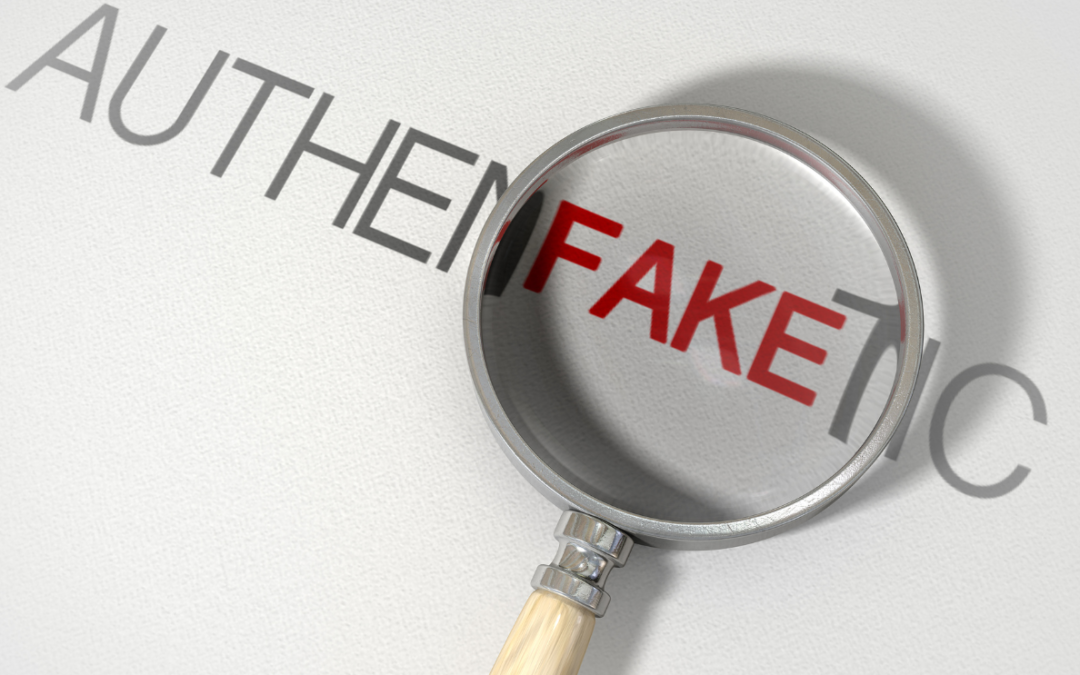
Counterfeiting remains one of the biggest threats to Kenyan businesses. Fake goods undermine innovation, erode consumer trust, and can even endanger public health.
Recognizing this, the Kenya Industrial Property Institute (KIPI) has stepped up its anti-counterfeit efforts through strategic partnerships, legal tools, and public education.
This article explains how KIPI is strengthening anti‑counterfeiting measures and why this matters for Kenyan innovators, MSMEs, and the economy at large.
Why Counterfeiting Is a Major Concern in Kenya
-
Counterfeit trade costs Kenya an estimated KSh 153 billion annually, according to the Anti‑Counterfeit Authority (ACA).
-
The head of ACA also warns that fake goods, especially medicines, present a serious public health risk.
-
Globally, intellectual property theft and counterfeiting are valued at over USD 500 billion, with about 30% of counterfeits now sold online — making the challenge more urgent.
In response, KIPI has reinforced its role in intellectual property (IP) enforcement.
KIPI’s Strategic Collaboration with the Anti‑Counterfeit Authority (ACA)
KIPI is working hand-in-hand with the Anti‑Counterfeit Authority (ACA) to drive a robust, multi-layered strategy against IP theft.
Key pillars of this collaboration include:
-
Public Outreach and Training
Together, KIPI and ACA run campaigns to educate consumers about the dangers of counterfeit goods.
-
IP Rights Recordation
KIPI encourages IP owners to record their rights (like trademarks, patents, designs) with the ACA.
-
This recordation system helps customs and border enforcement detect and intercept counterfeit goods at import points.
-
Since January 2023, importing goods bearing unrecorded IP rights is punishable under Kenyan law.
-
Enforcement Support
-
KIPI provides critical evidence in legal cases by supplying certificates of trademarks, patents, designs, and utility models.
-
These certificates strengthen court prosecutions against counterfeiters.
Strengthening the Enforcement Ecosystem
KIPI’s anti‑counterfeit approach is not limited to awareness. It actively supports enforcement through inter-agency cooperation:
Raising Awareness During World Anti‑Counterfeit Day
Each year during World Anti‑Counterfeit Day, KIPI plays a lead role in public events aimed at raising awareness.
-
In 2025, the World Intellectual Property Organization (WIPO) Director-General visited Kenya, calling on Kenyans to be vigilant about illicit trade.
-
KIPI’s board chairman, Allan Kosgey, emphasized the economic and health risks posed by counterfeits and reaffirmed KIPI’s commitment to enforcement.
Legal and Regulatory Tools Backing KIPI’s Efforts
KIPI’s anti-counterfeit work rests on a strong legal foundation:
-
The Anti‑Counterfeit Act (2008) prohibits the importation and trade of unrecorded IP-protected goods.
-
Under this law, failure to declare IPRs or importing goods with unrecorded rights can lead to severe fines.
-
Also, in 2024, Kenya released a major enforcement report via the ISIPPE‑2 International Symposium, highlighting improved institutional cooperation and stronger consumer protections.
Why These Measures Matter for Kenyan Innovators and Businesses
KIPI’s strengthened anti-counterfeit actions deliver real benefits to Kenyan economic actors:
-
Innovators and MSMEs can operate with confidence, knowing their IP is enforced and protected.
-
Consumers gain better protection from dangerous fake products, especially in sectors like pharmaceuticals.
-
Investors gain trust in Kenya’s IP regime and are more likely to back local brands.
-
Local industry can scale without unfair competition from counterfeit imports.
Challenges and the Road Ahead
Despite progress, KIPI’s anti-counterfeit mission still faces obstacles:
-
Low IP awareness: Many small businesses remain unaware of the recordation process.
-
Resource constraints: Enforcement agencies may lack sufficient manpower or funding.
-
Online counterfeits: As more counterfeiting happens on digital platforms, detection becomes more complex.
-
Governance tensions: Recent reports suggest internal governance issues at KIPI, which could undermine public trust.
How Kenyan Businesses Can Leverage KIPI’s Anti‑Counterfeit Framework
Here are practical steps for businesses and innovators to benefit from KIPI’s strengthened IP enforcement:
-
Record Your IP Rights with the ACA via KIPI to ensure border protection.
-
Register Your Trademark, Patent or Design early to build a legal shield.
-
Engage in KIPI-ACA Training to understand how to use anti-counterfeit tools.
-
Monitor Imports and Distributors: Use recordation data to flag potential counterfeit risks.
-
Collaborate on IP Enforcement: Report suspected counterfeits to KIPI and ACA for action.
Counterfeiting threatens Kenya’s innovation ecosystem, consumer safety, and economic growth.
By deepening its anti‑counterfeit measures, KIPI is making a meaningful stand — working with ACA, the police, customs, and other agencies to protect IP rights. These efforts not only defend Kenyan businesses but also strengthen public trust and attract investment.
If you’re an innovator or entrepreneur looking to protect your brand, reach out to Clarity Pharma Consultancy.
We provide expert guidance on IP registration, recordation, and enforcement strategies tailored to Kenya’s legal landscape — so you can build your business with confidence.
FAQs

by Mr. Maroa Noa | Nov 18, 2025 | Legal Framework, Marketing, Risk Management
Innovation powers growth in Kenya. At the heart of that growth lies intellectual property (IP). The Kenya Industrial Property Institute (KIPI) collects data that reveal how active Kenya is in patenting, branding and design.
In this article, we explore that data, draw insights and show how businesses, entrepreneurs and creators can act.
What is KIPI and what does it do?
KIPI oversees industrial property rights in Kenya. These rights include patents, industrial designs, utility models and trademarks.
According to its strategic plan, the Institute aims to facilitate registration of rights, promote inventiveness and support MSMEs.
By managing applications, registrations and information services, KIPI serves as a key player in Kenya’s innovation ecosystem.
The numbers at a glance – KIPI’s statistics
KIPI publishes IP statistics from 2000 to 2022.
Some highlights:
-
Patent applications from Kenyan residents rose from 41 in 2007 to over 3,600 by 2021.
-
Trademark applications show steady activity; for example, national applications reached 2,459 over the period.
-
Industrial design registrations by Kenyan residents climbed to 366 over the period.
These trends suggest greater awareness of IP protection among innovators and businesses.
Key trends in Kenya’s IP filings
Trademark registrations leading the way
Trademarks consistently dominate filings. Many businesses engage in branding before advanced research and development. This preference shows a strong culture of protecting names and marks.
Growing patent activity, but still gaps
Patent filings by Kenyan residents show growth, yet remain lower compared with more developed systems. According to one study, Kenya “has exhibited low levels of patenting over the years”. That signals room for local innovators to step up.
Rise in industrial design protection
Design registrations—covering visual features of products—have also increased. This trend aligns with Kenya’s growing creative and manufacturing sectors.
Local vs. foreign applicants
Data show a large share of filings from non-residents or international applicants via regional systems.
This means Kenyan innovators face both opportunity and competition.
What these statistics reveal about the innovation ecosystem
The numbers tell several stories:
-
Entrepreneurial awareness: Rising filings show that more Kenyan businesses recognise IP value.
-
Brand-centric growth: The high trademark numbers reflect strong focus on branding and market entry.
-
Innovation gap: Lower patent numbers indicate fewer locally originated inventions obtaining protection.
-
Global interconnectedness: Use of regional patent systems and foreign filings show Kenya’s linkage to international networks.
Drivers shaping Kenya’s IP landscape
Several forces influence these outcomes:
-
Government policy encouraging innovation and industrialisation.
-
Growth of start-up culture, especially in Nairobi and tech hubs.
-
Increased access to education, research institutions and innovation support.
-
Platforms like KIPI’s e-services making registration more accessible.
-
Demand for Kenyan brands and products domestically and internationally.
Challenges for IP uptake in Kenya
Despite positive trends, obstacles remain:
-
IP awareness among smaller enterprises remains low. A KIPI survey found 69% of respondents were business enterprises, yet many lacked registration
-
The gap between registration and commercialisation is large. One report noted only about 55% of registered industrial property rights are meaningfully commercialised
-
Institutional constraints such as staffing, capacity and automation hamper efficiency.
-
Costs, complexity and time delays can discourage applicants.
Why IP statistics matter for businesses and creators
When you understand IP statistics, you gain strategic insight. For example:
-
You can benchmark where Kenya stands in terms of innovation.
-
You can identify sectors showing growth (e.g., design registrations) and align your efforts accordingly.
-
You can inform your IP strategy: whether to focus on trademark, design or patent protection.
-
Policy makers and support agencies can allocate resources more effectively based on data.
How innovators and businesses can act now
-
Conduct an IP audit: identify what ideas, brands or designs you own or should protect.
-
For a start-up or MSME, register trademarks early to secure brand value.
-
For inventions, evaluate whether patenting is appropriate and file via KIPI.
-
Use industrial design registration when your product has distinctive appearance features.
-
Monitor KIPI’s statistics and reports to spot growth areas or gaps.
-
Consider commercialisation as part of your IP strategy—not just registration.
-
Engage experts when required—for example, to navigate technical or legal elements.
Kenya is advancing in its intellectual property journey. The data from KIPI reveal both promise and areas needing attention. For entrepreneurs, brands and innovators, the message is clear: safeguard your IP, align with growth sectors, and use the insights to compete.
If you require tailored IP strategy, registration support or commercialisation counselling, get in touch with Clarity Pharma Consultancy. Their team specialises in IP alignment, innovation readiness and strategic positioning in Kenya’s evolving ecosystem.
FAQs
by Mr. Maroa Noa | Nov 18, 2025 | Marketing, Operations, Risk Management
KIPI’s Industrial Property Tribunal recently issued a groundbreaking ruling in a utility model case. This decision could reshape how innovators protect incremental inventions in Kenya.
For many small inventors and businesses, the ruling offers clarity, protection, and a stronger incentive to rely on utility models. In this article, we unpack what this precedent means and how Kenyans can leverage it.
What Is a Utility Model?
A utility model is a form of intellectual property right. In Kenya, it protects technical inventions that improve functionality, manufacturing, or use.
Unlike patents, utility models do not require an inventive step — only novelty and industrial applicability.
They are sometimes called “petty patents” or “mini-patents” because they are cheaper, faster to grant, and more accessible to small inventors.
According to KIPI, the certificate for a utility model lasts 10 years and is not renewable.
Understanding KIPI’s IP Tribunal
KIPI (Kenya Industrial Property Institute) oversees the registration of patents, trademarks, industrial designs, and utility models.
Its IP Tribunal handles disputes related to industrial property. The Tribunal can adjudicate on revocation, invalidation, license issues, and other IP conflicts.
This makes it a vital institution for enforcing IP rights in Kenya. KIPI’s authority extends under the Industrial Property Act (IPA), Cap 509.
The Landmark Utility Model Case: What Happened
In this particular case, the Tribunal made a precedent-setting decision on a utility model dispute. While KIPI does not always publicly publish full Tribunal decisions, the implications are clear: the Tribunal affirmed the enforceability of utility model certificates even in complex technical disputes.
-
The applicant held a utility model certificate covering a technical improvement.
-
A third party contested the validity or scope.
-
The Tribunal ruled in favor of the utility model holder, strengthening the legal certainty around utility models.
-
This ruling sends a strong signal that utility models are not second-class IP: they can be robustly defended.
Why This Precedent Matters for Innovators and SMEs
This decision carries significant implications for Kenyan innovators, especially small and medium enterprises:
-
Stronger Legal Assurance
Innovators can now rely on utility model certificates with more confidence, knowing they can defend them in Tribunal.
-
Lower Barrier to Entry
Since utility models require only novelty and industrial applicability, more inventors can secure protection.
-
Faster Protection
Utility models often register faster than patents.
-
Cost-Effective Tool
The application process for utility models generally costs less than for full patents, making IP protection more affordable for smaller players.
-
Incentive to Innovate
With the Tribunal’s backing, innovators may be more willing to develop and protect incremental improvements, fueling grassroots innovation and technical progress.
Challenges and Considerations to Keep in Mind
Even with this ruling, innovators should be aware of certain challenges:
-
No Substantive Examination: KIPI currently does not always carry out thorough substantive examination for utility model applications.
-
Limited Duration: The 10-year protection cannot be renewed.
-
Territorial Scope: Utility models apply only within Kenya. To protect innovation in other countries, one must file in each relevant jurisdiction.
-
Enforcement Costs: Defending a utility model in Tribunal or court can be costly, especially for SMEs.
-
Strategic Trade-Off: Converting between a patent and a utility model is possible, but it requires careful planning.
How Innovators Can Take Advantage of This Precedent
Here are key steps innovators should consider:
-
Perform an IP Audit
Review your inventions and assess which might qualify as utility models.
-
File Early
Submit a utility model application with KIPI before public disclosure.
-
Use a Professional Consultant or Attorney
Getting expert help can ensure your application is properly drafted and defended.
-
Prepare for Disputes
Be ready to defend your utility model in the Tribunal, especially in light of this precedent.
-
Monitor Validity
Keep track of maintenance and renewal (where applicable), and plan ahead for expiration.
-
Combine Strategies
Consider converting a utility model application into a patent (or vice versa) depending on your business strategy.
KIPI’s IP Tribunal’s recent ruling marks a turning point for utility models in Kenya. By affirming their enforceability in significant disputes, the Tribunal has strengthened the value of utility models for innovators, especially SMEs.
This is a welcome development for Kenya’s innovation ecosystem.
If you are an innovator or business navigating intellectual property, you do not have to go it alone. Clarity Pharma Consultancy offers expert consultation on IP strategy, utility model applications, and defense in disputes. Reach out today to ensure your innovations are properly protected.
FAQs
by Mr. Maroa Noa | Nov 15, 2025 | Law, Marketing, Risk Management
Why Patent Protection Matters
Innovation powers growth, and protecting new ideas is essential for inventors, researchers, and entrepreneurs. In Kenya, the Kenya Industrial Property Institute (KIPI) is the key body that grants patents and defends inventors’ rights. By understanding how to apply for a patent, maintain it, enforce it, and commercialise your innovation, you can turn your idea into a valuable asset.
What Can Be Patented in Kenya?
Under Kenyan law, a patent protects an invention that offers a technical solution to a problem. According to KIPI’s guidelines, an invention must satisfy three core tests:
-
Novelty: The invention must be new and not previously disclosed.
-
Inventive Step: It must not be obvious to someone skilled in the relevant technical field.
-
Industrial Applicability: It should be capable of being produced or used in some kind of industry.
However, not everything qualifies. KIPI explicitly excludes from patent protection: discoveries, scientific theories, mathematical methods, business methods, and purely aesthetic designs.
Filing a Patent Application with KIPI
To start, inventors must complete Form IP3, available from KIPI’s official site.
Your application should include:
-
A clear and detailed description of the invention
-
One or more claims that define what you want to protect
-
Drawings, if needed
-
A brief abstract summarising the technical essence of the invention
If you already filed for this invention in another country, you can claim priority under the Paris Convention, provided you file in Kenya within 12 months of the original application.
The Patent Application Process: Step by Step
-
Submission — You submit Form IP3, plus the description, claims, drawings (if any), and abstract.
-
Formal Examination — KIPI checks whether your application is complete and compliant with its formal requirements.
-
Publication — After 18 months, the application is published in the Kenya Industrial Property Journal.
-
Substantive Examination — The Institute then conducts a thorough review to assess novelty, inventive step, and industrial applicability.
-
Opposition Period — Once published, the public can lodge an opposition within 60 days.
-
Grant and Certification — If there is no valid opposition (or it’s resolved), KIPI grants the patent and issues a certificate.
Maintaining Your Patent in Kenya
After grant, a Kenyan patent is valid for 20 years from the filing date.
However, you must pay annual maintenance fees starting in the second year. Failure to pay these can lead to lapsing. If your patent lapses, you may apply for reinstatement via Form IP17, subject to the conditions and deadlines established by KIPI.
Enforcing Patent Rights
With a granted patent, the owner enjoys exclusive rights to:
others cannot do these without permission. If someone infringes, you can enforce your rights through:
-
Injunctions to stop the infringing activity
-
Damages to recover financial loss
-
Seizure or destruction of infringing products
For serious counterfeiting, patent holders often engage the Anti-Counterfeit Authority (ACA), which works closely with law enforcement.
Commercialising Your Patent
A patent can become more than just legal protection — it can power a business. Here are key strategies:
-
Licensing: You can grant rights to third parties in exchange for royalties.
-
Joint Ventures: Partner with companies to develop, manufacture, or distribute your invention.
-
Selling the Patent: You may transfer your patent to another entity.
-
Launching a Startup: Build a business around your patented innovation.
For global reach, consider filing via the Patent Cooperation Treaty (PCT), or using regional/international IP systems.
Support for Inventors: KIPI & WIPO
KIPI collaborates with partners to support inventors throughout the patent journey. Their programs include:
-
Training and workshops on drafting and filing patents
-
Patent search assistance to check for prior art.
-
Technology and Innovation Support Centers (TISCs) across Kenya
-
The Inventor Assistance Program (IAP), run in partnership with WIPO, which offers pro bono patent attorney support to inventors who lack resources.
The IAP in Kenya operates under clear eligibility criteria, such as annual turnover limits for micro and small enterprises.
Turning Ideas into Assets
Patents offer more than legal protection — they transform inventions into marketable, investable assets. Through KIPI’s structured and transparent process, inventors in Kenya can navigate the system confidently. Whether you’re an individual innovator or building a scalable business, securing a patent gives your idea the recognition and rights it deserves.
FAQs