by Mr. Maroa Noa | Nov 25, 2025 | Legal, Operations, Risk Management, Strategy
Ensuring the quality of medicines is essential for protecting public health. In Kenya, the Pharmacy and Poisons Board (PPB) serves as the national regulatory authority responsible for safeguarding the quality, safety, and efficacy of all medical products circulating in the country.
One of the Board’s most important functions is batch release testing, a quality assurance procedure that verifies whether every batch of a medicine meets the required standards before entering the market.
This article explains how batch release testing works, why it matters, and how PPB strengthens Kenya’s pharmaceutical safety landscape.
Understanding Medicines Quality Assurance in Kenya
Medicines quality assurance refers to the systems and processes used to ensure that medicines consistently meet the standards required for safe use. PPB oversees this responsibility as mandated under the Pharmacy and Poisons Act, Cap 244.
Quality assurance covers many aspects of the product lifecycle, including:
-
Manufacturing quality
-
Storage and distribution
-
Laboratory testing
-
Post-market surveillance
Batch release testing is a key component of this framework.
What Is Batch Release Testing?
Batch release testing is the process where regulatory authorities evaluate laboratory test results from each batch of a medicine before approving it for distribution. This verification ensures that the product meets all specified quality requirements, such as potency, purity, and stability.
Manufacturers submit:
-
Certificates of analysis
-
Quality control results
-
Compliance evidence
-
Product specifications
PPB assesses these documents and may conduct independent laboratory testing to confirm the results.
Why Batch Release Testing Matters
Batch release testing protects the public from unsafe or substandard medicines. It also strengthens trust in the healthcare system by ensuring that medicines available in pharmacies, hospitals, and clinics are safe and effective.
It helps prevent:
Through this process, PPB reduces the risk of adverse events and ensures compliance with national and international quality standards.
PPB’s Mandate in Medicines Quality Control
PPB evaluates every batch of certain high-risk medical products, including vaccines, biologicals, and sterile preparations. Its authority draws from national laws and global best practices recommended by the World Health Organization (WHO).
The Board undertakes several activities during batch release testing:
-
Reviewing documentation for completeness
-
Analyzing laboratory data
-
Conducting physical and chemical verification
-
Confirming packaging and labeling specifications
-
Approving or rejecting the batch for use
These actions ensure that only high-quality products reach the Kenyan market.
How PPB Conducts Batch Release Testing
PPB follows a structured process to guarantee accuracy and fairness.
1. Submission of Batch Documentation
Manufacturers or importers submit a certificate of analysis and supporting data. The information describes the quality attributes of the batch and must comply with established specifications.
2. Verification of Compliance
PPB reviews each document to confirm compliance with regulatory standards. The Board checks for consistency, completeness, and accuracy.
3. Laboratory Testing (When Required)
PPB may send samples to accredited laboratories for further analysis. These tests confirm the results provided by the manufacturer and ensure that no critical issues were overlooked.
4. Evaluation of Test Results
PPB assesses the combined evidence to determine whether the batch meets safety and quality requirements.
5. Issuance of Batch Release Certificate
If the batch complies, PPB issues a release certificate. The batch can then be distributed within Kenya.
If not, PPB rejects it and takes corrective action, which may include recalls or destruction.
Products That Require Mandatory PPB Batch Release
Certain categories of medicines undergo mandatory batch release testing due to their high-risk nature. These include:
These products require strict quality assurance because even minor deviations can cause severe harm.
The Role of Laboratories in Batch Release Testing
PPB collaborates with accredited laboratories to verify product quality. These labs use standard analytical techniques such as:
This cooperation enhances transparency and ensures scientific integrity during the evaluation process.
Batch Release Testing and Public Health Protection
By enforcing batch release testing, PPB significantly improves public health outcomes. Substandard or falsified medicines can lead to treatment failure, antimicrobial resistance, or life-threatening side effects. Batch release testing minimizes these risks.
The Board also contributes to global security frameworks, aligning Kenya with WHO standards on pharmaceutical regulation.
Common Challenges in the Batch Release Process
Although essential, batch release testing may face challenges such as:
-
Delays in document submission
-
Insufficient laboratory capacity
-
Incomplete quality control data
-
Shortages of testing materials
-
Inconsistent manufacturer compliance
PPB continually strengthens its systems to address these issues through automation, capacity building, and digital transformation.
How Clarity Pharma Consultancy Can Support You
Clarity Pharma Consultancy helps pharmaceutical businesses meet PPB requirements with ease. The consultancy offers guidance on batch release preparation, regulatory submissions, and compliance improvement.
If you need expert support in navigating PPB procedures, Clarity Pharma Consultancy provides reliable and professional assistance to keep your pharmaceutical operations compliant and efficient.
Batch release testing plays a vital role in ensuring medicines circulating in Kenya meet the highest quality standards. PPB continues to safeguard public health by verifying every high-risk batch before distribution.
This process strengthens the healthcare system, protects consumers, and aligns Kenya with global regulatory expectations.
Pharmaceutical businesses must understand and comply with these requirements to ensure their products remain safe, legal, and market-ready.
FAQs
by Mr. Maroa Noa | Nov 25, 2025 | Operations, Risk Management, Strategy
Pharmaceutical waste remains one of the most challenging categories of healthcare waste worldwide. Hospitals, pharmacies, and medical facilities generate large volumes of expired, unused, or contaminated medicines each year.
If this waste enters the environment, it can damage ecosystems, contaminate water sources, and harm communities. Fortunately, recycling innovations now allow the sector to turn some of this hazardous waste into useful resources.
This article explains how pharmaceutical waste recycling works, why it matters, and how healthcare facilities can adopt safer, more sustainable systems.
Understanding Pharmaceutical Waste
Pharmaceutical waste includes expired drugs, damaged medicines, contaminated packaging, and substances that can no longer be used.
These products may contain chemicals that remain active even after disposal. Consequently, poor waste handling can lead to environmental contamination or accidental poisoning.
Many countries classify pharmaceutical waste as hazardous because it poses chemical, biological, and ecological risks. According to the World Health Organization (WHO), a significant portion of healthcare waste is potentially harmful when not managed properly.
Why Recycling Matters in Pharmaceutical Waste Management
Recycling pharmaceutical waste reduces the burden on landfills and prevents toxic substances from entering water bodies. It also encourages responsible consumption and long–term environmental protection.
When waste is recycled correctly, healthcare facilities can reduce disposal costs and minimize regulatory penalties.
Beyond environmental benefits, recycling strengthens public trust. Communities feel safer knowing that healthcare providers handle waste responsibly and follow global safety standards.
Types of Pharmaceutical Waste That Can Be Recycled
Several pharmaceutical waste categories can enter recycling streams when managed under strict guidelines.
1. Non-Hazardous Pharmaceutical Waste
Some medicines are considered non-hazardous. These include certain over-the-counter products and non-toxic formulations. These materials may undergo chemical neutralization or repurposing.
2. Medicine Packaging
Plastic, glass, aluminum, and cardboard used to store medicines can be recycled after proper cleaning. Packaging waste forms one of the largest volumes in the pharmaceutical supply chain.
3. Solvents and Chemicals Used in Manufacturing
Pharmaceutical manufacturers often recycle solvents to reduce chemical waste and production costs. Solvent recovery has become a standard practice in modern pharmaceutical plants.
4. Sharps and Clinical Plastics (When Treated Safely)
Although designed for single use, some clinical plastics undergo high-temperature sterilization and recycling to create industrial materials.
How Pharmaceutical Waste Recycling Works
The recycling process involves several controlled steps designed to neutralize risk while extracting value.
Step 1: Waste Segregation
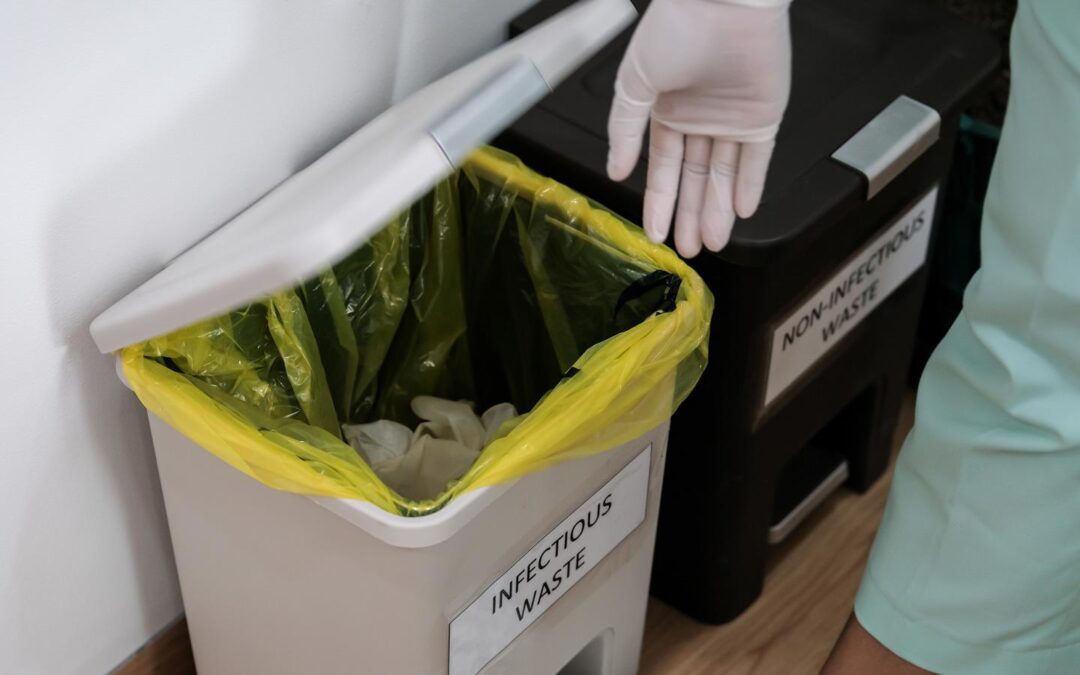
Healthcare professionals sort waste at the point of generation. Proper labelling prevents mixing hazardous and non-hazardous materials. Accurate segregation ensures safety and improves recycling efficiency.
Step 2: Collection and Safe Containment
Facilities store waste in color-coded, clearly labelled containers. This prevents accidental exposure and helps waste handlers identify the correct processing method.
Step 3: Transportation to Certified Treatment Facilities
Authorized companies transport waste using sealed vehicles with proper documentation. Compliance with national regulations protects workers and the environment.
Step 4: Treatment and Recycling
Treatment facilities use methods such as chemical neutralization, shredding, autoclaving, incineration with energy recovery, or solvent extraction. Some processes convert waste into raw materials for manufacturing or energy generation.
Step 5: Final Product and Resource Recovery
Recycling yields products like reusable plastics, metal components, recovered solvents, or energy through waste-to-heat technologies.
Environmental and Economic Benefits of Pharmaceutical Waste Recycling
Recycling reduces the amount of hazardous material entering the environment. It also lowers methane emissions, protects water bodies, and decreases soil pollution. These advantages support sustainable healthcare systems.
Economically, facilities save money by reducing waste disposal fees. Manufacturers also benefit from solvent recovery, which cuts production costs. The broader economy gains through job creation in waste management and recycling industries.
Global Standards and Guidelines Supporting Waste Recycling
International bodies such as WHO, UNEP (United Nations Environment Programme), and national regulatory boards emphasize proper waste treatment. WHO’s Safe Management of Wastes from Health-Care Activities provides guidelines for segregation, treatment, and recycling.
UNEP also promotes circular economy principles, encouraging countries to convert pharmaceutical waste into productive resources.
These references help countries strengthen their regulatory frameworks.
Challenges Facing Pharmaceutical Waste Recycling
Despite progress, the sector faces several challenges. Limited awareness remains a major barrier, especially in developing countries. Some healthcare facilities lack training or resources to enforce proper waste segregation.
In addition, not all pharmaceutical waste is recyclable. Highly toxic substances require specialized destruction instead.
Infrastructure gaps also limit recycling efforts. Waste treatment plants are often located far from rural health facilities, making transport expensive. Finally, weak enforcement of regulations leads to inconsistent compliance.
How Healthcare Facilities Can Improve Waste Recycling Practices
Healthcare providers can strengthen their systems using simple but effective strategies.
-
Train staff regularly on waste categories and disposal rules.
-
Use color-coded containers and clear labelling.
-
Partner with licensed waste handlers.
-
Conduct internal audits to identify gaps in segregation or documentation.
-
Adopt digital waste tracking tools to improve accountability.
-
Display waste management guidelines in key working areas.
These steps create a safer, cleaner, and more compliant healthcare environment.
Sustainable Innovations Shaping the Future of Pharmaceutical Waste Recycling
Modern technologies are transforming how pharmaceutical waste is recycled. Waste-to-energy systems convert hazardous waste into heat and electricity.
Advanced chemical reactors help recover solvents with higher efficiency. Some companies now use biodegradable packaging to reduce plastic waste.
Continuous innovation will strengthen circular economy models and support global sustainability goals.
How Clarity Pharma Consultancy Can Help
Healthcare facilities often struggle to navigate pharmaceutical waste regulations. Clarity Pharma Consultancy offers expert guidance on waste compliance, staff training, internal audits, and best practices for safe disposal.
Their team helps facilities align with regulatory standards and implement effective recycling systems. This support improves safety, protects the environment, and strengthens legal compliance without sounding overly promotional or sales-driven.
Pharmaceutical waste recycling transforms health risks into valuable resources. It protects the environment, safeguards communities, and strengthens healthcare systems.
As the sector grows, adopting structured recycling methods will remain essential for sustainable public health. Healthcare facilities that embrace compliance and partner with professionals can achieve safer and greener operations.
FAQs

by Mr. Maroa Noa | Nov 25, 2025 | Legal, Marketing, Operations, Risk Management
Inventory management has become a major determinant of success for pharmacies in Kenya. A well-optimized inventory ensures that essential medicines remain available, losses remain low, and patients receive timely care.
As the pharmaceutical sector grows, many pharmacy owners now recognize that smart stock strategies reduce operational costs while improving service quality.
This article explains practical and effective ways Kenyan pharmacies can optimize inventory using simple processes and modern tools.
Understanding Inventory Optimization in Pharmacies
Inventory optimization means maintaining the right quantity of medicines and supplies, at the right time, and at the lowest possible cost.
When pharmacies get this balance right, they avoid stockouts, reduce wastage, and improve profitability.
Pharmacies in Kenya face unique challenges such as fluctuating demand, supplier delays, and regulatory requirements. Therefore, adopting smart inventory methods is essential for daily operations.
Why Inventory Management Matters for Kenyan Pharmacies
Effective stock management directly influences patient care. When a pharmacy runs out of essential medicines, patients suffer.
Additionally, poor inventory systems often lead to expired products, unnecessary purchases, and financial losses.
A well-structured stock process boosts operational efficiency. It also supports compliance with the Pharmacy and Poisons Board (PPB) requirements on proper storage and handling of pharmaceutical products.
Key Principles of Smart Stock Management
1. Track Stock Levels Consistently
Frequent tracking allows pharmacies to understand what sells fast and what stays on the shelf.
This insight helps owners adjust purchasing decisions and avoid excess stock.
2. Use Demand Forecasting
Demand forecasting predicts how much stock you need based on past sales trends.
It becomes easier to estimate order quantities and prepare for seasonal demand changes.
3. Implement the ABC Analysis
The ABC method categorizes products based on their value and movement:
-
A-items: High-value, fast-moving medicines
-
B-items: Moderate value and turnover
-
C-items: Low-cost, slow-moving items
This classification helps pharmacies allocate budget and storage space effectively.
4. Maintain Safety Stock for Critical Medicines
Safety stock protects pharmacies from unexpected supplier delays or sudden demand spikes.
Critical drugs—such as antihypertensives, antidiabetics, and emergency medicines—should always have buffer stock.
Technology and Digital Tools for Smarter Inventory
Technology has transformed inventory management across Kenya.
Digital systems reduce manual errors and support better decision-making.
Common Digital Tools Used by Pharmacies
-
POS systems with stock modules
-
Inventory management software
-
Barcoding and scanning tools
-
Automated expiration tracking solutions
These tools allow pharmacy teams to track stock movement in real time. They also generate reports that show trends and highlight low-performing products.
Benefits of Digital Tools
-
Increased accuracy
-
Reduced workload
-
Better planning
-
Faster audits
Pharmacies that adopt digital systems often report improved revenue because they minimize stock losses and avoid expired items.
Strategies to Prevent Expiry and Wastage
Expired medicines result in heavy financial losses. They also create compliance risks.
Below are simple strategies that help reduce wastage:
First-Expire, First-Out (FEFO)
Arrange medicines by expiry date. Items that expire first should be sold first.
Regular Shelf Audits
Frequent inspections help identify slow-moving items early.
This allows the pharmacist to reorder wisely or offer promotions before products expire.
Supplier Coordination
Building strong relationships with suppliers ensures timely deliveries and flexible return policies for short-dated medicines.
Stock Replenishment Techniques for Efficiency
Pharmacies use different replenishment methods depending on their size and demand.
Below are the most effective options:
1. Minimum–Maximum System
Set a minimum level that triggers reordering and a maximum level that prevents overstocking.
2. Reorder Point (ROP) Method
This system places automatic orders when stock drops to a specific level.
ROP works well with digital tools that track consumption rates.
3. Periodic Review
Pharmacies check stock at fixed intervals and reorder based on what has sold.
This method works best for small and medium-sized pharmacies.
How Smart Inventory Improves Pharmacy Profitability
Optimized inventory directly increases profit margins. Pharmacies can reduce expired stock, avoid unnecessary purchases, and improve customer satisfaction through consistent availability of medicines.
Additionally, streamlined inventory processes reduce administrative workload, allowing the pharmacist to focus more on patient care and business growth.
Common Inventory Challenges in Kenyan Pharmacies
Despite technological growth, pharmacies still face several challenges:
Addressing these challenges requires planning, training, and the right tools.
Best Practices for Continuous Improvement
Pharmacies can maintain strong inventory systems by adopting these practices:
-
Conduct monthly physical stock counts
-
Update digital records immediately after sales
-
Train staff on stock procedures
-
Buy from PPB-approved wholesalers
-
Review consumption patterns regularly
-
Store medicines according to PPB guidelines
Consistency strengthens inventory performance and reduces costly errors.
How Clarity Pharma Consultancy Can Support Your Pharmacy
Clarity Pharma Consultancy offers expert guidance to pharmacists and pharmacy owners who want to improve their inventory systems.
They provide practical solutions such as stock audits, digital automation support, compliance assessments, and procurement guidance.
Partnering with professional consultants ensures your pharmacy maintains efficiency and meets regulatory expectations without stress.
For tailored pharmacy support, you can consult Clarity Pharma Consultancy for guidance on smarter stock management and compliance optimization.
Smart inventory practices improve efficiency, reduce costs, and enhance patient care in Kenyan pharmacies.
By using digital tools, analyzing demand trends, and maintaining proper stock procedures, pharmacies can operate smoothly and remain competitive.
Optimizing stock is no longer optional—it’s a vital strategy for sustainable growth.
FAQs

by Mr. Maroa Noa | Nov 25, 2025 | Legal, Operations, Risk Management, Strategy
Herbal and complementary medicines have become more popular in Kenya. Many people prefer natural remedies for general wellness, chronic conditions, and preventive care. However, not every product on the market is safe.
Because of this, the Pharmacy and Poisons Board (PPB) plays a central role in regulating these medicines.
Their goal is clear: protect consumers by ensuring that all herbal and complementary products sold in Kenya meet acceptable quality, safety, and packaging standards.
This article explains how the PPB regulates these products, the steps involved, and what consumers and manufacturers should know.
Understanding Herbal and Complementary Medicines
Herbal and complementary medicines include plant-based preparations, nutritional supplements, traditional remedies, and wellness products. These medicines often contain natural ingredients, but “natural” does not always mean “safe.”
Some herbs can interact with prescription medicines. Others may contain contaminants, improper dosages, or misleading claims.
Because of these risks, the PPB regulates these products under Kenya’s statutory framework for medical products.
Why Regulation Matters
Regulation ensures that consumers get safe products. It also protects legitimate manufacturers from counterfeiters who exploit weak oversight.
Additionally, regulation provides:
These measures help the public make informed health choices and reduce preventable harm.
The PPB’s Mandate in Regulating Herbal and Complementary Medicines
The Pharmacy and Poisons Board acts as Kenya’s official regulator for medical products. Under the Pharmacy and Poisons Act (Cap 244), PPB oversees the importation, manufacturing, distribution, labeling, and sale of herbal and complementary medicines in the country.
Their oversight focuses on four pillars:
-
Product registration
-
Safety and quality testing
-
Market surveillance
-
Post-market monitoring
1. Product Registration and Approval
Before any herbal or complementary medicine enters the Kenyan market, PPB requires manufacturers or distributors to submit an application for evaluation. This process helps determine whether the product is safe and fit for public use.
Key registration requirements include:
-
Detailed product formulation
-
Manufacturing process details
-
Evidence of safety from toxicology data
-
Labeling and packaging information
-
Shelf-life and stability data
PPB evaluates whether the ingredients meet acceptable safety standards. They also ensure that product labels contain accurate information, proper dosage instructions, and relevant warnings.
2. Safety and Quality Testing
After registration, PPB conducts laboratory testing to confirm the quality of herbal medicines. The tests check for contaminants, heavy metals, microorganisms, pesticide residues, and adulterants.
These tests help prevent:
-
Contaminated or substandard herbal products
-
Products with undeclared pharmaceutical ingredients
-
Toxic plant compounds
-
Harmful chemical residues
Testing protects consumers from dangerous products that may look “natural” but contain unsafe elements.
3. Market Surveillance and Inspections
PPB teams regularly conduct surveillance in pharmacies, herbal shops, supermarkets, and online platforms. Their goal is to ensure products sold comply with regulatory requirements.
Surveillance activities include:
-
Checking registration status
-
Ensuring proper labeling
-
Inspecting storage conditions
-
Verifying advertisements and product claims
-
Seizing unregistered or counterfeit products
This proactive approach reduces the circulation of illegal medicines and strengthens consumer protection.
4. Post-Market Safety Monitoring (Pharmacovigilance)
Even after products are approved, PPB continuously monitors their safety. They rely on adverse reaction reports from consumers, healthcare providers, and manufacturers.
When the Board identifies safety concerns, they may:
-
Issue safety alerts
-
Recall products
-
Suspend registration
-
Review product labels
Ongoing monitoring ensures that risks are detected early and managed effectively.
Labeling Requirements for Herbal Medicines
Proper labeling helps consumers use the product safely. PPB requires labels to include:
Clear labeling prevents misuse and empowers consumers to make informed choices.
Common Misconceptions About Herbal Medicines
Although herbal medicines offer many benefits, several misconceptions can cause harm.
Frequent misconceptions include:
-
“Natural products cannot cause side effects.”
-
“Herbal medicines do not interact with prescription medicines.”
-
“All traditional remedies are safe because they have been used for years.”
PPB works to counter these myths through public education and strict regulation.
How Consumers Can Stay Safe
Consumers play a role too. You should:
-
Buy only PPB-registered products
-
Check for proper labeling
-
Avoid self-medicating with unknown traditional remedies
-
Report any side effects to the PPB
-
Seek professional guidance when unsure
By taking these steps, consumers help maintain a safer market.
How Manufacturers and Distributors Can Stay Compliant
Manufacturers should follow Good Manufacturing Practices (GMP) and ensure their products meet PPB standards. Distributors must also avoid selling unregistered or counterfeit herbal products.
Compliance not only builds trust but also protects the brand’s reputation.
How Clarity Pharma Consultancy Can Support You
If you are a manufacturer, distributor, or importer of herbal and complementary medicines, compliance can feel overwhelming.
Clarity Pharma Consultancy offers professional guidance to help you meet PPB requirements, prepare documentation, navigate registration, improve labeling, and achieve full regulatory compliance.
For expert support, reach out to Clarity Pharma Consultancy for tailored compliance solutions.
Read More
Herbal and complementary medicines will continue gaining popularity in Kenya. Because of this growth, regulation remains essential for consumer safety and product credibility.
PPB’s strict oversight ensures that every product on the market meets acceptable safety and quality standards. Manufacturers, distributors, and consumers all play a role in making the herbal market safer for everyone.
FAQs
by Mr. Maroa Noa | Nov 25, 2025 | Operations, Risk Management, Strategy
Managing medical devices in Kenya demands strict compliance with the standards set by the Pharmacy and Poisons Board (PPB). These rules protect the public, promote product quality, and ensure that only safe devices reach the market.
In recent years, PPB has strengthened regulatory oversight to align Kenya with global best practices.
As a result, manufacturers, distributors, healthcare facilities, and importers must understand and follow these guidelines carefully.
Understanding PPB’s Role in Medical Device Regulation
The Pharmacy and Poisons Board serves as the national regulatory authority for medical devices in Kenya. PPB oversees all activities related to registration, importation, distribution, installation, usage, and post-market surveillance of medical devices.
PPB’s mandate ensures that every device placed on the Kenyan market meets approved standards for safety, performance, and quality. This protects patients from device failures and promotes trust in the healthcare system.
What Counts as a Medical Device in Kenya?
PPB defines a medical device as any instrument, apparatus, implant, machine, software, or material intended for medical purposes such as:
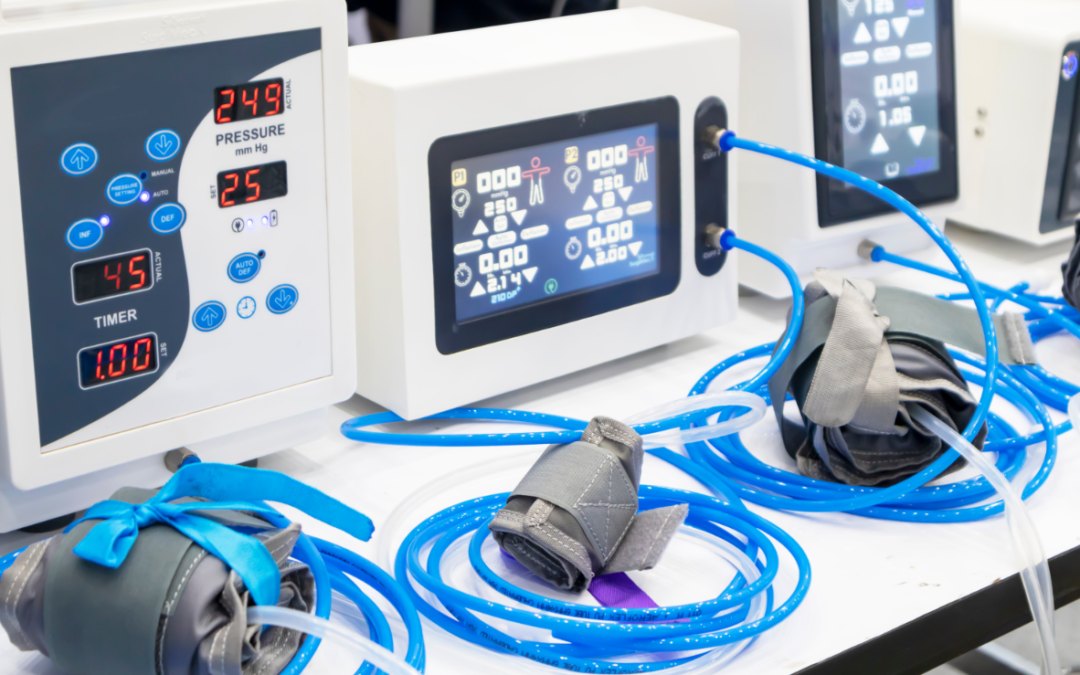
This definition includes items like syringes, blood pressure monitors, infusion pumps, surgical equipment, laboratory analyzers, and medical software.
Medical Device Classification under PPB
PPB classifies medical devices into four main categories based on risk level. Understanding this classification is essential because it determines:
-
Required documentation
-
Approval timelines
-
Registration fees
-
Post-market obligations
Class A – Low Risk
Examples: tongue depressors, surgical gloves, walking sticks.
Class B – Low to Moderate Risk
Examples: suction pumps, infusion sets.
Class C – Moderate to High Risk
Examples: ventilators, infusion pumps, neonatal incubators.
Class D – High Risk
Examples: defibrillators, heart valves, implantable pacemakers.
This classification aligns with the International Medical Device Regulators Forum (IMDRF) framework.
Registration Requirements for Medical Devices
PPB requires registration of all medical devices before placement on the Kenyan market. The process verifies product safety, quality, and compliance with technical standards.
Key Registration Requirements
-
Manufacturer authorization
-
Free Sale Certificate from country of origin
-
Quality management system documentation (e.g., ISO 13485)
-
Device description and intended use
-
Clinical evaluation or performance data
-
Risk classification
-
Labeling and packaging information
The PPB registration process is managed through the UDES (Unified Drug and Device Electronic System) platform.
Importation & Distribution Requirements
PPB regulates the importation and distribution of all medical devices. No individual or company may import devices without proper licensing.
Importation Requirements
-
Valid device registration
-
Import license for medical devices
-
Customs documentation
-
Batch traceability records
PPB also verifies that distributors maintain quality systems that ensure proper storage, transportation, and handling of medical devices.
Installation and Usage Standards
Some devices require installation and calibration before use. PPB emphasizes proper installation by qualified personnel, especially for high-risk devices such as imaging equipment.
Facilities must ensure that:
-
Installers are certified
-
User training is documented
-
Maintenance logs are kept
-
Equipment is calibrated regularly
These measures reduce operational risks and enhance patient safety.
Post-Market Surveillance (PMS)
Post-market surveillance is a key component of PPB regulation. PPB continuously monitors medical devices already in use to detect:
-
Quality issues
-
Adverse events
-
Device failures
-
Counterfeit products
Healthcare facilities must report adverse events or device malfunctions promptly. This requirement helps PPB take action, including product recalls and safety notices.
Quality Control and Compliance
To maintain compliance, facilities and distributors must establish strong internal quality systems. These systems ensure proper handling, documentation, and monitoring of all medical devices.
Critical Compliance Practices
-
Maintain updated device records
-
Keep calibration certificates
-
Report any safety concerns
-
Follow storage requirements
-
Train staff on device usage
-
Renew import licenses and registrations promptly
Continuous compliance protects both patients and healthcare providers.
Common Non-Compliance Issues and How to Avoid Them
PPB regularly identifies gaps during inspections. Understanding these common issues helps organizations avoid penalties.
Frequent Non-Compliance Areas
-
Importing unregistered devices
-
Missing calibration records
-
Poor device storage
-
Incomplete documentation
-
Failure to report adverse events
Organizations can avoid these mistakes by conducting internal audits and ensuring all documentation is up to date.
Why Compliance Matters
Compliance protects patient safety and enhances operational efficiency. It also strengthens business credibility and prevents legal penalties such as:
Following PPB guidelines ensures that healthcare providers deliver safe and reliable medical services.
How Clarity Pharma Consultancy Can Help
If you work with medical devices, navigating PPB regulations can feel overwhelming. Clarity Pharma Consultancysupports healthcare facilities, importers, and distributors by offering:
-
Guidance on device registration
-
Compliance audits
-
Documentation support
-
Importation and licensing assistance
-
PMS reporting support
-
Quality management advisory
Their expertise ensures your organization remains compliant and avoids regulatory challenges.
For consultation or regulatory assistance, consider partnering with Clarity Pharma Consultancy.
Managing medical devices under PPB regulations requires attention to detail, proper documentation, and ongoing compliance.
By understanding device classification, registration requirements, importation controls, and post-market obligations, organizations can operate safely and confidently. Staying compliant not only protects patients but also strengthens the entire healthcare system.
FAQs
by Mr. Maroa Noa | Nov 21, 2025 | Legal Framework, Marketing, Risk Management
When you hold marketing authorisation for a medicine in Kenya, it is vital to keep it updated. Regulatory authorities expect any change—minor or major—to be reported promptly. In Kenya the Pharmacy and Poisons Act (Cap 244) and the associated rules govern such changes.
This article guides you through what you must know, how you should act, and how your business can remain fully compliant.
Understanding What “Changes to Registered Medicines” Means
A “change” or “variation” refers to any alteration in a registered medicine’s details after its approval. Examples include:
-
A new manufacturing site,
-
Changes in formulation or strength,
-
Label or packaging changes,
-
Change in distribution channel or licence holder,
-
New indication or withdrawal of an indication.
Under the Rules, the Pharmacy and Poisons Board (PPB) must be notified of any alteration that could affect safety, efficacy or quality.
Staying proactive helps avoid enforcement action, delays in marketing or supply disruptions.
When Should You Submit a Change?
You should submit a variation:
-
Before implementing the change, if it is major (e.g., manufacturing site, formulation).
-
Within a defined timeframe after implementing smaller changes (e.g., labelling wording).
-
Immediately when there is a safety-related change (e.g., adverse event, defect).
Failing to notify the regulator may lead to revocation of your registration certificate.
Key Requirements for Submitting a Variation
Here are the main compliance elements when preparing your submission:
Document the Change Clearly
You must describe the change, rationale, supporting data and impact on product quality, safety or efficacy.
The PPB’s guideline emphasises structured dossiers for variations.
Refer to the Legal Framework
Ensure your submission aligns with the Pharmacy & Poisons Act (Cap 244) and Regulations.
Use the Online Portal
The PPB requires submissions through its portal (for instance for registration and renewals).
Pay Applicable Fees
Variations may carry fees or retention requirements depending on the type of change and timeframe. Consult the current fee schedule.
Keep Records and Track Changes
Document the change, internal approvals, and retain submission proof. That helps during inspections or audits.
Step-by-Step Process to Submit a Change
Here’s a practical sequence you can follow:
-
Assess the Nature of the Change
Determine whether the change is minor, major or safety-related.
Minor: packaging, non-critical labelling text.
Major: formulation, manufacturing site, indication.
Safety-related: adverse reaction, defect.
-
Prepare Supporting Data
For major changes, include technical documents: justification, validation, stability, risk assessment.
The PPB guideline highlights the need for detailed information especially for APIs and finished products.
-
Complete Variation Application Form
Log into the PPB submission portal → fill the variation request form → attach required documents.
-
Submit Payment and Application
Ensure fees are paid. Submit the form with supporting documents via the portal or according to PPB instructions.
-
Await Acknowledgement and Reference Number
The PPB assigns a submission number. Use it for tracking and communication.
-
Implement the Change (if allowed) or Wait for Approval
Some major changes require PPB approval before implementation. For minor ones, you may implement while awaiting formal acknowledgement (depending on PPB policy).
-
Monitor the Review Process
Respond to queries from PPB promptly. Delay may result in rejection or request for more data.
-
Receive Variation Approval
Upon approval, update your marketing documents, labels, packaging and supply chain accordingly.
-
Update Internal Systems and Records
Inform relevant stakeholders, update SOPs, quality systems, staff training.
Best Practices to Improve Your Submission Success
-
Use clear, active-voice language in your submission.
-
Label documents with version numbers and dates.
-
Keep paragraphs short and headings distinct for readability.
-
Provide a cover letter summarising the change.
-
Use transition words like “furthermore”, “consequently”, “therefore” to ensure flow.
-
Link to authoritative external sources to support your rationale.
-
Maintain high-quality formatting, naming conventions and consistent references.
How Clarity Pharma Consultancy Can Assist You
If you need expert support navigating variation submissions to the PPB, we can help. At Clarity Pharma Consultancy, our team guides you through regulatory classification of change, dossier preparation, submission tracking and compliance assurance. We ensure your product stays compliant and supply continuity remains intact.
FAQs