by Mr. Maroa Noa | Nov 28, 2025 | Marketing, Operations, Risk Management, Strategy
The Jua Kali Sector – A Sleeping Giant of Innovation
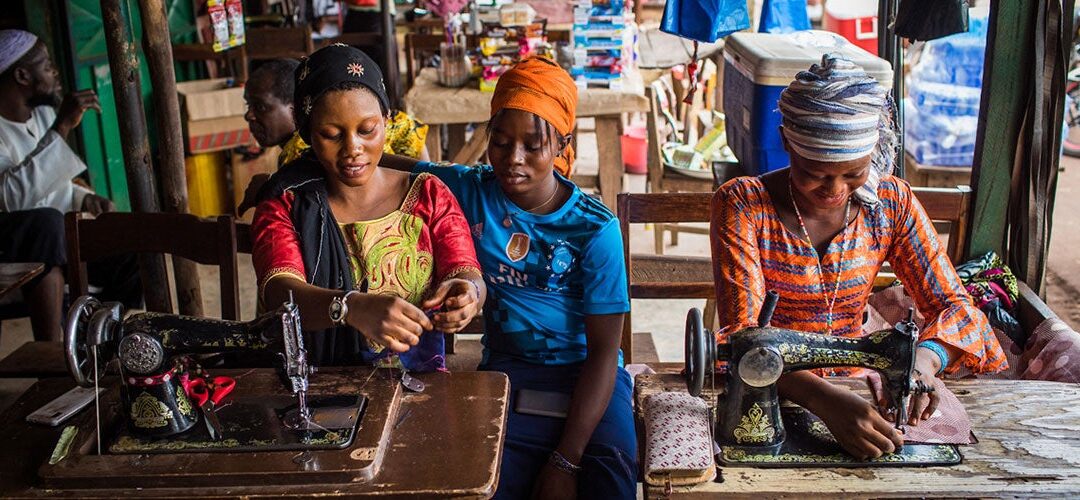
The Jua Kali sector symbolizes creativity, resilience, and hands-on ingenuity in Kenya. Artisans across the country— from metal fabricators in Gikomba to carpenters in Kariobangi—produce essential goods that millions rely on daily. The sector employs over 80% of Kenya’s workforce, making it one of the nation’s strongest economic pillars.
Despite its size and potential, many Jua Kali products struggle to access high-value markets. Limited certification, inadequate packaging, and inconsistent safety standards restrict their growth.
KEBS is now working to close this gap by supporting artisans and small enterprises to adopt standards that unlock new opportunities.
Why Informal Products Struggle to Compete
Most Jua Kali products are practical, durable, and innovative. However, many cannot compete with imported or branded goods because they lack:
-
Verified safety and durability testing
-
Standardized packaging and labels
-
Traceability systems
-
Formal business registration
Without these elements, buyers— especially supermarkets, institutions, and international markets— hesitate to stock uncertified items. The absence of certification also lowers consumer trust.
How KEBS Is Supporting the Informal Sector
KEBS has introduced several inclusive strategies to help artisans meet standards without overwhelming them. These initiatives focus on training, accessibility, and affordability.
1. Simplified Standards for MSMEs
Technical standards can be intimidating. To solve this, KEBS developed simplified guidelines written in Kiswahili and visual formats. These versions help artisans understand requirements without needing advanced technical knowledge.
2. MSME Desks and Mobile Outreach
Regional KEBS offices now host MSME help desks dedicated to serving small-scale producers. Through county-level outreach missions, KEBS teams:
-
Train Jua Kali groups on relevant standards
-
Conduct on-site advisory and pre-certification assessments
-
Connect clusters to certification and testing services
3. Affordable Testing and Subsidized Certification
KEBS collaborates with key partners such as:
-
Ministry of Trade
-
County governments
-
Ajira Digital
-
MasterCard Foundation
These collaborations support affordable testing, subsidized lab fees, and fast-tracked certification for youth and community-led enterprises.
Benefits of Formalizing Through KEBS Standards
Transitioning from informal production to certified manufacturing unlocks new opportunities.
1. Access to Supermarkets and Online Platforms
Retail chains require certification before stocking products. With proper packaging and labeling, Jua Kali products can appear in supermarkets and digital marketplaces, increasing visibility and sales.
2. Opportunities for Export
Certified goods can meet requirements under:
-
East African Community (EAC) Quality Framework
-
COMESA Harmonized Standards
-
African Continental Free Trade Area (AfCFTA) protocols
This opens access to regional and continental markets.
3. Stronger Product Reputation
Products bearing the KEBS S-Mark or Diamond Mark signal reliability. Consumers associate these marks with safety and quality, improving loyalty and repeat purchases.
4. Improved Efficiency and Reduced Waste
Standards promote consistency. Artisans who follow them reduce defects, cut waste, and improve durability. These improvements directly boost customer satisfaction.
Case Study: Kisumu Metal Fabricators Enter the Formal Market
A youth group in Kisumu provides a strong example of successful formalization. In 2022, they approached KEBS to seek compliance for their cookstoves. With structured support, the group:
-
Registered their association
-
Adopted simplified metal fabrication standards (KS 1828)
-
Received certification for their energy-saving stoves
-
Improved labeling and packaging
Today, their stoves supply county school feeding programs and sell on Jumia Kenya, expanding their market reach significantly.
Remaining Challenges for the Informal Sector
Although progress is evident, the sector still faces major challenges:
-
Fear of bureaucracy or taxation
-
Limited literacy and digital access
-
Fragmented artisan clusters
-
Insufficient funds for audits or packaging
To address these issues, KEBS continues pushing for:
-
More county-level training hubs
-
Partnerships with microfinance institutions
-
Peer mentors within Jua Kali ecosystems
These measures aim to simplify the compliance journey for artisans.
How Informal Producers Can Begin the KEBS Journey
KEBS encourages artisans to start small and grow gradually.
1. Visit a KEBS Regional Office
Staff will guide you on the standards needed for your products—such as metal tools, furniture, cooking appliances, or construction items.
2. Request the SME Compliance Kit
This kit includes:
3. Join a Registered Cluster or Association
Cluster-based certification reduces costs because several artisans apply together.
4. Start With Basic Standards
Even before full certification, artisans can adopt safety and labeling standards. This step alone helps them qualify for many local tenders.
The Future: Jua Kali as a Formal Economic Force
KEBS envisions a future where:
-
Every Jua Kali product carries a scannable, traceable S-Mark
-
Artisans supply national and county governments
-
Informal manufacturers participate in developing standards
-
Certification unlocks regional and international trade
Digital tools, mobile certification units, and county partnerships will continue making compliance easier and more accessible.
A Standard Is a Bridge—Not a Barrier
For Kenya’s artisans, standards are not obstacles. They are stepping stones to better markets, higher earnings, and long-term business growth.
KEBS is committed to supporting the Jua Kali sector, and the time is right for artisans to embrace certification as a path to opportunity.
Need Help Navigating KEBS Certification?
Clarity Pharma Consultancy provides expert support for MSMEs and Jua Kali groups seeking certification. Their team helps with:
-
Understanding applicable standards
-
Preparing documentation
-
Improving labeling and packaging
-
Pre-audit assessments
-
Training artisans on compliance
They offer simplified guidance to make the certification journey faster, clearer, and more affordable.
Reach out today for tailored support that helps your products meet KEBS requirements and compete confidently in formal markets.
FAQs

by Mr. Maroa Noa | Nov 28, 2025 | Marketing, Operations, Risk Management, Strategy
Kenya’s e-commerce boom has transformed how people shop. Platforms like Jumia, Kilimall, and social-media shops now deliver goods to homes across the country.
This revolution makes life easier. However, it has also exposed consumers to counterfeit goods, unregulated imports, and potentially unsafe products.
To protect buyers and level the playing field, KEBS now enforces standards for online retail. Whether you sell electronics, cosmetics, baby items, or packaged food — compliance with KEBS is not optional. It matters for credibility, legality, and consumer trust.
This article explores what online sellers in Kenya must know about KEBS standards, how to stay compliant, and the business benefits of alignment.
Why KEBS Compliance Matters for E-Commerce Sellers
Protecting Consumers from Unsafe Products
Online markets brim with variety, but they also attract substandard and unsafe goods. KEBS compliance ensures that only tested and certified products reach consumers.
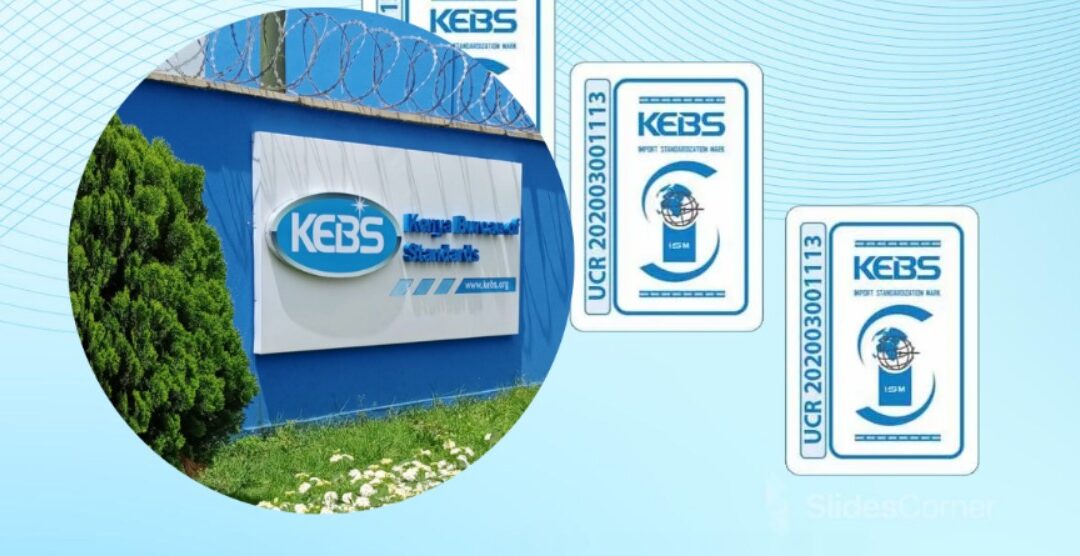
The S-Mark (for local products), ISM (for imports), and the optional Diamond Mark form a recognized framework that assures safety and quality.
Meeting Legal Requirements under Kenyan Law
Under the Standards Act, Cap 496, traders — whether operating physical shops or online — must ensure regulated goods meet the relevant standards before sale. Selling without certification can lead to delisting, fines, or license revocation.
Building Consumer Trust in a Crowded Market
Online shoppers often lack the chance to physically inspect goods. When a listing displays a valid KEBS certification mark, it gives buyers confidence.
For sellers, it becomes a strong differentiator in a competitive market, especially in high-risk categories like electronics, cosmetics, or food.
KEBS Standards & Marks Relevant to Online Sellers
S-Mark (Standardization Mark)
This mark applies to goods manufactured locally in Kenya. Once KEBS verifies compliance with relevant Kenyan Standards (KS), the seller can display the S-Mark on the product and its online listing.
ISM (Import Standardization Mark)
All imported finished products — from electronics to toys to cosmetics — must carry the ISM sticker before they enter the Kenyan market.
As of 2015, KEBS requires importers to obtain ISM certification under pre-export verification or destination inspection programs.
Diamond Mark of Quality (DMoQ)
This is a premium, voluntary mark for manufacturers (local or foreign) that maintain high-quality systems and consistent product excellence. If you aim to position your brand as top-tier, this mark enhances credibility.
Labeling & Packaging Standards
Online sellers must ensure that product labels and packaging comply with KEBS standards. That includes displaying the correct certification mark, permit/permit number where applicable, accurate product information (weight, origin, manufacturer), batch number or expiry (for perishables), and compliance with any sector-specific requirements (e.g., cosmetics, electronics).
How Online Sellers Can Stay Compliant
-
Verify product certification before sourcing.
If sourcing locally, request a valid S-Mark or Diamond Mark permit from your supplier. For imports, insist on valid ISM certification and a legitimate Certificate of Conformity (CoC).
-
Display certification prominently on listings.
Use clear product images showing the KEBS mark and include the certification number or CoC details in your descriptions. Transparency builds buyer trust.
-
Register as a verified seller on e-commerce platforms.
Many marketplaces — in partnership with KEBS — now vet sellers for compliance. Register under verified vendor or official store programs where available.
-
Ensure packaging and labeling follow standards.
Before listing, audit your product labels and packaging. Make sure they meet KS requirements for your product category.
-
Keep source and batch documentation.
Maintain supplier invoices, batch numbers, CoC copies, and other relevant records. KEBS may request them during market surveillance or inspections.
Common Challenges for Digital Sellers & How to Overcome Them
-
Lack of awareness: Many small-scale online sellers do not know which standards apply. Overcome this by consulting KEBS guidelines or seeking expert advice.
-
Cost of certification: For SMEs, certification fees may seem steep. However, think of certification as an investment into brand credibility and long-term market access.
-
Unverified suppliers: Some suppliers may cut corners. Always verify certification status before listing.
-
Regulatory complexity across product categories: Different goods require different standards (electronics vs cosmetics vs food). Educate yourself or partner with compliance experts.
How KEBS Supports Digital Retailers
KEBS continues adapting to the growth of e-commerce. It now offers:
-
Digital product-verification portals, where consumers or retailers can check ISM/S-Mark validity.
-
Virtual vendor trainings and guidance, especially targeting SMEs.
-
Collaboration with major e-commerce platforms to integrate compliance checks into vendor onboarding.
These initiatives make compliance more transparent and manageable for legitimate online sellers.
Benefits of KEBS Compliance for Online Sellers
Compliance brings many advantages:
-
Improved credibility and customer confidence. Listings with valid certification stand out and earn trust.
-
Reduced risk of delisting or penalties. Meeting legal standards avoids regulatory action.
-
Higher sales conversion and fewer returns. Certified products attract more buyers and lower complaints.
-
Access to institutional and B2B markets. Retail chains, government tenders, and corporate buyers often require KEBS-certified goods.
-
Better long-term sustainability. Certified businesses build stronger reputations and avoid market disruptions caused by substandard and counterfeit competition.
Get Help from Clarity Pharma Consultancy
Navigating KEBS standards can be challenging — especially when you sell across multiple product categories. If you need help verifying supplier certification, auditing your product listings, preparing documentation, or ensuring full compliance: Clarity Pharma Consultancy offers professional guidance.
Reach out today for tailored support with KEBS compliance. With expert help, you can build trust, avoid compliance risks, and grow your online business confidently.
FAQs
by Mr. Maroa Noa | Nov 28, 2025 | Legal Framework, Marketing, Operations, Risk Management, Strategy
In today’s busy marketplace, shoppers face hundreds of choices every day. Counterfeits, substandard goods, and misleading labels make purchasing even more challenging.
Because of this, consumers rely more on certification marks to identify products they can trust.
In Kenya, the KEBS Standardization Mark (S-Mark) stands out as one of the strongest assurances of product quality and safety.
The Kenya Bureau of Standards (KEBS) developed this mark to help consumers distinguish genuine and compliant goods from unsafe alternatives. For businesses, it is a badge of credibility. For consumers, it is a seal of trust.
This article explains the S-Mark in simple, clear language. You will understand what it means, how companies obtain it, why it matters, and how it influences buying decisions across the country.
What Is the KEBS Standardization Mark (S-Mark)?
The S-Mark is a mandatory quality certification mark placed on locally manufactured products that meet the requirements of the relevant Kenya Standards (KS). It confirms that the product has been:
-
Tested in accredited laboratories
-
Verified for safety and quality
-
Manufactured in facilities that follow Good Manufacturing Practices (GMP)
-
Audited and approved by KEBS inspectors
You will find the S-Mark on products such as:
-
Packaged foods and drinks
-
Household electrical devices
-
Cosmetics and toiletries
-
Building and construction materials
-
Agricultural inputs and related goods
S-Mark vs Diamond Mark vs Import Standardization Mark (ISM)
Different KEBS marks serve different purposes. Understanding each helps manufacturers choose the right certification path.
| Mark |
Type of Product |
Certification Purpose |
| S-Mark |
Locally manufactured goods |
Mandatory for most products |
| Diamond Mark (D-Mark) |
High-quality local/export products |
Voluntary premium certification |
| Import Standardization Mark (ISM) |
Imported goods |
Mandatory under the PVOC program |
The S-Mark acts as the baseline guarantee for quality and compliance for goods produced within Kenya.
Why Certification Marks Like the S-Mark Matter
1. They Build Consumer Confidence
Shoppers want products that are safe, reliable, and consistent. The S-Mark assures them that the item has passed verified quality and safety checks.
2. They Support Legal Compliance
Under the Standards Act (Cap 496), eligible products must display the S-Mark before entering the market. Businesses that fail to comply risk:
3. They Improve Market Access
Many supermarkets, government agencies, distributors, and export bodies require the S-Mark as part of supplier qualification.
4. They Reduce Product Liability Risks
Certified products are less likely to cause harm, helping businesses avoid legal claims and losses from poor-quality goods.
How Businesses Obtain the KEBS S-Mark
The certification process is structured and transparent. Below are the key steps.
Step 1: Identify the Applicable Kenya Standard
Manufacturers begin by finding the correct standard that governs their product. KEBS’s standards catalog provides all relevant KS and EAS standards.
Step 2: Submit an Online Application
The manufacturer submits an application through the KEBS portal and uploads:
Step 3: Product Testing
KEBS or accredited laboratories test samples to confirm compliance with chemical, physical, microbial, and labeling requirements.
Step 4: Factory Audit
KEBS inspectors visit the production facility to review:
-
Equipment and calibration records
-
Hygiene and sanitation practices
-
Staff competence
-
Quality control documentation
The audit ensures that the manufacturer can consistently produce safe and compliant products.
Step 5: Approval and Issuance of the S-Mark Permit
Once both the product and facility pass all requirements:
-
KEBS issues a one-year S-Mark Permit
-
The manufacturer receives a unique S-Mark code
-
The S-Mark can now be printed on product packaging
KEBS also performs periodic surveillance audits to ensure ongoing compliance.
How Consumers Can Verify a Genuine S-Mark
Fake certification marks exist in the market. Consumers can confirm authenticity by:
-
Checking that the S-Mark includes a valid permit number
-
Confirming clear manufacturer details on the label
-
Using the KEBS SMS verification service
SMS Verification
Text the permit number to 20023 to instantly confirm authenticity.
KEBS Toll-Free Number: 1545
How the S-Mark Shapes Consumer Buying Behavior
Certification marks influence how customers choose products. Studies show that buyers are more likely to:
-
Pay a premium for certified goods
-
Trust unfamiliar brands when certification is visible
-
Stay loyal to brands that maintain quality consistency
In Kenya especially, more consumers check for the S-Mark when buying electronics, baby food, cosmetics, fertilizers, and packaged foods.
Challenges Businesses Face in Maintaining S-Mark Compliance
Manufacturers often experience difficulties such as:
-
Product inconsistency leading to failed audits
-
Changes to Kenya Standards requiring adjustments
-
Labeling non-compliance (e.g., missing dates, wrong claims)
-
Failure to renew annual permits
To support manufacturers, KEBS offers:
Promoting Transparency and Trust in the Kenyan Market
The S-Mark is more than a regulatory requirement. It supports consumer protection, strengthens public health, and builds a trustworthy marketplace. The mark also encourages professionalism among manufacturers and prepares them for regional and international trade.
By improving product standards, the S-Mark raises confidence in Made-in-Kenya goods worldwide.
Make the S-Mark a Core Part of Your Brand Promise
For manufacturers, the S-Mark signals quality, safety, and reliability. For consumers, it offers peace of mind in an unpredictable market.
Whether you are a startup or an established enterprise, obtaining and maintaining the S-Mark is a key investment in your brand’s reputation and long-term growth.
Need Professional Help With KEBS Certification?
If your business needs support navigating the certification process, Clarity Pharma Consultancy offers reliable guidance. Their team provides assistance in:
-
KEBS certification preparation
-
Product documentation
-
Label and packaging compliance
-
Quality system setup
-
Audit readiness and staff training
With expert help, you can avoid delays, reduce errors, and achieve certification much faster.
Get professional support that aligns with KEBS standards and boosts your product credibility.
FAQs

by Mr. Maroa Noa | Nov 27, 2025 | Legal Framework, Marketing, Operations, Risk Management, Strategy
Calibration plays a central role in ensuring accuracy, safety, and fairness in commercial and industrial activities. In Kenya, the Kenya Bureau of Standards (KEBS) uses the Calibration Mark to show that measuring equipment meets national and international standards.
This mark assures consumers and businesses that the measurements used in trade, manufacturing, healthcare, chemical analysis, and quality control are accurate and reliable.
This article explains what the calibration mark means, how KEBS conducts metrology, and why every business should pay attention to equipment calibration.
What Is a Calibration Mark?
This is a mark found on the calibration sticker that is attached to an equipment after calibration. A calibration sticker is only attached to an equipment that performed within the acceptable margins.
Aside from the calibration mark above, a calibration sticker will also bear other details such as the equipment serial number, certificate number, date of calibration, Job ID (Unique number assigned to equipment received at KEBS for calibration) and, a QR code that can be scanned to confirm authenticity.
Understanding Metrology and KEBS’ Role
Metrology refers to the science of measurement. KEBS oversees metrology in Kenya to ensure all measurements used for trade, testing, and industrial processes are standardized and trustworthy.
The organization follows internationally recognized principles set by bodies such as the International Organization of Legal Metrology (OIML). These principles help maintain consistency between local and global measuring systems.
Types of Metrology within KEBS
1. Scientific Metrology
Scientific metrology focuses on establishing the highest measurement standards. KEBS maintains reference standards that form the basis of all calibrations performed in Kenya.
2. Industrial Metrology
Industrial metrology supports manufacturing and production. It ensures equipment such as pressure gauges, thermometers, balances, and pipettes perform accurately in daily operations.
3. Legal Metrology
Legal metrology protects consumers in transactions. It covers equipment used for buying and selling, including fuel pumps, weighing scales, and water meters. KEBS ensures they meet legal accuracy requirements before use.
Why the Calibration Mark Matters
Promotes Fair Trade
Accurate measurements ensure fairness. Businesses avoid losses, and consumers receive the exact quantity of goods they pay for.
Enhances Product Quality
Industries that depend on precise measurements—such as pharmaceuticals, chemicals, and manufacturing—maintain consistent quality through calibrated tools.
Improves Safety
Misleading measurements can cause safety risks. Temperature errors may damage medicines, while pressure-gauge mistakes can cause equipment failures.
Supports Regulatory Compliance
Businesses operating with calibrated tools avoid penalties from KEBS and maintain credibility in local and international markets.
How KEBS Conducts Calibration
Step 1: Submission of Equipment
A business submits equipment that requires calibration to accredited KEBS laboratories.
Step 2: Verification and Testing
KEBS compares the instrument’s readings against reference standards.
Step 3: Adjustment and Correction
If KEBS identifies deviations, technicians adjust and correct the equipment.
Step 4: Issuance of Calibration Certificate
A detailed certificate outlines measurement results, traceability, and conformity.
Step 5: Affixing the Calibration Mark
Finally, KEBS places a calibration mark on the equipment, confirming compliance.
Common Instruments That Require Calibration
These tools affect safety, quality, and business reputation. Regular calibration ensures they remain reliable.
Risk of Using Uncalibrated Equipment
Using inaccurate tools exposes organizations to serious consequences. Businesses may face product recalls, regulatory penalties, customer complaints, and operational losses.
In sensitive fields like pharmaceuticals, uncalibrated equipment may compromise patient safety or lead to ineffective products.
How Often Should Calibration Be Done?
The calibration frequency depends on factors such as usage, environment, manufacturer guidelines, and regulatory expectations. KEBS generally recommends annual calibration, but high-use instruments may require more frequent checks.
How Businesses Can Stay Compliant
- Maintain an Equipment Register
Keep clear records of calibration due dates.
- Use Accredited Calibration Centers
Work only with KEBS or KEBS-recognized calibration laboratories.
- Train Staff on Handling Equipment
Proper handling reduces measurement errors.
- Schedule Preventive Maintenance
Regular servicing prolongs equipment accuracy and lifespan.
Professional Support for Regulatory Compliance
Staying compliant with KEBS calibration standards is essential for quality, safety, and business credibility. If you need guidance on equipment calibration, metrology requirements, or regulatory compliance, Clarity Pharma Consultancy offers expert support.
Their team helps businesses interpret KEBS guidelines, prepare for calibration assessments, and build strong compliance systems without unnecessary complexity.
This assistance ensures your organization aligns with KEBS standards and avoids costly compliance gaps.
References and Sources (Non-Copyright)
These sources were consulted for accuracy, regulatory guidance, and factual content:
-
Kenya Bureau of Standards (KEBS) — Metrology Department
-
International Organization of Legal Metrology (OIML)
-
International Bureau of Weights and Measures (BIPM)
-
World Trade Organization (Technical Barriers to Trade)
-
Kenya Standards Act, Cap 496
FAQs

by Mr. Maroa Noa | Nov 27, 2025 | Legal Framework, Marketing, Operations, Risk Management
Starting and growing a business in Kenya requires more than producing a great product. Entrepreneurs must meet regulatory standards to protect consumers and build trust.
The Kenya Bureau of Standards (KEBS) plays a central role in this process by ensuring that all products entering the Kenyan market meet safety and quality requirements. Therefore, product registration becomes a critical step for any entrepreneur who wants to operate legally and competitively.
This guide explains how to register your product with KEBS, the documents you need, the process involved, and practical tips to stay compliant.
Understanding Product Registration with KEBS
KEBS oversees the development and enforcement of quality standards in Kenya. It ensures that locally manufactured and imported products comply with the required safety, health, and quality benchmarks.
Product registration helps consumers trust your brand and protects them from substandard goods.
Why Product Registration Matters
Product registration offers several benefits to both businesses and consumers. It enhances public safety by ensuring that all products meet the minimum regulatory standards.
It also strengthens your brand’s credibility, making customers more likely to trust and purchase your products.
Furthermore, registered products gain easier access to markets, especially in retail chains and supermarkets that demand proof of compliance before stocking items. Staying compliant also shields you from costly penalties and market disruptions.
Types of KEBS Product Certifications
KEBS provides different certification categories depending on your business model and product type. Understanding these options helps you choose the right path for your business.
1. Standardization Mark (SM Mark)
KEBS awards the Standardisation Mark to locally manufactured products that meet set Kenyan Standards (KS). It is mandatory for many categories of consumer goods.
2. Import Standardization Mark (ISM Mark)
Importers must obtain the ISM mark for products entering the Kenyan market. The mark verifies that imported items comply with Kenya’s quality and safety requirements.
3. Diamond Mark of Quality
The Diamond Mark is a premium certification issued to products that exceed standard requirements and demonstrate exceptional quality.
Step-by-Step Guide to Product Registration with KEBS
The following steps outline the typical product registration process for local manufacturers. Importers follow a similar approach but through additional pre-export verification programs.
Step 1: Identify Applicable Standards
Begin by identifying the Kenyan Standard (KS) that applies to your product. Each product category has specific requirements such as composition, safety limits, packaging, labelling, and testing procedures.
KEBS provides these standards through their database and customer service centers.
Step 2: Prepare Product Samples
Next, prepare samples that KEBS will evaluate. These samples must reflect the actual product that will enter the market. Ensure that all labels, packaging, and instructions are accurate and complete.
Good product presentation increases the likelihood of a smooth inspection.
Step 3: Submit Your Application Through the KEBS Portal
KEBS requires applicants to submit their request using the online KEBS Product Certification System (PCS).
You will upload documents such as:
-
Business registration certificate
-
PIN certificate
-
Physical address of the manufacturing site
-
Product labels
-
Product formulation (where applicable)
-
Test reports (if previously done)
Step 4: Pay the Required Fees
KEBS charges fees for application processing, inspections, and laboratory testing. Fee structures vary depending on product type and certification category.
Step 5: Allow Inspection and Sampling
KEBS officials carry out an inspection of your premises. They examine your production process, hygiene standards, quality control measures, and record-keeping practices. They also collect additional samples for laboratory analysis.
You must maintain good manufacturing practices (GMP) to pass this stage successfully.
Step 6: Laboratory Testing
KEBS tests your product samples against relevant Kenyan Standards. Testing ensures your product meets mandatory health, safety, and quality requirements.
Laboratory analysis may take several days depending on product complexity and the KEBS lab workload.
Step 7: Approval and Issuance of the KEBS Mark
Once your product passes all evaluations, KEBS issues the appropriate certification mark. You can now package and distribute your product legally in Kenya.
Certification marks typically require annual renewal to maintain compliance.
Common Mistakes to Avoid During Product Registration
Entrepreneurs often face delays due to simple mistakes. Avoid the following issues to streamline your registration process:
-
Incomplete documents
-
Poor labeling or missing instructions
-
Incorrect formulation details
-
Failure to meet packaging requirements
-
Submitting unrepresentative samples
-
Operating without clear quality control systems
Addressing these issues early saves you time, money, and unnecessary follow-ups.
Tips to Maintain Compliance After Certification
Certification is not a one-time event. KEBS conducts periodic surveillance audits and market checks to ensure consistency.
Here are practical ways to maintain compliance:
-
Update your records regularly
-
Use approved suppliers
-
Follow batch testing protocols
-
Renew your license annually
-
Report product changes to KEBS
-
Train your staff on quality standards
Staying disciplined protects your certification and supports long-term growth.
How Clarity Pharma Consultancy Can Support You
Navigating product registration can feel complex, especially for startups and small businesses. Clarity Pharma Consultancy offers expert guidance to help entrepreneurs meet KEBS requirements with ease.
They assist with documentation, compliance audits, product labeling reviews, and process management to ensure you achieve certification faster and avoid regulatory challenges.
If you want professional support on KEBS product registration or quality system compliance, Clarity Pharma Consultancy can streamline the entire process and help you maintain industry standards confidently.
Product registration with KEBS is a vital step for any entrepreneur who wants to build a trusted brand in Kenya. The process may seem demanding, but it safeguards consumers and enhances your credibility.
When you follow the right steps—identifying standards, preparing samples, submitting documents, and maintaining compliance—you set your business on a path toward stable growth and market acceptance.
With proper guidance and consistent quality practices, your business can meet KEBS requirements and thrive in the competitive marketplace.
FAQs

by Mr. Maroa Noa | Nov 27, 2025 | Marketing, Operations, Risk Management, Strategy
Market surveillance plays a central role in protecting consumers from unsafe and substandard goods. In Kenya, this responsibility falls primarily on the Kenya Bureau of Standards (KEBS).
The agency ensures that all products circulating in the market meet national quality and safety standards. Because unsafe goods can pose serious health and economic risks, KEBS strengthens trust in local and imported products by monitoring, testing, and enforcing compliance across all major sectors.
Understanding Market Surveillance in Kenya
Market surveillance refers to the coordinated activities used to assess whether products available in the market comply with safety, health, and quality standards.
KEBS conducts this surveillance under the Standards Act (Cap 496) and the Quality Inspection of Imports Order. Through these frameworks, the agency identifies unsafe, counterfeit, or non-compliant products before they reach consumers.
Why KEBS Conducts Market Surveillance
Market surveillance is essential because it protects consumers, promotes fair trade, and enhances economic development. Unsafe products can harm public health, damage the environment, and undermine local manufacturers.
KEBS therefore monitors the market to ensure that businesses comply with national standards and to prevent counterfeit products from gaining a foothold.
Additionally, surveillance promotes a level playing field. When all businesses follow the same standards, competition becomes fair and quality-driven. This ultimately builds consumer trust and supports Kenya’s long-term industrial growth.
How KEBS Conducts Market Surveillance
1. Routine Market Inspections
KEBS officers frequently visit supermarkets, retail shops, open-air markets, and manufacturing sites to check if products meet the required standards.
They inspect labeling, packaging, shelf-life indicators, and batch numbers. These checks help identify products that may pose health or safety risks.
2. Product Sampling and Laboratory Testing
When officers suspect non-compliance, they collect product samples and send them to KEBS laboratories for detailed testing.
These tests assess chemical composition, physical properties, microbiological safety, and conformity with relevant standards. The results determine whether the product should remain in the market or be withdrawn.
3. Border Surveillance and Import Checks
Imports undergo mandatory inspection to confirm compliance with Kenyan standards. KEBS collaborates with the Kenya Revenue Authority (KRA) and port authorities to screen shipments.
This prevents substandard goods from entering the country.
4. Investigating Consumer Complaints
Consumers often report suspicious or unsafe products. KEBS responds by conducting targeted inspections or product recalls.
This approach strengthens consumer engagement and encourages accountability among businesses.
5. Collaboration With Other Agencies
KEBS works with agencies such as the Anti-Counterfeit Authority (ACA), the Ministry of Health, and county governments. These partnerships help strengthen enforcement and expand surveillance coverage.
What Happens When KEBS Finds Non-Compliant Products
KEBS can take several enforcement actions depending on the level of risk:
-
Product seizure and destruction
-
Market withdrawal or recall
-
Public safety alerts
-
Penalties, fines, or prosecution
-
Suspension of permits or standardization marks
These actions deter businesses from violating standards and protect consumers from unsafe products.
The Impact of Market Surveillance on Kenyan Consumers
Market surveillance ensures that consumers have access to safe, high-quality products. As a result, families trust that household goods, food items, cosmetics, pharmaceuticals, and electronics sold in stores meet national guidelines.
This trust is critical for safeguarding health and supporting responsible businesses.
Why Compliance Matters for Manufacturers and Importers
Businesses benefit significantly when they comply with KEBS requirements. Compliance increases consumer confidence, improves product reputation, and reduces the risk of legal penalties.
Additionally, compliant companies gain better access to regional and international markets because quality standards often align with global benchmarks.
Maintaining continuous compliance also decreases the likelihood of product recalls, which can be costly and damaging to a company’s public image.
Best Practices for Businesses to Avoid Non-Compliance
To stay compliant, manufacturers and importers should:
-
Implement regular internal quality checks
-
Keep clear documentation of product formulations and production processes
-
Ensure packaging includes correct labeling information
-
Train staff on regulatory requirements
-
Work with approved testing laboratories
-
Maintain proper records for traceability
These practices support long-term compliance and strengthen business sustainability.
How Clarity Pharma Consultancy Can Support You
If your organization handles regulated products, staying compliant with KEBS standards can sometimes feel overwhelming. Clarity Pharma Consultancy offers professional guidance on product quality reviews, regulatory documentation, and compliance preparation.
Their support helps businesses understand market surveillance expectations and avoid regulatory risks. This allows you to focus on delivering safer, high-quality products to consumers.
Market surveillance remains one of KEBS’ most important roles in safeguarding public health and ensuring fair competition.
By monitoring products, testing samples, and enforcing compliance, KEBS helps maintain a safe and trustworthy marketplace.
Businesses that prioritize compliance protect their customers and build stronger, more competitive brands. As the Kenyan market continues to grow, staying compliant is no longer optional—it is essential.
FAQs