by Mr. Maroa Noa | Nov 14, 2025 | Operations, Strategy
Innovation flourishes when young people understand the value of ideas. For this reason, the Kenya Industrial Property Institute (KIPI) has made intellectual property (IP) education a central part of its national mandate. Through targeted school programs, youth competitions, and training sessions, KIPI helps students develop a deeper appreciation of IP and how it drives economic growth, creativity, and technological advancement.
By working closely with learning institutions, the organisation ensures that a new generation of innovators is empowered to protect their creations. This early exposure strengthens Kenya’s long-term capacity for research, invention, and entrepreneurship.
Why IP Awareness Among Students Matters
Intellectual property affects nearly every field. Students encounter creative work daily—whether in science projects, art, music, or digital innovation. When they learn how IP works, they begin to see the value of originality and the importance of protecting their creations.
Moreover, early IP awareness enhances problem-solving skills. It also motivates young innovators to build solutions with confidence, knowing that their ideas have legal protection. By targeting students, KIPI nurtures a culture where creativity is not only encouraged but also safeguarded.
KIPI’s Commitment to Building IP Knowledge
KIPI has designed several initiatives aimed at strengthening IP literacy in schools. These efforts are structured to make IP knowledge simple, engaging, and practical. Each activity aligns with national innovation goals and supports Kenya’s broader development agenda.
To reinforce learning, KIPI uses relatable examples and interactive sessions. Through this approach, learners can connect IP concepts to their daily experiences. Additionally, teachers are encouraged to integrate IP topics into classroom activities so learners benefit continuously.
School Outreach Programs and Training Workshops
One of the strongest components of KIPI’s strategy is its outreach to schools across the country. These visits expose students to IP topics such as patents, trademarks, utility models, and industrial designs.
During these sessions, young people interact with IP experts who explain how creators protect new inventions. Furthermore, teachers receive training that helps them introduce IP concepts more confidently. This dual approach ensures that knowledge is not lost after the outreach event—it continues to grow within the school environment.
Youth Innovation Competitions
KIPI also uses competitions to encourage creativity among young innovators. These events give students a platform to showcase original work while learning how IP rights secure their efforts.
Most competitions highlight practical solutions to everyday challenges. As competitors prepare their projects, they develop essential research, critical thinking, and design skills. Even better, winners often receive mentorship or further support in protecting their inventions through KIPI’s guidance.
Competitions therefore do more than reward creativity—they build a pipeline of future inventors.
Incorporating IP Into School Curricula
Schools often rely on national institutions to simplify technical concepts. To support this need, KIPI works with education stakeholders to introduce IP topics into learning materials. These efforts ensure that students encounter IP concepts as part of everyday studies.
Even basic lessons on trademarks, copyright, or patents help learners understand their rights. Over time, this inclusion strengthens a national culture that respects originality and discourages idea theft. It also complements other KIPI programs that target universities and technical institutions.
Partnerships With Youth Organisations
KIPI collaborates with community groups, youth organizations, and innovation hubs to extend IP awareness beyond formal schooling. These partnerships help the institute reach students in less-formal learning environments, where creativity often thrives.
Youth groups benefit from training on branding, patenting, and the importance of documenting creative work. Through these collaborations, KIPI supports young entrepreneurs at the earliest stages of their journey.
Encouraging a Future of Protected Innovation
By focusing on young people, KIPI builds a strong foundation for Kenya’s innovation ecosystem. When students understand how IP protection works, they develop confidence in their ability to create. As a result, the goals of national development—such as growth in manufacturing, technology, and research—become more achievable.
Even more, informed youth are better equipped to participate in the global economy. They learn how to turn ideas into assets, businesses, and solutions that help communities thrive.
FAQs

by Mr. Maroa Noa | Nov 13, 2025 | Law, Legal, Marketing, Operations
In Kenya, the intersection of gender and intellectual property (IP) presents both a challenge and an opportunity. Women, despite their substantial contributions to innovation, creativity and enterprise, often encounter systemic barriers in protecting and commercialising their inventions and creative works.
The Kenya Industrial Property Institute (KIPI) plays a pivotal role in addressing this gap, and its initiatives increasingly offer a pathway toward gender-inclusive innovation.
Understanding the Gender Gap in Intellectual Property
It is essential to recognise that the gender gap in IP is neither incidental nor trivial. Globally, the World Intellectual Property Organization (WIPO) reports that only about one-third of international patent applications list a woman inventor, thereby indicating a persistent imbalance.
In Kenya, research by the Kenya Institute for Public Policy Research and Analysis (KIPPRA) similarly reveals that women-owned firms are less likely to innovate and to engage in IP registration than their male counterparts.
Several factors contribute to this disparity: limited awareness of IP rights among women entrepreneurs; fewer mentorship and networking opportunities; constrained access to funding; and social norms that undervalue women’s inventive and entrepreneurial contributions. In effect, although women may innovate or create, the transformation of those ideas into protected, commercial assets remains uneven.
The Role of KIPI in Promoting Women’s Participation in IP
As Kenya’s national IP office, KIPI is mandated to register patents, trademarks, industrial designs and utility models, and to promote IP awareness across sectors. Its work is therefore central to realising more inclusive innovation. For example:
- KIPI has been instrumental in training entrepreneurs, including women drawn from more than 20 counties, on the significance of IP protection in business.
- In collaboration with WIPO and other partners, KIPI supports programmes that help inventors, micro, small and medium enterprises (MSMEs) to protect their ideas and commercialise them.
- KIPI’s awareness-survey of 2020 shows the gender distribution of respondents (male vs female) in enterprises and individuals engaging with IP. While roughly 39 % were female in some categories, the data highlight the potential to increase women’s engagement.
Through such measures, KIPI is helping to bridge the gender gap by making IP services more accessible and by encouraging women innovators to step forward.
Key Initiatives and Their Impact
1. Decentralised Training and Sensitisation
KIPI has implemented outreach programmes across Kenya to sensitise entrepreneurs—including women—about the value of IP. The “Decentralisation of IP Services” project trained over 300 women entrepreneurs from 20+ counties. Business Today Kenya Among the outcomes was the commercialisation of crafts (such as sisal basketry) from cottage activity into full-time businesses, emphasising how IP awareness can catalyse economic transformation.
2. Inventor Assistance Programme (IAP)
Under the “Inventor Assistance Programme”, launched in Kenya in partnership with WIPO, KIPI links inventors—including women—with volunteer patent attorneys or agents who help guide the filing and protection process. Such initiatives reduce the cost, complexity and risk associated with IP protection, thereby making it more attainable for women-led innovations.
3. Policy and Strategy Engagement
KIPI is also involved in Kenya’s third-attempt National Intellectual Property Policy and Strategy (NIPPS), which explicitly acknowledges the low participation of women, SMEs and universities in IP filings. By shaping policy with gender and inclusion in mind, KIPI helps to create an enabling environment for women in IP.
Why Focus on Women and IP Matters
When women innovators are fully included, the benefits are manifold. First, protecting IP empowers women to monetise their creativity and inventions, contributing to income generation and economic empowerment.
Second, greater women participation in innovation fosters diversity of ideas and broadens the problem-solving pool — a necessity in sectors such as agriculture, health, manufacturing and digital technologies. As WIPO notes, failing to tap into women’s innovative potential undermines overall innovation capacity.
Third, inclusive IP regimes help address gender-inequities more broadly, signalling value for women’s contributions and reinforcing their role as change-makers rather than mere participants.
Remaining Challenges and What Must Be Addressed
Despite progress, several hurdles persist:
- Awareness and education gaps: Many women entrepreneurs remain unaware of IP rights or do not understand how to navigate IP registration and commercialisation.
- Resource constraints: Filing and maintaining IP rights can be costly; women entrepreneurs often lack access to funding or legal networks.
- Cultural and social barriers: Gender-norms may limit women’s confidence or access to networks crucial for innovation and IP processes.
- Digital and technical divide: Since IP filing increasingly involves digital systems, women at the margins may be disadvantaged by less access to devices and digital skills.
- Data and measurement: Accurate, gender-disaggregated data on IP participation remain limited, hindering targeted interventions.
Given these constraints, a multi-pronged approach is required—one that combines policy reform, training, mentorship, financial support and cultural change.
Practical Tips for Women Innovators in Kenya
If you are a woman in Kenya with an idea, invention or creative work, here are some steps you can take:
- Educate yourself on IP basics: Understand what patents, utility models, trademarks and industrial designs are. For example, the registration requirements in Kenya include naming the applicant, description, claims, and drawings where necessary.
- Seek out training programmes: Tap into KIPI outreach events or partner-organisations that train entrepreneurs on IP.
- Leverage mentorship: Participate in programmes such as the IAP where you can be paired with a volunteer patent attorney or agent.
- Secure your funding: Explore grants, accelerator programmes or partnerships that support women innovators and reduce cost barriers.
- Document and protect early: Even if you cannot afford full registration yet, keep documentation of your innovation—design sketches, prototypes, lab notebooks, creative drafts.
- Commercial-thinking: Consider how your innovation can be taken to market—not merely protected. IP works best when it is part of a commercial strategy.
- Network and join communities: Build connections with other women innovators, IP professionals, industry players and mentors.
- Use existing IP systems: Register your rights with KIPI and follow up on maintenance, enforcement and commercial exploitation.
The inclusion of women in Kenya’s intellectual property ecosystem is not simply a matter of equity; it is a strategic imperative.
The Kenya Industrial Property Institute is increasingly playing a transformative role through awareness training, assistance programmes and policy engagement that help bridge the gender gap. When women’s innovations are protected and commercialised, the entire economy benefits—not least through stronger entrepreneurship, job creation and diversification.
FAQs

by Mr. Maroa Noa | Nov 8, 2025 | Legal, Operations
Kenya continues to rise as a regional powerhouse for grassroots innovation — from locally designed mobile apps and smart farming tools to affordable medical devices and handmade mechanical solutions. Yet, many of these ideas don’t meet the formal requirements for patents or utility models.
To ensure no creative idea goes unnoticed, the Kenya Industrial Property Institute (KIPI) introduced the Technovation Certificate — a unique recognition tool established under the Industrial Property Act (2001). This initiative celebrates technical ingenuity and provides proof of inventorship, particularly for young and informal innovators who may not have the capacity to file for formal intellectual property (IP) protection.
In this article, we break down what a Technovation Certificate is, how it works, who qualifies, and how it supports Kenya’s innovation ecosystem under KIPI’s guidance.
What Is a Technovation Certificate?
A Technovation Certificate is a special recognition issued by KIPI to innovators whose creations display technical ingenuity and practical usefulness, even if they don’t qualify for patents under strict legal criteria.
According to the Industrial Property Act, 2001, a technovation is a “solution to a specific problem in the field of technology proposed by an employee in an enterprise in Kenya.” However, over time, KIPI has broadened this recognition to include students, startups, and grassroots innovators — ensuring inclusivity in Kenya’s growing innovation ecosystem.
The certificate aims to:
- Acknowledge creative problem-solving and technical inventiveness.
- Provide proof of inventorship through official documentation.
- Promote IP awareness among youth and the informal sector.
- Encourage early-stage innovators to grow their ideas toward market-ready solutions.
While it does not grant exclusive legal rights like a patent, it serves as a valuable document for credibility, investment attraction, and future IP filings.
Who Can Apply for a Technovation Certificate?
The program primarily supports innovators who may lack access to formal IP protection systems. Eligible groups include:
- High school and university students.
- Jua Kali (informal sector) inventors.
- Startups and small business owners.
- Young engineers, tinkerers, and grassroots creators.
Applications may feature:
- Prototypes or working models.
- Mechanical or electronic devices.
- Scientific tools, agricultural or medical innovations, and tech-based products.
Benefits of a Technovation Certificate
1. Recognition and Credibility
An official certificate from KIPI validates an innovator’s work, enhancing credibility at competitions, innovation expos, and academic showcases. Recognition by a national body also boosts visibility across government and private innovation networks.
2. Proof of Invention Date
The certificate serves as proof of inventorship and record of innovation date, a vital factor if one later applies for a patent or utility model. KIPI maintains an official Register of Technovations, as outlined in the Industrial Property Tribunal Regulations, 2002.
3. Public Awareness and Exposure
KIPI often highlights selected innovations during national events such as the Kenya Innovation Week or international IP forums, offering participants wider exposure and networking opportunities.
4. Educational and Training Value
The Technovation Certificate familiarizes new inventors with IP processes early on. It’s particularly useful for students and startups learning how intellectual property can protect and grow their business ideas. Visit KIPI’s training page for IP awareness programs and courses.
5. Funding and Collaboration Opportunities
Having documented proof of innovation can help holders secure funding, grants, and partnerships. Investors and development partners often require evidence of innovation authenticity before providing support — and a KIPI certificate provides exactly that.
Application Process: How to Get a Technovation Certificate
Step 1: Prepare Your Innovation Summary
Begin by preparing a concise but detailed summary describing your innovation. Include:
- Its name and intended purpose.
- Technical drawings, sketches, or photos.
- The specific problem it addresses and its social or economic impact.
Step 2: Submit Your Application to KIPI
You can submit your application through the KIPI eCitizen Portal or by visiting the KIPI headquarters in Nairobi. Attach all supporting documents, including prototype descriptions or test results if available.
Step 3: Technical Evaluation by KIPI
KIPI experts assess the innovation based on:
- Originality and creativity.
- Technical soundness and functionality.
- Relevance to social or economic challenges.
Step 4: Issuance of the Technovation Certificate
Once approved, KIPI issues the official Technovation Certificate — featuring the innovator’s name, a summary of the innovation, and the official KIPI seal. The innovation is also recorded in the Technovation Register, giving it formal recognition in Kenya’s IP system.
Examples of Recognized Innovations
Technovation Certificates have honored a range of local inventions such as:
- A bicycle-powered maize sheller by a student from Bomet.
- A low-cost water purifier developed by a university science club.
- A motorbike ambulance trailer created by youth innovators in Garissa.
- A mechanical soap cutter designed by a Jua Kali artisan in Nairobi.
While these projects might not have qualified for full patents due to global novelty standards, their local impact and originality demonstrate Kenya’s creative capacity.
Can a Technovation Certificate Lead to a Patent or Utility Model?
Yes. The Technovation Certificate can serve as a stepping stone toward more advanced IP rights. Innovators can later apply for a:
- Patent — if their product is entirely new, inventive, and industrially applicable.
- Utility Model — for smaller technical improvements that are practically useful.
The documentation from a Technovation Certificate provides:
- Proof of concept origin and date.
- Supportive evidence during formal IP evaluation.
- A foundation for investor confidence when developing a product further.
For official guidance on upgrading from technovation to patent, visit the Patents Section on KIPI’s website.
How to Use the Certificate Strategically
Make your Technovation Certificate work for you by:
- Including it in pitch decks or investor proposals.
- Displaying it in exhibitions, incubator applications, or competitions.
- Referencing it on your website or product packaging for authenticity.
- Using the issuance date to prove innovation priority if future disputes arise.
By leveraging the certificate smartly, innovators can attract mentors, partners, and even potential licensing opportunities.
Linking to Kenya Vision 2030 and Youth Empowerment
The Technovation Certificate directly supports Kenya Vision 2030 goals, emphasizing the role of science, technology, and innovation in national development. It complements the Competency-Based Curriculum (CBC), which encourages students to think critically, create, and innovate.
Additionally, it empowers youth by turning grassroots creativity into economic potential, aligning with national strategies for job creation and industrial transformation.
Innovation Deserves Recognition
Kenya’s greatest strength lies in the creativity of its people. Yet, many brilliant inventors — especially those from informal or low-resource settings — often go unrecognized. The Technovation Certificate by KIPI bridges that gap, turning informal creativity into acknowledged innovation.
If you’ve developed something innovative, don’t wait for perfection — start with protection.
Apply for a Technovation Certificate today via KIPI’s official website and become part of Kenya’s innovation story.
FAQs
by Mr. Maroa Noa | May 19, 2025 | Operations
In pharmaceutical manufacturing, quality is not an option — it’s a necessity. Each product that reaches the patient’s hand must be of the highest order of safety, efficacy, and consistency.
That’s where Good Manufacturing Practice (GMP) matters — and where Carity Pharma Consultancy delivers reliable, actionable know-how.
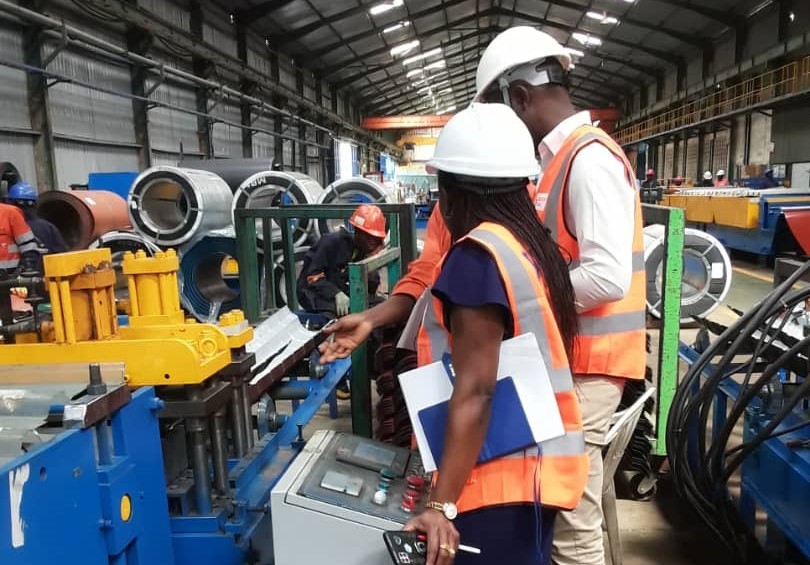
Whether you’re establishing new premises, preparing for an inspection, or returning to production following findings of non-compliance, our GMP consultants are behind you to assist in navigating the complexity of pharmaceutical production with certainty and precision.
What is GMP — and Why It Matters
GMP regulations are enforced to ensure that drug items are produced repeatedly and governed according to quality standards. They include all aspects from plant construction and raw material procurement to production, documentation, and training of employees. Failure to comply with GMP will lead to:
- Warning letters and regulatory penalties – In the pharmaceutical industry, warning letters from regulatory bodies may lead to monetary penalties and other regulatory actions. While warning letters do not mandate fines in and of themselves, they represent formal notice of non-compliance. They may lead to additional enforcement action if the deficiencies are not corrected.
- Product rejection or recalled lots – Product rejection is where a customer does not accept a product, typically due to defects or incompatibility.
- License withholding or late market entry – License withholding refers to a firm holding back or slowing the licensing of a pharma product, perhaps suppressing innovation and market competition. License withholding can indeed have an impact on the profitability and market position of a firm.
In this increasingly regulated age, GMP compliance is no longer just about following the law — it’s about staying in business.
Our GMP Consultancy Services.
At Carity Pharma Consultancy, we provide turnkey services tailored to the needs of pharma, biotech, and contract manufacturers. We combine technical expertise with practical, hands-on experience.
1. GMP Compliance Assessments & Audits
Carity Pharma helps you assess your current status and fill gaps. Mock regulatory inspections – Simulated regulatory audits mimic actual agency audits, enabling pharmaceutical manufacturers to identify compliance shortfalls, provide employee training, and implement corrections before being subjected to an official regulatory audit, thus reducing risk and maintaining GMP compliance.
2. Quality Management System (QMS) Support
We develop and enhance quality systems to meet the world’s GMP expectations:
- SOP development and lifecycle management – In pharma, lifecycle management and Standard Operating Procedure (SOP) development offer documented procedures for assured manufacturing consistency, regulatory compliance support, product protection against degradation in quality, and essential employee assistance in document development, implementation, review, and retirement phases.
- Quality risk management frameworks – Pharma quality risk management is useful in identifying, assessing, controlling, and monitoring risks for ensuring product quality, patient safety, alongside regulatory compliance.
3. Inspection Preparation & Remediation
Whether you’re going in for your first GMP inspection or attempting to recover from a critical finding, we can help: Pre-inspection gap analysis and staff training. Pre-inspection gap analysis and staff training allow drug manufacturers to identify compliance gaps before regulatory inspection.
 Preventive actions ensure the readiness of systems and equip staff with the knowledge required to meet GMP standards efficiently.
Support for regulatory inspections (remote and on-site) – Regulatory inspection assistance, remote and in-house, includes matter expertise during audits to assist in compliance, enable inspector communication, close findings promptly, and serve as evidence of adherence to GMP standards and procedures.
Response writing and post-inspection remediation – it involves the writing of brief, compliant responses to the regulatory comments and taking remedial action to eliminate deficiencies, ensuring long-term GMP compliance and preventing future regulatory issues.
4. Facility & Process Validation
GMP success begins with robust systems. We offer:
- Equipment, facility, and utility qualification – In pharma, equipment, facility, and utility qualification are mandatory for GMP compliance. These validation stages ensure systems perform reproducibly, safeguarding product quality and patient safety.
- Process validation planning and documentation – Process validation planning and documentation serve to ensure that pharmaceutical manufacturing processes will consistently produce quality products. This includes defining, documenting, and verifying each step to assure compliance and product safety.
- Cleaning validation, method validation, and data integrity audit – Cleaning validation, method validation, and data integrity audits are most important in pharmaceuticals to confirm effective removal of residues, reliable analytical methods, and valid data, ensuring consistent product quality and regulatory compliance.
5. Interim Quality Leadership
We provide skilled professionals to fill key roles during changeovers or periods of growth. They include: Quality Director support – We provide experienced Quality Directors to manage your team and maintain high standards during changes.
Technical writing and documentation experts – The Carity Pharma team of professionals develops and maintains the documentation your operation depends on, accurately and efficiently.
System or facility upgrade project management – they require careful planning and execution for compliance with standards like GMP, in an effort to minimize current activities to the absolute minimum.
Project managers ought to be able to manage activities like implementation, onboarding, IT services, and process optimization. They also have to handle challenges like facilities that have been badly documented, safeguard existing manufacturing processes, and handle external workers and access control.
Why you should count on us:
Knowledgeable Experts: Our consultants possess real-world experience in GMP audits, regulatory inspections, and US, EU, and global market manufacturing operations. Tailored, Scalable Solutions: From startups building GMP systems from scratch to global companies optimizing mature operations, we scale our services to your level.
Solution Ahead of the Problem: We do not just fix problems — we help you build systems that will prevent them. End-to-End Support: Carity connects GMP compliance to regulatory, CMC, and supply chain strategy for overall operational support.
Let’s Build Quality from the Ground Up.
GMP is more than a checklist — it’s a mindset, a culture, and a competitive advantage. As your GMP partner, Carity Pharma Consultancy allows you to build your manufacturing operations not only compliant, but for long-term excellence.

by Mr. Maroa Noa | Mar 28, 2025 | Operations