
by Mr. Maroa Noa | Nov 15, 2025 | Legal, Legal Framework, Operations
In Kenya, intellectual property protection is a vital tool for businesses and producer groups alike. While many are familiar with trademarks, fewer understand the concept of collective marks.
For associations, cooperatives, and producer groups, knowing the difference can unlock significant advantages. This article explains both concepts and offers guidance on their strategic use under Kenyan law.
What Is a Trademark?
A trademark, also known as a trade mark, is a sign used to distinguish goods or services of one enterprise from those of others.
According to the Kenya Industrial Property Institute (KIPI), a trade mark may consist of words, letters, numbers, designs, colours—or a combination of these—to serve as a distinctive identifier.
When you register a trademark, you secure exclusive rights to use that mark in connection with specified goods or services. This exclusivity helps prevent others from copying or infringing on your brand.
What Is a Collective Mark?
A collective mark (or collective trade mark) is different in its purpose and ownership. It is owned by an association, cooperative, or group rather than a single commercial business.
Members of this group may use the collective mark to indicate their membership, shared quality standards, or common origin.
Under Kenya’s Trade Marks Act (Cap. 506), applications for collective trade marks must be accompanied by a copy of the rules that govern their use.
These rules typically set out who may use the mark, under what conditions, and what quality or production standards must be met.
Key Differences: Collective Marks vs. Trademarks
Here are some of the main distinctions between a collective mark and a standard trademark:
| Feature |
Trademark |
Collective Mark |
| Ownership |
Owned by an individual or company. |
Owned by an association, cooperative, or group. |
| Use |
Used exclusively by the proprietor (or licensed others). |
Used by multiple members of the group under defined conditions. |
| Rules |
No formal “rules” required; the mark itself is protected. |
Must be accompanied by internal regulations governing use. |
| Purpose |
Distinguishes one business’s goods/services from those of others. |
Shows membership, quality, or origin (e.g., geographical origin). |
| Scope |
Exclusive right to prevent confusion, misuse. |
Collective branding; ensures consistency among members, but individual rights differ. |
Why Producer Groups in Kenya Should Consider Collective Marks
Producer groups—such as farmer cooperatives, artisan associations, or community enterprises—can particularly benefit from collective marks. Here are a few reasons why:
-
Shared Identity and Trust: A collective mark helps consumers recognize that products come from a regulated and trusted group.
-
Quality Assurance: By using membership rules, the group can enforce standards (e.g., on quality, origin, production methods), which enhances reputation.
-
Marketing Power: Smaller producers who might struggle individually can jointly build a stronger brand.
-
Geographical Indications (GIs): In Kenya, geographical names can be registered as collective marks, making this a useful tool for protecting products tied to a region.
-
Legal Protection: Registering the collective mark with KIPI gives the group defined rights, just like a trademark.
How to Register a Collective Mark in Kenya
Here are the steps that producer groups should follow to register a collective mark in Kenya:
-
Form an Association or Group: Ensure that the group (cooperative, society, or association) is legally constituted.
-
Draft Rules: Create clear regulations covering who can use the mark, how to use it, quality standards, and disciplinary measures.
-
Apply to KIPI: Submit a collective mark application to the Kenya Industrial Property Institute. The application must be designated as a collective mark.
-
Deposit Rules: Along with the application, deposit the group’s usage rules for KIPI’s review.
-
Advertise: KIPI will publish the trade mark in its Industrial Property Journal to allow for opposition.
-
Manage Use: Once registered, the group must enforce the rules, monitor members, and follow up on changes with KIPI.
Potential Challenges and Considerations
Producer groups should also be aware of some challenges when dealing with collective marks:
-
Governance: Maintaining fair and transparent internal rules is critical.
-
Compliance: Members must consistently meet the agreed quality standards.
-
Enforcement: If a member misuses the mark (or a non-member imitates it), the group must take action.
-
Costs: Legal preparation of rules, application fees, and follow-up may require funds and expertise.
-
Geographical Overlaps: If using a geographical name, conflicts may arise with other groups or existing intellectual property rights.
When Might a Regular Trademark Be Sufficient?
Although collective marks offer unique advantages, there are situations when a standard trademark may be more appropriate:
-
If a single producer or business wants exclusive brand identity, a personal or company trademark works best.
-
When the group does not yet have a formal association or does not wish to regulate membership or quality.
-
For small-scale or niche products, where creating and enforcing collective rules may be too resource-intensive.
-
When the aim is individual business expansion, with licensing opportunities outside the group.
Best Practices for Producer Groups
To maximise the benefits of collective marks, producer groups should:
-
Conduct capacity building to train members on quality standards.
-
Assign a management team to oversee use of the collective mark.
-
Monitor and audit members periodically.
-
Use the mark in marketing (e.g., packaging, labels) to build consumer recognition.
-
Review and update their internal rules as the group grows or evolves.
For producer groups in Kenya, a collective mark represents more than just legal protection—it is a powerful branding tool.
By leveraging collective identity, enforcing quality, and tapping into shared trust, associations can amplify their market presence.
When used alongside or instead of individual trademarks, collective marks help groups safeguard their reputation and build value.
FAQs

by Mr. Maroa Noa | Nov 15, 2025 | Law, Legal Framework, Operations, Strategy
A trademark is one of the most valuable assets a business can own. It protects a brand’s identity, builds consumer trust, and strengthens competitiveness in the market.
In Kenya, the trademark lifecycle is governed by the Kenya Industrial Property Institute (KIPI), which oversees registration, renewal, and enforcement.
Understanding this lifecycle helps businesses safeguard their brand assets and avoid costly legal challenges.
This article explores the complete journey of a trademark in Kenya from filing to renewal and enforcement, highlighting key steps, timelines, and practical considerations.
Understanding the Importance of Trademarks in Kenya
A trademark helps distinguish a business’s goods or services from those of competitors. It can take various forms, including names, logos, symbols, slogans, and even shapes or colors.
Businesses rely on trademarks to build brand recognition, protect their reputation, and enhance customer loyalty.
Moreover, the Kenyan business environment has become increasingly competitive. As a result, registering a trademark is essential for establishing ownership and securing exclusive rights.
Without legal protection, a business risks infringement, imitation, or loss of market share.
Step 1: Conducting a Trademark Search
The trademark lifecycle begins with a search. A comprehensive search helps determine whether the proposed trademark already exists or closely resembles an existing one.
This step reduces the risk of rejection and prevents future legal disputes.
KIPI provides an online search database that allows business owners to check existing trademarks.
Many businesses also seek professional help from intellectual property consultants who can provide broader insights and conduct a detailed similarity analysis.
Step 2: Filing the Trademark Application
Once the search is complete and the trademark appears clear for registration, an application can be filed with KIPI.
The application must include key information such as the applicant’s details, clear representation of the trademark, and the goods or services categorised under the Nice Classification system.
Businesses can file applications online through the KIPI portal or submit documents manually. After filing, applicants receive an acknowledgement number used to track the progress.
Step 3: Formal Examination by KIPI
KIPI performs a formal examination to ensure the application meets registration requirements. During this stage, officials check for completeness, proper classification, and compliance with trademark regulations.
If the application has errors or omissions, KIPI issues an official notice requesting corrections. Applicants must respond promptly to avoid delays or rejection.
Step 4: Substantive Examination
Following the formal examination, KIPI conducts a substantive examination. This step assesses potential conflicts with existing trademarks and verifies that the mark is distinctive.
Marks that are descriptive, misleading, generic, or contrary to public policy may be refused. In such cases, applicants can submit further clarification or file an appeal.
Step 5: Publication in the Kenya Industrial Property Journal
If the trademark passes both examinations, it is published in the Kenya Industrial Property Journal. Publication allows third parties to oppose the registration within 60 days.
Opposition typically arises when another business believes the trademark infringes on its rights. If opposition is filed, both parties may present evidence, and KIPI reviews the case before making a ruling.
Step 6: Registration and Issuance of Certificate
When the opposition period lapses without objections—or if the applicant wins the opposition—the trademark proceeds to registration.
KIPI issues a Certificate of Registration, granting the owner exclusive rights to use the trademark in Kenya. These rights protect the trademark from unauthorised use, reproduction, or imitation.
Trademark Duration and Renewal in Kenya
A trademark in Kenya is valid for 10 years from the date of filing. Keeping the trademark active requires timely renewal.
Renewals can be filed six months before expiration. However, KIPI allows a grace period of six months after expiry, subject to a surcharge fee. Failure to renew results in trademark removal from the register, and any other party may apply for the same mark.
Continuous renewal ensures long-term brand protection and prevents disruption in business operations.
Enforcement of Trademark Rights in Kenya
Trademark enforcement ensures that rights holders maintain control over their brand identity. Several enforcement mechanisms exist under Kenyan law:
1. Cease and Desist Letters
Owners can formally demand infringers to stop using the trademark immediately.
2. Civil Litigation
Businesses may file lawsuits seeking injunctions, damages, or orders to destroy counterfeit goods.
3. Criminal Prosecution
In cases involving counterfeiting, authorities like the Anti-Counterfeit Authority (ACA) can initiate criminal enforcement.
4. Customs Recordation
Trademark owners can record their marks with the Kenya Revenue Authority (KRA) to prevent counterfeit products from entering the country.
Active enforcement protects business reputation and prevents losses arising from counterfeit or competing products.
Why Trademark Management Matters to Businesses
Effective trademark management enhances market competitiveness. Businesses that actively monitor and enforce trademark use gain credibility, attract investment, and build long-term brand equity.
Additionally, trademarks can be licensed or franchised, generating additional revenue streams. Brands with strong protection also possess higher valuation during mergers or acquisitions.
The lifecycle of a trademark in Kenya involves careful planning, legal compliance, and continuous management. Each stage—from conducting a search to filing, publication, registration, and renewal—plays a vital role in securing long-term brand protection.
Businesses that understand this lifecycle gain confidence when launching new products, expanding markets, or investing in brand development. By protecting their trademarks, they create a strong foundation for growth and long-term success.
FAQs
by Mr. Maroa Noa | Nov 14, 2025 | Legal Framework, Operations, Uncategorized
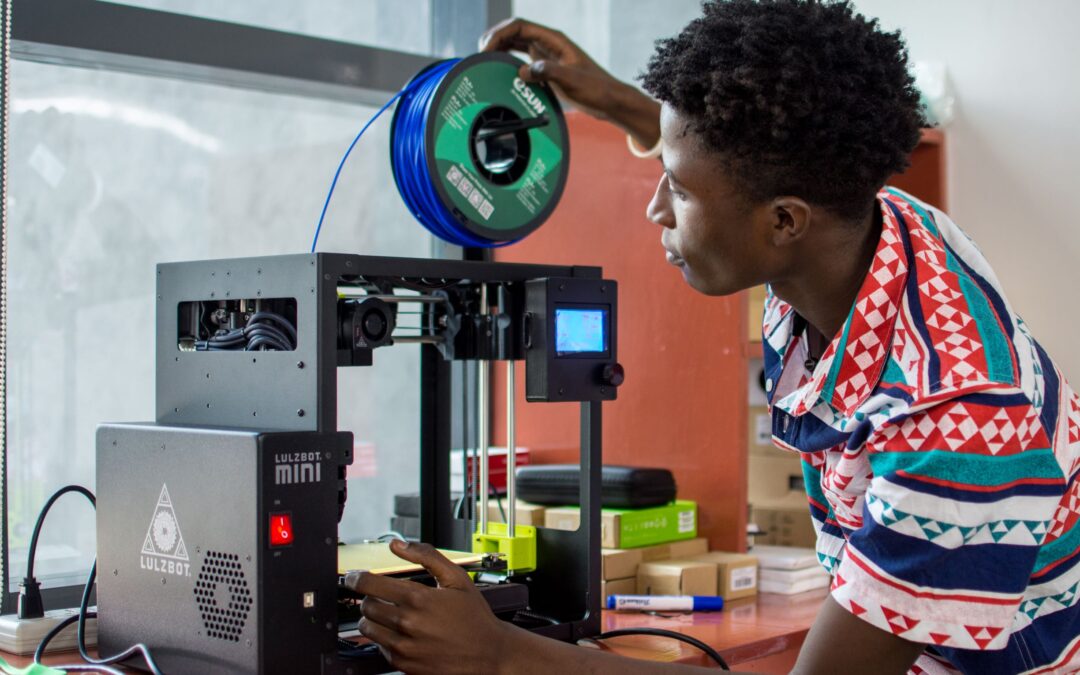
Innovation thrives when communities have equal access to knowledge, tools, and support systems that enable them to turn ideas into value. In Kenya, the Kenya Industrial Property Institute (KIPI) has increasingly focused on decentralising intellectual property (IP) services to ensure that every county—not just major cities—can participate in innovation-driven growth.
This shift has strengthened local entrepreneurship, empowered SMEs, and positioned counties as fertile grounds for new inventions and creative ventures.
This article explores how KIPI supports county-level innovation and why decentralizing IP access is essential for Kenya’s long-term development.
Why County-Level Innovation Matters
County-level innovation drives grassroots development. It encourages local businesses, farmer groups, artisans, students, and SMEs to solve challenges unique to their communities. When counties innovate, the impact is immediate and practical. New ideas can improve agriculture, healthcare, manufacturing, and small-scale industries that form the backbone of Kenya’s economy.
However, innovation requires protection. Without access to IP services, many ideas risk being copied, lost, or commercialized by others. KIPI addresses this gap by bringing its services closer to the people.
Establishing County-Based IP Awareness and Outreach Programs
KIPI has prioritized awareness as the first step toward decentralizing IP access. Many innovators in rural and semi-urban counties lack information on how to protect their brands, inventions, or creative works. To bridge this gap, the Institute conducts:
-
County-level awareness programs
-
IP education workshops
-
Public sensitization forums
-
Training sessions for SMEs and local entrepreneurs
These programs explain the importance of trademarks, patents, utility models, industrial designs, and copyright alternatives. As a result, many county innovators better understand how intellectual property contributes to business growth and competitiveness.
Strengthening County Innovation Hubs Through Collaboration
Many counties have established innovation hubs, incubation centres, and youth empowerment facilities. KIPI collaborates with these hubs to offer targeted training, mentorship, and continuous IP support.
Partnerships with institutions such as KENIA, KIRDI, and WIPO-backed innovation support centres allow county innovators to access technical guidance and protection strategies more efficiently. These collaborations also help hubs integrate IP services into their operational frameworks, making it easier for innovators to secure protection at the early stages of development.
Supporting SMEs and Local Manufacturers in Counties
SMEs form the largest business community in Kenyan counties. KIPI provides direct support to help SMEs register trademarks, protect packaging designs, and secure utility models for small inventions.
This support strengthens local competitiveness and enhances market trust. Trademarks from county businesses—such as dairy processors, agribusiness brands, herbal product manufacturers, and craft enterprises—benefit greatly from this decentralization.
By protecting their brands and innovations, SMEs build stronger identities and expand into wider markets.
Decentralising Training Through County Governments and Institutions
KIPI frequently partners with county governments, technical institutes, polytechnics, and universities to deliver practical training on intellectual property. These training sessions focus on:
-
Understanding patentability
-
Drafting basic patent documents
-
Trademark classification
-
Brand protection for SMEs
-
Innovation commercialization strategies
Such programs foster a culture of innovation within counties and create local champions who can support and mentor emerging innovators.
Increasing Access Through Digital IP Platforms
Digital transformation remains a major driver of decentralization. KIPI’s online services allow innovators outside Nairobi to file and manage IP applications remotely. Through the e-filing portal, county innovators can:
-
Submit trademark applications
-
Track application progress
-
Pay fees online
-
Access journals and updates
-
Request advisory services
This digital approach reduces travel costs, time wastage, and barriers that previously limited rural innovators from protecting their inventions.
Promoting County-Based Innovation Competitions and Exhibitions
KIPI also participates in county innovation competitions, agricultural shows, trade fairs, and exhibitions. These events help innovators showcase their ideas, meet potential investors, and receive expert evaluation.
During these exhibitions, KIPI offers on-site advisory services, helping innovators understand how to protect their prototypes, brands, and creative solutions. Such involvement boosts confidence among local inventors and encourages greater participation in innovation activities.
Strengthening Traditional Knowledge and Cultural Expressions
Counties are rich in cultural heritage, indigenous knowledge, and unique craftsmanship. To preserve these assets, KIPI supports county governments in identifying and documenting traditional knowledge and cultural expressions.
This involvement ensures that communities gain recognition and potential commercial benefits from traditional products such as crafts, herbal remedies, and cultural art forms. Protecting traditional knowledge also helps counties promote tourism and cultural identity sustainably.
Facilitating County Inclusion in National IP Policy Development
As Kenya refines policies on innovation and intellectual property, counties now play a more active role. KIPI engages county leaders through consultations, policy forums, and stakeholder discussions. This involvement ensures that decentralized challenges and opportunities are reflected in national decisions.
Such inclusive policy development strengthens the IP ecosystem and ensures that counties contribute meaningfully to Kenya’s innovation agenda.
KIPI’s efforts to decentralize IP access have created a more inclusive, innovative, and competitive Kenya. By supporting county-level innovation, enhancing awareness, collaborating with local institutions, and promoting digital access, KIPI ensures that innovators across all 47 counties can protect their ideas and scale their businesses confidently.
County-level innovation is no longer an aspiration—it is now a practical reality fueled by accessible IP systems and strategic support. As KIPI continues strengthening its outreach, Kenya moves closer to becoming a fully innovation-driven economy.
FAQs

by Mr. Maroa Noa | Nov 14, 2025 | Law, Legal Framework, Operations, Strategy
Kenya’s creative economy is a powerful engine for cultural expression and economic growth. From musicians and filmmakers to fashion designers and digital creators, artists across the country are producing work that resonates locally and competes globally.
However, creativity without protection is vulnerable — and that’s where the Kenya Industrial Property Institute (KIPI) steps in. By safeguarding intellectual property (IP), KIPI gives Kenyan creators the legal foundation to monetise, scale, and sustain their art.
The Economic Weight of Kenya’s Creative Sector
Creative industries in Kenya — including film, music, visual arts, fashion, crafts, and digital content — not only shape the nation’s cultural identity but also contribute significantly to its economy.
According to a Policy Brief by the National Youth Council, the creative economy was valued at around USD 2.5 billion, representing a projected compound annual growth rate (CAGR) of 8% from 2021 to 2025.
Additionally, Kenya’s copyright-based industries contributed KSh 85.21 billion, or 5.32% of GDP, according to a WIPO-sponsored study.
These figures highlight the high stakes: creativity is not just cultural — it’s an economic asset.
Legal Foundations: How KIPI Protects Creativity
KIPI is a state corporation under Kenya’s Ministry of Investments, Trade and Industry. It was legally established under the Industrial Property Act (Cap 509). The Act empowers KIPI to grant and regulate patents, trademarks, industrial designs, and utility models.
Its strategic plan for 2023–2027 explicitly mentions “nurturing innovation and creativity” as a core objective. By operating under this legal and strategic mandate, KIPI provides creators with real tools to protect and grow their intellectual assets.
Trademarks: Building and Protecting Creative Brands
For many creators, a strong brand is essential. Musicians, visual artists, and fashion designers use names, logos, and slogans to define their identity. When they register these as trademarks through KIPI, they gain exclusive legal rights over them.
This protection reduces the risk of imitation, counterfeits, or unauthorized commercial use. In turn, creators can more confidently license their brand or launch merchandise, knowing their trademark is secure.
According to IP law experts, KIPI’s trademark protection is a foundation for brand security.
Industrial Designs: Safeguarding Aesthetic Innovation
Much of the creative economy depends on the visual appeal of products — think jewelry, fashion, decorative items, and even product packaging.
Under Kenya’s Industrial Property Act, industrial designs include the overall appearance of a product — its shape, patterns, colors, or ornamentation.
When creators register their design with KIPI, they secure the right to prevent others from reproducing, selling, or importing the same design for commercial purposes. This gives artisans and designers a vital competitive edge and financial protection for their visual innovations.
Supporting Digital and Emerging Creative Industries
As Kenya’s economy becomes more digital, new creative sectors have emerged. Animators, graphic designers, app developers, and content creators are increasingly influential.
Although copyright protection (for things like music, scripts, and digital art) falls under the Kenya Copyright Board (KECOBO), KIPI complements this by securing brand identity and design.
Moreover, KIPI’s involvement aligns with broader innovation initiatives. For instance, Kenya joined the WIPO Inventor Assistance Program (IAP) in 2023, giving inventors (including technologists and digital creators) access to pro-bono patent-filing assistance.
This collaboration strengthens the ecosystem for digital creatives.
Education and Capacity Building: Empowering Creators
Many artists and entrepreneurs lack deep knowledge of IP rights or the registration process. KIPI addresses this through training, outreach, and public engagement.
Its Commercialisation Report notes that the Institute organises workshops, competitions, and awareness campaigns to build capacity.
These efforts help creators understand which IP protections suit their work and how to apply for them. Knowledgeable creators are more likely to secure their rights, negotiate licensing deals, and drive business growth.
Business Growth Through IP Monetisation
Registering IP with KIPI unlocks business opportunities. Creators who own trademarks or designs can license their work, enter into partnerships, or export their products.
With legal rights secured, they build valuable intangible assets that can attract investors or spur collaborations.
Additionally, industries like fashion and music benefit from long-term brand strength. IP protection helps transform creative ideas into scalable businesses.
Strengthening Kenya’s Position on the Global Stage
Globally, countries that protect and promote creativity tend to attract cultural investment and export creative goods. For Kenya, a well-functioning IP system signals that talent is respected and secure.
This reputation supports cross-border collaborations and amplifies Kenyan voices internationally.
KIPI’s alignment with international IP standards reinforces this. Its efforts dovetail with global institutions like WIPO to ensure Kenyan creators compete fairly on the global stage.
Challenges and the Road Ahead
Despite its role, KIPI faces challenges. Many creators still lack awareness of IP rights. Registration processes can feel complex or costly for small-scale artists. Additionally, piracy and counterfeiting remain persistent threats in some creative sectors.
To address these issues, KIPI must continue simplifying its processes, expanding digital services, and launching tailored outreach programs. Collaboration with other institutions — like KECOBO or technology hubs — will be vital in making IP protection accessible to all creators.
In Kenya’s creative economy, innovation and artistry intersect with commerce. KIPI stands at this intersection, offering the protections that enable creators to transform ideas into sustainable, value-generating assets.
By securing brands, designs, and creative inventions, the Institute strengthens not only individual creators but the entire creative sector — ultimately contributing to Kenya’s economic resilience and global cultural influence.
FAQs

by Mr. Maroa Noa | Nov 14, 2025 | Legal, Legal Framework, Operations
Agriculture remains the backbone of Kenya’s economy, employing millions and driving food security. For agripreneurs, innovation is essential to stay competitive and enhance productivity. However, many innovators face challenges in protecting their ideas and inventions. Understanding intellectual property (IP) can transform an idea into a valuable asset, ensuring your innovations are legally protected and commercially viable.
What is Intellectual Property in Agriculture?
Intellectual property refers to the legal rights granted to creators for their inventions, designs, or unique processes. In agriculture, IP can protect a variety of innovations, from new crop varieties to modern farming equipment and even agri-processing techniques. Recognising the value of IP ensures that agripreneurs receive recognition, financial returns, and competitive advantage for their efforts.
Types of Intellectual Property Relevant to Agripreneurs
1. Patents
Patents safeguard new inventions or technological solutions. In agriculture, this might include a novel irrigation system, pest control method, or genetically improved seed. By securing a patent, the inventor obtains exclusive rights to use and commercialize the invention for a defined period, usually 20 years. This encourages further innovation while protecting the creator’s investment.
2. Trademarks
Trademarks protect brand identity, including names, logos, and slogans. For agripreneurs, a unique farm brand or product label can stand out in the market, fostering customer loyalty. Registering a trademark ensures that competitors cannot legally imitate your brand, strengthening your market presence.
3. Copyright
Copyright covers original literary, artistic, or musical works. In agriculture, this may apply to manuals, training materials, or software used in farm management. Although it doesn’t protect functional inventions, it safeguards the creative expression associated with your agricultural enterprise.
4. Plant Breeders’ Rights (PBR)
Plant Breeders’ Rights specifically protect new varieties of plants. PBR grants the breeder exclusive control over the propagation and commercialization of their variety. For agripreneurs involved in seed production or horticulture, understanding PBR is critical to secure long-term profits and maintain competitive advantage.
Why Intellectual Property Matters for Kenyan Agripreneurs
IP protection encourages innovation by rewarding creativity and investment. For Kenyan agripreneurs, this translates to:
- Market Advantage: IP ensures that unique products or processes are exclusively yours, reducing imitation.
- Revenue Generation: Licensing or selling IP can create new income streams.
- Investment Opportunities: Investors are more likely to fund ventures with protected innovations.
- Sustainability: Protecting innovations incentivizes continued research and development.
By understanding these benefits, agripreneurs can strategically position their businesses for growth and resilience.
How to Protect Your Agricultural Innovations in Kenya
The Kenya Industrial Property Institute (KIPI) is the main government body responsible for IP registration in Kenya. To protect your innovations, follow these steps:
- Identify the Innovation: Determine whether your creation qualifies for patent, trademark, copyright, or PBR protection.
- Conduct a Search: Check existing IP databases to ensure your innovation is unique.
- Prepare Documentation: Gather technical descriptions, drawings, or product labels.
- Submit Application: File with KIPI for patents, trademarks, or PBR.
- Follow Up: Respond to any requests from KIPI to complete the registration process.
For more information, you can visit KIPI’s official website for guidance on application procedures.
Leveraging Intellectual Property for Business Growth
Protecting your IP is only the first step. Agripreneurs can leverage IP to attract partnerships, access new markets, or license technologies. For instance, a patented irrigation system can be licensed to other farmers, generating royalties while expanding its adoption. Similarly, a strong trademark can enhance brand recognition and increase sales.
Challenges and Considerations
While IP offers numerous benefits, agripreneurs must navigate certain challenges:
- Cost of Registration: Filing patents or PBR can be expensive.
- Enforcement: Protecting IP from infringement requires vigilance and legal support.
- Awareness: Limited understanding of IP among farmers can lead to underutilization.
Despite these hurdles, the long-term advantages of IP protection significantly outweigh the risks.
Intellectual property plays a crucial role in supporting agricultural innovation in Kenya. By understanding and protecting patents, trademarks, copyrights, and plant breeders’ rights, agripreneurs can secure their inventions, build brand value, and unlock new business opportunities. Staying informed and proactive about IP not only safeguards creativity but also fosters sustainable growth in Kenya’s dynamic agricultural sector.
FAQs

by Mr. Maroa Noa | Nov 14, 2025 | Law, Legal Framework, Operations
The growth of Kenya’s digital economy has inspired a new wave of creativity among ICT innovators. As developers create powerful apps, complex algorithms, and transformative digital platforms, the need for proper protection becomes more important. The Kenya Industrial Property Institute (KIPI) provides a clear pathway for safeguarding software and digital inventions, ensuring creators can benefit from their work while maintaining ownership rights.
This article explains how ICT innovators can protect their software, code, and digital systems using KIPI’s available mechanisms. It uses simple, formal, and conversational language to help both beginners and established creators understand the process.
Understanding Digital Inventions in Kenya
Digital inventions include software applications, algorithms, data-driven systems, fintech solutions, AI tools, and other ICT-based products. Since many of these creations involve intangible assets, they require careful handling to prevent unauthorized use or imitation.
Additionally, KIPI outlines which digital products qualify for industrial property protection, and which fall under copyright or trade secrets. Understanding these categories helps innovators select the right protection strategy early enough.
KIPI’s Main Protection Options for ICT Innovators
1. Copyright Protection for Software Code
Software programs are primarily protected under copyright law, which automatically covers the code once it is written. This form of protection covers the expression of the idea, including source code, object code, design files, and accompanying documentation.
KIPI works closely with the Kenya Copyright Board (KECOBO), which manages copyright registration in Kenya.
Although copyright protects the code, it does not protect the idea, logic, or algorithm behind the software. Therefore, software developers often combine copyright with other KIPI protections.
2. Patent Protection for Software-Related Inventions
Patents remain the strongest form of protection for digital innovations. However, Kenya—like many other countries—does not grant patents for software as such. Instead, patents are granted when:
-
The software solves a technical problem.
-
It produces a measurable technical effect.
-
It enhances hardware functionality or industrial processes.
Examples that may qualify include AI algorithms controlling machinery, cybersecurity systems with anti-intrusion mechanisms, or fin tech processes that create new technical operations.
3. Utility Model Protection for Incremental Digital Innovations
When a digital solution does not meet the strict patent criteria, a utility model can be an effective alternative. This form of protection suits innovations that are new and industrially applicable but may lack the inventive step required for patents.
Utility models provide:
This makes them popular among start-ups, software developers, and SMEs improving existing technologies.
4. Trade Secret Protection for Algorithms and Proprietary Processes
Many ICT innovators prefer to keep their algorithms or internal processes confidential through trade secret protection. This form of protection is ideal for:
-
AI models
-
Unique algorithms
-
Data processing systems
-
Backend logic
-
Encryption techniques
Trade secrets do not require registration. Instead, innovators must implement strong confidentiality measures, such as NDAs, restricted access, and secure documentation. Companies like Google and Meta use this method to protect their algorithms.
KIPI offers guidance on combining trade secret protection with other forms of IP.
5. Trademark Protection for Software Branding
A digital invention is not complete without a recognizable brand. Trademarks protect:
-
App names
-
Logos
-
Taglines
-
Brand identity
This protection is valuable when launching commercial apps, digital services, or platforms that rely on strong user recognition.
Trademarks last 10 years and can be renewed indefinitely.
How ICT Innovators Can Begin the Protection Process
Protecting an ICT innovation begins with clear documentation. Innovators should record their development process, draft diagrams, and create a functional description of the invention. These documents become useful during registration.
Conducting a search prevents conflicts and increases the chances of successful registration.
Afterwards, innovators can proceed with their preferred application—patent, utility model, trademark, or copyright registration. KIPI provides both physical and online filing options.
Why Protection Matters for ICT Innovators
Protecting digital inventions has both legal and commercial value. For example:
-
It prevents unauthorized copying and exploitation.
-
It strengthens investor confidence.
-
It improves competitive advantage.
-
It increases product valuation and licensing opportunities.
-
It supports innovation growth in Kenya’s digital economy.
More importantly, protection helps innovators secure long-term ownership of their creations.
Common Mistakes Innovators Should Avoid
Although innovation is exciting, errors can weaken the protection process. Innovators should avoid:
-
Disclosing the invention publicly before filing.
-
Failing to document their development process.
-
Assuming that copyright protects ideas.
-
Mixing open-source code without checking license terms.
-
Neglecting trademarks while launching digital products.
Taking early precaution makes protection easier and more effective.
Digital innovation is shaping Kenya’s future, and ICT creators need strong protection to secure their work. KIPI offers practical mechanisms—from patents and utility models to trademarks and trade secrets—that help innovators protect their digital assets and commercialise their ideas with confidence.
By using these tools, creators can strengthen their ownership, attract investors, and safely scale their creations in a competitive digital world.
FAQs