by Mr. Maroa Noa | Nov 27, 2025 | Marketing, Operations, Risk Management, Strategy
Market surveillance plays a central role in protecting consumers from unsafe and substandard goods. In Kenya, this responsibility falls primarily on the Kenya Bureau of Standards (KEBS).
The agency ensures that all products circulating in the market meet national quality and safety standards. Because unsafe goods can pose serious health and economic risks, KEBS strengthens trust in local and imported products by monitoring, testing, and enforcing compliance across all major sectors.
Understanding Market Surveillance in Kenya
Market surveillance refers to the coordinated activities used to assess whether products available in the market comply with safety, health, and quality standards.
KEBS conducts this surveillance under the Standards Act (Cap 496) and the Quality Inspection of Imports Order. Through these frameworks, the agency identifies unsafe, counterfeit, or non-compliant products before they reach consumers.
Why KEBS Conducts Market Surveillance
Market surveillance is essential because it protects consumers, promotes fair trade, and enhances economic development. Unsafe products can harm public health, damage the environment, and undermine local manufacturers.
KEBS therefore monitors the market to ensure that businesses comply with national standards and to prevent counterfeit products from gaining a foothold.
Additionally, surveillance promotes a level playing field. When all businesses follow the same standards, competition becomes fair and quality-driven. This ultimately builds consumer trust and supports Kenya’s long-term industrial growth.
How KEBS Conducts Market Surveillance
1. Routine Market Inspections
KEBS officers frequently visit supermarkets, retail shops, open-air markets, and manufacturing sites to check if products meet the required standards.
They inspect labeling, packaging, shelf-life indicators, and batch numbers. These checks help identify products that may pose health or safety risks.
2. Product Sampling and Laboratory Testing
When officers suspect non-compliance, they collect product samples and send them to KEBS laboratories for detailed testing.
These tests assess chemical composition, physical properties, microbiological safety, and conformity with relevant standards. The results determine whether the product should remain in the market or be withdrawn.
3. Border Surveillance and Import Checks
Imports undergo mandatory inspection to confirm compliance with Kenyan standards. KEBS collaborates with the Kenya Revenue Authority (KRA) and port authorities to screen shipments.
This prevents substandard goods from entering the country.
4. Investigating Consumer Complaints
Consumers often report suspicious or unsafe products. KEBS responds by conducting targeted inspections or product recalls.
This approach strengthens consumer engagement and encourages accountability among businesses.
5. Collaboration With Other Agencies
KEBS works with agencies such as the Anti-Counterfeit Authority (ACA), the Ministry of Health, and county governments. These partnerships help strengthen enforcement and expand surveillance coverage.
What Happens When KEBS Finds Non-Compliant Products
KEBS can take several enforcement actions depending on the level of risk:
-
Product seizure and destruction
-
Market withdrawal or recall
-
Public safety alerts
-
Penalties, fines, or prosecution
-
Suspension of permits or standardization marks
These actions deter businesses from violating standards and protect consumers from unsafe products.
The Impact of Market Surveillance on Kenyan Consumers
Market surveillance ensures that consumers have access to safe, high-quality products. As a result, families trust that household goods, food items, cosmetics, pharmaceuticals, and electronics sold in stores meet national guidelines.
This trust is critical for safeguarding health and supporting responsible businesses.
Why Compliance Matters for Manufacturers and Importers
Businesses benefit significantly when they comply with KEBS requirements. Compliance increases consumer confidence, improves product reputation, and reduces the risk of legal penalties.
Additionally, compliant companies gain better access to regional and international markets because quality standards often align with global benchmarks.
Maintaining continuous compliance also decreases the likelihood of product recalls, which can be costly and damaging to a company’s public image.
Best Practices for Businesses to Avoid Non-Compliance
To stay compliant, manufacturers and importers should:
-
Implement regular internal quality checks
-
Keep clear documentation of product formulations and production processes
-
Ensure packaging includes correct labeling information
-
Train staff on regulatory requirements
-
Work with approved testing laboratories
-
Maintain proper records for traceability
These practices support long-term compliance and strengthen business sustainability.
How Clarity Pharma Consultancy Can Support You
If your organization handles regulated products, staying compliant with KEBS standards can sometimes feel overwhelming. Clarity Pharma Consultancy offers professional guidance on product quality reviews, regulatory documentation, and compliance preparation.
Their support helps businesses understand market surveillance expectations and avoid regulatory risks. This allows you to focus on delivering safer, high-quality products to consumers.
Market surveillance remains one of KEBS’ most important roles in safeguarding public health and ensuring fair competition.
By monitoring products, testing samples, and enforcing compliance, KEBS helps maintain a safe and trustworthy marketplace.
Businesses that prioritize compliance protect their customers and build stronger, more competitive brands. As the Kenyan market continues to grow, staying compliant is no longer optional—it is essential.
FAQs
by Mr. Maroa Noa | Nov 27, 2025 | Legal Framework, Marketing, Operations, Strategy
Food safety remains one of the most important pillars of public health. Every food business in Kenya must demonstrate that its operations meet strict safety and quality standards.
A Food Safety Management System (FSMS) helps organisations control food hazards and comply with regulatory requirements.
In Kenya, the Kenya Bureau of Standards (KEBS) plays a central role in regulating and certifying food firms to guarantee safe products for consumers.
This article explains the FSMS concept and outlines the entire KEBS certification process, using simple language and short, clear sentences for easy understanding.
Understanding Food Safety Management Systems (FSMS)
A Food Safety Management System is a structured framework that helps organizations identify, control, and monitor food safety hazards. FSMS integrates processes, policies, and controls to ensure that food products remain safe at every stage—procurement, processing, storage, distribution, and sales.
At the global level, FSMS is guided by principles of ISO 22000, HACCP (Hazard Analysis and Critical Control Points), Codex Alimentarius, and various industry-specific guidelines.
Why FSMS Matters for Food Businesses
A strong FSMS enhances consumer trust, reduces contamination risks, and lowers the likelihood of recalls or penalties.
It also improves operational efficiency and supports market access, especially for firms targeting exports. KEBS certification helps businesses demonstrate commitment to quality and compliance.
The Role of KEBS in FSMS Certification
KEBS sets mandatory and voluntary standards that food manufacturers must follow. It evaluates firms to ensure they meet specific safety requirements under Kenyan Standards (KS) and international guidelines.
Key KEBS responsibilities include:
Types of KEBS Certification Marks for Food Firms
1. Standardization Mark (SM Mark)
This mark applies to local products. It confirms that a product meets the minimum requirements under the relevant Kenyan Standard (KS).
2. Diamond Mark of Quality (DM Mark)
KEBS awards this premium mark to high-performing companies with strong quality systems and consistent product excellence.
3. Import Standardization Mark (ISM)
This mark applies to imported goods that meet Kenyan safety requirements.
Key Steps in the KEBS FSMS Certification Process
Below is the step-by-step certification process for food firms seeking approval from KEBS.
Step 1: Understand the Relevant Standards
Begin by identifying applicable standards for your product. KEBS provides a database of food-related standards, including:
-
KS ISO 22000 (Food safety management systems)
-
KS EAS standards
-
Sector-specific codes like dairy, cereals, meat, and beverages
Knowing the right standards helps you align your operations early.
Step 2: Establish Your Food Safety Management System
Next, implement an FSMS framework in your facility. This includes:
-
Hazard analysis
-
Critical control point identification
-
Food safety policies
-
Prerequisite programs (PRPs) such as hygiene, sanitation, pest control
-
Traceability and recall procedures
-
Internal audits
ISO 22000 or HACCP principles often guide this stage.
Step 3: Apply for KEBS Certification
Submit an online application through the KEBS Product Certification Scheme. Your application should include:
-
Company registration documents
-
Product formulation or recipe
-
FSMS documentation
-
Quality manual
-
Process flow diagram
-
Packaging and labeling designs
Once submitted, KEBS reviews the information before scheduling an audit.
Step 4: KEBS Conducts a Facility Audit
KEBS inspectors visit your facility to verify compliance. During the audit, inspectors assess:
Auditors also confirm that your FSMS is active, practical, and properly maintained.
Step 5: Product Sampling and Laboratory Testing
After the audit, KEBS takes product samples for laboratory analysis. Testing verifies:
-
Chemical safety
-
Microbiological safety
-
Physical contaminants
-
Label accuracy
-
Packaging integrity
Results determine whether your product meets the required safety and quality standards.
Step 6: Certification Decision
If your facility and products comply, KEBS issues the appropriate certification mark. Your firm receives either:
If issues arise, KEBS may request corrective actions before granting approval.
Step 7: Continuous Surveillance and Compliance
Certification is not permanent. KEBS conducts periodic surveillance to confirm continuous compliance. This may involve:
-
Random sampling
-
Routine inspections
-
Document reviews
-
Process verification
Firms must maintain FSMS records and demonstrate consistent application of food safety controls.
Common Mistakes to Avoid During KEBS FSMS Certification
Many firms struggle with certification because of avoidable errors. Common mistakes include:
-
Incomplete documentation
-
Poor hygiene practices
-
Untrained staff
-
Weak traceability systems
-
Missing PRPs like pest control or sanitation programs
-
Product labels that do not meet KS requirements
Avoiding these issues improves your chances of fast approval.
Benefits of KEBS FSMS Certification for Food Firms
Certification strengthens brand trust, supports compliance, and aligns your business with both national and international food safety standards.
It also creates opportunities for export markets, particularly in regions that demand strict food safety assurance.
How Clarity Pharma Consultancy Can Support Your Certification Journey
Clarity Pharma Consultancy offers expert guidance to help food firms comply with KEBS requirements. The team supports documentation, FSMS development, HACCP design, staff training, and audit preparation.
This professional support ensures smooth, accurate, and timely certification without unnecessary delays. For businesses seeking to strengthen their food safety systems, Clarity Pharma Consultancy provides reliable and practical solutions aligned with Kenyan and international standards.
Food safety begins with a strong management system and ends with consistent compliance. The KEBS certification process ensures that food products in Kenya meet essential safety and quality standards.
By implementing a solid FSMS, preparing early, and maintaining high operational discipline, your firm can achieve compliance and earn consumer trust.
FAQs
by Mr. Maroa Noa | Nov 26, 2025 | Healthcare, Marketing, Operations, Risk Management
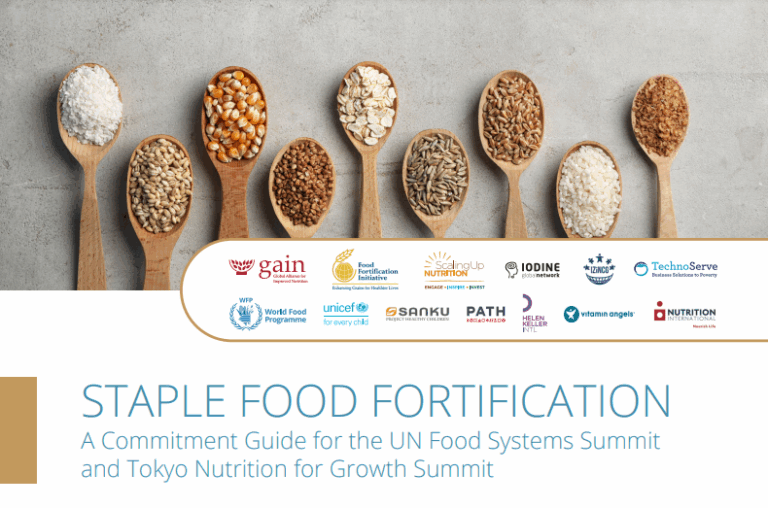
Millions of Kenyans rely on staple foods like maize flour, wheat flour, cooking oil and salt. Without micronutrients, these staples may leave critical nutrition gaps.
Fortunately, Kenya uses a Fortification Mark of Quality to ensure that common foods deliver essential vitamins and minerals.
This article explains how the fortification mark works, why it matters, and how consumers can use it to make healthier choices.
What Is Food Fortification — and Why It Matters
Food fortification involves intentionally adding vitamins and minerals to staple foods. The practice tries to correct or prevent nutrient deficiencies in populations.
Globally, many people — especially women, children and older adults — suffer from micronutrient deficiencies.
In Kenya, inadequate intake of iron, zinc, vitamin A, iodine and other micronutrients has historically contributed to malnutrition, stunted growth, weakened immune systems and impaired cognitive development.
By fortifying widely consumed staples, the government makes it easier for ordinary families to get essential nutrients — without changing their diet.
The Role of the Fortification Mark in Kenya
Kenya administers food fortification standards through the Kenya Bureau of Standards (KEBS). Products that meet the prescribed micronutrient levels qualify to carry the Fortification Mark of Quality.
The mark signals that a product — be it wheat flour, maize flour, salt or vegetable oil — contains the required vitamins and minerals (like iron, zinc, vitamin A, iodine) per national regulation.
This mark helps consumers quickly identify fortified foods on shelves. It also holds manufacturers accountable to maintain standards.
As a result, the fortification mark becomes a tool for public health — raising nutrient intake at population level, especially for vulnerable groups.
What Foods Must Carry the Fortification Mark
Under Kenya’s mandatory fortification policy, some staple food categories must be fortified and labelled. These include:
-
Wheat flour — fortified with vitamins/minerals (e.g. iron, zinc)
-
Dry-milled maize products — fortified for essential micronutrients
-
Salt — iodised to prevent iodine deficiency (although salt iodization preceded later fortification of staples)
-
Vegetable fats and oils — fortified with vitamin A
When you see the Fortification Mark on these products, you can trust that they comply with national fortification standards.
How the Fortification Mark Is Granted: The Certification Process
Manufacturers who wish to use the Fortification Mark must meet a set of requirements. The process involves several steps:
-
Standardization Mark first — The product must already carry a valid Standardization Mark (S-Mark) from KEBS. Without this, fortification certification cannot proceed.
-
Application via KEBS portal — The manufacturer applies to KEBS through the KIMS portal with relevant product and facility details.
-
Inspection and sample analysis — Quality assurance officers visit the production facility, draw samples, and analyze them to verify micronutrient levels in accredited labs.
-
Permit issuance — If samples meet the required standards and inspection reports are positive, KEBS grants the Fortification Mark permit under approval by its Standardization Committee.
-
Ongoing compliance monitoring — KEBS (together with Ministry of Health agencies) continues market surveillance to ensure fortified foods remain compliant.
This rigorous process helps maintain trust and ensures fortified foods provide real nutritional benefits.
Nutritional Impact: What Fortified Foods Can Do
Fortified staple foods have proven benefits. They supply essential micronutrients that may be lacking in regular diets. For example:
-
Fortification helps reduce iron and zinc deficiency — common in children and women.
-
It supports healthy growth, stronger immunity, and improved cognitive development.
-
Fortification reaches a wide population — even people with limited access to diverse diets.
Because staples like maize flour and oil form the bulk of many Kenyan diets, fortified products make a substantial difference in overall nutrient intake.
Challenges and Gaps: Why Fortification Mark Isn’t Enough by Itself
Despite progress, the system faces some challenges:
-
Low compliance in some products: A study found that only a fraction of maize flour samples in several counties met all fortification standards.
-
Quality control and enforcement gaps: Some millers — especially small or medium scale — struggle to maintain fortification standards consistently.
-
Uneven consumer awareness: Not all consumers know what the Fortification Mark means or why it matters. This limits demand for fortified foods.
-
Risk of “fortifying” poor-quality foods: Some processed or convenience foods may carry fortificants but still lack balanced nutrition — fortification alone doesn’t make unhealthy food healthy.
Therefore, fortification works best when combined with good dietary habits and proper regulation.
How Consumers Can Use the Fortification Mark Wisely
If you want to benefit from fortified foods, here are simple habits to adopt:
-
Always check for the Fortification Mark of Quality before buying wheat flour, maize flour, cooking oil or salt.
-
Prefer packaged staples with the mark over unpackaged or informal products.
-
Keep a balanced diet — complement fortified staples with fruits, vegetables, legumes and protein sources.
-
Be aware of food origin — imported products may not conform to Kenyan fortification legislation.
-
Encourage family members — especially children and pregnant or breastfeeding women — to use fortified staples.
These habits help improve nutrition at household and community levels.
The Bigger Picture: Fortification as a Public Health Strategy in Kenya
Kenya’s fortification program dates back decades, starting with salt iodization in the 1970s.
Over time, government agencies, food industry, and development partners formed alliances to set fortification standards, enforce them, and promote public awareness.
This coordinated approach aims to reach entire populations, reduce micronutrient deficiencies at scale, and improve overall health outcomes — especially in children, women and rural communities.
Take Action: For Food Producers and Consumers Alike
If you produce or distribute staple foods, ensure you abide by fortification and quality standards. Use the KEBS certification process to obtain the Fortification Mark legally and responsibly.
If you are a consumer or care for public health, choose fortified foods, and create awareness among your community. Every decision counts.
Clarity Pharma Consultancy supports food businesses and regulators in Kenya to comply with fortification standards, obtain necessary certifications, and ensure safe nutrient-rich products reach consumers. Contact us today for expert guidance on fortification compliance, quality assurance, and nutritional audits.
The Fortification Mark serves as a beacon of quality and nutrition for Kenya’s staple foods. When properly regulated and used, it can reach millions of households and improve health outcomes across the nation. Consumers, producers, and regulators all have a role to play.
By choosing fortified staples, demanding compliance, and spreading awareness, you help safeguard the nutritional future of Kenya.
FAQs

by Mr. Maroa Noa | Nov 26, 2025 | Marketing, Operations, Risk Management, Strategy
Quality, safety, and consumer protection play a major role in Kenya’s healthcare and pharmaceutical environment. The KEBS Diamond Mark of Quality stands out as one of the highest certifications for both local and imported products.
At the same time, pharmacy-based harm-reduction initiatives help vulnerable patients use medicines safely, especially where misuse, misunderstanding, or limited access to healthcare increases risk.
This article explains the KEBS Diamond Mark in simple terms and explores how pharmacies support safer medicine use through harm-reduction practices.
Understanding the KEBS Diamond Mark of Quality
The Diamond Mark of Quality (DMoQ) is a premium certification issued by the Kenya Bureau of Standards (KEBS). KEBS awards it only to manufacturers who consistently meet high product-quality standards.
The Diamond Mark goes beyond general compliance. It signals that a product has undergone rigorous and continuous quality evaluations.
Why the KEBS Diamond Mark Matters
Consumers often struggle to differentiate between safe and unsafe products, especially in markets where counterfeit goods circulate.
The Diamond Mark simplifies this challenge. Once displayed on a product, it assures buyers that the item has been tested repeatedly and has passed strict quality benchmarks.
This certification protects families, strengthens trust in the market, and empowers consumers to make informed choices.
How Products Earn the Diamond Mark
KEBS uses a structured assessment process before awarding the Diamond Mark. The evaluation may include:
-
Factory inspections to verify production systems
-
Batch testing to ensure quality consistency
-
Compliance assessments against Kenyan and international standards
-
Market surveillance to monitor product performance after approval
Because of these checks, consumers can buy products with the DMoQ knowing they meet high safety and performance standards.
Products That Commonly Carry the Diamond Mark
The Diamond Mark appears on goods across major sectors, including:
Every certified product displays the Diamond Mark logo, making it easy to recognize on shelves.
How the KEBS Diamond Mark Protects Consumers
The Diamond Mark offers several key benefits:
1. Better Product Safety
It assures the public that the product does not pose unnecessary health or safety risks.
2. Reduced Exposure to Counterfeits
Because counterfeiters struggle to imitate the certification process, consumers can avoid substandard products more easily.
3. Confidence in Manufacturing Quality
The mark signals that the factory uses good production practices and follows strict quality systems.
4. Fair Market Competition
High-quality producers gain protection against unscrupulous manufacturers using shortcuts.
Pharmacy-Based Harm Reduction: Supporting Safe Medicine Use Among Vulnerable Groups
Pharmacies play a vital role in protecting public health. Beyond dispensing medication, they now support harm-reduction strategies, especially for patients vulnerable to:
Pharmacy-based harm reduction focuses on reducing risks, not on judging or punishing patients.
Why Harm Reduction in Pharmacies Matters
Communities depend on pharmacies for convenient and accessible health services.
Vulnerable groups—including the elderly, people living with chronic illness, and individuals with limited health literacy—often rely on pharmacies more than hospitals.
As medication use becomes more complex, pharmacies help patients avoid dangerous outcomes such as:
Key Harm-Reduction Strategies Used in Pharmacies
1. Patient Education
Pharmacists use simple language to explain how to take medicines safely. They also warn patients about side effects, drug interactions, and what to avoid.
2. Dose Monitoring and Follow-Up
Regular follow-up helps patients stay on track and improves treatment outcomes, especially for chronic therapy.
3. Medicine Review Services
Pharmacists review all medicines a patient is taking. This reduces duplication, eliminates unnecessary drugs, and prevents harmful combinations.
4. Safe Storage and Disposal Guidance
Improperly stored medicines can harm children, adults, and pets. Pharmacies teach families how to store and discard medicines responsibly.
5. Screening and Early Intervention
Some pharmacies offer screening for conditions such as diabetes, hypertension, asthma, and substance misuse. Early detection reduces long-term harm.
How the Diamond Mark and Pharmacy-Based Harm Reduction Work Together
Both systems aim to protect consumers from unsafe health practices.
The Diamond Mark focuses on:
-
Product quality
-
Manufacturing safety
-
Market confidence
Pharmacy harm reduction focuses on:
Together, they build a safer and more informed healthcare environment.
Professional Guidance for Compliance and Safe Medicine Practices
If you run a pharmacy, manufacture health products, or want to strengthen compliance systems, Clarity Pharma Consultancy offers reliable support.
Their team helps businesses meet KEBS, PPB, and quality-assurance requirements while promoting safe medicine practices. They also guide pharmacy owners on harm-reduction systems that improve patient safety and trust.
FAQs

by Mr. Maroa Noa | Nov 26, 2025 | Legal, Marketing, Operations, Strategy
Pharmacies play a crucial role in health systems, yet their influence goes beyond just dispensing medicines. Today, society expects pharmacies to support sustainability, protect the environment, and promote safer medicine use—especially among vulnerable populations.
As climate concerns intensify and health disparities widen, pharmacies can lead the way by integrating climate-conscious practices and harm-reduction strategies into their daily operations.
This article explores practical steps pharmacies can take to manage medicines responsibly, reduce waste, support vulnerable groups, and align with global sustainability goals.
Climate-Conscious Pharmacies: Building Sustainable Medicine Practices
Climate change has created new health threats, and the healthcare sector itself contributes to environmental pollution. Pharmacies can reduce this impact through sustainable medicine management.
Sustainable Storage and Dispensing Practices
Pharmacies can significantly lower their carbon footprint by optimizing how they store and dispense medicines.
Simple actions such as using energy-efficient refrigerators, adopting LED lighting, and maintaining proper insulation reduce power consumption. Additionally, digital prescription systems minimize paper waste and improve accuracy.
These changes may seem small, but they help pharmacies align with global health sustainability frameworks such as the WHO Health in Climate Action Initiative (WHO, 2023).
Minimizing Pharmaceutical Waste
Improper disposal of expired or unused medicines harms soil, water sources, and local ecosystems. Pharmacies can implement structured waste-reduction measures by:
-
Running medicine take-back programs
-
Following NEMA and WHO waste-disposal guidelines
-
Regularly rotating stock to avoid expiry
-
Educating the public on safe disposal methods
By taking these actions, pharmacies help prevent pharmaceutical pollutants while improving community safety.
Promoting Eco-Friendly Products and Packaging
Consumers today look for responsible healthcare providers. As a result, pharmacies that stock eco-friendly packaging, reusable materials, and biodegradable alternatives appeal to a growing environmentally conscious market.
Many global pharmacy chains already integrate green packaging policies to support long-term sustainability goals.
Supporting Safe Medicine Use: Pharmacy-Based Harm Reduction
Harm reduction promotes safer behaviors and helps individuals minimize health risks without judgment or discrimination.
Pharmacies are uniquely positioned to support harm-reduction initiatives, especially for groups struggling with chronic diseases, medication misuse, or limited access to healthcare.
Empowering Vulnerable Populations Through Education
Education forms the foundation of harm reduction. Pharmacies can offer targeted counselling on:
-
Safe use of pain medicines
-
Proper inhaler techniques
-
Adherence to antiretroviral therapy
-
Avoiding antibiotic misuse
-
Managing chronic illnesses
People living with disabilities, older adults, and low-income communities benefit greatly from such accessible, evidence-based information.
Supporting Safe Opioid and Controlled Medicine Use
Controlled substances require careful management. Pharmacies can strengthen harm-reduction efforts by:
-
Maintaining strict dispensing protocols
-
Offering non-judgmental counselling
-
Monitoring potential overuse
-
Collaborating with healthcare providers for safe tapering
-
Encouraging alternative pain-management strategies
These measures promote safety while reducing the risk of dependency or misuse.
Encouraging Responsible Self-Medication
Many people in Kenya self-medicate for common conditions. While this is common, it carries the risk of overdose, wrong drug selection, or drug interactions.
Pharmacies can support safer self-care by guiding customers toward appropriate choices and reminding them when to seek medical attention.
Quick, clear advice ensures community members feel supported rather than discouraged, which aligns with the principles of harm reduction.
Providing Access to Safe Tools and Referrals
Pharmacies can act as community connectors by providing:
-
Vaccination referrals
-
HIV and TB testing information
-
Safe-sex supplies
-
Mental health support contacts
-
Chronic-disease self-management tools
These simple interventions strengthen public health and help reduce disparities.
Integrating Sustainability and Harm Reduction: A Dual Approach
Sustainability and harm reduction complement each other. When pharmacies adopt environmentally conscious practices, they reduce toxic waste, improve community well-being, and make medicine use safer.
At the same time, harm-reduction strategies reduce hospital admissions and encourage responsible health behavior—ultimately lowering the environmental burden caused by medical treatment.
This integrated approach builds a future-ready pharmacy that protects both health and the planet.
How Clarity Pharma Consultancy Can Support Your Compliance and Sustainability Goals
Pharmacies that want to adopt climate-friendly operations or strengthen harm-reduction services often need expert guidance.
Clarity Pharma Consultancy helps pharmacy owners and healthcare businesses improve compliance, enhance medicine-management systems, and implement sustainable practices without disrupting daily operations.
Their consulting team supports facilities in:
-
Developing environmental-safe disposal policies
-
Training staff on rational medicine use
-
Strengthening harm-reduction counselling programs
-
Ensuring regulatory compliance with PPB and NEMA guidelines
-
Improving overall medicine-management efficiency
Working with qualified consultants ensures your pharmacy stays compliant, responsible, and future-focused.
Pharmacies shape community health every day. By embracing climate-conscious practices and supporting harm reduction, they protect patients, safeguard the environment, and strengthen public trust.
Sustainable medicine management is no longer optional; it is a responsibility that modern pharmacies must embrace.
When pharmacies take the lead, communities benefit from safer practices, reduced pollution, and better access to life-saving information.
FAQs

by Mr. Maroa Noa | Nov 25, 2025 | Legal, Marketing, Operations, Strategy
Digital transformation continues to reshape Kenya’s health sector. One of the most impactful areas is digital pharmacovigilance, a modern approach that improves how adverse drug reactions (ADRs) are reported, analyzed, and prevented.
Traditional reporting systems relied on manual entries and delayed feedback. Today, real-time digital tools allow health professionals to detect risks faster and enhance medication safety across the country.
This article explores how Kenya is adopting real-time ADR monitoring, the value it brings to patients, and what stakeholders must do to remain compliant and proactive.
Understanding Digital Pharmacovigilance
Digital pharmacovigilance uses technology to collect, track, and interpret safety data on medicines. It replaces slow paper-based systems with automated digital platforms. These platforms enable faster reporting from healthcare workers, pharmacies, and even patients. Because the system updates continuously, regulators can respond to safety concerns much earlier.
In Kenya, the Pharmacy and Poisons Board (PPB) leads national pharmacovigilance efforts. The Board has embraced digital systems such as the Pharmacovigilance Electronic Reporting System (PvERS) to strengthen drug safety surveillance.
Why Real-Time ADR Monitoring Matters
Real-time ADR monitoring increases patient safety. It identifies harmful reactions early and enables quick intervention. As a result, clinicians get clearer insights into how medicines behave in different populations.
Additionally, digital reporting helps regulatory agencies detect trends that manual systems often miss. Timely alerts reduce public health risks and improve confidence in medication use.
Kenya, with its expanding pharmaceutical market, benefits significantly from this rapid monitoring capacity.
How Kenya’s Digital Pharmacovigilance System Works
Kenya uses several digital tools to gather pharmacovigilance data. Each tool aims to simplify reporting and improve accuracy.
1. Mobile and Web-Based Reporting Platforms
Healthcare providers and patients can report ADRs through accessible web portals and mobile apps. These platforms guide users through simple steps that reduce errors and increase clarity. The PPB’s online reporting system is one of the most widely used tools.
2. Integration with Electronic Medical Records (EMRs)
Many health facilities now use EMRs. When integrated with ADR reporting modules, EMRs help providers submit safety data instantly. This integration also creates a rich database for monitoring long-term drug safety trends.
3. Automation and Data Analytics
Digital systems use automation to detect unusual patterns. When an ADR trend emerges, the system generates alerts that enable rapid investigation. Analysts can review data from thousands of reports in minutes, which strengthens decision-making.
4. National and Global Data Sharing
Kenya collaborates with the WHO Programme for International Drug Monitoring (PIDM). This collaboration allows the country to contribute safety data globally and benefit from international insights.
Benefits of Digital Pharmacovigilance in Kenya
Kenya’s digital shift brings several advantages:
1. Faster Detection of Safety Risks
Real-time systems enable immediate tracking of ADRs, reducing delays that previously threatened patient safety.
2. Improved Data Accuracy
Digital tools minimize handwriting mistakes or incomplete forms. More accurate data leads to better regulatory decisions.
3. Broader Participation
Patients, pharmacists, clinicians, and even community health workers can easily submit reports. The expanded participation strengthens national surveillance.
4. Stronger Regulatory Action
PPB receives alerts quickly, allowing swift risk assessment, product recalls, or safety updates.
5. Enhanced Public Trust
Timely action increases transparency and builds confidence in Kenya’s healthcare system.
Key Challenges in Implementing Digital Pharmacovigilance
While progress continues, several challenges still exist:
1. Low Reporting Culture
Many health workers still underreport ADRs due to workload or limited awareness.
2. Limited Digital Infrastructure
Some rural facilities lack internet connectivity or adequate devices for reporting.
3. Insufficient Training
Professionals need ongoing training to use new digital tools effectively.
4. Data Privacy Concerns
Sensitive patient information must be protected. Kenya requires strong cybersecurity measures to safeguard pharmacovigilance data.
5. Integration Barriers
Not all systems connect seamlessly. Lack of full integration limits real-time surveillance.
Digital Pharmacovigilance and the Future of Drug Safety in Kenya
Kenya is steadily building a robust digital health ecosystem. As adoption increases, the country will benefit from predictive analytics, AI-assisted ADR detection, and improved cross-border data sharing.
These improvements will support faster emergency responses, safer medicines, and a healthier population. Digital pharmacovigilance will remain essential as new medical products enter the Kenyan market.
How Healthcare Providers and Pharmacists Can Improve ADR Reporting
Every stakeholder plays a role in strengthening digital pharmacovigilance.
Here are simple steps to enhance compliance:
-
Report every suspected ADR promptly.
-
Use PPB’s online reporting tools regularly.
-
Integrate ADR monitoring modules into facility EMRs.
-
Train staff on digital pharmacovigilance guidelines.
-
Conduct internal audits on ADR reporting culture.
-
Encourage patients to share medication experiences.
These actions create a safer and more transparent healthcare environment.
How Clarity Pharma Consultancy Can Support You
Navigating digital pharmacovigilance and ADR requirements can feel overwhelming. Clarity Pharma Consultancy provides expert support to help healthcare providers, pharmacies, and organizations strengthen their safety reporting systems.
The consultancy offers guidance on digital ADR reporting, compliance strategies, PPB expectations, and staff training.
For tailored assistance, consider engaging Clarity Pharma Consultancy to improve your pharmacovigilance practices and ensure full compliance with Kenyan regulations.
Digital pharmacovigilance continues to transform Kenya’s health sector by enabling faster and more accurate ADR reporting. Real-time monitoring protects patients, enhances regulatory action, and strengthens public trust.
As adoption grows, Kenya will move closer to a more resilient, technology-driven health system. Stakeholders who embrace digital tools now will shape the future of safe medication use across the country.
FAQs