
by Mr. Maroa Noa | Nov 14, 2025 | Legal, Legal Framework, Operations
Agriculture remains the backbone of Kenya’s economy, employing millions and driving food security. For agripreneurs, innovation is essential to stay competitive and enhance productivity. However, many innovators face challenges in protecting their ideas and inventions. Understanding intellectual property (IP) can transform an idea into a valuable asset, ensuring your innovations are legally protected and commercially viable.
What is Intellectual Property in Agriculture?
Intellectual property refers to the legal rights granted to creators for their inventions, designs, or unique processes. In agriculture, IP can protect a variety of innovations, from new crop varieties to modern farming equipment and even agri-processing techniques. Recognising the value of IP ensures that agripreneurs receive recognition, financial returns, and competitive advantage for their efforts.
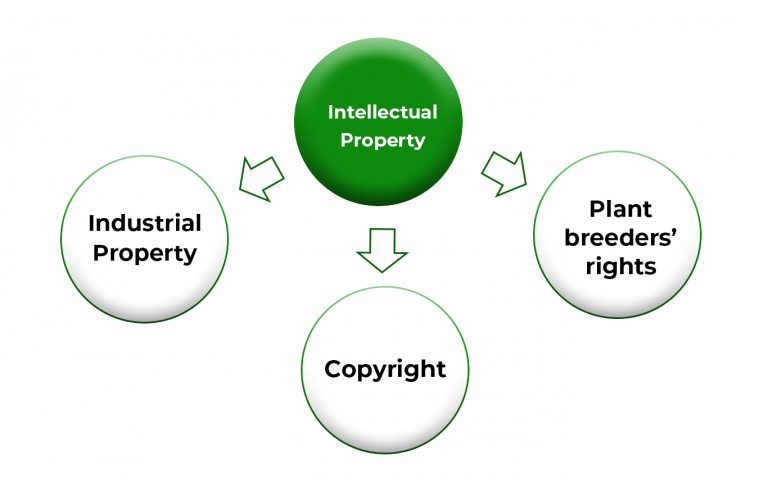
Types of Intellectual Property Relevant to Agripreneurs
1. Patents
Patents safeguard new inventions or technological solutions. In agriculture, this might include a novel irrigation system, pest control method, or genetically improved seed. By securing a patent, the inventor obtains exclusive rights to use and commercialize the invention for a defined period, usually 20 years. This encourages further innovation while protecting the creator’s investment.
2. Trademarks
Trademarks protect brand identity, including names, logos, and slogans. For agripreneurs, a unique farm brand or product label can stand out in the market, fostering customer loyalty. Registering a trademark ensures that competitors cannot legally imitate your brand, strengthening your market presence.
3. Copyright
Copyright covers original literary, artistic, or musical works. In agriculture, this may apply to manuals, training materials, or software used in farm management. Although it doesn’t protect functional inventions, it safeguards the creative expression associated with your agricultural enterprise.
4. Plant Breeders’ Rights (PBR)
Plant Breeders’ Rights specifically protect new varieties of plants. PBR grants the breeder exclusive control over the propagation and commercialization of their variety. For agripreneurs involved in seed production or horticulture, understanding PBR is critical to secure long-term profits and maintain competitive advantage.
Why Intellectual Property Matters for Kenyan Agripreneurs
IP protection encourages innovation by rewarding creativity and investment. For Kenyan agripreneurs, this translates to:
- Market Advantage: IP ensures that unique products or processes are exclusively yours, reducing imitation.
- Revenue Generation: Licensing or selling IP can create new income streams.
- Investment Opportunities: Investors are more likely to fund ventures with protected innovations.
- Sustainability: Protecting innovations incentivizes continued research and development.
By understanding these benefits, agripreneurs can strategically position their businesses for growth and resilience.
How to Protect Your Agricultural Innovations in Kenya
The Kenya Industrial Property Institute (KIPI) is the main government body responsible for IP registration in Kenya. To protect your innovations, follow these steps:
- Identify the Innovation: Determine whether your creation qualifies for patent, trademark, copyright, or PBR protection.
- Conduct a Search: Check existing IP databases to ensure your innovation is unique.
- Prepare Documentation: Gather technical descriptions, drawings, or product labels.
- Submit Application: File with KIPI for patents, trademarks, or PBR.
- Follow Up: Respond to any requests from KIPI to complete the registration process.
For more information, you can visit KIPI’s official website for guidance on application procedures.
Leveraging Intellectual Property for Business Growth
Protecting your IP is only the first step. Agripreneurs can leverage IP to attract partnerships, access new markets, or license technologies. For instance, a patented irrigation system can be licensed to other farmers, generating royalties while expanding its adoption. Similarly, a strong trademark can enhance brand recognition and increase sales.
Challenges and Considerations
While IP offers numerous benefits, agripreneurs must navigate certain challenges:
- Cost of Registration: Filing patents or PBR can be expensive.
- Enforcement: Protecting IP from infringement requires vigilance and legal support.
- Awareness: Limited understanding of IP among farmers can lead to underutilization.
Despite these hurdles, the long-term advantages of IP protection significantly outweigh the risks.
Intellectual property plays a crucial role in supporting agricultural innovation in Kenya. By understanding and protecting patents, trademarks, copyrights, and plant breeders’ rights, agripreneurs can secure their inventions, build brand value, and unlock new business opportunities. Staying informed and proactive about IP not only safeguards creativity but also fosters sustainable growth in Kenya’s dynamic agricultural sector.
FAQs
by Mr. Maroa Noa | Nov 13, 2025 | Legal, Legal Framework, Marketing
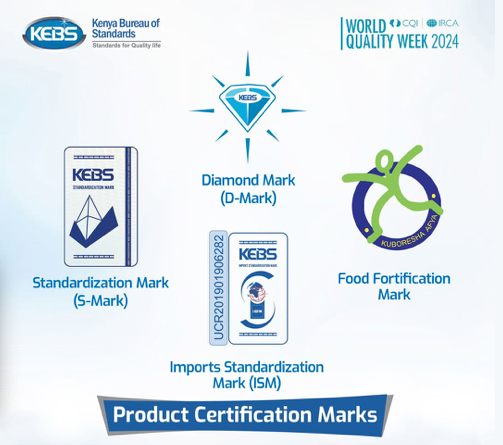
Certification marks have become an essential tool in Kenya for promoting product quality, safety, and consumer confidence. Unlike trademarks, which distinguish the origin of a product, certification marks indicate that a product meets specific standards. They serve as a seal of trust between manufacturers and consumers while supporting economic growth and industry competitiveness.
By understanding how certification marks function and their impact on both business and consumers, Kenyan manufacturers can better leverage these tools for market success.
What Are Certification Marks?
A certification mark is a type of intellectual property that signals compliance with established quality or safety standards. These marks are granted by authorized institutions after products, processes, or services undergo rigorous testing.
In Kenya, the Kenya Bureau of Standards (KEBS) plays a central role in issuing certification marks. Firms that meet KEBS or other approved standards receive this recognition, which reassures consumers about the quality, reliability, and safety of the product.
For a broader understanding of Kenya’s IP framework, you can explore Kenya’s Property Framework Guide.
The Role of Certification Marks in the Economy
Certification marks provide multiple benefits to the Kenyan economy and the manufacturing sector.
1. Enhancing Consumer Trust
Certification marks communicate quality and safety assurance. Consumers are more likely to choose products carrying recognized marks, knowing they meet established standards. This trust boosts brand loyalty and repeat purchases.
2. Supporting Market Competitiveness
Firms with certification marks can differentiate their products in crowded markets. By demonstrating compliance, manufacturers gain a competitive advantage locally and internationally, particularly in export markets.
3. Encouraging Industry Standards
Certification marks promote uniform standards across industries. Companies strive to maintain quality benchmarks, leading to overall improvement in production processes, product durability, and service delivery.
For insight into how IP promotes commercial value, see How to Boost Commercial Value from Intellectual Property.
Key Institutions in Certification Marks
Several organizations manage certification marks in Kenya:
-
Kenya Bureau of Standards (KEBS): KEBS certifies products and ensures adherence to national and international standards.
-
Kenya Industrial Property Institute (KIPI): KIPI oversees intellectual property rights, including certification marks, and protects the interests of innovators.
-
Private Certification Bodies: Certain industry-specific bodies issue marks that align with global quality standards, such as ISO 9001 certification for quality management.
By collaborating with these institutions, manufacturers can ensure their products meet recognized benchmarks and gain market credibility.
Economic and Consumer Benefits
1. Promoting Export Readiness
Products with certification marks are more attractive in international markets. Exporters demonstrate compliance with global standards, increasing their ability to compete and secure foreign contracts.
2. Reducing Counterfeiting and Imitation
Certification marks help curb counterfeit products. When consumers recognize a trusted mark, they are less likely to purchase substandard or fake products. For a deeper understanding of counterfeiting protection, read The Role of KIPI in Combating Counterfeiting.
3. Encouraging Continuous Improvement
Certification motivates manufacturers to invest in quality management systems, staff training, and R&D. Over time, this improves operational efficiency, product reliability, and customer satisfaction.
Challenges Facing Certification Marks in Kenya
Despite their benefits, certification marks face some hurdles:
-
Limited Awareness: Many SMEs do not fully understand the benefits or application process for certification marks.
-
Cost of Compliance: Testing and certification can be expensive, especially for small businesses.
-
Enforcement Gaps: Without strict monitoring, some firms may misuse marks, undermining trust.
Addressing these challenges requires targeted education, financial incentives, and stronger regulatory enforcement.
Strategic Approaches to Maximising Certification Mark Benefits
Manufacturers can adopt several strategies to leverage certification marks effectively:
-
Educate Stakeholders: Train employees and management about the benefits and requirements of certification marks.
-
Integrate Quality into Business Strategy: Align quality standards with production processes to consistently meet certification criteria.
-
Collaborate with Regulatory Bodies: Engage KEBS, KIPI, and industry associations to stay updated on compliance and standards.
-
Promote Marks to Consumers: Use marketing and branding strategies to highlight certified products, enhancing trust and sales.
These approaches ensure that certification marks are not just regulatory obligations but tools for competitive advantage.
Certification marks in Kenya strengthen consumer confidence, support manufacturing growth, and promote industrial competitiveness. By providing a clear signal of quality and compliance, they help businesses differentiate themselves in the market, gain export opportunities, and reduce the impact of counterfeit goods.
A strategic approach — combining awareness, enforcement, and quality-driven business practices — allows manufacturers to maximize the economic and reputational benefits of certification marks.
Learn more about boosting quality, IP, and consumer trust through Clarity Pharma Consultancy’s insights:
FAQs

by Mr. Maroa Noa | Nov 13, 2025 | Law, Legal, Legal Framework
Intellectual Property (IP) has become a cornerstone of modern industrial growth. In Kenya, the manufacturing sector continues to evolve under a competitive and innovation-driven economy. A strong IP framework not only protects creators but also fuels industrial development, attracts investment, and boosts national income.
To understand the real impact of IP on Kenya’s manufacturing, it’s important to explore how innovation, policy, and enforcement shape the sector’s growth.
Understanding Kenya’s Manufacturing Landscape
Kenya’s manufacturing industry plays a vital role in supporting economic transformation. According to recent statistics, manufacturing contributes about 7.6% of the country’s GDP, and the government aims to raise this to 15% through initiatives like Special Economic Zones and the “Buy Kenya, Build Kenya” strategy (Kenya Investment Promotion Agency).
However, industrial progress depends heavily on innovation and protection. A reliable IP system ensures that local manufacturers can confidently invest in new ideas without fear of imitation or counterfeiting.
For a deeper look into Kenya’s IP structure, you can read this guide on Kenya’s Property Framework: Acts, Regulations & Guidelines.
Why Intellectual Property Matters in Manufacturing
Intellectual property empowers manufacturers to innovate, compete, and expand into new markets. Patents, trademarks, and industrial designs safeguard unique processes and products, encouraging firms to invest more in research and development (R&D).
The Kenya Industrial Property Institute (KIPI) plays a critical role in overseeing IP registration and protection. It promotes innovation and shields local manufacturers from counterfeiters — an issue explored in detail in The Role of KIPI in Combating Counterfeiting and IP Infringement.
A well-enforced IP system ensures:
-
Increased productivity: Firms innovate freely and adopt new technologies.
-
Higher competitiveness: Products gain recognition both locally and internationally.
-
Investment attraction: Protected IP encourages local and foreign investment.
-
Market stability: Enforcement reduces counterfeit losses, ensuring fair competition.
The Anti-Counterfeit Authority (ACA) estimates that Kenya loses nearly 9% of its GDP annually to counterfeit goods.
Economic Benefits of IP in Kenya’s Manufacturing Sector
1. Stimulating Innovation and Productivity
When manufacturers know their innovations are protected, they invest more in creativity. This protection fuels industrial research and helps firms develop advanced processes and quality products.
KIPI’s influence in this area is evident in the expanding number of local patent filings, as discussed in The Mandate and Impact of KIPI in Kenya’s Tech Ecosystem.
2. Attracting Investment and Export Opportunities
Strong IP protection attracts investors seeking secure and competitive environments. It also opens international trade doors. Foreign companies are more likely to form partnerships or establish factories in countries with a reliable IP regime.
3. Creating Jobs and Supporting Industrial Growth
As innovative firms expand, they create jobs across the value chain — from research to production and distribution. A thriving IP environment therefore contributes to employment and industrial diversification.
4. Reducing Counterfeiting and Safeguarding Market Integrity
Counterfeiting remains a serious challenge for Kenya’s industrial players. A strong IP system helps curb the infiltration of fake products that harm consumers and undermine genuine manufacturers. Effective enforcement, awareness, and collaboration are key to long-term success in this fight.
Challenges Facing IP Implementation in the Manufacturing Sector
Despite its economic promise, Kenya’s IP ecosystem faces a few hurdles:
-
Low awareness: Many manufacturers, especially SMEs, lack knowledge of how to register or commercialize IP rights.
-
Weak enforcement: Counterfeit goods still flood markets due to loopholes and limited enforcement capacity.
-
High operational costs: Rising energy and production costs make it difficult for manufacturers to fully utilize IP protection.
-
Limited commercialization support: Many firms hold patents but struggle to convert them into marketable products.
For tips on turning IP rights into revenue, read How to Boost Commercial Value from Intellectual Property.
Strategic Pathways for Growth
Kenya’s manufacturing sector can maximize IP’s impact through:
-
Raising IP Awareness: Firms should receive training on the benefits and processes of IP registration.
-
Strengthening Enforcement: Collaboration between KIPI, ACA, and customs agencies can ensure counterfeit-free markets.
-
Encouraging R&D Investment: Incentives for innovation will motivate manufacturers to develop and protect new products.
-
Enhancing Public-Private Partnerships: Universities, research institutions, and private manufacturers can collaborate to commercialize inventions.
-
Policy Alignment: The government should continue aligning industrial policies with IP protection frameworks.
These strategies echo the need for an innovation-led economy — one that balances growth, protection, and fair competition.
Intellectual property has a transformative role in Kenya’s manufacturing sector. It promotes innovation, attracts investment, and ensures that creativity translates into economic value.
To achieve sustainable growth, Kenya must strengthen awareness, enforcement, and collaboration among stakeholders. When IP is effectively harnessed, manufacturers gain a competitive edge, create quality jobs, and drive long-term economic resilience.
You can explore more about Kenya’s evolving IP environment in Clarity Pharma Consultancy’s resources, including Kenya’s Property Framework Guide and KIPI’s Role in IP Protection.
FAQs
by Mr. Maroa Noa | Nov 13, 2025 | Law, Legal, Legal Framework
In an era where innovation drives competitive advantage, understanding industrial property rights becomes indispensable for startups. In Kenya, a favourable legal and institutional framework has been established to help enterprises secure and monetise their creative outputs.
This article unpacks the essentials of industrial property rights, explains why they matter for a budding enterprise, and offers practical steps for protecting your startup’s intellectual assets.
What are Industrial Property Rights?
Industrial property rights refer to a subset of intellectual property rights (IPR) that focus on inventions, industrial designs, utility models, trademarks, and other similar protections. In Kenya, the Kenya Industrial Property Institute (KIPI) is the principal agency responsible for their registration and management.
Specifically, under the Industrial Property Act No. 3 of 2001, KIPI was established to administer processes covering patents, utility models, industrial designs and technologies. As a startup founder, you will often hear of two key types of rights:
-
Patents: Exclusive rights granted for new inventions (solutions to technical problems).
-
Trademarks: Distinct signs, symbols, logos or words that distinguish your goods or services.
Additionally, there are industrial designs, which protect the ornamental or aesthetic aspects of a good, and utility models, which are lighter-weight protection for innovations in structure or mechanism.
Why Should Startups in Kenya Care?
For startups, time and money are precious resources. Without securing your industrial property rights early:
-
You risk competitors copying your innovation or branding, limiting your ability to differentiate in the market.
-
Your ability to raise investment, license your technology, or expand into regional and global markets may be weakened.
-
Your business may lose out on monetisation opportunities (licensing, franchising, assignment) that stem from rights ownership.
Empirical evidence suggests that firms which secure intellectual property rights show stronger growth trajectories. KIPI’s awareness-survey emphasises that protecting IPR encourages further research and development, thus contributing to Kenya’s economic growth.
Key Industrial Property Rights for Kenyan Startups
Below is a simplified overview of the most common rights you should consider:
1. Patents
Granted for inventions that are new, involve an inventive step, and are industrially applicable. Once granted by KIPI, the patent confers exclusive rights to exploit the invention for a defined period (typically 20 years).
2. Utility Models
A more accessible form of protection for incremental innovations—sometimes described as “mini-patents”. These are particularly helpful for startups with tighter budgets or faster-moving tech.
3. Industrial Designs
These safeguard aesthetic or non-functional features of a product (shape, configuration, ornamentation). For example, if you manufacture an ergonomic tool or a distinctive gadget housing, the design right could apply.
4. Trademarks
Crucial for brand identity. A trade mark registered with KIPI provides direct evidence of your ownership and facilitates enforcement against imitators.
5. Technology Transfer, Licensing & Commercialisation
Once you hold industrial property rights, you may consider commercialising them—licensing to others, franchising, or assigning the rights. KIPI provides guidelines specifically addressing IP commercialisation in Kenya.
How to Protect Your Rights – A Step-by-Step Guide
Here is a practical roadmap for startups:
-
Audit your innovation and branding – Identify what you have invented, created or branded. Ask: Is this new? Is it your own creation? Is it vital to your business model?
-
Search and clearance – Before applying for a patent or trademark, conduct prior art or mark-searches to avoid conflicts or refusals.
-
Choose the right protection – Decide whether you need a patent, design or simply a trademark (or combination thereof). Cost, speed and commercial fit matter here.
-
Prepare and file application with KIPI – Use the official channels (for example through KIPI’s eCitizen portal) to submit your applications.
-
Maintain and monitor – Once registered, upkeep fees may apply, and you should monitor the market for infringers or unauthorised uses.
-
Commercialise your rights – Consider licensing, assignment or franchising; use Non-Disclosure Agreements (NDAs) when sharing your innovation with partners.
-
Enforce your rights – If someone infringes, be prepared to act. KIPI provides public awareness and you may ultimately enforce rights through courts or tribunals.
Common Challenges for Startups & How to Overcome Them
● Limited budgets: Filing and prosecution costs may be high. Solution: Prioritise the most commercially significant rights first.
● Knowledge gap: Many startups are unaware of how industrial property rights work. Solution: Participate in KIPI training and outreach programmes.
● Enforcement difficulties: Rights may exist on paper, but actual enforcement can be slow or expensive in Kenya. Solution: Embed enforcement strategies in your business plan and build partnerships with IP agents.
● Governance changes: Recent developments show that regulatory oversight and governance at KIPI can affect registration processes.
Practical Tips for Kenyan Startups
-
Early registration = stronger commercial footing. Don’t wait until after investor due-diligence to start the IP process.
-
Keep detailed documentation of your innovation process—this helps when filing for patents or defending ownership.
-
Use clear and distinctive branding from day one and register the trade mark before someone else does.
-
Factor IP costs (registration, renewal, agents) into your startup budget and financial model.
-
Explore regional/international IP filings if you plan to export or expand beyond Kenya—your Kenyan registration can serve as a basis.
-
Leverage the resources of KIPI, including their public information, guidelines and training.
FAQs

by Mr. Maroa Noa | Nov 13, 2025 | Law, Legal, Marketing, Operations
In Kenya, the intersection of gender and intellectual property (IP) presents both a challenge and an opportunity. Women, despite their substantial contributions to innovation, creativity and enterprise, often encounter systemic barriers in protecting and commercialising their inventions and creative works.
The Kenya Industrial Property Institute (KIPI) plays a pivotal role in addressing this gap, and its initiatives increasingly offer a pathway toward gender-inclusive innovation.
Understanding the Gender Gap in Intellectual Property
It is essential to recognise that the gender gap in IP is neither incidental nor trivial. Globally, the World Intellectual Property Organization (WIPO) reports that only about one-third of international patent applications list a woman inventor, thereby indicating a persistent imbalance.
In Kenya, research by the Kenya Institute for Public Policy Research and Analysis (KIPPRA) similarly reveals that women-owned firms are less likely to innovate and to engage in IP registration than their male counterparts.
Several factors contribute to this disparity: limited awareness of IP rights among women entrepreneurs; fewer mentorship and networking opportunities; constrained access to funding; and social norms that undervalue women’s inventive and entrepreneurial contributions. In effect, although women may innovate or create, the transformation of those ideas into protected, commercial assets remains uneven.
The Role of KIPI in Promoting Women’s Participation in IP
As Kenya’s national IP office, KIPI is mandated to register patents, trademarks, industrial designs and utility models, and to promote IP awareness across sectors. Its work is therefore central to realising more inclusive innovation. For example:
- KIPI has been instrumental in training entrepreneurs, including women drawn from more than 20 counties, on the significance of IP protection in business.
- In collaboration with WIPO and other partners, KIPI supports programmes that help inventors, micro, small and medium enterprises (MSMEs) to protect their ideas and commercialise them.
- KIPI’s awareness-survey of 2020 shows the gender distribution of respondents (male vs female) in enterprises and individuals engaging with IP. While roughly 39 % were female in some categories, the data highlight the potential to increase women’s engagement.
Through such measures, KIPI is helping to bridge the gender gap by making IP services more accessible and by encouraging women innovators to step forward.
Key Initiatives and Their Impact
1. Decentralised Training and Sensitisation
KIPI has implemented outreach programmes across Kenya to sensitise entrepreneurs—including women—about the value of IP. The “Decentralisation of IP Services” project trained over 300 women entrepreneurs from 20+ counties. Business Today Kenya Among the outcomes was the commercialisation of crafts (such as sisal basketry) from cottage activity into full-time businesses, emphasising how IP awareness can catalyse economic transformation.
2. Inventor Assistance Programme (IAP)
Under the “Inventor Assistance Programme”, launched in Kenya in partnership with WIPO, KIPI links inventors—including women—with volunteer patent attorneys or agents who help guide the filing and protection process. Such initiatives reduce the cost, complexity and risk associated with IP protection, thereby making it more attainable for women-led innovations.
3. Policy and Strategy Engagement
KIPI is also involved in Kenya’s third-attempt National Intellectual Property Policy and Strategy (NIPPS), which explicitly acknowledges the low participation of women, SMEs and universities in IP filings. By shaping policy with gender and inclusion in mind, KIPI helps to create an enabling environment for women in IP.
Why Focus on Women and IP Matters
When women innovators are fully included, the benefits are manifold. First, protecting IP empowers women to monetise their creativity and inventions, contributing to income generation and economic empowerment.
Second, greater women participation in innovation fosters diversity of ideas and broadens the problem-solving pool — a necessity in sectors such as agriculture, health, manufacturing and digital technologies. As WIPO notes, failing to tap into women’s innovative potential undermines overall innovation capacity.
Third, inclusive IP regimes help address gender-inequities more broadly, signalling value for women’s contributions and reinforcing their role as change-makers rather than mere participants.
Remaining Challenges and What Must Be Addressed
Despite progress, several hurdles persist:
- Awareness and education gaps: Many women entrepreneurs remain unaware of IP rights or do not understand how to navigate IP registration and commercialisation.
- Resource constraints: Filing and maintaining IP rights can be costly; women entrepreneurs often lack access to funding or legal networks.
- Cultural and social barriers: Gender-norms may limit women’s confidence or access to networks crucial for innovation and IP processes.
- Digital and technical divide: Since IP filing increasingly involves digital systems, women at the margins may be disadvantaged by less access to devices and digital skills.
- Data and measurement: Accurate, gender-disaggregated data on IP participation remain limited, hindering targeted interventions.
Given these constraints, a multi-pronged approach is required—one that combines policy reform, training, mentorship, financial support and cultural change.
Practical Tips for Women Innovators in Kenya
If you are a woman in Kenya with an idea, invention or creative work, here are some steps you can take:
- Educate yourself on IP basics: Understand what patents, utility models, trademarks and industrial designs are. For example, the registration requirements in Kenya include naming the applicant, description, claims, and drawings where necessary.
- Seek out training programmes: Tap into KIPI outreach events or partner-organisations that train entrepreneurs on IP.
- Leverage mentorship: Participate in programmes such as the IAP where you can be paired with a volunteer patent attorney or agent.
- Secure your funding: Explore grants, accelerator programmes or partnerships that support women innovators and reduce cost barriers.
- Document and protect early: Even if you cannot afford full registration yet, keep documentation of your innovation—design sketches, prototypes, lab notebooks, creative drafts.
- Commercial-thinking: Consider how your innovation can be taken to market—not merely protected. IP works best when it is part of a commercial strategy.
- Network and join communities: Build connections with other women innovators, IP professionals, industry players and mentors.
- Use existing IP systems: Register your rights with KIPI and follow up on maintenance, enforcement and commercial exploitation.
The inclusion of women in Kenya’s intellectual property ecosystem is not simply a matter of equity; it is a strategic imperative.
The Kenya Industrial Property Institute is increasingly playing a transformative role through awareness training, assistance programmes and policy engagement that help bridge the gender gap. When women’s innovations are protected and commercialised, the entire economy benefits—not least through stronger entrepreneurship, job creation and diversification.
FAQs
by Mr. Maroa Noa | Nov 13, 2025 | Law, Legal, Legal Framework
In today’s knowledge-driven world, intellectual property (IP) protection plays a central role in encouraging innovation and creativity. However, beyond the granting of patents, trademarks, or industrial designs, openness in these processes remains crucial.
The Industrial Property Journal helps achieve this transparency. It acts as a bridge between inventors, businesses, and the public by offering a reliable record of all industrial property activities. This article explains how the Journal promotes transparency, why it matters, and how it benefits different stakeholders.
What Is the Industrial Property Journal?
The Industrial Property Journal is a public publication issued by national or regional intellectual property offices. It contains records of filings, registrations, renewals, and other legal actions involving patents, utility models, trademarks, and industrial designs.
In Kenya, for instance, the Kenya Industrial Property Institute (KIPI) publishes the Industrial Property Journal regularly under national IP laws (KIPI Journal). Through this publication, anyone can access accurate details about existing IP rights—who owns them, when they were filed, and what they cover. This open access builds confidence in the IP system and prevents hidden ownership or secret filings.
Why Transparency in IP Matters
Transparency in industrial property ensures that the system remains open, fair, and predictable. It helps various groups in several ways:
-
Legal certainty: Businesses can verify existing patents, trademarks, or designs before launching new products, which reduces the risk of infringement.
-
Public accountability: Citizens and competitors can see what rights have been granted and to whom, fostering trust in the IP system.
-
Encouraging innovation: By viewing published rights, inventors can identify market gaps and focus on creating truly original work.
-
Supporting economic growth: Transparent IP systems attract investors who value predictable and fair business environments.
Therefore, transparency is not just an administrative goal—it’s a foundation for innovation and development.
How the Journal Enhances Transparency
The Journal strengthens transparency through several stages:
-
Filing and Examination: When applicants file patents, trademarks, or designs, the IP office reviews them under the law.
-
Publication: Once accepted, key details—such as the application number, applicant name, and filing date—are published in the Journal.
-
Public Monitoring: After publication, third parties can review or object to specific filings during the opposition window.
-
Record Updates: The Journal also lists renewals, assignments, and cancellations, ensuring the public always has the latest information.
-
Access and Archives: Most Journals, including Kenya’s, are now available online, allowing researchers and the public to review both current and past editions.
By following this transparent process, the Journal guarantees that the IP system remains open and traceable.
Benefits for Different Stakeholders
1. Inventors and SMEs
Inventors and small businesses benefit greatly from the Journal. They can study published inventions to avoid duplication and to identify collaboration or licensing opportunities. This helps them save costs and focus on innovation that fills existing gaps.
2. Large Companies
For established firms, the Journal provides valuable market insights. It helps them track competitors’ filings, plan strategic moves, and manage legal risks effectively. Therefore, transparency becomes an essential tool for competitiveness.
3. Legal Practitioners
Lawyers and IP agents depend on the Journal to advise clients accurately. They use it to confirm the status of applications and ensure compliance with IP laws.
4. The General Public and Government
For the public, the Journal builds confidence in the fairness of the IP system. Governments also benefit because open publication helps reduce fraud, duplication, and disputes while promoting innovation-led economic growth.
Challenges in Maintaining Transparency
Although the Journal plays a vital role, a few challenges still exist:
-
Delayed Publications: Late updates can reduce the effectiveness of the system.
-
Limited Awareness: Many small inventors are unaware that the Journal exists or how to use it.
-
Accessibility: Some versions remain too technical or difficult to navigate.
-
Incomplete Data: Missing updates on renewals or ownership transfers may cause confusion.
These issues can be resolved through awareness programs, digitisation, and regular updates to ensure every stakeholder benefits equally.
Why the Journal Matters for Innovation
Transparency through the Journal directly influences innovation and growth. When inventors have access to reliable information, they make informed decisions. Similarly, when companies can review published rights, they reduce conflicts and encourage fair competition.
In Kenya and other developing economies, stronger IP transparency has been linked to higher investment in research and industrialisation (ACA Publication). Thus, a transparent Journal supports the broader national agenda for innovation, industrial growth, and sustainable development.
Interlinking with Related Concepts
The Journal is connected to several key areas of IP management:
-
Freedom to Operate (FTO): Before launching a new product, businesses consult the Journal to confirm they’re not infringing existing rights.
-
Licensing and Technology Transfer: By revealing who owns specific rights, the Journal makes it easier to negotiate licenses.
-
IP Enforcement: Publication provides public notice, which strengthens the enforceability of IP rights.
-
Market Research: Transparent data on IP filings helps investors and policymakers understand innovation trends.
Each of these areas depends on clear and timely publication of IP information.
Recommendations for Better Use
To maximize the Journal’s impact:
-
Inventors and businesses should regularly check new publications before developing new products.
-
Governments should ensure the Journal is accessible and easy to navigate.
-
The IP office should publish updates on time and make them searchable online.
-
Training programs should teach entrepreneurs and students how to interpret IP data.
When these steps are followed, the Journal becomes a practical tool for innovation and business growth.
The Industrial Property Journal remains a cornerstone of intellectual property transparency. It ensures that everyone—from inventors to corporations—has equal access to vital information about registered rights. By promoting openness, accountability, and innovation, the Journal supports economic growth and fairness in the global marketplace. With continued digitisation, awareness, and timely publication, it can further strengthen trust and progress in the intellectual property landscape.
FAQs