
by Mr. Maroa Noa | Nov 18, 2025 | Legal, Marketing, Operations
The Kenya Industrial Property Institute (KIPI) has teamed up with the Kenya Institute for Public Policy Research and Analysis (KIPPRA) to study how intellectual property (IP) can power Kenya’s economic transformation.
This partnership reflects a growing recognition that IP is not just a legal tool — it is a key driver of innovation, industrial growth, and long-term development.
Here, we explore why this collaboration matters, what the research seeks to achieve, and how businesses and policymakers can benefit.
What Is KIPI and What Does It Do?
KIPI is a government parastatal under the Ministry of Investments, Trade, and Industry.
Since its establishment under the Industrial Property Act, 2001, KIPI has administered industrial property rights in Kenya — including patents, trademarks, industrial designs, and utility models.
The Institute also screens technology-transfer agreements, provides industrial property information, and promotes innovation through public training and awards.
KIPI’s strategic plan for 2023–2027 emphasizes enhancing industrial development, increasing uptake of IP, and improving service delivery.
Who Is KIPPRA and Why It Matters
KIPPRA is Kenya’s premier public policy research institution.
Founded in 1997 and formalized by the KIPPRA Act of 2006, the institute provides evidence-based policy analysis to guide Kenya’s economic planning.
Through its working papers, policy briefs, and economic reports, KIPPRA influences key national strategies. One of its earlier studies — Working Paper No. 18 — assessed the role of IP in Kenya’s economy.
Why the KIPI–KIPPRA Partnership Matters
This collaboration bridges Kenya’s IP infrastructure with rigorous policy research. By combining KIPI’s technical expertise in IP protection and KIPPRA’s policy-analysis capacity, the two institutions aim to generate actionable insights.
Together, they can influence how IP policy supports national development goals such as innovation, industrialisation, and competitiveness.
How Intellectual Property Drives Economic Transformation
Intellectual property plays several critical roles in shaping economic growth:
-
Promoting innovation: Patents and utility models reward creativity, giving inventors incentives to develop new technologies.
-
Supporting SMEs: When startups register trademarks and designs, they can scale and build value.
-
Enabling technology transfer: Through licensing, local firms access foreign technology, which speeds up industrialisation.
-
Attracting investment: Investors often prefer businesses with protected IP—they see reduced risk and higher potential.
-
Facilitating knowledge-based growth: As Kenya shifts toward higher value industries, IP becomes central to its development.
Aligning With Kenya’s National Development Goals
Kenya’s Vision 2030 and the Bottom-Up Economic Transformation Agenda (BETA) prioritize innovation, industrial growth, and value addition.
By studying IP’s role in transformation, KIPPRA and KIPI support these frameworks. Their research could inform policies that strengthen Kenya’s innovation ecosystem, enhance competitiveness, and help capture more value locally.
What the Joint Study Aims to Achieve
The collaboration targets several important deliverables:
-
Mapping IP Utilization
Analyze how Kenyan innovators currently use IP — what types of rights they hold and where gaps remain.
-
Evaluating Economic Impact
Estimate how much IP contributes to GDP, exports, job creation, and industrial capacity.
-
Policy Recommendations
Develop clear, research-driven advice for government and industry on strengthening IP systems.
-
Capacity Building
Identify areas where inventors, SMEs, and universities need more training on IP strategy.
-
Institutional Synergies
Propose mechanisms for better coordination between KIPI, government agencies, and the private sector.
Anticipated Impacts on Kenya’s Economy
If the study succeeds, Kenya could see:
-
Improved innovation policy that aligns IP protection with national industrial goals.
-
Increased IP registration, especially among small businesses and startups.
-
Stronger foreign and local investment, as investors feel more confident in IP-backed ventures.
-
More technology transfer, helping local firms build capacity.
-
Stronger IP enforcement and policy frameworks based on solid empirical evidence.
Challenges to Watch
While the potential is high, several challenges could hinder success:
-
Many Kenyan inventors still lack awareness of IP and how to protect it.
-
Enforcement of IP rights can be expensive and slow.
-
Translating academic policy research into implementable government strategies is not always straightforward.
-
Funding for IP-related R&D may not be sufficient to support a full-fledged innovation economy.
What Innovators and Entrepreneurs Can Do
To benefit from this partnership, Kenyan innovators should:
-
File for IP protection early – Consider patents, designs, or trademarks with KIPI.
-
Seek help via KIPI – Use their training programs and inventor outreach.
-
Engage with policy processes – Innovators can provide feedback to KIPPRA or attend public consultations.
-
Build IP strategy – Align your business plan with IP protection, licensing, and commercialization.
-
Collaborate with peers – Work with universities, research centers, and other businesses to maximize the value of your IP.
Conclusion
The partnership between KIPI and KIPPRA is a powerful step forward for Kenya’s innovation-driven development.
By studying the role of IP in economic transformation, they can help shape policies that unlock the full value of creativity, technology, and entrepreneurship in the country.
If you are an inventor, business owner, or policymaker, now is the time to get proactive about IP. Clarity Pharma Consultancy offers expert guidance on IP strategy, registration, and leveraging your innovations for economic success. Reach out today to position your business for Kenya’s future.
FAQs

by Mr. Maroa Noa | Nov 18, 2025 | Legal, Operations, Strategy
Kenya’s informal sector holds some of the country’s most brilliant creators. From Jua Kali artisans to fashion designers, furniture makers, digital creatives, and small tech innovators, the sector thrives on raw talent and practical innovation.
However, many of these creators operate without the legal protection they need to safeguard their ideas. As a result, they often lose ownership, income, and recognition.
This article explores how Intellectual Property (IP) can empower informal sector innovators, why the gap exists, and what steps creators can take to protect their work.
Why the Informal Sector Matters to Kenya’s Economy
The informal sector forms the backbone of Kenya’s economy. It accounts for more than 80% of the country’s employment opportunities according to KNBS economic surveys. Most people in this sector rely on skill, creativity, and daily innovation to sustain their businesses.
Despite its relevance, the sector continues to face challenges related to legal awareness, limited financial resources, and low access to IP services.
This creates a gap between creativity and legal rights, which exposes innovators to economic exploitation.
Understanding Intellectual Property in Simple Terms
These rights ensure that people who invent, design, or create something original can benefit from their efforts. In Kenya, different laws and authorities manage these protections, depending on the type of creation.
1. Copyright
Copyright protects artistic and creative works, including books, music, illustrations, computer software, films, and photographs. It gives the creator the exclusive right to reproduce, distribute, or adapt their work. This means no one can legally use or copy the work without permission.
2. Trademarks
Trademarks protect brand identifiers, such as business names, logos, slogans, and symbols that help consumers recognise a product or service. They ensure that customers can distinguish one business from another, preventing confusion in the marketplace.
Once registered, a trademark owner gains exclusive rights to use the mark and can stop others from using a similar identity.
3. Patents
Patents protect new inventions that offer a unique and practical solution to a real problem. The invention must be original, not obvious, and capable of industrial use. Once granted, a patent gives the inventor the exclusive right to make, use, or sell the invention for a set period, usually 20 years.
4. Industrial Designs
Industrial designs protect the unique visual appearance of a product, such as its shape, pattern, or overall look. This applies to items like furniture, fashion designs, packaging, and decorative objects.
The goal is to ensure that creators can control the aesthetic features that make their products attractive and distinct in the market.
Why Many Informal Sector Creators Miss IP Protection
Many small innovators fail to take advantage of IP rights. The reasons are varied but often predictable.
Low Awareness
Many creators believe IP is only for large corporations. This misconception makes them vulnerable, as competitors can easily copy their work.
Cost Concerns
Although registration fees are relatively affordable, many assume the process is expensive. This prevents most Jua Kali artisans from seeking protection.
Complex Processes
Filing for IP protection may appear overwhelming, especially without guidance. The lack of simplified materials also contributes to the challenge.
Lack of Documentation
Some creators do not record their innovations, making proof of ownership difficult.
How IP Protection Benefits the Informal Sector
Intellectual Property offers several advantages that can transform small businesses.
1. Creates Market Advantage
A trademarked name or unique design can distinguish a business in a crowded market. This improves trust and visibility.
2. Prevents Copying and Exploitation
IP gives creators the legal power to stop others from stealing or replicating their work. This protection preserves income and reputation.
3. Unlocks New Business Opportunities
Protected ideas can attract partnerships, investors, or even export opportunities. Many global companies began with a single protected idea.
4. Enhances Economic Value
Creativity becomes a commercial asset. IP allows creators to license their ideas or sell rights for passive income.
Common IP Opportunities for Informal Sector Innovators in Kenya
Artisans & Craftspeople
Can protect product designs, carvings, and artistic pieces through industrial designs and copyrights.
Fashion Designers
Can secure their brand name and register unique fashion styles under copyright and industrial designs.
Furniture Makers
Can protect furniture shapes, patterns, and unique finishing designs.
Food Businesses
Can trademark brand names, logos, and distinctive packaging styles.
Digital Creators
Can copyright logos, images, digital content, websites, and software.
Closing the Gap Between Creativity and Legal Rights
For Kenya’s informal sector to fully benefit from IP protection, several changes are necessary.
Increase Public Awareness
Government and county agencies can partner with Jua Kali associations to train creators about IP rights.
Simplify IP Processes
Institutions can redesign registration platforms to support mobile-friendly filing systems.
Promote County-Level IP Clinics
Walk-in centers can help innovators register their creations without traveling to Nairobi.
Encourage Affordable Legal Support
Consultancies and legal firms can offer subsidised services for informal sector entrepreneurs.
Practical Steps Innovators Can Take Today
1. Record Your Ideas
Take photographs, keep sketches, and document your creative process. These records act as evidence of ownership.
2. Identify What You Should Protect
Choose the IP category that best matches your product or idea.
3. File for Registration at KIPI or KECOBO
It is easier and more affordable than many creators assume.
4. Build a Brand Identity
Create a unique business name and logo, then apply for trademark protection.
5. Seek Professional Guidance
Experts can help simplify the process, reduce errors, and speed up approvals.
Case Example: How IP Changes Lives
Consider a Jua Kali artisan who designs a unique metal chair. Without protection, a larger manufacturer can copy the design and mass-produce it at a lower cost. However, with an industrial design registration, the artisan gains exclusive ownership and can license the design for a fee.
Stories like these show how IP can turn creativity into long-term wealth.
If you need guidance on protecting your ideas, understanding IP laws, or navigating the registration process, you can consult Clarity Pharma Consultancy.
They offer professional advisory services on patents, trademarks, industrial designs, copyright, and compliance. Their team simplifies the entire process, making it accessible for creators in both the formal and informal sectors.
Contact Us
Book a consultation today and take the first step toward protecting your creativity.
FAQs

by Mr. Maroa Noa | Nov 16, 2025 | Law, Legal, Operations
Filing a patent in Kenya is only the first step in protecting an invention. Once the application reaches the Kenya Industrial Property Institute (KIPI), a structured and time-bound process begins.
Many applicants are often unsure of what follows, yet understanding the post-filing stages is essential because it helps plan your timelines, respond to official notices, and increase your chances of securing legal protection.
This guide explains what happens immediately after submitting a patent application, how long each stage takes, and what responsibilities follow after a patent is granted.
1. Acknowledgment and Filing Date Assignment
After you submit your patent application, KIPI issues an official filing receipt.
This document assigns a filing date, which becomes the priority date for your invention.
This date is extremely important because it determines who owns the invention if multiple applications for similar technologies are filed later.
You also receive an application number, which you will use for all future correspondence with KIPI.
2. Formality Examination
Once the filing date is set, the application undergoes a formality check.
KIPI examines whether:
-
All mandatory documents are attached
-
Fees have been paid in full
-
The application meets structural requirements
-
Drawings and abstracts adhere to KIPI formatting standards
If minor errors are found, KIPI issues a notice requesting corrections within a specific timeline.
Failure to comply may lead to abandonment of the application.
For more details on formality guidelines, you may review reference material provided by KIPI through their official resources.
3. Publication in the Industrial Property Journal
Once your application passes the formality stage, it is scheduled for publication in the Kenya Industrial Property Journal.
This usually happens 18 months after the filing or priority date.
Publication serves two main purposes:
At this stage, your basic patent information becomes publicly accessible.
4. Request for Substantive Examination
After publication, a substantive examination must be requested.
KIPI does not conduct this examination automatically—you must apply and pay for it separately.
During substantive examination, KIPI checks:
-
Novelty – Is your invention new?
-
Inventive step – Does it demonstrate creativity beyond obvious solutions?
-
Industrial applicability – Can it be made or used in industry?
-
Patentability restrictions – Is the subject matter allowed under Kenyan law?
If you need technical guidelines, you can explore international manuals such as the WIPO Examination Guidelines.
5. Opposition Period
After publication, third parties have an opportunity to oppose the application.
An opposition is usually based on reasons such as:
-
Lack of novelty
-
Existing prior patents
-
Insufficient disclosure
-
Public morality concerns
If an opposition is filed, KIPI arranges a hearing where both parties present their arguments.
A final decision is then issued.
6. Decision to Grant the Patent
If the application satisfies all requirements—and no opposition succeeds—KIPI issues a Notice of Allowance.
This means your patent is ready for registration.
You will be required to:
Once processed, KIPI issues a certificate of grant, officially recognising you as the patent owner for 20 years from the filing date.
7. Post-Grant Duties and Responsibilities
Receiving the patent certificate is not the end of the journey.
Patent owners must fulfill ongoing responsibilities to keep their rights active.
a. Paying Annual Renewal Fees
Renewals begin from the 2nd year after filing and continue every year.
Failure to pay can result in lapse or cancellation of the patent.
b. Monitoring Infringement
KIPI does not enforce your patent rights.
The responsibility to monitor and address infringement lies entirely with the patent owner.
c. Licensing and Commercialisation
After grant, you can license, franchise, or sell your patent.
You may also register licensing agreements with KIPI for legal recognition.
Resources on licensing can be explored through WIPO’s SME Portal
8. International Protection Options
If you want to protect your invention beyond Kenya, you can file through the ARIPO or PCT systems, both of which Kenya participates in.
These systems help you secure protection in multiple countries through a single application.
Understanding what happens after filing a patent in Kenya helps you navigate each stage with confidence.
The process involves examination, publication, responses to objections, and eventual granting.
Although it may seem lengthy, each step ensures that genuine inventions are protected effectively under Kenyan law.
FAQs

by Mr. Maroa Noa | Nov 15, 2025 | Legal, Legal Framework, Operations
In Kenya, intellectual property protection is a vital tool for businesses and producer groups alike. While many are familiar with trademarks, fewer understand the concept of collective marks.
For associations, cooperatives, and producer groups, knowing the difference can unlock significant advantages. This article explains both concepts and offers guidance on their strategic use under Kenyan law.
What Is a Trademark?
A trademark, also known as a trade mark, is a sign used to distinguish goods or services of one enterprise from those of others.
According to the Kenya Industrial Property Institute (KIPI), a trade mark may consist of words, letters, numbers, designs, colours—or a combination of these—to serve as a distinctive identifier.
When you register a trademark, you secure exclusive rights to use that mark in connection with specified goods or services. This exclusivity helps prevent others from copying or infringing on your brand.
What Is a Collective Mark?
A collective mark (or collective trade mark) is different in its purpose and ownership. It is owned by an association, cooperative, or group rather than a single commercial business.
Members of this group may use the collective mark to indicate their membership, shared quality standards, or common origin.
Under Kenya’s Trade Marks Act (Cap. 506), applications for collective trade marks must be accompanied by a copy of the rules that govern their use.
These rules typically set out who may use the mark, under what conditions, and what quality or production standards must be met.
Key Differences: Collective Marks vs. Trademarks
Here are some of the main distinctions between a collective mark and a standard trademark:
| Feature |
Trademark |
Collective Mark |
| Ownership |
Owned by an individual or company. |
Owned by an association, cooperative, or group. |
| Use |
Used exclusively by the proprietor (or licensed others). |
Used by multiple members of the group under defined conditions. |
| Rules |
No formal “rules” required; the mark itself is protected. |
Must be accompanied by internal regulations governing use. |
| Purpose |
Distinguishes one business’s goods/services from those of others. |
Shows membership, quality, or origin (e.g., geographical origin). |
| Scope |
Exclusive right to prevent confusion, misuse. |
Collective branding; ensures consistency among members, but individual rights differ. |
Why Producer Groups in Kenya Should Consider Collective Marks
Producer groups—such as farmer cooperatives, artisan associations, or community enterprises—can particularly benefit from collective marks. Here are a few reasons why:
-
Shared Identity and Trust: A collective mark helps consumers recognize that products come from a regulated and trusted group.
-
Quality Assurance: By using membership rules, the group can enforce standards (e.g., on quality, origin, production methods), which enhances reputation.
-
Marketing Power: Smaller producers who might struggle individually can jointly build a stronger brand.
-
Geographical Indications (GIs): In Kenya, geographical names can be registered as collective marks, making this a useful tool for protecting products tied to a region.
-
Legal Protection: Registering the collective mark with KIPI gives the group defined rights, just like a trademark.
How to Register a Collective Mark in Kenya
Here are the steps that producer groups should follow to register a collective mark in Kenya:
-
Form an Association or Group: Ensure that the group (cooperative, society, or association) is legally constituted.
-
Draft Rules: Create clear regulations covering who can use the mark, how to use it, quality standards, and disciplinary measures.
-
Apply to KIPI: Submit a collective mark application to the Kenya Industrial Property Institute. The application must be designated as a collective mark.
-
Deposit Rules: Along with the application, deposit the group’s usage rules for KIPI’s review.
-
Advertise: KIPI will publish the trade mark in its Industrial Property Journal to allow for opposition.
-
Manage Use: Once registered, the group must enforce the rules, monitor members, and follow up on changes with KIPI.
Potential Challenges and Considerations
Producer groups should also be aware of some challenges when dealing with collective marks:
-
Governance: Maintaining fair and transparent internal rules is critical.
-
Compliance: Members must consistently meet the agreed quality standards.
-
Enforcement: If a member misuses the mark (or a non-member imitates it), the group must take action.
-
Costs: Legal preparation of rules, application fees, and follow-up may require funds and expertise.
-
Geographical Overlaps: If using a geographical name, conflicts may arise with other groups or existing intellectual property rights.
When Might a Regular Trademark Be Sufficient?
Although collective marks offer unique advantages, there are situations when a standard trademark may be more appropriate:
-
If a single producer or business wants exclusive brand identity, a personal or company trademark works best.
-
When the group does not yet have a formal association or does not wish to regulate membership or quality.
-
For small-scale or niche products, where creating and enforcing collective rules may be too resource-intensive.
-
When the aim is individual business expansion, with licensing opportunities outside the group.
Best Practices for Producer Groups
To maximise the benefits of collective marks, producer groups should:
-
Conduct capacity building to train members on quality standards.
-
Assign a management team to oversee use of the collective mark.
-
Monitor and audit members periodically.
-
Use the mark in marketing (e.g., packaging, labels) to build consumer recognition.
-
Review and update their internal rules as the group grows or evolves.
For producer groups in Kenya, a collective mark represents more than just legal protection—it is a powerful branding tool.
By leveraging collective identity, enforcing quality, and tapping into shared trust, associations can amplify their market presence.
When used alongside or instead of individual trademarks, collective marks help groups safeguard their reputation and build value.
FAQs

by Mr. Maroa Noa | Nov 15, 2025 | Law, Legal, Legal Framework
In Kenya, the world of patents is governed by the Industrial Property Act, which outlines clear standards for when an invention qualifies for protection.
Two of the most critical criteria under this Act are novelty and inventiveness (or inventive step). These concepts ensure that patents reward genuine innovation rather than ideas already known or obvious.
This article unpacks what they mean, why they matter, and how they operate under Kenyan law.
What Is Novelty in Kenyan Patent Law?
Legal Definition
Under Kenyan law, an invention is considered novel if it has not been anticipated by prior art. Prior art includes any information made available to the public — whether in writing, by use, exhibition, or in any non-written form — anywhere in the world, so long as it occurred before the patent application’s filing date or priority date.
Interestingly, the Act provides a limited grace period. Disclosures made within 12 months before the filing (or priority) date are not always disqualifying. But this only applies if the disclosure was made by the applicant (or their predecessor) or resulted from an obvious abuse by a third party.
What Does Inventiveness (Inventive Step) Mean?
Definition and Legal Standard
In Kenyan patent law, an invention must involve an inventive step — meaning it cannot be obvious to a “person skilled in the art,” given the existing state of the art. The standard requires more than just being different; the invention must represent a non-trivial leap over what is already known.
Applying the Standard
To assess whether an invention meets this criterion, examiners look at:
-
The state of the art (what was already publicly known).
-
Whether a skilled person, at the relevant date, would have logically combined or modified prior art in a way that leads to the invention.
-
Whether the claimed invention makes a technical contribution — such as an improved performance, a new effect, or unexpected advantage.
If an invention is novel but plainly follows what was already known, it may fail this test for inventiveness.
Why Novelty and Inventiveness Matter
These two criteria serve as gatekeepers to patent rights. They protect the public domain, ensuring that known ideas remain free, while rewarding real creativity and effort. Without novelty and inventiveness, the patent system might grant monopolies for trivial or already-known ideas — which would stifle competition and innovation.
Moreover, by demanding an inventive step, Kenya’s patent system encourages inventors to push boundaries, rather than making minor tweaks to existing solutions. This aligns with the purpose of the Industrial Property Act, which seeks to promote genuine innovation.
How These Criteria Are Examined in Practice
When an inventor files a patent application with the Kenya Industrial Property Institute (KIPI), the office conducts a substantive examination to test for novelty and inventiveness.
-
Novelty is assessed first: has the invention been made publicly available before?
-
If novelty is satisfied, the examiner then asks: would this invention have been obvious to a skilled person, having seen the prior art?
KIPI’s guidelines make this process systematic.
Challenges and Practical Tips for Kenyan Inventors
-
Prior Art Search Is Crucial
Before you apply, carry out a detailed search. Find out whether someone, somewhere, has already disclosed something similar — in published papers, patents, or even exhibitions.
-
Draft Claims Carefully
Draft your patent claims to emphasize what is unique and non-obvious. Highlight features that differentiate your invention from prior art.
-
Beware of Early Disclosure
If you publicly disclose your invention (for example, in a conference), keep in mind the 12-month grace period. Make sure your disclosure won’t invalidate your novelty claim.
-
Consult Experts
Engaging a patent attorney or agent experienced with KIPI and Kenyan patent law can help you navigate both the novelty and inventive step evaluations.
In Kenya, novelty and inventiveness are fundamental to securing a patent. Together, they ensure that only genuine, non-obvious, and socially valuable innovations receive protection.
Inventors should understand these concepts deeply, prepare carefully, and engage professional help where needed. By doing so, they can navigate the path to patent protection successfully — while contributing to Kenya’s innovation ecosystem.
FAQs
by Mr. Maroa Noa | Nov 14, 2025 | Legal, Legal Framework, Strategy
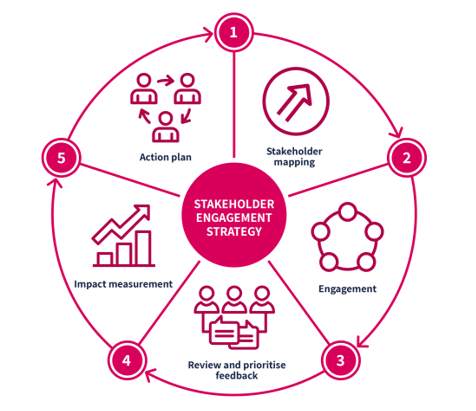
Innovation fuels national development, drives competitiveness, and supports sustainable economic growth. In Kenya, the Kenya Industrial Property Institute (KIPI) plays a central role in shaping this innovation landscape through a proactive and far-reaching stakeholder engagement strategy.
This strategy strengthens collaboration, enhances awareness of intellectual property (IP), and empowers innovators to protect and commercialise their creative work.
The Strategic Importance of Intellectual Property in National Development
Intellectual property is essential for transforming ideas into valuable assets. KIPI ensures that innovators can secure legal protection for their inventions, trademarks, industrial designs, and utility models. This protection not only supports economic growth but also encourages continued investment in research, creativity, and technology.
Strengthening Multi-Sector Collaboration
KIPI’s stakeholder engagement strategy is built on cooperation among academia, government, private sector players, civil society, and international partners. Each stakeholder contributes differently: universities offer research, government agencies provide policies, and industries drive commercialisation. This interlinking ensures a vibrant innovation ecosystem.
KIPI conducts joint programs with the Kenya National Innovation Agency (KENIA) to boost national research and innovation capabilities. These partnerships ensure that innovations move from concept to full-scale deployment.
Creating Awareness Through Nationwide IP Education
Awareness remains a critical pillar in building an innovation culture. KIPI conducts nationwide awareness campaigns to educate creators, students, SMEs, and industry leaders on the importance of intellectual property rights. These campaigns help prevent infringement, encourage innovation, and support commercialization.
Schools and universities benefit greatly from these programs. KIPI regularly collaborates with academic institutions to host IP days, training sessions, and innovation mentorship programs. Institutions can explore more educational content through the World Intellectual Property Organization (WIPO) portal.
Empowering Innovators Through Capacity Building Programs
KIPI provides structured training programs that help innovators understand patent drafting, trademark registration, and industrial design protection. These training sessions are designed for emerging innovators, SMEs, and established research institutions.
Through KIPI’s IP Training Institute, participants learn to:
- Identify protectable innovations
- Draft patents and trademarks
- Understand commercialization pathways
- Navigate international IP systems such as ARIPO and WIPO
Expanding Access Through Digital IP Services
To improve accessibility and efficiency, KIPI has digital platforms where innovators can file, track, and manage IP applications. These online systems make the registration process faster and more user-friendly.
For example, the KIPI Online Filing System enables users to submit their applications remotely, reducing costs and saving time. More details can be found on the KIPI e-services portal.
Building Innovation Ecosystems Through Expos and Competitions
KIPI organizes innovation expos, exhibitions, and competitions to offer innovators visibility and networking opportunities. These events allow inventors to showcase their creations, receive feedback, and attract potential investors.
Some of the most notable events include:
- National Innovation Expo
- Intellectual Property and Innovation Awards (IPIA)
- University Innovation Challenges
These platforms help innovators build connections with funding organizations, venture capital firms, and research partners.
Supporting Innovation Through Incentives and Grant Opportunities
To motivate creativity, KIPI collaborates with partners to offer grants, awards, and recognition programs. These incentives help innovators access funding, mentorship, and technical support.
KIPI also links innovators to the Kenya Industrial Research and Development Institute (KIRDI) for technical assistance and prototype development.
Encouraging International Collaboration
KIPI fosters cross-border collaboration by working closely with regional and international bodies such as:
- WIPO – for global IP systems
- ARIPO – for regional IP processes in Africa
- UNESCO – for innovation and science-based programs
These partnerships expand opportunities for Kenyan innovators to protect and commercialize their work globally.
Enhancing Policy Development Through Stakeholder Feedback
KIPI continuously refines its strategies using feedback from innovators, industry leaders, and research institutions. Public consultations allow stakeholders to contribute to policy development, ensuring that the national IP framework remains relevant and future-oriented.
Promoting Innovation Culture in Rural and Marginalised Communities
KIPI extends innovation awareness to rural communities to ensure inclusivity. Local artisans, small producers, and community-based innovators receive training on protecting traditional knowledge, cultural expressions, and grassroots innovations. This supports sustainable development across all regions.
Monitoring and Feedback for Continuous Improvement
KIPI prioritizes feedback from stakeholders to refine its programs and policies. Regular consultations help identify gaps, improve service delivery, and address emerging challenges. This responsive approach ensures that KIPI remains adaptive to the evolving needs of Kenya’s innovation community.
Developing a national innovation culture requires more than policy—it demands active engagement, education, and support. KIPI’s stakeholder engagement strategy demonstrates how structured collaboration, awareness campaigns, and recognition programs foster creativity, protect intellectual property, and stimulate economic growth. By continuing to invest in innovators, Kenya positions itself as a leading hub for innovation in Africa.
FAQs