by Mr. Maroa Noa | Nov 24, 2025 | Legal Framework, Operations, Strategy
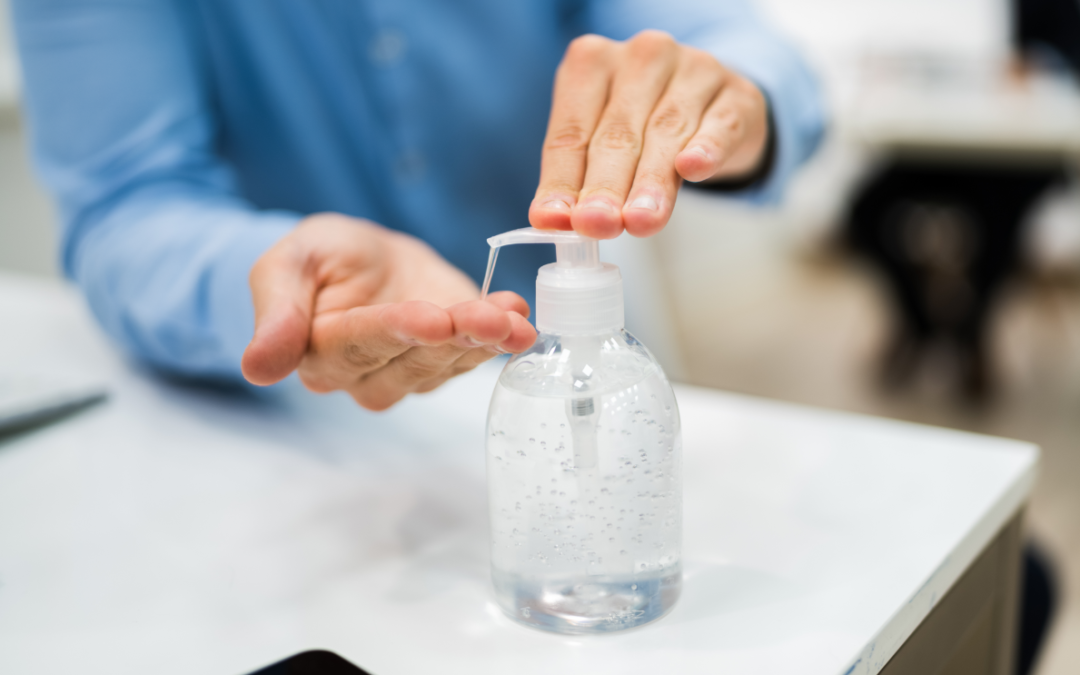
Alcohol-based hand rubs (ABHRs) remain a key part of infection prevention in Kenya. Pharmacies across the country often produce these products to meet local demand, especially during public health emergencies.
However, the Pharmacy and Poisons Board (PPB) and the World Health Organization (WHO) provide strict guidelines to ensure that hand rubs are effective and safe for community use.
This article explains these requirements in a simple and practical way, giving Kenyan pharmacy operators a clear path toward compliant production.
Understanding Alcohol-Based Hand Rubs
Alcohol-based hand rubs are disinfectant formulations used to inactivate harmful microorganisms. They provide fast action and require no water, making them ideal for both community and clinical settings. WHO recommends ABHRs containing ethanol or isopropyl alcohol at specific concentrations to maintain antimicrobial activity.
Why Kenyan Pharmacies Must Follow Approved Guidelines
Regulatory compliance protects consumers and protects your pharmacy from penalties. PPB enforces production standards to ensure safety, prevent contamination, and reduce the circulation of substandard products.
Adhering to guidelines also builds trust. Customers are more likely to rely on pharmacies that follow scientific and regulatory instructions. Furthermore, compliant production promotes public health during outbreaks such as COVID-19, cholera, and flu waves.
Essential Ingredients for Hand Rub Production
A compliant alcohol-based hand rub must use high-quality pharmaceutical-grade ingredients. WHO recommends only four main ingredients:
1. Alcohol (Ethanol 80% v/v or Isopropyl Alcohol 75% v/v)
This is the active ingredient that kills germs. Concentrations lower than recommended weaken the product’s effectiveness.
2. Hydrogen Peroxide 3%
Hydrogen peroxide inactivates bacterial spores in the solution. It protects the formulation during storage but does not act on the skin.
3. Glycerol (Glycerine) 98%
Glycerol acts as a humectant, preventing skin dryness. Only small amounts are needed to maintain skin comfort.
4. Sterile Distilled or Boiled Water
Water is used to dilute the alcohol to the required concentration. Ordinary tap water is not allowed.
These ingredients must remain pure and uncontaminated. Kenyan pharmacies should source them from PPB-approved suppliers.
Required Equipment for Production
Safe production requires clean, well-organised pharmacy space and proper equipment. Common tools include:
-
Measuring cylinders and beakers
-
Stainless steel mixing containers
-
Funnel and spouted bottles
-
Alcoholometers for concentration verification
-
PPE: gloves, masks, goggles
-
Clean, dust-free working benches
Using food containers or unverified plastic bottles may lead to contamination or chemical reactions. Pharmacies should use chemical-resistant materials that comply with PPB and WHO guidelines.
Step-by-Step Production Process (WHO Standard Method)
Step 1: Prepare the Working Space
Begin by cleaning and disinfecting surfaces. Ensure good ventilation because alcohol vapors accumulate easily.
Step 2: Measure Ingredients Accurately
Use calibrated tools to avoid errors. Even small inaccuracies may alter the alcohol concentration, rendering the product ineffective.
Step 3: Mix Ingredients in the Correct Order
Add alcohol first, then hydrogen peroxide, followed by glycerol. Mix using sterile conditions. Finally, add water to achieve the exact volume.
Step 4: Transfer Solution to Storage Containers
Seal containers tightly to prevent evaporation. Alcohol evaporates quickly and any exposure reduces the final concentration.
Step 5: Label the Final Product Clearly
Labels should include:
-
Product name
-
Composition
-
Production date
-
Batch number
-
Expiry date
-
Storage instructions
Clear labelling helps pharmacies track quality and respond to customer queries.
Step 6: Store in a Cool, Controlled Environment
Keep the product away from heat and sunlight. High temperatures degrade alcohol concentration and compromise efficacy.
Regulatory Requirements in Kenya
1. PPB Approval
PPB regulates pharmaceutical manufacturing and compounding. Pharmacies producing hand rubs must comply with PPB compounding and good manufacturing practice (GMP) guidelines.
2. Quality Assurance
Pharmacies must verify alcohol concentration through alcoholometers or laboratory tests. Substandard products violate the Public Health Act and may attract penalties.
3. Documentation and Batch Records
Every batch must have clear records for traceability. These include quantities used, dates, staff involved, and final yields.
4. Packaging Requirements
PPB requires safe packaging, child-proof caps, and tamper-evident seals where possible.
5. Retail and Distribution Standards
Pharmacies must separate production from service areas to maintain hygiene and customer safety.
Common Mistakes to Avoid
-
Using non-pharmaceutical-grade ingredients
-
Inaccurate measurements that weaken alcohol concentration
-
Storing hand rubs in hot environments
-
Poor labelling
-
Using unsterile bottles
-
Ignoring PPE and hygiene protocols
Avoiding these mistakes protects consumers and improves product quality.
Safety Precautions for Pharmacy Staff
Alcohol-based products are highly flammable. Pharmacies must:
-
Keep fire extinguishers nearby
-
Avoid open flames and sparks
-
Train staff on safe handling
-
Ensure proper ventilation
-
Store alcohol securely away from heat
These precautions reduce risks during production.
Why Quality Matters for Kenyan Pharmacies
High-quality hand rubs reduce infections within communities and healthcare environments. Kenya’s busy public spaces, transport systems, and hospitals rely heavily on effective sanitizers. Pharmacies that produce quality ABHRs fulfil a public health duty while building stronger customer trust.
Professional Support for Compliant Production
Pharmacies that want to improve their production processes can benefit from expert guidance. Clarity Pharma Consultancy offers support on regulatory compliance, WHO production protocols, PPB requirements, and quality assurance systems.
Their team helps pharmacies set up safe procedures and avoid common compliance errors in ABHR production.
FAQs
by Mr. Maroa Noa | Nov 21, 2025 | Legal Framework, Marketing, Risk Management
When you hold marketing authorisation for a medicine in Kenya, it is vital to keep it updated. Regulatory authorities expect any change—minor or major—to be reported promptly. In Kenya the Pharmacy and Poisons Act (Cap 244) and the associated rules govern such changes.
This article guides you through what you must know, how you should act, and how your business can remain fully compliant.
Understanding What “Changes to Registered Medicines” Means
A “change” or “variation” refers to any alteration in a registered medicine’s details after its approval. Examples include:
-
A new manufacturing site,
-
Changes in formulation or strength,
-
Label or packaging changes,
-
Change in distribution channel or licence holder,
-
New indication or withdrawal of an indication.
Under the Rules, the Pharmacy and Poisons Board (PPB) must be notified of any alteration that could affect safety, efficacy or quality.
Staying proactive helps avoid enforcement action, delays in marketing or supply disruptions.
When Should You Submit a Change?
You should submit a variation:
-
Before implementing the change, if it is major (e.g., manufacturing site, formulation).
-
Within a defined timeframe after implementing smaller changes (e.g., labelling wording).
-
Immediately when there is a safety-related change (e.g., adverse event, defect).
Failing to notify the regulator may lead to revocation of your registration certificate.
Key Requirements for Submitting a Variation
Here are the main compliance elements when preparing your submission:
Document the Change Clearly
You must describe the change, rationale, supporting data and impact on product quality, safety or efficacy.
The PPB’s guideline emphasises structured dossiers for variations.
Refer to the Legal Framework
Ensure your submission aligns with the Pharmacy & Poisons Act (Cap 244) and Regulations.
Use the Online Portal
The PPB requires submissions through its portal (for instance for registration and renewals).
Pay Applicable Fees
Variations may carry fees or retention requirements depending on the type of change and timeframe. Consult the current fee schedule.
Keep Records and Track Changes
Document the change, internal approvals, and retain submission proof. That helps during inspections or audits.
Step-by-Step Process to Submit a Change
Here’s a practical sequence you can follow:
-
Assess the Nature of the Change
Determine whether the change is minor, major or safety-related.
Minor: packaging, non-critical labelling text.
Major: formulation, manufacturing site, indication.
Safety-related: adverse reaction, defect.
-
Prepare Supporting Data
For major changes, include technical documents: justification, validation, stability, risk assessment.
The PPB guideline highlights the need for detailed information especially for APIs and finished products.
-
Complete Variation Application Form
Log into the PPB submission portal → fill the variation request form → attach required documents.
-
Submit Payment and Application
Ensure fees are paid. Submit the form with supporting documents via the portal or according to PPB instructions.
-
Await Acknowledgement and Reference Number
The PPB assigns a submission number. Use it for tracking and communication.
-
Implement the Change (if allowed) or Wait for Approval
Some major changes require PPB approval before implementation. For minor ones, you may implement while awaiting formal acknowledgement (depending on PPB policy).
-
Monitor the Review Process
Respond to queries from PPB promptly. Delay may result in rejection or request for more data.
-
Receive Variation Approval
Upon approval, update your marketing documents, labels, packaging and supply chain accordingly.
-
Update Internal Systems and Records
Inform relevant stakeholders, update SOPs, quality systems, staff training.
Best Practices to Improve Your Submission Success
-
Use clear, active-voice language in your submission.
-
Label documents with version numbers and dates.
-
Keep paragraphs short and headings distinct for readability.
-
Provide a cover letter summarising the change.
-
Use transition words like “furthermore”, “consequently”, “therefore” to ensure flow.
-
Link to authoritative external sources to support your rationale.
-
Maintain high-quality formatting, naming conventions and consistent references.
How Clarity Pharma Consultancy Can Assist You
If you need expert support navigating variation submissions to the PPB, we can help. At Clarity Pharma Consultancy, our team guides you through regulatory classification of change, dossier preparation, submission tracking and compliance assurance. We ensure your product stays compliant and supply continuity remains intact.
FAQs

by Mr. Maroa Noa | Nov 21, 2025 | Legal Framework, Marketing, Operations
In today’s global market, pharmaceutical supply chains face increasing risks and complexity. You must plan well, coordinate stakeholders, follow regulations, and deploy the right controls.
This article guides you step-by-step through best practices for securing pharmaceutical imports and exports, making your operations stronger and compliant.
Understanding the Importance of Supply Chain Security
A secure supply chain ensures that medicines remain safe, effective and authentic from origin to patient. It prevents counterfeits, product damage, regulatory breach and brand harm.
For companies involved in imports or exports, weak links in logistics, documentation or traceability can lead to major losses and reputational damage.
According to one review, pharmaceutical supply chains must manage regulatory compliance, complex networks of suppliers and the growing risk of counterfeits.
Key Regulatory Requirements for Imports & Exports
Before shipping or receiving pharmaceuticals across borders, you must know the rules. For example, Pharmacy and Poisons Board in Kenya publishes the Guideline on Import and Export of Health Products and Technologies, which emphasises the need for regulatory oversight for imports and exports, to prevent substandard or falsified products.
Elsewhere, Good Distribution Practices (GDP) define standards for how products must be stored, transported and traced.
Best Practices at Each Stage of the Supply Chain
Here are practices you should adopt for every major phase of your import or export cycle.
Supplier and Manufacturer Selection
-
Choose suppliers with strong quality systems and certifications.
-
Conduct audits of manufacturing sites, packaging and distribution.
-
Require transparency about component sourcing and subcontractors.
Documentation & Regulatory Compliance
-
Prepare accurate import/export customs documentation, licences and permits.
-
Label shipments clearly with lot numbers, expiry dates, handling instructions.
-
Validate that products meet destination country regulatory standards.
Packaging, Storage & Transportation
-
Use validated packaging that maintains required conditions (temperature, humidity).
-
Monitor cold-chain shipments with sensors and alerts.
-
Track shipments in real-time and record environmental data.
Traceability & Anti-Counterfeiting Measures
-
Assign unique identifiers to shipments and batches.
-
Consider technologies like blockchain or IoT for traceability.
-
Secure seals, tamper-evident packaging, and random checks.
Customs Clearance & Border Management
-
Ensure correct classification of products, tariffs, duty exemptions where applicable.
-
Coordinate with logistics providers, customs brokers and regulators.
-
Plan for inspections, delays and documentation mismatches.
Risk Management & Contingency Planning
-
Map out risks: supplier failure, transport disruption, regulatory changes, natural disasters. ResearchGate
-
Maintain safety stocks or alternate sources.
-
Monitor for alerts: recalls, counterfeit reports, import bans.
Continuous Monitoring & Audit
-
Perform regular internal audits of supply-chain practices and vendor performance.
-
Implement corrective and preventive actions (CAPAs) when deviations occur.
-
Review KPIs: lead time, temperature excursions, shipment damage, regulatory findings.
How Technology Supports Supply Chain Security
Modern technologies provide strong support:
-
IoT sensors monitor temperature, humidity and location in real-time for shipments.
-
Blockchain ledgers ensure immutable records of product origin and movement.
-
Advanced analytics / AI predict demand, identify risk patterns and optimise supply-chain networks.
-
Digital platforms manage documentation, compliance tracking and stakeholder collaboration.
Challenges You Should Be Aware Of
Despite best efforts, you may still face headwinds:
-
Varying regulatory frameworks across countries complicate compliance.
-
Cold-chain logistics remain expensive and prone to failure.
-
Counterfeiting and diversion stay persistent, especially in complex networks.
-
Data visibility across multiple tiers of suppliers is often limited.
-
Disruptions (pandemics, geopolitics, transport delays) continue to test resilience.
Practical Checklist for Importers & Exporters
Use this checklist to ensure you cover all bases:
-
Verify supplier credentials and quality system.
-
Confirm destination country import permits and regulatory standards.
-
Package and label products according to GDP and local laws.
-
Monitor shipment conditions and track real-time data.
-
Maintain complete documentation: invoices, licences, certificates of analysis.
-
Register unique identifiers for traceability and anti-tampering.
-
Coordinate customs, logistics, regulatory stakeholders early.
-
Conduct periodic audits and risk assessments of your network.
-
Implement a contingency plan for disruptions (alternate routes, suppliers).
-
Review performance metrics regularly and adjust operations as needed.
How Clarity Pharma Consultancy Can Help
At Clarity Pharma Consultancy, we support pharmaceutical importers and exporters in building secure, compliant, and resilient supply chains.
We offer:
-
Compliance review and regulatory gap analysis
-
Supply-chain audit and vendor assessment
-
Cold-chain validation and monitoring setup
-
Traceability strategy using technology tools
-
Documentation and customs advisory
-
Training for staff in supply-chain best practices
If you want to fortify your pharmaceutical imports/exports and minimise risk, contact us today to schedule a consultation.
FAQs

by Mr. Maroa Noa | Nov 20, 2025 | Legal, Legal Framework, Marketing
Medicine advertising influences how people choose and use pharmaceutical products. When the information is misleading or exaggerated, the public faces serious risks.
Because of this, the Pharmacy and Poisons Board (PPB) plays a central role in protecting Kenyans from unsafe promotion.
Through strict guidelines, consistent monitoring, and strong enforcement, the PPB ensures advertising remains responsible, truthful, and safe.
What Is the Pharmacy and Poisons Board (PPB)?
The PPB is Kenya’s national drug regulatory authority established under the Pharmacy and Poisons Act (Cap 244).
It oversees the quality, safety, and efficacy of all human medicines circulating in the country. In addition, the Board regulates every stage of the pharmaceutical chain—from manufacture and importation to distribution and promotion.
Why Regulating Medicine Advertising Matters
1. Preventing Misleading Claims
Misleading advertisements can cause people to trust medicines that do not work or that they do not need. Because of this risk, the PPB reviews every advertisement to ensure the claims remain factual. This approach prevents exploitation and protects vulnerable groups.
2. Reducing Self-Medication and Misuse
Aggressive promotion may encourage people to self-prescribe. As a result, they may delay proper treatment or overdose. By regulating advertisements, the PPB limits harmful self-medication and promotes safer health-seeking behavior.
3. Combating Counterfeit or Unapproved Medicines
Kenya faces challenges with counterfeit and illegal pharmaceuticals. Therefore, monitoring advertisements helps block unregistered or dangerous products from reaching the public. This enforcement reduces exposure to unsafe medicines.
4. Promoting Rational Use of Medicines
When advertisements remain accurate, people learn the correct uses and limitations of medicines. Consequently, the public benefits from better treatment outcomes and fewer complications.
How the PPB Regulates Medicine Advertising
1. Advertisement Approval Process
Before any medicine is advertised in Kenya, the PPB must issue written approval. Applicants submit an official form, pay a review fee, and provide the exact wording intended for public use.
This early review ensures every claim aligns with scientific evidence. It also filters out false and exaggerated promotional language.
2. Restrictions on Certain Disease Claims
The Pharmacy and Poisons Act prohibits advertisements that claim to cure certain severe conditions. These include cancer, tuberculosis, epilepsy, diabetes, and several other chronic diseases.
Because such conditions require specialized care, the Board blocks advertisements that may misguide desperate patients.
3. Reviewing Content for Accuracy and Balance
The PPB examines every message to ensure it does not oversell benefits or hide risks. When an advert appears extravagant or misleading, the Board rejects it or demands corrections.
These checks ensure that marketing focuses on facts rather than sensational promises.
4. Penalties for Non-Compliance
Companies that advertise without approval or violate advertising rules face fines or imprisonment. Offenders risk penalties such as fines up to KSh 20,000 or a year in jail for a first offence.
Since repeated breaches attract heavier punishment, organizations are encouraged to comply.
The PPB’s Wider Role in Protecting Public Health
1. Market Authorization and Licensing
Before a medicine reaches the market, the PPB evaluates it for safety, quality, and effectiveness. Once approved, the Board licenses manufacturers, distributors, and pharmacies. This licensing system ensures that only trained and certified professionals handle pharmaceuticals.
2. Pharmacovigilance and Post-Market Monitoring
Even after approval, medicines require continuous monitoring. Therefore, the PPB collects reports of side effects through its pharmacovigilance program. It also performs post-market surveillance to confirm that products in circulation meet safety standards. When risks appear, the Board issues warnings or recalls.
3. Enforcement Against Illegal Pharmaceutical Trade
The PPB regularly partners with police and county governments to shut down illegal pharmacies and seize unregistered medicines. These operations help maintain a safe pharmaceutical environment and protect communities from harmful products.
4. Public Awareness and Education
Beyond inspections and approvals, the PPB invests in public education. Through advisories, social media updates, and community outreach, the Board encourages responsible medicine use and alerts the public to emerging threats.
Key Challenges Faced by the PPB
Even with strong systems in place, the PPB faces several obstacles:
-
Growth of online advertising, which spreads unverified claims quickly.
-
Resource constraints, which limit monitoring capacity.
-
Low public awareness, especially in rural regions.
-
Emerging digital marketing tactics, such as influencer promotions.
Because the pharmaceutical environment keeps evolving, the PPB must continually strengthen its strategies.
Why the PPB’s Role Is Essential for Kenyans
Kenya’s public health relies heavily on accurate drug information. When advertisements are truthful and regulated, people can make informed decisions about their health.
Moreover, strict oversight builds confidence in the healthcare system and prevents exploitation. Ultimately, PPB’s role in regulating advertising contributes directly to safer, healthier communities.
The PPB plays a crucial role in safeguarding public health in Kenya. By regulating medicine advertising, approving products, monitoring safety, and enforcing laws, the Board prevents misinformation and protects consumers from harm.
As advertising grows more creative and digital, the PPB continues to strengthen its oversight to ensure that every promotional message remains accurate, honest, and safe.
FAQs
by Mr. Maroa Noa | Nov 19, 2025 | Legal, Legal Framework, Risk Management
Understanding the Threat of Counterfeit Medicines
Counterfeit or falsified medicines pose a serious threat globally and in Kenya. These products may contain incorrect doses, wrong ingredients, or harmful contaminants.
For instance, studies show that some fake anti-malarial drugs in Kenya contained lead, which caused kidney failure in one patient.
Given this risk, the PPB has intensified efforts to protect consumers and uphold medicine quality.
The Role of the PPB in Safeguarding Medicines
The PPB regulates the manufacture, importation, distribution and sale of drugs and poisons under the Pharmacy and Poisons Act.
It maintains standards, monitors the market, and works with partners to detect and remove counterfeit medicines.
Key Measures the PPB Uses to Fight Counterfeits
Market Surveillance and Product Verification
The PPB conducts routine sampling of medicines across pharmacies and health facilities. It analyses products in labs to check whether they meet specifications.
Additionally, the PPB helped roll out a mobile-based verification app (in partnership with innovators) that allows consumers to scan drugs and verify authenticity.
Collaboration with the Anti-Counterfeit Authority
In 2024, the PPB signed a Memorandum of Understanding (MoU) with the Anti‑Counterfeit Authority (ACA) to bolster joint actions against illicit medicines.
Through shared data, training, outreach and enforcement, the agencies strengthen their collective response.
Legal and Regulatory Crack-Downs
The government, via PPB and law-enforcement, issues warnings and takes action against illegal chemists and unlicensed distributors.
These actions help deter counterfeit trade and protect genuine supply chains.
How Consumers Can Verify Their Medicines
Consumers also have a role. Here are practical steps:
-
Purchase medicines only from licensed pharmacies.
-
Check that the premises display a valid pharmacy license and registration code.
-
Use verification tools (such as SMS or app services) to validate the drug.
-
If you suspect a fake product, keep the medicine pack, receipt and report to PPB via their hotline or email.
Why Removing Counterfeits Matters for Public Health
Counterfeit medicines undermine trust in health systems and risk lives. They can make diseases worse, cause drug-resistance, increase treatment costs and create economic burdens for households.
By removing falsified and sub-standard medicines, the PPB supports patient safety, strengthens the pharmaceutical sector and protects Kenya’s health outcomes.
What the Future Holds: Strengthening Systems and Technology
The PPB continues to modernise regulation. Further, new tech-platforms, enhanced imports monitoring and regional cooperation aim to make Kenya’s supply chain more resilient and transparent.
How Clarity Pharma Consultancy Can Assist
Keeping medicines authentic requires more than regulation alone — it needs the right systems, compliance checks and stakeholder awareness.
Clarity Pharma Consultancy offers professional guidance on pharmaceutical supply-chain audits, verification tools, staff training and regulatory alignment. If you operate in the pharmaceutical field and want to ensure your operations meet PPB standards, get in touch.
FAQs

by Mr. Maroa Noa | Nov 19, 2025 | Legal Framework, Marketing, Operations, Strategy
Navigating medicine registration in Kenya can be complex. The Pharmacy & Poisons Board (PPB) regulates all medicinal substances under the Pharmacy and Poisons Act, Cap 244. This process ensures that only safe, effective, and quality medicines enter and remain in the Kenyan market.
In this guide, we walk you through each step — from application to approval — so you stay compliant, protect public health, and succeed with your pharmaceutical product.
Why Register Medicines with the PPB?
Before diving into the process, it’s worth understanding why registration matters:
-
Legal Obligation: Under the Pharmacy and Poisons (Registration of Drugs) Rules, no one can import, manufacture, or sell a drug in Kenya unless it is registered.
-
Public Safety: Registration ensures that medicines meet standards of safety, quality, and efficacy.
-
Market Authorization: The PPB issues a marketing authorization, which gives legal status to the product in Kenya.
Step 1: Prepare Your Dossier (Application Package)
First, compile a complete dossier in the required format. According to PPB guidelines, you should prepare:
- CTD (Common Technical Document) modules for quality, safety, and efficacy.
- A stability report for both active pharmaceutical ingredients (APIs) and finished products.
- A Summary of Product Characteristics (SmPC) detailing dose, side effects, contraindications, and more.
- Certificates, such as the Certificate of Pharmaceutical Product (CPP) from the country of origin if imported.
Make sure your documents are in English. If some are in another language, provide a certified translation.
Step 2: Appoint a Local Agent (If Applicable)
If your product is manufactured outside Kenya, PPB requires you to have a local agent or representative in Kenya:
Step 3: Submit Your Application to PPB
Once your dossier is ready:
-
Fill out Form 1 (for new drug registration) or Form 1A (for renewal) as prescribed in the PPB rules.
-
Submit one hard copy and one electronic copy (PDF), along with a Word version for Modules 1 and 2.
-
Send three samples of the smallest commercial pack from one batch, along with certificates of analysis.
-
Include your non-refundable application fee. According to the rules, the fee is KES 5,000 for imported drugs, and KES 1,000 for locally manufactured ones.
Step 4: Pay Registration and Inspection Fees
After submitting your application, you must pay:
PPB may inspect your plant to ensure compliance with GMP.
Step 5: PPB Evaluation Process
After you submit:
-
PPB reviews your dossier for completeness and scientific merit.
-
A Committee on Drug Registration evaluates the application.
-
PPB may request additional data or clarifications. You must respond within six months or risk withdrawal.
-
Once satisfied, PPB issues your Certificate of Registration (Form 2).
If they reject the application, they must provide written reasons. You can appeal or reapply.
Step 6: Post‑Approval: Retention, Variation, and Renewal
Retention
Registered medicines must be “retained” annually by submitting certain documentation.
Variations
If you change any part of your product (formulation, pack size, manufacturing site), apply for a variation through PPB.
Renewal
Drug registration is valid for five years, after which you must renew to continue marketing.
Step 7: Compliance & Market Surveillance
After registration, stay compliant by:
-
Keeping accurate batch records
-
Performing quality control tests on manufactured or imported batches
-
Observing labeling requirements and package inserts
-
Responding to PPB’s market surveillance checks
PPB has issued warnings against unregistered products. In 2025, they cautioned pharmacies and importers against selling drugs that reference the Indian Pharmacopoeia (IP), as they do not meet Kenya’s regulatory standards.
Common Challenges & How to Overcome Them
-
Incomplete Dossier: Double-check every module before submission.
-
Delayed Responses: Assign a responsible officer to handle PPB queries and follow up.
-
Inspection Failures: Prepare thoroughly for GMP inspection; ensure your facility meets standards.
-
Misunderstanding Fees: Know whether your product is imported or locally made — fees differ.
-
Non‑compliance Post‑Registration: Set up internal quality systems to stay audit-ready.
How Clarity Pharma Consultancy Can Help
Navigating the PPB drug registration process can be daunting, especially for first-time applicants. Clarity Pharma Consultancy offers expert guidance on every step — from compiling your dossier to preparing for GMP inspections and maintaining compliance after registration.
If you want to fast‑track your application, avoid common pitfalls, and comply with all PPB requirements, reach out to Clarity Pharma Consultancy today for a tailored consultation.
FAQs