
by Mr. Maroa Noa | Nov 13, 2025 | Law, Legal, Legal Framework
In an era where innovation drives competitive advantage, understanding industrial property rights becomes indispensable for startups. In Kenya, a favourable legal and institutional framework has been established to help enterprises secure and monetise their creative outputs.
This article unpacks the essentials of industrial property rights, explains why they matter for a budding enterprise, and offers practical steps for protecting your startup’s intellectual assets.
What are Industrial Property Rights?
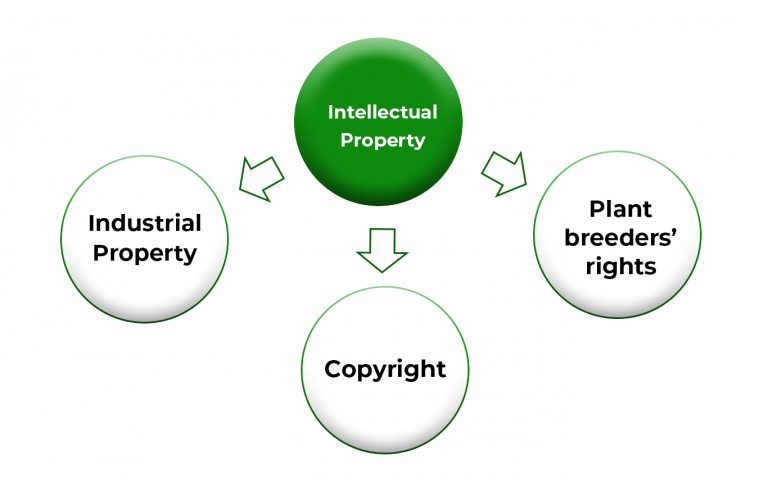
Industrial property rights refer to a subset of intellectual property rights (IPR) that focus on inventions, industrial designs, utility models, trademarks, and other similar protections. In Kenya, the Kenya Industrial Property Institute (KIPI) is the principal agency responsible for their registration and management.
Specifically, under the Industrial Property Act No. 3 of 2001, KIPI was established to administer processes covering patents, utility models, industrial designs and technologies. As a startup founder, you will often hear of two key types of rights:
-
Patents: Exclusive rights granted for new inventions (solutions to technical problems).
-
Trademarks: Distinct signs, symbols, logos or words that distinguish your goods or services.
Additionally, there are industrial designs, which protect the ornamental or aesthetic aspects of a good, and utility models, which are lighter-weight protection for innovations in structure or mechanism.
Why Should Startups in Kenya Care?
For startups, time and money are precious resources. Without securing your industrial property rights early:
-
You risk competitors copying your innovation or branding, limiting your ability to differentiate in the market.
-
Your ability to raise investment, license your technology, or expand into regional and global markets may be weakened.
-
Your business may lose out on monetisation opportunities (licensing, franchising, assignment) that stem from rights ownership.
Empirical evidence suggests that firms which secure intellectual property rights show stronger growth trajectories. KIPI’s awareness-survey emphasises that protecting IPR encourages further research and development, thus contributing to Kenya’s economic growth.
Key Industrial Property Rights for Kenyan Startups
Below is a simplified overview of the most common rights you should consider:
1. Patents
Granted for inventions that are new, involve an inventive step, and are industrially applicable. Once granted by KIPI, the patent confers exclusive rights to exploit the invention for a defined period (typically 20 years).
2. Utility Models
A more accessible form of protection for incremental innovations—sometimes described as “mini-patents”. These are particularly helpful for startups with tighter budgets or faster-moving tech.
3. Industrial Designs
These safeguard aesthetic or non-functional features of a product (shape, configuration, ornamentation). For example, if you manufacture an ergonomic tool or a distinctive gadget housing, the design right could apply.
4. Trademarks
Crucial for brand identity. A trade mark registered with KIPI provides direct evidence of your ownership and facilitates enforcement against imitators.
5. Technology Transfer, Licensing & Commercialisation
Once you hold industrial property rights, you may consider commercialising them—licensing to others, franchising, or assigning the rights. KIPI provides guidelines specifically addressing IP commercialisation in Kenya.
How to Protect Your Rights – A Step-by-Step Guide
Here is a practical roadmap for startups:
-
Audit your innovation and branding – Identify what you have invented, created or branded. Ask: Is this new? Is it your own creation? Is it vital to your business model?
-
Search and clearance – Before applying for a patent or trademark, conduct prior art or mark-searches to avoid conflicts or refusals.
-
Choose the right protection – Decide whether you need a patent, design or simply a trademark (or combination thereof). Cost, speed and commercial fit matter here.
-
Prepare and file application with KIPI – Use the official channels (for example through KIPI’s eCitizen portal) to submit your applications.
-
Maintain and monitor – Once registered, upkeep fees may apply, and you should monitor the market for infringers or unauthorised uses.
-
Commercialise your rights – Consider licensing, assignment or franchising; use Non-Disclosure Agreements (NDAs) when sharing your innovation with partners.
-
Enforce your rights – If someone infringes, be prepared to act. KIPI provides public awareness and you may ultimately enforce rights through courts or tribunals.
Common Challenges for Startups & How to Overcome Them
● Limited budgets: Filing and prosecution costs may be high. Solution: Prioritise the most commercially significant rights first.
● Knowledge gap: Many startups are unaware of how industrial property rights work. Solution: Participate in KIPI training and outreach programmes.
● Enforcement difficulties: Rights may exist on paper, but actual enforcement can be slow or expensive in Kenya. Solution: Embed enforcement strategies in your business plan and build partnerships with IP agents.
● Governance changes: Recent developments show that regulatory oversight and governance at KIPI can affect registration processes.
Practical Tips for Kenyan Startups
-
Early registration = stronger commercial footing. Don’t wait until after investor due-diligence to start the IP process.
-
Keep detailed documentation of your innovation process—this helps when filing for patents or defending ownership.
-
Use clear and distinctive branding from day one and register the trade mark before someone else does.
-
Factor IP costs (registration, renewal, agents) into your startup budget and financial model.
-
Explore regional/international IP filings if you plan to export or expand beyond Kenya—your Kenyan registration can serve as a basis.
-
Leverage the resources of KIPI, including their public information, guidelines and training.
FAQs

by Mr. Maroa Noa | Nov 13, 2025 | Law, Legal, Marketing, Operations
In Kenya, the intersection of gender and intellectual property (IP) presents both a challenge and an opportunity. Women, despite their substantial contributions to innovation, creativity and enterprise, often encounter systemic barriers in protecting and commercialising their inventions and creative works.
The Kenya Industrial Property Institute (KIPI) plays a pivotal role in addressing this gap, and its initiatives increasingly offer a pathway toward gender-inclusive innovation.
Understanding the Gender Gap in Intellectual Property
It is essential to recognise that the gender gap in IP is neither incidental nor trivial. Globally, the World Intellectual Property Organization (WIPO) reports that only about one-third of international patent applications list a woman inventor, thereby indicating a persistent imbalance.
In Kenya, research by the Kenya Institute for Public Policy Research and Analysis (KIPPRA) similarly reveals that women-owned firms are less likely to innovate and to engage in IP registration than their male counterparts.
Several factors contribute to this disparity: limited awareness of IP rights among women entrepreneurs; fewer mentorship and networking opportunities; constrained access to funding; and social norms that undervalue women’s inventive and entrepreneurial contributions. In effect, although women may innovate or create, the transformation of those ideas into protected, commercial assets remains uneven.
The Role of KIPI in Promoting Women’s Participation in IP
As Kenya’s national IP office, KIPI is mandated to register patents, trademarks, industrial designs and utility models, and to promote IP awareness across sectors. Its work is therefore central to realising more inclusive innovation. For example:
- KIPI has been instrumental in training entrepreneurs, including women drawn from more than 20 counties, on the significance of IP protection in business.
- In collaboration with WIPO and other partners, KIPI supports programmes that help inventors, micro, small and medium enterprises (MSMEs) to protect their ideas and commercialise them.
- KIPI’s awareness-survey of 2020 shows the gender distribution of respondents (male vs female) in enterprises and individuals engaging with IP. While roughly 39 % were female in some categories, the data highlight the potential to increase women’s engagement.
Through such measures, KIPI is helping to bridge the gender gap by making IP services more accessible and by encouraging women innovators to step forward.
Key Initiatives and Their Impact
1. Decentralised Training and Sensitisation
KIPI has implemented outreach programmes across Kenya to sensitise entrepreneurs—including women—about the value of IP. The “Decentralisation of IP Services” project trained over 300 women entrepreneurs from 20+ counties. Business Today Kenya Among the outcomes was the commercialisation of crafts (such as sisal basketry) from cottage activity into full-time businesses, emphasising how IP awareness can catalyse economic transformation.
2. Inventor Assistance Programme (IAP)
Under the “Inventor Assistance Programme”, launched in Kenya in partnership with WIPO, KIPI links inventors—including women—with volunteer patent attorneys or agents who help guide the filing and protection process. Such initiatives reduce the cost, complexity and risk associated with IP protection, thereby making it more attainable for women-led innovations.
3. Policy and Strategy Engagement
KIPI is also involved in Kenya’s third-attempt National Intellectual Property Policy and Strategy (NIPPS), which explicitly acknowledges the low participation of women, SMEs and universities in IP filings. By shaping policy with gender and inclusion in mind, KIPI helps to create an enabling environment for women in IP.
Why Focus on Women and IP Matters
When women innovators are fully included, the benefits are manifold. First, protecting IP empowers women to monetise their creativity and inventions, contributing to income generation and economic empowerment.
Second, greater women participation in innovation fosters diversity of ideas and broadens the problem-solving pool — a necessity in sectors such as agriculture, health, manufacturing and digital technologies. As WIPO notes, failing to tap into women’s innovative potential undermines overall innovation capacity.
Third, inclusive IP regimes help address gender-inequities more broadly, signalling value for women’s contributions and reinforcing their role as change-makers rather than mere participants.
Remaining Challenges and What Must Be Addressed
Despite progress, several hurdles persist:
- Awareness and education gaps: Many women entrepreneurs remain unaware of IP rights or do not understand how to navigate IP registration and commercialisation.
- Resource constraints: Filing and maintaining IP rights can be costly; women entrepreneurs often lack access to funding or legal networks.
- Cultural and social barriers: Gender-norms may limit women’s confidence or access to networks crucial for innovation and IP processes.
- Digital and technical divide: Since IP filing increasingly involves digital systems, women at the margins may be disadvantaged by less access to devices and digital skills.
- Data and measurement: Accurate, gender-disaggregated data on IP participation remain limited, hindering targeted interventions.
Given these constraints, a multi-pronged approach is required—one that combines policy reform, training, mentorship, financial support and cultural change.
Practical Tips for Women Innovators in Kenya
If you are a woman in Kenya with an idea, invention or creative work, here are some steps you can take:
- Educate yourself on IP basics: Understand what patents, utility models, trademarks and industrial designs are. For example, the registration requirements in Kenya include naming the applicant, description, claims, and drawings where necessary.
- Seek out training programmes: Tap into KIPI outreach events or partner-organisations that train entrepreneurs on IP.
- Leverage mentorship: Participate in programmes such as the IAP where you can be paired with a volunteer patent attorney or agent.
- Secure your funding: Explore grants, accelerator programmes or partnerships that support women innovators and reduce cost barriers.
- Document and protect early: Even if you cannot afford full registration yet, keep documentation of your innovation—design sketches, prototypes, lab notebooks, creative drafts.
- Commercial-thinking: Consider how your innovation can be taken to market—not merely protected. IP works best when it is part of a commercial strategy.
- Network and join communities: Build connections with other women innovators, IP professionals, industry players and mentors.
- Use existing IP systems: Register your rights with KIPI and follow up on maintenance, enforcement and commercial exploitation.
The inclusion of women in Kenya’s intellectual property ecosystem is not simply a matter of equity; it is a strategic imperative.
The Kenya Industrial Property Institute is increasingly playing a transformative role through awareness training, assistance programmes and policy engagement that help bridge the gender gap. When women’s innovations are protected and commercialised, the entire economy benefits—not least through stronger entrepreneurship, job creation and diversification.
FAQs
by Mr. Maroa Noa | Nov 13, 2025 | Law, Legal, Legal Framework
In today’s knowledge-driven world, intellectual property (IP) protection plays a central role in encouraging innovation and creativity. However, beyond the granting of patents, trademarks, or industrial designs, openness in these processes remains crucial.
The Industrial Property Journal helps achieve this transparency. It acts as a bridge between inventors, businesses, and the public by offering a reliable record of all industrial property activities. This article explains how the Journal promotes transparency, why it matters, and how it benefits different stakeholders.
What Is the Industrial Property Journal?
The Industrial Property Journal is a public publication issued by national or regional intellectual property offices. It contains records of filings, registrations, renewals, and other legal actions involving patents, utility models, trademarks, and industrial designs.
In Kenya, for instance, the Kenya Industrial Property Institute (KIPI) publishes the Industrial Property Journal regularly under national IP laws (KIPI Journal). Through this publication, anyone can access accurate details about existing IP rights—who owns them, when they were filed, and what they cover. This open access builds confidence in the IP system and prevents hidden ownership or secret filings.
Why Transparency in IP Matters
Transparency in industrial property ensures that the system remains open, fair, and predictable. It helps various groups in several ways:
-
Legal certainty: Businesses can verify existing patents, trademarks, or designs before launching new products, which reduces the risk of infringement.
-
Public accountability: Citizens and competitors can see what rights have been granted and to whom, fostering trust in the IP system.
-
Encouraging innovation: By viewing published rights, inventors can identify market gaps and focus on creating truly original work.
-
Supporting economic growth: Transparent IP systems attract investors who value predictable and fair business environments.
Therefore, transparency is not just an administrative goal—it’s a foundation for innovation and development.
How the Journal Enhances Transparency
The Journal strengthens transparency through several stages:
-
Filing and Examination: When applicants file patents, trademarks, or designs, the IP office reviews them under the law.
-
Publication: Once accepted, key details—such as the application number, applicant name, and filing date—are published in the Journal.
-
Public Monitoring: After publication, third parties can review or object to specific filings during the opposition window.
-
Record Updates: The Journal also lists renewals, assignments, and cancellations, ensuring the public always has the latest information.
-
Access and Archives: Most Journals, including Kenya’s, are now available online, allowing researchers and the public to review both current and past editions.
By following this transparent process, the Journal guarantees that the IP system remains open and traceable.
Benefits for Different Stakeholders
1. Inventors and SMEs
Inventors and small businesses benefit greatly from the Journal. They can study published inventions to avoid duplication and to identify collaboration or licensing opportunities. This helps them save costs and focus on innovation that fills existing gaps.
2. Large Companies
For established firms, the Journal provides valuable market insights. It helps them track competitors’ filings, plan strategic moves, and manage legal risks effectively. Therefore, transparency becomes an essential tool for competitiveness.
3. Legal Practitioners
Lawyers and IP agents depend on the Journal to advise clients accurately. They use it to confirm the status of applications and ensure compliance with IP laws.
4. The General Public and Government
For the public, the Journal builds confidence in the fairness of the IP system. Governments also benefit because open publication helps reduce fraud, duplication, and disputes while promoting innovation-led economic growth.
Challenges in Maintaining Transparency
Although the Journal plays a vital role, a few challenges still exist:
-
Delayed Publications: Late updates can reduce the effectiveness of the system.
-
Limited Awareness: Many small inventors are unaware that the Journal exists or how to use it.
-
Accessibility: Some versions remain too technical or difficult to navigate.
-
Incomplete Data: Missing updates on renewals or ownership transfers may cause confusion.
These issues can be resolved through awareness programs, digitisation, and regular updates to ensure every stakeholder benefits equally.
Why the Journal Matters for Innovation
Transparency through the Journal directly influences innovation and growth. When inventors have access to reliable information, they make informed decisions. Similarly, when companies can review published rights, they reduce conflicts and encourage fair competition.
In Kenya and other developing economies, stronger IP transparency has been linked to higher investment in research and industrialisation (ACA Publication). Thus, a transparent Journal supports the broader national agenda for innovation, industrial growth, and sustainable development.
Interlinking with Related Concepts
The Journal is connected to several key areas of IP management:
-
Freedom to Operate (FTO): Before launching a new product, businesses consult the Journal to confirm they’re not infringing existing rights.
-
Licensing and Technology Transfer: By revealing who owns specific rights, the Journal makes it easier to negotiate licenses.
-
IP Enforcement: Publication provides public notice, which strengthens the enforceability of IP rights.
-
Market Research: Transparent data on IP filings helps investors and policymakers understand innovation trends.
Each of these areas depends on clear and timely publication of IP information.
Recommendations for Better Use
To maximize the Journal’s impact:
-
Inventors and businesses should regularly check new publications before developing new products.
-
Governments should ensure the Journal is accessible and easy to navigate.
-
The IP office should publish updates on time and make them searchable online.
-
Training programs should teach entrepreneurs and students how to interpret IP data.
When these steps are followed, the Journal becomes a practical tool for innovation and business growth.
The Industrial Property Journal remains a cornerstone of intellectual property transparency. It ensures that everyone—from inventors to corporations—has equal access to vital information about registered rights. By promoting openness, accountability, and innovation, the Journal supports economic growth and fairness in the global marketplace. With continued digitisation, awareness, and timely publication, it can further strengthen trust and progress in the intellectual property landscape.
FAQs

by Mr. Maroa Noa | Nov 8, 2025 | Law, Legal, Legal Framework
Bridging Academia and Innovation Commercialization
Kenya’s universities and research institutions are vibrant centers of creativity and discovery. Every year, they produce groundbreaking research addressing issues such as agriculture, technology, and public health. However, many of these innovations remain untapped or are lost to competitors due to a lack of proper intellectual property (IP) management.
The Kenya Industrial Property Institute (KIPI) plays a transformative role in bridging this gap. As the national body responsible for the protection of industrial property rights, KIPI equips academic institutions with tools and guidance to protect, manage, and commercialize their innovations effectively. This article explains how universities and research institutions can make the most of KIPI’s services to convert academic discoveries into real-world impact and sustainable revenue.
Filing Support: Making Innovation Legally Recognisable
Protecting innovation begins with proper registration. KIPI provides direct filing support that simplifies the process of registering patents, trademarks, and industrial designs. Through this service, universities can ensure that their research outputs are legally recognized and safeguarded against unauthorized use.
Universities can coordinate through their Intellectual Property Offices (IPOs) or Technology Transfer Offices (TTOs)to file applications with KIPI. The institute offers detailed support on preparing technical documents and using the correct forms, such as:
This step ensures that researchers receive full recognition and ownership of their inventions. Legal protection also enables institutions to pursue collaborations, attract investors, and benefit from licensing or royalties.
Learn more about filing patents and designs on KIPI’s official patent registration page.
Technology and Innovation Support Centers (TISCs): Enabling Access to Global Knowledge
In collaboration with the World Intellectual Property Organization (WIPO), KIPI has established Technology and Innovation Support Centers (TISCs) at selected Kenyan universities and research institutions. These centers are designed to strengthen institutional capacity in innovation management.
Through TISCs, researchers gain:
-
Free access to international patent databases, including WIPO PATENTSCOPE.
-
Training on technical and patent searches to identify global trends and avoid duplications.
-
Guidance on IP drafting and filing, tailored to institutional research goals.
TISCs serve as one-stop innovation hubs that empower academic communities to identify research gaps, strengthen patent applications, and align their inventions with global standards.
IP Awareness and Capacity Building: Creating a Culture of Innovation
KIPI actively promotes intellectual property awareness across Kenya’s academic landscape. By conducting seminars, webinars, and in-person workshops, KIPI helps universities cultivate a deeper understanding of IP rights and their commercial potential.
Key topics covered in these sessions include:
-
Fundamentals of IP law and protection – ensuring researchers understand their rights.
-
Commercialization strategies – turning academic outputs into viable business ventures.
-
University IP policy development – creating institutional frameworks for ownership and revenue sharing.
These initiatives complement Kenya’s National Innovation and IP Policy by building a knowledge-driven economy where universities not only publish research but also protect and profit from it. A well-informed academic community is more likely to innovate confidently and sustainably.
Commercialisation Pathways and Technology Transfer: Turning Ideas into Impact
Research has no real value if it remains on paper. KIPI helps institutions move inventions from laboratories to the marketplace by supporting commercialization and technology transfer processes.
Through its expert advisory services, KIPI guides universities on:
-
Licensing models (exclusive or non-exclusive) that generate royalties while retaining ownership.
-
Formation of spin-off and start-up companies built around university-patented technologies.
-
Establishing Public-Private Partnerships (PPPs) that link academia with industry.
These commercialization routes not only benefit inventors financially but also boost Kenya’s industrial growth. KIPI ensures that all agreements comply with the Industrial Property Act, 2001, safeguarding both institutional and inventor interests.
For example, universities can collaborate with Kenya National Innovation Agency (KENIA) to align their innovations with national commercialization strategies.
Institutional IP Policy Development: Setting the Rules of Engagement
Every university needs a clear IP policy to define ownership, benefit-sharing, and disclosure procedures. KIPI provides guidance and templates that help universities establish comprehensive IP policies aligned with national laws.
Such policies ensure:
-
Researchers know how and when to disclose new inventions.
-
Fair distribution of royalties between the university, departments, and inventors.
-
Accountability and consistency in commercialization processes.
With KIPI’s assistance, institutions can build transparent and motivating environments that reward innovation. For universities seeking templates, KIPI provides resources and model policies through its IP Policy Development Program.
Notable Success Stories: Proof That It Works
Several Kenyan universities have demonstrated how effective collaboration with KIPI can lead to impactful results:
-
Egerton University: Through support from TISC, Egerton patented a manual planter tool for smallholder farmers, later licensed to local manufacturers. This innovation improved agricultural efficiency while generating revenue for the institution.
(Read more about Egerton’s innovation initiatives on Egerton University’s Research Directorate site.)
-
University of Nairobi: Partnering with KIPI, UoN hosts annual innovation weeks showcasing student and faculty inventions. The initiative has led to multiple patent filings and fostered industry partnerships.
(Learn more at University of Nairobi Innovation Week.)
These stories highlight how protecting intellectual property with KIPI transforms ideas into tangible impact — benefiting both society and the institutions themselves.
FAQs

by Mr. Maroa Noa | Nov 8, 2025 | Law, Legal, Legal Framework
Creating intellectual property (IP) is only the beginning of a successful innovation journey. In Kenya, inventors, entrepreneurs, and businesses can leverage licensing as a strategic approach to monetize their IP without the complexities of manufacturing or direct market entry.
Licensing allows innovators to generate income, enter new markets, and share technology responsibly. The Kenya Industrial Property Institute (KIPI) plays a pivotal role in facilitating IP licensing, ensuring legal protection, public awareness, and dispute resolution.
This guide explores the legal foundations, procedural requirements, and commercial benefits of IP licensing in Kenya.
Understanding Intellectual Property Licensing
IP licensing is a contractual arrangement where the owner of intellectual property, known as the licensor, permits another party, the licensee, to use their IP rights. In exchange, the licensee typically provides compensation, either as royalties, lump-sum payments, or other negotiated financial terms.
Licenses can vary in type: exclusive licenses grant rights to only one licensee, non-exclusive licenses allow multiple licensees, and co-exclusive licenses combine elements of both. Licensing provides flexibility and enables IP owners to expand their reach without directly managing operations.
Types of IP Licenses Supported in Kenya
Patent Licenses
Patent licenses allow the licensee to utilize inventions protected under patents granted by KIPI. These licenses enable innovators to monetize their inventions while ensuring the rights remain legally protected. Patent licensing often forms the foundation for technology transfer and collaborative industrial partnerships.
Trademark Licenses
Trademark licenses permit the use of brand identifiers, such as logos, names, and slogans. By licensing trademarks, businesses can expand their brand reach, build recognition, and maintain consistent quality across different markets. Properly licensed trademarks help prevent brand dilution and maintain consumer trust.
Design Licenses
Design licenses protect the aesthetic aspects of products, including patterns, shapes, or ornamental features. Licensing designs allows manufacturers or retailers to produce visually distinctive products, enhancing market competitiveness and consumer appeal.
Franchise Models
Franchises combine trademark rights and technical know-how into structured business systems. By licensing franchises, businesses can replicate successful models across regions, providing training, marketing support, and operational guidance while generating royalty income.
Technology Transfer Agreements
Technology transfer agreements are often used in academia and industrial research. These agreements facilitate the sharing of expertise, know-how, and technical innovations, promoting local manufacturing capabilities and fostering collaboration between research institutions and businesses.
Legal Requirements for Licensing in Kenya
All IP licensing agreements in Kenya must comply with the Industrial Property Act and the Trade Marks Act. Key legal requirements include:
- Written Agreements: Licensing contracts must be in writing and signed by both parties to be enforceable.
- Scope and Terms: The agreement should clearly define the license scope, territorial coverage, duration, and financial arrangements.
- Compliance with Competition Laws: Agreements must avoid clauses that limit fair competition or hinder market access.
- Registration with KIPI: Legal recognition and enforcement require registration with KIPI.
Forms and Registration Procedures
KIPI provides specific forms to streamline licensing and rights transfer:
- Form IP33: Used to request registration of a license contract.
- Form IP34: Applied for the assignment of IP rights or transfer of ownership. KIPI reviews submitted agreements to ensure compliance with statutory requirements, safeguarding all parties from exploitation or legal ambiguity.
Commercial Benefits of Licensing
Licensing IP offers significant business advantages:
- Monetization: Innovators earn recurring income through royalties without additional capital investments.
- Market Expansion: Licensees can access new markets using existing IP, enabling faster business growth.
- Risk Mitigation: Sharing commercialization with partners reduces financial and operational risks.
- Technology Transfer: Licensing encourages local production and knowledge sharing, supporting innovation ecosystems.
KIPI’s Role in Supporting Licensing
KIPI actively supports licensing through:
- Guidance and Advisory Services: Offering legal and procedural advice to IP owners.
- Public Registries: Maintaining records of licensed IP for transparency.
- Dispute Resolution: Mediating conflicts between licensors and licensees when needed.
- Educational Programs: Conducting seminars, workshops, and training to educate innovators on best practices.
Examples of Successful Licensing in Kenya
- Med-Tech Startup: A Kenyan healthcare technology firm licensed its patent to an overseas manufacturer, generating royalty income and achieving global market presence.
- Food Brand Expansion: A Nairobi-based food brand franchised its logo and recipe to regional outlets, leveraging trademark licensing for business growth.
Common Mistakes Made by First-Time IP Applicants in Kenya
Understanding and avoiding common mistakes can save time, money, and resources:
Filing Too Late
Delaying IP filings often leads to loss of novelty, making inventions ineligible for patent protection. Innovators should file promptly after developing their idea.
Using Weak or Generic Trademarks
Descriptive or generic names cannot be protected legally. Trademarks must be distinctive to effectively differentiate products and services.
Incomplete or Poorly Drafted Specifications
Patent applications require clear, precise descriptions and well-structured claims. Ambiguity can result in rejection or limited protection.
Ignoring Deadlines and Renewal Dates
Failing to respond to KIPI queries, submit complete specifications within 12 months, or renew registrations can lead to application lapses or rejections.
Not Using Registered IP Agents
DIY filing may seem cost-effective but often results in procedural errors. Accredited IP agents offer expertise, ensuring correct applications and compliance.
Failing to Budget for Fees
Applicants frequently underestimate costs, including filing, search, examination, and renewal fees. Proper budgeting ensures smooth processing.
Lack of Market Research
Neglecting prior art searches or market research can result in pursuing IP rights already held by others, wasting resources.
Expecting Immediate Approval
IP registration is a formal process that involves substantive examination. Approval may take months or years, so applicants should be patient.
FAQs

by Mr. Maroa Noa | Nov 8, 2025 | Law, Legal Framework, Strategy
In an era when Kenyan inventors are increasingly oriented towards international markets, the Patent Cooperation Treaty (PCT) emerges as a powerful and efficient tool for securing multi‑country patent protection.
Administered by the World Intellectual Property Organization (WIPO), the PCT simplifies and streamlines what would otherwise be a complex web of national filings across more than 150 countries.
In Kenya, the Kenya Industrial Property Institute (KIPI) serves as the Receiving Office for PCT applications, meaning Kenyan applicants have a local filing option that connects to the global patent system.
This blog article explores the PCT framework, the process through KIPI, the benefits, key distinctions (such as with ARIPO filings), cost considerations, and actionable take‑aways for Kenyan innovators.
1. Understanding the PCT Framework
The PCT is a multilateral treaty that allows inventors to file a single “international” patent application to reserve rights in multiple countries, rather than filing separate national applications in each country immediately.
What the PCT does
-
It offers one‑stop filing. An applicant files once, and that application can serve as the basis for entering many national or regional patent offices.
-
It grants time to assess the commercial potential of the invention before incurring the full expense of national phase filings.
-
It provides a centralized international search report and written opinion on patentability, helping the applicant better gauge their chances before proceeding.
What the PCT does not do
-
The PCT does not grant an international patent. Patent granting remains the responsibility of the national or regional offices at the “national phase”.
-
Simply filing a PCT application does not automatically guarantee protection in every designated country – you must still enter each desired country’s national phase.
Why this matters for Kenyan innovators
For Kenyan applicants, understanding this framework means appreciating that through one filing at KIPI (or via WIPO’s ePCT system) they can open the door to global protection. But they also need to plan ahead for the national phase, translation requirements, and additional costs in each target jurisdiction.
2. The PCT Process in Kenya
When a Kenyan applicant decides to use the PCT route, the following steps highlight how the process works through KIPI and WIPO:
Filing through KIPI
-
The Kenya Industrial Property Institute (KIPI) is officially recognised as a Receiving Office under the PCT, meaning Kenya‑based applicants can file their PCT (international) application locally.
-
Alternatively, applicants may file directly via WIPO’s ePCT system.
Processing & International Search
-
After filing, the Receiving Office (KIPI) performs the formalities check and passes the application to an International Searching Authority (ISA) for an international search.
-
The ISA issues an International Search Report (ISR) and a written opinion about patentability. These are valuable tools for assessing the invention’s strength before making further commitments.
Publication & Optional Examination
-
Around 18 months after the priority date, the international application is published, making the content publicly accessible.
-
The applicant may then request an International Preliminary Examination (optional) which provides a deeper analysis on novelty, inventive step and industrial applicability.
Entry into National Phase
-
After this international phase, the applicant must enter the national phase in each country (or region) where protection is sought. This typically must happen within 30 months of the priority date in many jurisdictions.
-
At national phase entry, translations, national fees, and possibly appointment of local agents are required.
Practical tips for Kenyan applicants
-
Use KIPI early as your Receiving Office to benefit from local support and familiarity with Kenyan innovators’ challenges.
-
Ensure you file within 12 months of your first (priority) filing if you wish to claim priority.
-
Use the ISR and written opinion to refine your strategy—decide which territories are worth entering before spending heavily.
-
Plan finances for the national phase—many applicants delay decisions using the time afforded by the PCT process.
3. Advantages for Kenyan Innovators
Adopting the PCT route offers several clear advantages for Kenyan inventors and businesses aiming for international markets:
Cost‑efficiency and delayed national phase spending
The PCT application defers the high costs of entering multiple national patent offices and translations until you are more confident in your market potential. This gives Kenyan innovators breathing space to raise funds, partner or test commercial viability.
Strategic decision‑making time
With up to around 30 months before entering many national phases, you gain extra time to evaluate which countries or regions hold the greatest value for your invention. This strategic flexibility is especially valuable for smaller innovators with limited budgets.
Simplified documentation and streamlined process
Filing internationally via PCT means one international application, one set of formalities, one search report—much simpler and more efficient than multiple national filings from the outset. This reduces administrative burden and helps maintain consistency across jurisdictions.
Enhanced credibility and market positioning
Having an international search report and written opinion boosts the credibility of your invention and may be persuasive in licensing, partnerships or investment discussions.
Access to global markets
Through the PCT you can pursue protection in major markets—including Europe, North America, Asia and beyond—without having to file separate national applications in each country at the outset.
By taking advantage of these benefits, Kenyan applicants position themselves more competitively on the global stage.
4. Distinction from ARIPO Filings
It is important to distinguish the PCT route from filings via regional African mechanisms such as the African Regional Intellectual Property Organization (ARIPO).
ARIPO route
PCT route
-
The PCT offers far broader global reach beyond Africa, allowing access to markets across Europe, Asia, North America, and more.
-
While ARIPO focuses on regional coverage, the PCT adds global flexibility.
Strategic choice for Kenyan innovators
If your innovation is primarily targeted at African markets, the ARIPO route may be cost‑effective. If, however, you envision commercialisation spanning continents, the PCT route via KIPI is the stronger strategic choice. You may even combine routes depending on your geographic ambitions.
5. Cost Considerations
While the PCT model offers many strategic advantages, cost remains a key factor to manage effectively.
Initial international phase costs
Filing via PCT involves international filing fees, search fees, possible preliminary examination fees, and local agent fees (if used). The cost can appear high relative to a single country filing.
Delayed but not eliminated national phase costs
Although the PCT delays national phase entry costs, these costs are still incurred once you decide which countries to target. You will need to budget for translations, national filing fees, local agents, renewals, etc.
Cost‑benefit perspective
By using the PCT route you may save money overall if you are targeting multiple countries, because you avoid paying for multiple separate national filings too early. At the same time, you gain information (via ISR and written opinion) to avoid spending money on filings in weak jurisdictions.
Kenyan applicant tip
Work with your patent attorney or agent in Kenya to map out likely cost‑scenarios: decide target countries early, estimate translation and national fees, and build a budget so you’re not surprised when the national phase bills arrive. Use the PCT as part of a staged strategy—file internationally, assess, then selectively enter national phases.
Empowering Kenyan Innovation on a Global Scale
For Kenyan innovators, the PCT represents a vital bridge between local creativity and global commercialisation. Through KIPI’s role as a Receiving Office, Kenya-based applicants can leverage the PCT system to secure international patent rights in a streamlined and strategic way.
By understanding the framework, following the process, exploiting the advantages, and thoughtfully managing costs—including making a conscious choice between the PCT and regional routes such as ARIPO—Kenyan innovators can ensure that their inventions are not constrained by procedural or financial barriers.
In essence: the PCT route opens doors. It empowers innovators in Kenya to step confidently onto the global stage. With preparation, support, and a clear strategic mindset, Kenyan inventions can gain protection, recognition, and commercial value worldwide.
FAQs