by Mr. Maroa Noa | Nov 26, 2025 | Legal Framework, Operations, Risk Management, Strategy
The Import Standardization Mark (ISM) plays a significant role in Kenya’s quality assurance system. It helps consumers identify products that meet national standards and protects the market from unsafe or counterfeit imports.
Because imported goods form a large part of the Kenyan market, understanding the ISM is important for both buyers and importers.
This guide explains how the mark works, why it matters, and how businesses can remain compliant throughout the importation process.
What Is the Import Standardization Mark (ISM)?
The Import Standardization Mark is a quality conformity label issued by the Kenya Bureau of Standards (KEBS). Importers must affix it on goods that meet the required Kenyan standards.
The mark confirms that the imported product has passed safety checks and meets the minimum national quality thresholds. Consumers can use the ISM to verify authenticity before purchasing a product.
Why the ISM Matters in the Kenyan Market
The ISM protects consumers from counterfeit or substandard products. It also improves trust in imported goods by showing that the product has undergone proper inspection.
Importers benefit because the mark reduces the risk of clearance delays and penalties at the port. It also enhances brand credibility in a competitive market.
Because the Kenyan market continues to face challenges related to counterfeit goods, the ISM offers an extra layer of protection to the public.
Products That Require the Import Standardization Mark
KEBS requires the ISM on all imported goods classified under the Pre-Export Verification of Conformity (PVoC) program. These products include:
-
Electronics and household appliances
-
Building materials
-
Cosmetics and personal care items
-
Medical supplies
-
Automotive parts
-
Food products and beverages
-
Electrical accessories
Goods that fall under exempt categories or humanitarian consignments may not require the mark, but importers must still verify classification with KEBS.
How to Obtain the Import Standardization Mark
1. Ensure Product Conformity Before Shipment
Importers must work with KEBS-appointed inspection agents in the exporting country. These agents test the goods and confirm that they align with Kenyan standards. Pre-inspection reduces the risk of rejection upon arrival.
2. Submit Required Documents
KEBS requires specific documents such as:
Providing accurate documents ensures a smooth verification process.
3. Apply for the ISM Sticker Through the KEBS Portal
Importers purchase the ISM through the KEBS online platform. After approval, KEBS issues a digital or physical mark depending on the product type. The importer must then affix the mark before releasing the goods.
4. Affix the Mark Correctly
The ISM must appear on the product in a visible and non-detachable manner. It should not be placed on removable packaging unless approved by KEBS.
How Consumers Can Verify the Import Standardisation Mark
Consumers can confirm the authenticity of an ISM by scanning the QR code printed on the mark. The code directs them to the KEBS verification database.
They can also check the product details against the serial number on the sticker. This process helps reduce the circulation of counterfeit ISM labels.
Penalties for Non-Compliance
Importers who fail to apply the ISM may face penalties such as:
-
Delays at the port of entry
-
Seizure of non-compliant goods
-
Fines imposed by KEBS
-
Revocation of import licenses
-
Legal action in cases involving public safety risks
Therefore, ensuring compliance before shipment saves time and prevents financial loss.
Common Challenges Importers Face
Many businesses struggle with delays during inspection due to incomplete documentation. Others receive penalties because they purchase goods from manufacturers who do not meet KEBS standards.
Understanding conformity requirements helps importers avoid these issues. Additionally, working with verified suppliers reduces risks associated with substandard shipments.
Benefits of the Import Standardization Mark to Consumers
Consumers enjoy several advantages, including:
-
Assurance of product safety
-
Reduced risk of buying counterfeit goods
-
Improved product durability and quality
-
Greater trust in imported brands
Because safety remains a top priority in regulated markets, the ISM strengthens consumer confidence.
Tips for Staying Compliant During Importation
-
Always confirm that your supplier understands KEBS standards.
-
Work with accredited Pre-Export Verification of Conformity agents.
-
Avoid shortcuts or third-party sellers who offer unverified goods.
-
Maintain clear import documentation.
-
Conduct internal quality audits before placing orders.
-
Use KEBS online portals to track approval and license status.
Good compliance practices protect your business and ensure consistent product quality.
Professional Assistance for Importers
Navigating KEBS regulations can feel overwhelming, especially for businesses handling multiple product lines. Clarity Pharma Consultancy offers guidance on compliance, document preparation, inspection support, and risk reduction for importers in the pharmaceutical and general goods sectors.
Their team helps businesses remain compliant while avoiding unnecessary delays and penalties.
For consultation support, importers can reach out to Clarity Pharma Consultancy for practical, reliable assistance tailored to their import needs.
The Import Standardization Mark remains an essential tool for ensuring safe, high-quality imports into Kenya. Importers must understand how the ISM works and follow the correct procedures to stay compliant with KEBS requirements.
Consumers also play an important role by checking ISM labels before purchasing goods. When everyone prioritizes product safety, the Kenyan market becomes healthier, more transparent, and more trustworthy for all.
FAQs
by Mr. Maroa Noa | Nov 26, 2025 | Healthcare, Marketing, Operations, Risk Management
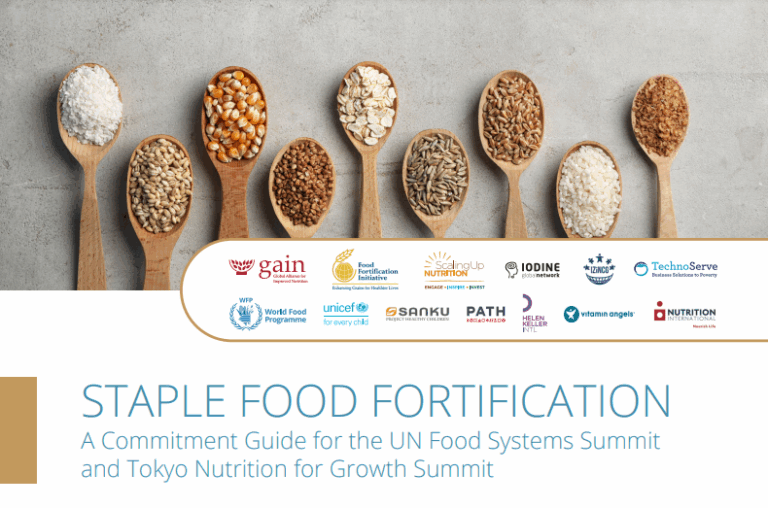
Millions of Kenyans rely on staple foods like maize flour, wheat flour, cooking oil and salt. Without micronutrients, these staples may leave critical nutrition gaps.
Fortunately, Kenya uses a Fortification Mark of Quality to ensure that common foods deliver essential vitamins and minerals.
This article explains how the fortification mark works, why it matters, and how consumers can use it to make healthier choices.
What Is Food Fortification — and Why It Matters
Food fortification involves intentionally adding vitamins and minerals to staple foods. The practice tries to correct or prevent nutrient deficiencies in populations.
Globally, many people — especially women, children and older adults — suffer from micronutrient deficiencies.
In Kenya, inadequate intake of iron, zinc, vitamin A, iodine and other micronutrients has historically contributed to malnutrition, stunted growth, weakened immune systems and impaired cognitive development.
By fortifying widely consumed staples, the government makes it easier for ordinary families to get essential nutrients — without changing their diet.
The Role of the Fortification Mark in Kenya
Kenya administers food fortification standards through the Kenya Bureau of Standards (KEBS). Products that meet the prescribed micronutrient levels qualify to carry the Fortification Mark of Quality.
The mark signals that a product — be it wheat flour, maize flour, salt or vegetable oil — contains the required vitamins and minerals (like iron, zinc, vitamin A, iodine) per national regulation.
This mark helps consumers quickly identify fortified foods on shelves. It also holds manufacturers accountable to maintain standards.
As a result, the fortification mark becomes a tool for public health — raising nutrient intake at population level, especially for vulnerable groups.
What Foods Must Carry the Fortification Mark
Under Kenya’s mandatory fortification policy, some staple food categories must be fortified and labelled. These include:
-
Wheat flour — fortified with vitamins/minerals (e.g. iron, zinc)
-
Dry-milled maize products — fortified for essential micronutrients
-
Salt — iodised to prevent iodine deficiency (although salt iodization preceded later fortification of staples)
-
Vegetable fats and oils — fortified with vitamin A
When you see the Fortification Mark on these products, you can trust that they comply with national fortification standards.
How the Fortification Mark Is Granted: The Certification Process
Manufacturers who wish to use the Fortification Mark must meet a set of requirements. The process involves several steps:
-
Standardization Mark first — The product must already carry a valid Standardization Mark (S-Mark) from KEBS. Without this, fortification certification cannot proceed.
-
Application via KEBS portal — The manufacturer applies to KEBS through the KIMS portal with relevant product and facility details.
-
Inspection and sample analysis — Quality assurance officers visit the production facility, draw samples, and analyze them to verify micronutrient levels in accredited labs.
-
Permit issuance — If samples meet the required standards and inspection reports are positive, KEBS grants the Fortification Mark permit under approval by its Standardization Committee.
-
Ongoing compliance monitoring — KEBS (together with Ministry of Health agencies) continues market surveillance to ensure fortified foods remain compliant.
This rigorous process helps maintain trust and ensures fortified foods provide real nutritional benefits.
Nutritional Impact: What Fortified Foods Can Do
Fortified staple foods have proven benefits. They supply essential micronutrients that may be lacking in regular diets. For example:
-
Fortification helps reduce iron and zinc deficiency — common in children and women.
-
It supports healthy growth, stronger immunity, and improved cognitive development.
-
Fortification reaches a wide population — even people with limited access to diverse diets.
Because staples like maize flour and oil form the bulk of many Kenyan diets, fortified products make a substantial difference in overall nutrient intake.
Challenges and Gaps: Why Fortification Mark Isn’t Enough by Itself
Despite progress, the system faces some challenges:
-
Low compliance in some products: A study found that only a fraction of maize flour samples in several counties met all fortification standards.
-
Quality control and enforcement gaps: Some millers — especially small or medium scale — struggle to maintain fortification standards consistently.
-
Uneven consumer awareness: Not all consumers know what the Fortification Mark means or why it matters. This limits demand for fortified foods.
-
Risk of “fortifying” poor-quality foods: Some processed or convenience foods may carry fortificants but still lack balanced nutrition — fortification alone doesn’t make unhealthy food healthy.
Therefore, fortification works best when combined with good dietary habits and proper regulation.
How Consumers Can Use the Fortification Mark Wisely
If you want to benefit from fortified foods, here are simple habits to adopt:
-
Always check for the Fortification Mark of Quality before buying wheat flour, maize flour, cooking oil or salt.
-
Prefer packaged staples with the mark over unpackaged or informal products.
-
Keep a balanced diet — complement fortified staples with fruits, vegetables, legumes and protein sources.
-
Be aware of food origin — imported products may not conform to Kenyan fortification legislation.
-
Encourage family members — especially children and pregnant or breastfeeding women — to use fortified staples.
These habits help improve nutrition at household and community levels.
The Bigger Picture: Fortification as a Public Health Strategy in Kenya
Kenya’s fortification program dates back decades, starting with salt iodization in the 1970s.
Over time, government agencies, food industry, and development partners formed alliances to set fortification standards, enforce them, and promote public awareness.
This coordinated approach aims to reach entire populations, reduce micronutrient deficiencies at scale, and improve overall health outcomes — especially in children, women and rural communities.
Take Action: For Food Producers and Consumers Alike
If you produce or distribute staple foods, ensure you abide by fortification and quality standards. Use the KEBS certification process to obtain the Fortification Mark legally and responsibly.
If you are a consumer or care for public health, choose fortified foods, and create awareness among your community. Every decision counts.
Clarity Pharma Consultancy supports food businesses and regulators in Kenya to comply with fortification standards, obtain necessary certifications, and ensure safe nutrient-rich products reach consumers. Contact us today for expert guidance on fortification compliance, quality assurance, and nutritional audits.
The Fortification Mark serves as a beacon of quality and nutrition for Kenya’s staple foods. When properly regulated and used, it can reach millions of households and improve health outcomes across the nation. Consumers, producers, and regulators all have a role to play.
By choosing fortified staples, demanding compliance, and spreading awareness, you help safeguard the nutritional future of Kenya.
FAQs

by Mr. Maroa Noa | Nov 26, 2025 | Marketing, Operations, Risk Management, Strategy
Quality, safety, and consumer protection play a major role in Kenya’s healthcare and pharmaceutical environment. The KEBS Diamond Mark of Quality stands out as one of the highest certifications for both local and imported products.
At the same time, pharmacy-based harm-reduction initiatives help vulnerable patients use medicines safely, especially where misuse, misunderstanding, or limited access to healthcare increases risk.
This article explains the KEBS Diamond Mark in simple terms and explores how pharmacies support safer medicine use through harm-reduction practices.
Understanding the KEBS Diamond Mark of Quality
The Diamond Mark of Quality (DMoQ) is a premium certification issued by the Kenya Bureau of Standards (KEBS). KEBS awards it only to manufacturers who consistently meet high product-quality standards.
The Diamond Mark goes beyond general compliance. It signals that a product has undergone rigorous and continuous quality evaluations.
Why the KEBS Diamond Mark Matters
Consumers often struggle to differentiate between safe and unsafe products, especially in markets where counterfeit goods circulate.
The Diamond Mark simplifies this challenge. Once displayed on a product, it assures buyers that the item has been tested repeatedly and has passed strict quality benchmarks.
This certification protects families, strengthens trust in the market, and empowers consumers to make informed choices.
How Products Earn the Diamond Mark
KEBS uses a structured assessment process before awarding the Diamond Mark. The evaluation may include:
-
Factory inspections to verify production systems
-
Batch testing to ensure quality consistency
-
Compliance assessments against Kenyan and international standards
-
Market surveillance to monitor product performance after approval
Because of these checks, consumers can buy products with the DMoQ knowing they meet high safety and performance standards.
Products That Commonly Carry the Diamond Mark
The Diamond Mark appears on goods across major sectors, including:
Every certified product displays the Diamond Mark logo, making it easy to recognize on shelves.
How the KEBS Diamond Mark Protects Consumers
The Diamond Mark offers several key benefits:
1. Better Product Safety
It assures the public that the product does not pose unnecessary health or safety risks.
2. Reduced Exposure to Counterfeits
Because counterfeiters struggle to imitate the certification process, consumers can avoid substandard products more easily.
3. Confidence in Manufacturing Quality
The mark signals that the factory uses good production practices and follows strict quality systems.
4. Fair Market Competition
High-quality producers gain protection against unscrupulous manufacturers using shortcuts.
Pharmacy-Based Harm Reduction: Supporting Safe Medicine Use Among Vulnerable Groups
Pharmacies play a vital role in protecting public health. Beyond dispensing medication, they now support harm-reduction strategies, especially for patients vulnerable to:
Pharmacy-based harm reduction focuses on reducing risks, not on judging or punishing patients.
Why Harm Reduction in Pharmacies Matters
Communities depend on pharmacies for convenient and accessible health services.
Vulnerable groups—including the elderly, people living with chronic illness, and individuals with limited health literacy—often rely on pharmacies more than hospitals.
As medication use becomes more complex, pharmacies help patients avoid dangerous outcomes such as:
Key Harm-Reduction Strategies Used in Pharmacies
1. Patient Education
Pharmacists use simple language to explain how to take medicines safely. They also warn patients about side effects, drug interactions, and what to avoid.
2. Dose Monitoring and Follow-Up
Regular follow-up helps patients stay on track and improves treatment outcomes, especially for chronic therapy.
3. Medicine Review Services
Pharmacists review all medicines a patient is taking. This reduces duplication, eliminates unnecessary drugs, and prevents harmful combinations.
4. Safe Storage and Disposal Guidance
Improperly stored medicines can harm children, adults, and pets. Pharmacies teach families how to store and discard medicines responsibly.
5. Screening and Early Intervention
Some pharmacies offer screening for conditions such as diabetes, hypertension, asthma, and substance misuse. Early detection reduces long-term harm.
How the Diamond Mark and Pharmacy-Based Harm Reduction Work Together
Both systems aim to protect consumers from unsafe health practices.
The Diamond Mark focuses on:
-
Product quality
-
Manufacturing safety
-
Market confidence
Pharmacy harm reduction focuses on:
Together, they build a safer and more informed healthcare environment.
Professional Guidance for Compliance and Safe Medicine Practices
If you run a pharmacy, manufacture health products, or want to strengthen compliance systems, Clarity Pharma Consultancy offers reliable support.
Their team helps businesses meet KEBS, PPB, and quality-assurance requirements while promoting safe medicine practices. They also guide pharmacy owners on harm-reduction systems that improve patient safety and trust.
FAQs

by Mr. Maroa Noa | Nov 26, 2025 | Legal, Marketing, Operations, Strategy
Pharmacies play a crucial role in health systems, yet their influence goes beyond just dispensing medicines. Today, society expects pharmacies to support sustainability, protect the environment, and promote safer medicine use—especially among vulnerable populations.
As climate concerns intensify and health disparities widen, pharmacies can lead the way by integrating climate-conscious practices and harm-reduction strategies into their daily operations.
This article explores practical steps pharmacies can take to manage medicines responsibly, reduce waste, support vulnerable groups, and align with global sustainability goals.
Climate-Conscious Pharmacies: Building Sustainable Medicine Practices
Climate change has created new health threats, and the healthcare sector itself contributes to environmental pollution. Pharmacies can reduce this impact through sustainable medicine management.
Sustainable Storage and Dispensing Practices
Pharmacies can significantly lower their carbon footprint by optimizing how they store and dispense medicines.
Simple actions such as using energy-efficient refrigerators, adopting LED lighting, and maintaining proper insulation reduce power consumption. Additionally, digital prescription systems minimize paper waste and improve accuracy.
These changes may seem small, but they help pharmacies align with global health sustainability frameworks such as the WHO Health in Climate Action Initiative (WHO, 2023).
Minimizing Pharmaceutical Waste
Improper disposal of expired or unused medicines harms soil, water sources, and local ecosystems. Pharmacies can implement structured waste-reduction measures by:
-
Running medicine take-back programs
-
Following NEMA and WHO waste-disposal guidelines
-
Regularly rotating stock to avoid expiry
-
Educating the public on safe disposal methods
By taking these actions, pharmacies help prevent pharmaceutical pollutants while improving community safety.
Promoting Eco-Friendly Products and Packaging
Consumers today look for responsible healthcare providers. As a result, pharmacies that stock eco-friendly packaging, reusable materials, and biodegradable alternatives appeal to a growing environmentally conscious market.
Many global pharmacy chains already integrate green packaging policies to support long-term sustainability goals.
Supporting Safe Medicine Use: Pharmacy-Based Harm Reduction
Harm reduction promotes safer behaviors and helps individuals minimize health risks without judgment or discrimination.
Pharmacies are uniquely positioned to support harm-reduction initiatives, especially for groups struggling with chronic diseases, medication misuse, or limited access to healthcare.
Empowering Vulnerable Populations Through Education
Education forms the foundation of harm reduction. Pharmacies can offer targeted counselling on:
-
Safe use of pain medicines
-
Proper inhaler techniques
-
Adherence to antiretroviral therapy
-
Avoiding antibiotic misuse
-
Managing chronic illnesses
People living with disabilities, older adults, and low-income communities benefit greatly from such accessible, evidence-based information.
Supporting Safe Opioid and Controlled Medicine Use
Controlled substances require careful management. Pharmacies can strengthen harm-reduction efforts by:
-
Maintaining strict dispensing protocols
-
Offering non-judgmental counselling
-
Monitoring potential overuse
-
Collaborating with healthcare providers for safe tapering
-
Encouraging alternative pain-management strategies
These measures promote safety while reducing the risk of dependency or misuse.
Encouraging Responsible Self-Medication
Many people in Kenya self-medicate for common conditions. While this is common, it carries the risk of overdose, wrong drug selection, or drug interactions.
Pharmacies can support safer self-care by guiding customers toward appropriate choices and reminding them when to seek medical attention.
Quick, clear advice ensures community members feel supported rather than discouraged, which aligns with the principles of harm reduction.
Providing Access to Safe Tools and Referrals
Pharmacies can act as community connectors by providing:
-
Vaccination referrals
-
HIV and TB testing information
-
Safe-sex supplies
-
Mental health support contacts
-
Chronic-disease self-management tools
These simple interventions strengthen public health and help reduce disparities.
Integrating Sustainability and Harm Reduction: A Dual Approach
Sustainability and harm reduction complement each other. When pharmacies adopt environmentally conscious practices, they reduce toxic waste, improve community well-being, and make medicine use safer.
At the same time, harm-reduction strategies reduce hospital admissions and encourage responsible health behavior—ultimately lowering the environmental burden caused by medical treatment.
This integrated approach builds a future-ready pharmacy that protects both health and the planet.
How Clarity Pharma Consultancy Can Support Your Compliance and Sustainability Goals
Pharmacies that want to adopt climate-friendly operations or strengthen harm-reduction services often need expert guidance.
Clarity Pharma Consultancy helps pharmacy owners and healthcare businesses improve compliance, enhance medicine-management systems, and implement sustainable practices without disrupting daily operations.
Their consulting team supports facilities in:
-
Developing environmental-safe disposal policies
-
Training staff on rational medicine use
-
Strengthening harm-reduction counselling programs
-
Ensuring regulatory compliance with PPB and NEMA guidelines
-
Improving overall medicine-management efficiency
Working with qualified consultants ensures your pharmacy stays compliant, responsible, and future-focused.
Pharmacies shape community health every day. By embracing climate-conscious practices and supporting harm reduction, they protect patients, safeguard the environment, and strengthen public trust.
Sustainable medicine management is no longer optional; it is a responsibility that modern pharmacies must embrace.
When pharmacies take the lead, communities benefit from safer practices, reduced pollution, and better access to life-saving information.
FAQs

by Mr. Maroa Noa | Nov 26, 2025 | Healthcare, Legal, Legal Framework, Operations
Pharmacies play a vital role in protecting public health. They are often the first and most accessible point of care, especially for people who face challenges in safely using medicines.
As health systems evolve, pharmacies are increasingly adopting harm reduction strategies to support vulnerable populations and reduce preventable health risks.
This approach empowers communities, improves treatment outcomes, and promotes safer medicine practices across Kenya and beyond.
Understanding Harm Reduction in Pharmacy Practice
Harm reduction refers to practical strategies that reduce the negative effects of unsafe medicine use or health-related behaviors. Instead of focusing only on strict prevention, pharmacists help individuals stay safer even when they face barriers to ideal healthcare pathways.
This model aligns with global public health recommendations from agencies such as the World Health Organization (WHO), which highlights harm reduction as a key approach in improving community health outcomes.
Why Pharmacy-Based Harm Reduction Matters
Pharmacies remain highly accessible in both urban and rural areas. Many vulnerable individuals, including older adults, people with chronic illness, persons with disabilities, and low-income households, rely on pharmacies for everyday health needs.
Because of this accessibility, pharmacy teams can identify risks early and offer supportive interventions. These interventions reduce medicine-related harm, prevent hospitalization, and promote safer use of both prescribed and over-the-counter drugs.
Additionally, pharmacists help close knowledge gaps by offering easy-to-understand information that patients may not receive elsewhere.
Vulnerable Groups That Benefit From Harm Reduction Services
Pharmacy-based harm reduction supports many population groups that may struggle with safe medicine use. These include:
1. Older Adults
Older adults often take multiple medicines, which increases the risk of side effects and drug interactions. Pharmacists help review medications, clarify doses, and prevent misuse through clear instructions.
2. Persons with Chronic Illness
People living with diabetes, hypertension, asthma, HIV, and mental health conditions need consistent support. Regular pharmacy visits allow quick follow-ups and early detection of complications.
3. Low-Income Households
Limited access to healthcare makes vulnerable families depend on pharmacies. Guidance from pharmacists helps them use affordable and safe treatment options without compromising their health.
4. People with Limited Health Literacy
Pharmacists can simplify medical information, translate instructions, and ensure that patients understand how to use their medicines correctly.
5. Adolescents and Young Adults
Youth often face barriers such as stigma, misinformation, and limited access to healthcare. Pharmacies provide safe, judgment-free guidance on responsible medicine use.
Core Components of Pharmacy-Based Harm Reduction
Pharmacies deliver harm reduction services through several key pillars. These pillars strengthen patient safety and reduce medication-related risks.
1. Medicine Safety Education
Pharmacists teach patients how to take medicines properly, avoid unsafe combinations, and recognize warning signs of adverse reactions. Clear instructions prevent accidental misuse and support better treatment outcomes.
2. Medication Review and Counseling
Regular medication reviews help detect harmful drug interactions or unnecessary medicines. Counseling improves adherence and reduces risks linked to confusion or incorrect self-medication.
3. Safe Dispensing Practices
Pharmacies follow strict standards from bodies such as the Pharmacy and Poisons Board (PPB) to ensure medicines are dispensed safely. Proper labeling, storage, and verification reduce the chance of medication errors.
4. Monitoring High-Risk Medicines
Some medicines require extra caution, including antibiotics, opioids, and chronic disease treatments. Pharmacists monitor these medicines closely to prevent misuse, resistance, or adverse effects.
5. Referral and Follow-Up Support
Pharmacies guide vulnerable patients to hospitals, specialists, or social support services when necessary. Early referral prevents complications and increases access to holistic care.
How Pharmacies Address Common Medication-Related Risks
Pharmacists use harm reduction techniques to address widespread risks such as:
-
Incorrect dosing
-
Self-medication with risky drugs
-
Drug–drug interactions
-
Poor adherence to chronic treatment
-
Unmonitored antibiotic use
-
Stigma around sensitive health conditions
By offering non-judgmental support, pharmacies help patients manage these risks in a safe and sustainable way.
Benefits of Pharmacy-Based Harm Reduction
Pharmacy-led interventions offer several advantages:
-
They reduce emergency visits caused by medication misuse.
-
They enhance chronic disease management.
-
They strengthen trust between patients and healthcare providers.
-
They expand access to safe and regulated treatments.
-
They protect communities from counterfeit or unsafe products.
Ultimately, these benefits contribute to safer healthcare systems and better patient outcomes.
How Clarity Pharma Consultancy Can Support Your Harm Reduction Efforts
Clarity Pharma Consultancy provides expert guidance for pharmacies, healthcare organisations, and community programs seeking to strengthen harm reduction strategies. Their team helps facilities develop compliance systems, train staff, implement safety audits, and align with PPB standards.
For those who want to improve patient safety and adopt effective harm reduction practices, Clarity Pharma Consultancy is a reliable partner that offers evidence-based solutions tailored to your unique needs.
Pharmacy-based harm reduction plays a crucial role in ensuring vulnerable groups use medicines safely. Pharmacies remain essential community health partners that provide guidance, monitoring, and supportive care.
As Kenya advances toward more inclusive healthcare systems, pharmacy-driven interventions continue to improve safety, understanding, and access for everyone.
FAQs