by Mr. Maroa Noa | Nov 14, 2025 | Legal, Legal Framework, Strategy
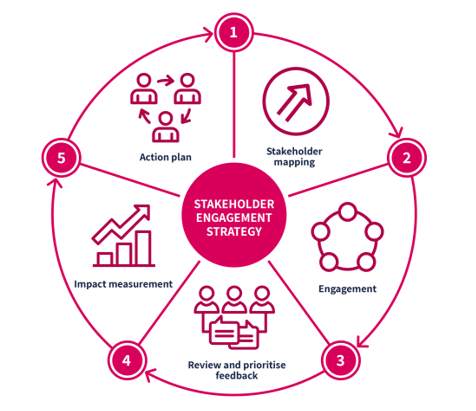
Innovation fuels national development, drives competitiveness, and supports sustainable economic growth. In Kenya, the Kenya Industrial Property Institute (KIPI) plays a central role in shaping this innovation landscape through a proactive and far-reaching stakeholder engagement strategy.
This strategy strengthens collaboration, enhances awareness of intellectual property (IP), and empowers innovators to protect and commercialise their creative work.
The Strategic Importance of Intellectual Property in National Development
Intellectual property is essential for transforming ideas into valuable assets. KIPI ensures that innovators can secure legal protection for their inventions, trademarks, industrial designs, and utility models. This protection not only supports economic growth but also encourages continued investment in research, creativity, and technology.
Strengthening Multi-Sector Collaboration
KIPI’s stakeholder engagement strategy is built on cooperation among academia, government, private sector players, civil society, and international partners. Each stakeholder contributes differently: universities offer research, government agencies provide policies, and industries drive commercialisation. This interlinking ensures a vibrant innovation ecosystem.
KIPI conducts joint programs with the Kenya National Innovation Agency (KENIA) to boost national research and innovation capabilities. These partnerships ensure that innovations move from concept to full-scale deployment.
Creating Awareness Through Nationwide IP Education
Awareness remains a critical pillar in building an innovation culture. KIPI conducts nationwide awareness campaigns to educate creators, students, SMEs, and industry leaders on the importance of intellectual property rights. These campaigns help prevent infringement, encourage innovation, and support commercialization.
Schools and universities benefit greatly from these programs. KIPI regularly collaborates with academic institutions to host IP days, training sessions, and innovation mentorship programs. Institutions can explore more educational content through the World Intellectual Property Organization (WIPO) portal.
Empowering Innovators Through Capacity Building Programs
KIPI provides structured training programs that help innovators understand patent drafting, trademark registration, and industrial design protection. These training sessions are designed for emerging innovators, SMEs, and established research institutions.
Through KIPI’s IP Training Institute, participants learn to:
- Identify protectable innovations
- Draft patents and trademarks
- Understand commercialization pathways
- Navigate international IP systems such as ARIPO and WIPO
Expanding Access Through Digital IP Services
To improve accessibility and efficiency, KIPI has digital platforms where innovators can file, track, and manage IP applications. These online systems make the registration process faster and more user-friendly.
For example, the KIPI Online Filing System enables users to submit their applications remotely, reducing costs and saving time. More details can be found on the KIPI e-services portal.
Building Innovation Ecosystems Through Expos and Competitions
KIPI organizes innovation expos, exhibitions, and competitions to offer innovators visibility and networking opportunities. These events allow inventors to showcase their creations, receive feedback, and attract potential investors.
Some of the most notable events include:
- National Innovation Expo
- Intellectual Property and Innovation Awards (IPIA)
- University Innovation Challenges
These platforms help innovators build connections with funding organizations, venture capital firms, and research partners.
Supporting Innovation Through Incentives and Grant Opportunities
To motivate creativity, KIPI collaborates with partners to offer grants, awards, and recognition programs. These incentives help innovators access funding, mentorship, and technical support.
KIPI also links innovators to the Kenya Industrial Research and Development Institute (KIRDI) for technical assistance and prototype development.
Encouraging International Collaboration
KIPI fosters cross-border collaboration by working closely with regional and international bodies such as:
- WIPO – for global IP systems
- ARIPO – for regional IP processes in Africa
- UNESCO – for innovation and science-based programs
These partnerships expand opportunities for Kenyan innovators to protect and commercialize their work globally.
Enhancing Policy Development Through Stakeholder Feedback
KIPI continuously refines its strategies using feedback from innovators, industry leaders, and research institutions. Public consultations allow stakeholders to contribute to policy development, ensuring that the national IP framework remains relevant and future-oriented.
Promoting Innovation Culture in Rural and Marginalised Communities
KIPI extends innovation awareness to rural communities to ensure inclusivity. Local artisans, small producers, and community-based innovators receive training on protecting traditional knowledge, cultural expressions, and grassroots innovations. This supports sustainable development across all regions.
Monitoring and Feedback for Continuous Improvement
KIPI prioritizes feedback from stakeholders to refine its programs and policies. Regular consultations help identify gaps, improve service delivery, and address emerging challenges. This responsive approach ensures that KIPI remains adaptive to the evolving needs of Kenya’s innovation community.
Developing a national innovation culture requires more than policy—it demands active engagement, education, and support. KIPI’s stakeholder engagement strategy demonstrates how structured collaboration, awareness campaigns, and recognition programs foster creativity, protect intellectual property, and stimulate economic growth. By continuing to invest in innovators, Kenya positions itself as a leading hub for innovation in Africa.
FAQs

by Mr. Maroa Noa | Nov 14, 2025 | Legal, Legal Framework, Operations
Agriculture remains the backbone of Kenya’s economy, employing millions and driving food security. For agripreneurs, innovation is essential to stay competitive and enhance productivity. However, many innovators face challenges in protecting their ideas and inventions. Understanding intellectual property (IP) can transform an idea into a valuable asset, ensuring your innovations are legally protected and commercially viable.
What is Intellectual Property in Agriculture?
Intellectual property refers to the legal rights granted to creators for their inventions, designs, or unique processes. In agriculture, IP can protect a variety of innovations, from new crop varieties to modern farming equipment and even agri-processing techniques. Recognising the value of IP ensures that agripreneurs receive recognition, financial returns, and competitive advantage for their efforts.
Types of Intellectual Property Relevant to Agripreneurs
1. Patents
Patents safeguard new inventions or technological solutions. In agriculture, this might include a novel irrigation system, pest control method, or genetically improved seed. By securing a patent, the inventor obtains exclusive rights to use and commercialize the invention for a defined period, usually 20 years. This encourages further innovation while protecting the creator’s investment.
2. Trademarks
Trademarks protect brand identity, including names, logos, and slogans. For agripreneurs, a unique farm brand or product label can stand out in the market, fostering customer loyalty. Registering a trademark ensures that competitors cannot legally imitate your brand, strengthening your market presence.
3. Copyright
Copyright covers original literary, artistic, or musical works. In agriculture, this may apply to manuals, training materials, or software used in farm management. Although it doesn’t protect functional inventions, it safeguards the creative expression associated with your agricultural enterprise.
4. Plant Breeders’ Rights (PBR)
Plant Breeders’ Rights specifically protect new varieties of plants. PBR grants the breeder exclusive control over the propagation and commercialization of their variety. For agripreneurs involved in seed production or horticulture, understanding PBR is critical to secure long-term profits and maintain competitive advantage.
Why Intellectual Property Matters for Kenyan Agripreneurs
IP protection encourages innovation by rewarding creativity and investment. For Kenyan agripreneurs, this translates to:
- Market Advantage: IP ensures that unique products or processes are exclusively yours, reducing imitation.
- Revenue Generation: Licensing or selling IP can create new income streams.
- Investment Opportunities: Investors are more likely to fund ventures with protected innovations.
- Sustainability: Protecting innovations incentivizes continued research and development.
By understanding these benefits, agripreneurs can strategically position their businesses for growth and resilience.
How to Protect Your Agricultural Innovations in Kenya
The Kenya Industrial Property Institute (KIPI) is the main government body responsible for IP registration in Kenya. To protect your innovations, follow these steps:
- Identify the Innovation: Determine whether your creation qualifies for patent, trademark, copyright, or PBR protection.
- Conduct a Search: Check existing IP databases to ensure your innovation is unique.
- Prepare Documentation: Gather technical descriptions, drawings, or product labels.
- Submit Application: File with KIPI for patents, trademarks, or PBR.
- Follow Up: Respond to any requests from KIPI to complete the registration process.
For more information, you can visit KIPI’s official website for guidance on application procedures.
Leveraging Intellectual Property for Business Growth
Protecting your IP is only the first step. Agripreneurs can leverage IP to attract partnerships, access new markets, or license technologies. For instance, a patented irrigation system can be licensed to other farmers, generating royalties while expanding its adoption. Similarly, a strong trademark can enhance brand recognition and increase sales.
Challenges and Considerations
While IP offers numerous benefits, agripreneurs must navigate certain challenges:
- Cost of Registration: Filing patents or PBR can be expensive.
- Enforcement: Protecting IP from infringement requires vigilance and legal support.
- Awareness: Limited understanding of IP among farmers can lead to underutilization.
Despite these hurdles, the long-term advantages of IP protection significantly outweigh the risks.
Intellectual property plays a crucial role in supporting agricultural innovation in Kenya. By understanding and protecting patents, trademarks, copyrights, and plant breeders’ rights, agripreneurs can secure their inventions, build brand value, and unlock new business opportunities. Staying informed and proactive about IP not only safeguards creativity but also fosters sustainable growth in Kenya’s dynamic agricultural sector.
FAQs

by Mr. Maroa Noa | Nov 14, 2025 | Law, Legal Framework, Operations
The growth of Kenya’s digital economy has inspired a new wave of creativity among ICT innovators. As developers create powerful apps, complex algorithms, and transformative digital platforms, the need for proper protection becomes more important. The Kenya Industrial Property Institute (KIPI) provides a clear pathway for safeguarding software and digital inventions, ensuring creators can benefit from their work while maintaining ownership rights.
This article explains how ICT innovators can protect their software, code, and digital systems using KIPI’s available mechanisms. It uses simple, formal, and conversational language to help both beginners and established creators understand the process.
Understanding Digital Inventions in Kenya
Digital inventions include software applications, algorithms, data-driven systems, fintech solutions, AI tools, and other ICT-based products. Since many of these creations involve intangible assets, they require careful handling to prevent unauthorized use or imitation.
Additionally, KIPI outlines which digital products qualify for industrial property protection, and which fall under copyright or trade secrets. Understanding these categories helps innovators select the right protection strategy early enough.
KIPI’s Main Protection Options for ICT Innovators
1. Copyright Protection for Software Code
Software programs are primarily protected under copyright law, which automatically covers the code once it is written. This form of protection covers the expression of the idea, including source code, object code, design files, and accompanying documentation.
KIPI works closely with the Kenya Copyright Board (KECOBO), which manages copyright registration in Kenya.
Although copyright protects the code, it does not protect the idea, logic, or algorithm behind the software. Therefore, software developers often combine copyright with other KIPI protections.
2. Patent Protection for Software-Related Inventions
Patents remain the strongest form of protection for digital innovations. However, Kenya—like many other countries—does not grant patents for software as such. Instead, patents are granted when:
-
The software solves a technical problem.
-
It produces a measurable technical effect.
-
It enhances hardware functionality or industrial processes.
Examples that may qualify include AI algorithms controlling machinery, cybersecurity systems with anti-intrusion mechanisms, or fin tech processes that create new technical operations.
3. Utility Model Protection for Incremental Digital Innovations
When a digital solution does not meet the strict patent criteria, a utility model can be an effective alternative. This form of protection suits innovations that are new and industrially applicable but may lack the inventive step required for patents.
Utility models provide:
This makes them popular among start-ups, software developers, and SMEs improving existing technologies.
4. Trade Secret Protection for Algorithms and Proprietary Processes
Many ICT innovators prefer to keep their algorithms or internal processes confidential through trade secret protection. This form of protection is ideal for:
-
AI models
-
Unique algorithms
-
Data processing systems
-
Backend logic
-
Encryption techniques
Trade secrets do not require registration. Instead, innovators must implement strong confidentiality measures, such as NDAs, restricted access, and secure documentation. Companies like Google and Meta use this method to protect their algorithms.
KIPI offers guidance on combining trade secret protection with other forms of IP.
5. Trademark Protection for Software Branding
A digital invention is not complete without a recognizable brand. Trademarks protect:
-
App names
-
Logos
-
Taglines
-
Brand identity
This protection is valuable when launching commercial apps, digital services, or platforms that rely on strong user recognition.
Trademarks last 10 years and can be renewed indefinitely.
How ICT Innovators Can Begin the Protection Process
Protecting an ICT innovation begins with clear documentation. Innovators should record their development process, draft diagrams, and create a functional description of the invention. These documents become useful during registration.
Conducting a search prevents conflicts and increases the chances of successful registration.
Afterwards, innovators can proceed with their preferred application—patent, utility model, trademark, or copyright registration. KIPI provides both physical and online filing options.
Why Protection Matters for ICT Innovators
Protecting digital inventions has both legal and commercial value. For example:
-
It prevents unauthorized copying and exploitation.
-
It strengthens investor confidence.
-
It improves competitive advantage.
-
It increases product valuation and licensing opportunities.
-
It supports innovation growth in Kenya’s digital economy.
More importantly, protection helps innovators secure long-term ownership of their creations.
Common Mistakes Innovators Should Avoid
Although innovation is exciting, errors can weaken the protection process. Innovators should avoid:
-
Disclosing the invention publicly before filing.
-
Failing to document their development process.
-
Assuming that copyright protects ideas.
-
Mixing open-source code without checking license terms.
-
Neglecting trademarks while launching digital products.
Taking early precaution makes protection easier and more effective.
Digital innovation is shaping Kenya’s future, and ICT creators need strong protection to secure their work. KIPI offers practical mechanisms—from patents and utility models to trademarks and trade secrets—that help innovators protect their digital assets and commercialise their ideas with confidence.
By using these tools, creators can strengthen their ownership, attract investors, and safely scale their creations in a competitive digital world.
FAQs

by Mr. Maroa Noa | Nov 14, 2025 | Operations, Strategy
Innovation flourishes when young people understand the value of ideas. For this reason, the Kenya Industrial Property Institute (KIPI) has made intellectual property (IP) education a central part of its national mandate. Through targeted school programs, youth competitions, and training sessions, KIPI helps students develop a deeper appreciation of IP and how it drives economic growth, creativity, and technological advancement.
By working closely with learning institutions, the organisation ensures that a new generation of innovators is empowered to protect their creations. This early exposure strengthens Kenya’s long-term capacity for research, invention, and entrepreneurship.
Why IP Awareness Among Students Matters
Intellectual property affects nearly every field. Students encounter creative work daily—whether in science projects, art, music, or digital innovation. When they learn how IP works, they begin to see the value of originality and the importance of protecting their creations.
Moreover, early IP awareness enhances problem-solving skills. It also motivates young innovators to build solutions with confidence, knowing that their ideas have legal protection. By targeting students, KIPI nurtures a culture where creativity is not only encouraged but also safeguarded.
KIPI’s Commitment to Building IP Knowledge
KIPI has designed several initiatives aimed at strengthening IP literacy in schools. These efforts are structured to make IP knowledge simple, engaging, and practical. Each activity aligns with national innovation goals and supports Kenya’s broader development agenda.
To reinforce learning, KIPI uses relatable examples and interactive sessions. Through this approach, learners can connect IP concepts to their daily experiences. Additionally, teachers are encouraged to integrate IP topics into classroom activities so learners benefit continuously.
School Outreach Programs and Training Workshops
One of the strongest components of KIPI’s strategy is its outreach to schools across the country. These visits expose students to IP topics such as patents, trademarks, utility models, and industrial designs.
During these sessions, young people interact with IP experts who explain how creators protect new inventions. Furthermore, teachers receive training that helps them introduce IP concepts more confidently. This dual approach ensures that knowledge is not lost after the outreach event—it continues to grow within the school environment.
Youth Innovation Competitions
KIPI also uses competitions to encourage creativity among young innovators. These events give students a platform to showcase original work while learning how IP rights secure their efforts.
Most competitions highlight practical solutions to everyday challenges. As competitors prepare their projects, they develop essential research, critical thinking, and design skills. Even better, winners often receive mentorship or further support in protecting their inventions through KIPI’s guidance.
Competitions therefore do more than reward creativity—they build a pipeline of future inventors.
Incorporating IP Into School Curricula
Schools often rely on national institutions to simplify technical concepts. To support this need, KIPI works with education stakeholders to introduce IP topics into learning materials. These efforts ensure that students encounter IP concepts as part of everyday studies.
Even basic lessons on trademarks, copyright, or patents help learners understand their rights. Over time, this inclusion strengthens a national culture that respects originality and discourages idea theft. It also complements other KIPI programs that target universities and technical institutions.
Partnerships With Youth Organisations
KIPI collaborates with community groups, youth organizations, and innovation hubs to extend IP awareness beyond formal schooling. These partnerships help the institute reach students in less-formal learning environments, where creativity often thrives.
Youth groups benefit from training on branding, patenting, and the importance of documenting creative work. Through these collaborations, KIPI supports young entrepreneurs at the earliest stages of their journey.
Encouraging a Future of Protected Innovation
By focusing on young people, KIPI builds a strong foundation for Kenya’s innovation ecosystem. When students understand how IP protection works, they develop confidence in their ability to create. As a result, the goals of national development—such as growth in manufacturing, technology, and research—become more achievable.
Even more, informed youth are better equipped to participate in the global economy. They learn how to turn ideas into assets, businesses, and solutions that help communities thrive.
FAQs
by Mr. Maroa Noa | Nov 13, 2025 | Legal, Legal Framework, Marketing
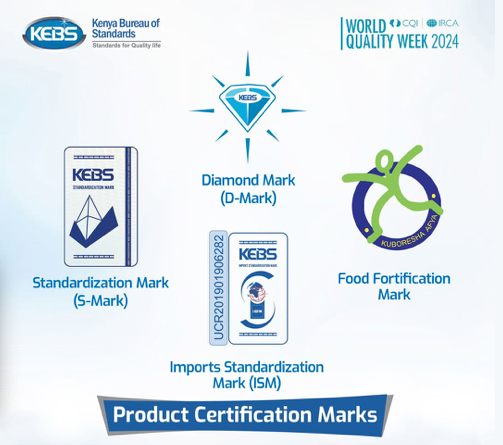
Certification marks have become an essential tool in Kenya for promoting product quality, safety, and consumer confidence. Unlike trademarks, which distinguish the origin of a product, certification marks indicate that a product meets specific standards. They serve as a seal of trust between manufacturers and consumers while supporting economic growth and industry competitiveness.
By understanding how certification marks function and their impact on both business and consumers, Kenyan manufacturers can better leverage these tools for market success.
What Are Certification Marks?
A certification mark is a type of intellectual property that signals compliance with established quality or safety standards. These marks are granted by authorized institutions after products, processes, or services undergo rigorous testing.
In Kenya, the Kenya Bureau of Standards (KEBS) plays a central role in issuing certification marks. Firms that meet KEBS or other approved standards receive this recognition, which reassures consumers about the quality, reliability, and safety of the product.
For a broader understanding of Kenya’s IP framework, you can explore Kenya’s Property Framework Guide.
The Role of Certification Marks in the Economy
Certification marks provide multiple benefits to the Kenyan economy and the manufacturing sector.
1. Enhancing Consumer Trust
Certification marks communicate quality and safety assurance. Consumers are more likely to choose products carrying recognized marks, knowing they meet established standards. This trust boosts brand loyalty and repeat purchases.
2. Supporting Market Competitiveness
Firms with certification marks can differentiate their products in crowded markets. By demonstrating compliance, manufacturers gain a competitive advantage locally and internationally, particularly in export markets.
3. Encouraging Industry Standards
Certification marks promote uniform standards across industries. Companies strive to maintain quality benchmarks, leading to overall improvement in production processes, product durability, and service delivery.
For insight into how IP promotes commercial value, see How to Boost Commercial Value from Intellectual Property.
Key Institutions in Certification Marks
Several organizations manage certification marks in Kenya:
-
Kenya Bureau of Standards (KEBS): KEBS certifies products and ensures adherence to national and international standards.
-
Kenya Industrial Property Institute (KIPI): KIPI oversees intellectual property rights, including certification marks, and protects the interests of innovators.
-
Private Certification Bodies: Certain industry-specific bodies issue marks that align with global quality standards, such as ISO 9001 certification for quality management.
By collaborating with these institutions, manufacturers can ensure their products meet recognized benchmarks and gain market credibility.
Economic and Consumer Benefits
1. Promoting Export Readiness
Products with certification marks are more attractive in international markets. Exporters demonstrate compliance with global standards, increasing their ability to compete and secure foreign contracts.
2. Reducing Counterfeiting and Imitation
Certification marks help curb counterfeit products. When consumers recognize a trusted mark, they are less likely to purchase substandard or fake products. For a deeper understanding of counterfeiting protection, read The Role of KIPI in Combating Counterfeiting.
3. Encouraging Continuous Improvement
Certification motivates manufacturers to invest in quality management systems, staff training, and R&D. Over time, this improves operational efficiency, product reliability, and customer satisfaction.
Challenges Facing Certification Marks in Kenya
Despite their benefits, certification marks face some hurdles:
-
Limited Awareness: Many SMEs do not fully understand the benefits or application process for certification marks.
-
Cost of Compliance: Testing and certification can be expensive, especially for small businesses.
-
Enforcement Gaps: Without strict monitoring, some firms may misuse marks, undermining trust.
Addressing these challenges requires targeted education, financial incentives, and stronger regulatory enforcement.
Strategic Approaches to Maximising Certification Mark Benefits
Manufacturers can adopt several strategies to leverage certification marks effectively:
-
Educate Stakeholders: Train employees and management about the benefits and requirements of certification marks.
-
Integrate Quality into Business Strategy: Align quality standards with production processes to consistently meet certification criteria.
-
Collaborate with Regulatory Bodies: Engage KEBS, KIPI, and industry associations to stay updated on compliance and standards.
-
Promote Marks to Consumers: Use marketing and branding strategies to highlight certified products, enhancing trust and sales.
These approaches ensure that certification marks are not just regulatory obligations but tools for competitive advantage.
Certification marks in Kenya strengthen consumer confidence, support manufacturing growth, and promote industrial competitiveness. By providing a clear signal of quality and compliance, they help businesses differentiate themselves in the market, gain export opportunities, and reduce the impact of counterfeit goods.
A strategic approach — combining awareness, enforcement, and quality-driven business practices — allows manufacturers to maximize the economic and reputational benefits of certification marks.
Learn more about boosting quality, IP, and consumer trust through Clarity Pharma Consultancy’s insights:
FAQs