by Mr. Maroa Noa | Nov 19, 2025 | Legal, Legal Framework, Risk Management
Understanding the Threat of Counterfeit Medicines
Counterfeit or falsified medicines pose a serious threat globally and in Kenya. These products may contain incorrect doses, wrong ingredients, or harmful contaminants.
For instance, studies show that some fake anti-malarial drugs in Kenya contained lead, which caused kidney failure in one patient.
Given this risk, the PPB has intensified efforts to protect consumers and uphold medicine quality.
The Role of the PPB in Safeguarding Medicines
The PPB regulates the manufacture, importation, distribution and sale of drugs and poisons under the Pharmacy and Poisons Act.
It maintains standards, monitors the market, and works with partners to detect and remove counterfeit medicines.
Key Measures the PPB Uses to Fight Counterfeits
Market Surveillance and Product Verification
The PPB conducts routine sampling of medicines across pharmacies and health facilities. It analyses products in labs to check whether they meet specifications.
Additionally, the PPB helped roll out a mobile-based verification app (in partnership with innovators) that allows consumers to scan drugs and verify authenticity.
Collaboration with the Anti-Counterfeit Authority
In 2024, the PPB signed a Memorandum of Understanding (MoU) with the Anti‑Counterfeit Authority (ACA) to bolster joint actions against illicit medicines.
Through shared data, training, outreach and enforcement, the agencies strengthen their collective response.
Legal and Regulatory Crack-Downs
The government, via PPB and law-enforcement, issues warnings and takes action against illegal chemists and unlicensed distributors.
These actions help deter counterfeit trade and protect genuine supply chains.
How Consumers Can Verify Their Medicines
Consumers also have a role. Here are practical steps:
-
Purchase medicines only from licensed pharmacies.
-
Check that the premises display a valid pharmacy license and registration code.
-
Use verification tools (such as SMS or app services) to validate the drug.
-
If you suspect a fake product, keep the medicine pack, receipt and report to PPB via their hotline or email.
Why Removing Counterfeits Matters for Public Health
Counterfeit medicines undermine trust in health systems and risk lives. They can make diseases worse, cause drug-resistance, increase treatment costs and create economic burdens for households.
By removing falsified and sub-standard medicines, the PPB supports patient safety, strengthens the pharmaceutical sector and protects Kenya’s health outcomes.
What the Future Holds: Strengthening Systems and Technology
The PPB continues to modernise regulation. Further, new tech-platforms, enhanced imports monitoring and regional cooperation aim to make Kenya’s supply chain more resilient and transparent.
How Clarity Pharma Consultancy Can Assist
Keeping medicines authentic requires more than regulation alone — it needs the right systems, compliance checks and stakeholder awareness.
Clarity Pharma Consultancy offers professional guidance on pharmaceutical supply-chain audits, verification tools, staff training and regulatory alignment. If you operate in the pharmaceutical field and want to ensure your operations meet PPB standards, get in touch.
FAQs

by Mr. Maroa Noa | Nov 19, 2025 | Marketing, Operations, Strategy
Kenya’s pharmaceutical sector relies on competent personnel to protect public health and ensure safe dispensing of medicines. The Pharmacy and Poisons Board (PPB) mandates that all registered pharmacists and enrolled pharmaceutical technologists hold valid licences to practise.
In this article, we map out a clear path to licensing pharmaceutical personnel in Kenya — from registration to renewal to compliance. We write in a simple, educative way suited for a broad audience.
Understanding the Regulatory Framework
The Licensing of pharmaceutical personnel in Kenya is based on the Pharmacy and Poisons Act (Cap 244). This act requires pharmacists and pharmaceutical technologists to meet qualification standards and to obtain licences before they practise.
The PPB handles registration of practitioners, enrolment of technologists, issuing of practice licences and enforcement of compliance.
Why Licensing Matters
Licencing safeguards the public by ensuring that only qualified personnel handle medicines and poisons.
It also enhances trust in the pharmaceutical sector, supports good pharmacy practice and ensures legal accountability.
Practicing without a valid licence amounts to professional misconduct and may trigger sanctions.
Key Requirements for Licence Eligibility
Educational Qualifications
To be registered as a pharmacist, one must hold a recognized Bachelor of Pharmacy (or equivalent) and meet the PPB’s internship and examination requirements.
For pharmaceutical technologists, the person must hold an approved diploma and satisfy the enrolment requirements set by PPB.
Practice Licence Application
Once registered or enrolled, the practitioner must apply for a practice licence through the PPB’s online portal. This applies whether practising in a retail pharmacy, hospital, wholesaler or other pharmaceutical establishment.
Step-by-Step: Obtaining a Practice Licence
-
Register or enrol with the PPB – Submit the necessary academic certificates and internship results.
-
Choose your practise location or facility – Identify whether you will work in a pharmacy, hospital, wholesale, etc.
-
Apply online for the practice licence – Use the PPB’s online services portal.
-
Submit documentation and pay fees – Ensure all required documents are attached early to avoid delays.
-
Await approval – Once processed, you receive the licence signifying lawful practice.
-
Start practising in compliance – Display your licence, adhere to professional standards, and always keep the license current.
Renewal and Continuing Professional Development (CPD)
Licence renewal is mandatory annually. The PPB demands ongoing CPD activities for all licensed practitioners.
Failure to renew or engage in CPD may lead to suspension or sanctions. The system flags practising without a license as misconduct.
Common Mistakes to Avoid
-
Uploading incomplete documentation or missing attachments in the online application.
-
Practising in more than one facility as the superintendent pharmacist – the law restricts a license to one premise at a time.
-
Delaying renewal and overlooking CPD obligations.
-
Operating without a valid licence or practising under an expired licence – penalty risk is real.
How Clarity Pharma Consultancy Can Support You
At Clarity Pharma Consultancy, we provide tailored consultation services for pharmaceutical personnel and establishments.
We help you:
-
Navigate the PPB licensing portal.
-
Gather and prepare required documentation efficiently.
-
Understand CPD requirements and maintain compliance.
-
Avoid licensing delays and regulatory setbacks.
Reach out to us and let us streamline your licensing journey.
Securing and maintaining a valid practice licence in Kenya is indispensable for pharmaceutical personnel. By following the steps above and engaging with regulatory requirements proactively, you protect your profession, serve the public and safeguard your career.
With the right guidance and compliance mindset, you are well-positioned to thrive in Kenya’s dynamic pharmaceutical sector.
FAQs

by Mr. Maroa Noa | Nov 19, 2025 | Law, Legal, Operations
Ensuring medicine safety matters for every patient and provider in Kenya. This article walks you through the fundamentals of pharmacovigilance and shows how you can report adverse drug reactions (ADRs) effectively under the Kenyan system.
What Is Pharmacovigilance?
Pharmacovigilance refers to monitoring, detecting, assessing, and preventing adverse effects of medicines after they reach the market. It helps safeguard patients and improves medicine-use outcomes.
In Kenya, the Pharmacy and Poisons Board (PPB) maintains the national pharmacovigilance system.
The purpose is clear. Medicines that get regulatory approval still carry unknown risks when used in real-world settings. Pharmacovigilance fills that gap. It allows health professionals, manufacturers, and the public to report suspected ADRs and trigger safety actions.
Why Reporting Adverse Drug Reactions Matters
When ADRs go unreported, unsafe medicines might remain in use longer than they should. Conversely, reporting leads to:
-
safer patient care;
-
updated product information;
-
withdrawal of harmful products when needed;
-
improved public trust in health systems.
In Kenya, low reporting rates remain a barrier to full pharmacovigilance-effectiveness. A study noted that the number of ADR reports in Kenya was far lower than expected compared to population size.
The Kenyan Framework for ADR Reporting
The PPB issued Guidelines for the National Pharmacovigilance System in Kenya.
These guidelines define:
-
What to report (suspected ADRs, poor-quality medicines)
-
Who can report (healthcare providers, patients, manufacturers)
-
Where and how to report (forms, online / paper systems)
-
What happens to reports (analysis, signal-detection, regulatory action)
For example, the ADR reporting form (also known as the “Yellow Form”) is part of the toolkit.
Step-by-Step Guide: How to Report an ADR in Kenya
1. Recognise a Suspected ADR
Stay alert for any noxious and unintended response to a medicine, used at normal doses for prophylaxis, diagnosis, or therapy.
2. Gather Key Information
Collect essential data such as:
-
patient details (age, gender, health status)
-
medicine details (name, dose, batch, start date)
-
description of reaction (onset, outcome)
-
reporter’s details and contact
3. Complete the ADR Reporting Form
Use the PPB-approved form (paper or online). Ensure all mandatory fields are filled.
4. Submit the Report to the National Pharmacovigilance Centre
Send your completed form to the centre, which operates under PPB. Use email, online portal, or postal address as directed.
5. Follow Up & Retain Copies
Keep a copy of the report. Monitor the patient and if the reaction evolves, you may submit a follow-up.
6. Understand What Happens Next
The centre will process your report, evaluate the signal, and may recommend regulatory action such as label change, withdrawal, or communications.
Common Barriers in ADR Reporting and How to Overcome Them
1. Low Awareness and Training
Many healthcare providers feel uncertain or unaware about reporting procedures.
Solution: Provide continuous training, integrate ADR-reporting in routine practice, and promote a culture of medication safety.
2. Infrastructure Limitations
A study in Kenya found key issues: unreliable internet access, hybrid paper-electronic systems, usability challenges.
Solution: Use offline reporting when connectivity is poor; strengthen paper systems as backup; ensure mobile-friendly tools.
3. Minimal Feedback to Reporters
When reporters do not get feedback, motivation declines.
Solution: Establish feedback loops and show how reports lead to action to encourage ongoing participation.
Practical Tips for Healthcare Providers and Patients
-
Report as soon as you suspect an ADR.
-
Don’t wait for certainty: suspected ADRs still matter.
-
Capture complete information; missing data delays action.
-
If you are a patient experiencing a reaction, ask the provider to submit a report or do so yourself using PPB channels.
-
Retain medication packaging, batch numbers, and reaction details – they help signal-detection.
-
Encourage your institution to include ADR-reporting in routine workflows.
How Clarity Pharma Consultancy Can Help
If you’re a healthcare provider, institution, or pharmaceutical stakeholder seeking guidance on pharmacovigilance compliance, Clarity Pharma Consultancy offers expert support.
We help you build robust ADR-reporting systems, train staff, implement quality-management protocols, and navigate regulatory requirements under the PPB’s national pharmacovigilance framework. Let’s ensure your medicine-safety practices are up to standard.
FAQs

by Mr. Maroa Noa | Nov 19, 2025 | Legal Framework, Marketing, Operations, Strategy
Navigating medicine registration in Kenya can be complex. The Pharmacy & Poisons Board (PPB) regulates all medicinal substances under the Pharmacy and Poisons Act, Cap 244. This process ensures that only safe, effective, and quality medicines enter and remain in the Kenyan market.
In this guide, we walk you through each step — from application to approval — so you stay compliant, protect public health, and succeed with your pharmaceutical product.
Why Register Medicines with the PPB?
Before diving into the process, it’s worth understanding why registration matters:
-
Legal Obligation: Under the Pharmacy and Poisons (Registration of Drugs) Rules, no one can import, manufacture, or sell a drug in Kenya unless it is registered.
-
Public Safety: Registration ensures that medicines meet standards of safety, quality, and efficacy.
-
Market Authorization: The PPB issues a marketing authorization, which gives legal status to the product in Kenya.
Step 1: Prepare Your Dossier (Application Package)
First, compile a complete dossier in the required format. According to PPB guidelines, you should prepare:
- CTD (Common Technical Document) modules for quality, safety, and efficacy.
- A stability report for both active pharmaceutical ingredients (APIs) and finished products.
- A Summary of Product Characteristics (SmPC) detailing dose, side effects, contraindications, and more.
- Certificates, such as the Certificate of Pharmaceutical Product (CPP) from the country of origin if imported.
Make sure your documents are in English. If some are in another language, provide a certified translation.
Step 2: Appoint a Local Agent (If Applicable)
If your product is manufactured outside Kenya, PPB requires you to have a local agent or representative in Kenya:
Step 3: Submit Your Application to PPB
Once your dossier is ready:
-
Fill out Form 1 (for new drug registration) or Form 1A (for renewal) as prescribed in the PPB rules.
-
Submit one hard copy and one electronic copy (PDF), along with a Word version for Modules 1 and 2.
-
Send three samples of the smallest commercial pack from one batch, along with certificates of analysis.
-
Include your non-refundable application fee. According to the rules, the fee is KES 5,000 for imported drugs, and KES 1,000 for locally manufactured ones.
Step 4: Pay Registration and Inspection Fees
After submitting your application, you must pay:
PPB may inspect your plant to ensure compliance with GMP.
Step 5: PPB Evaluation Process
After you submit:
-
PPB reviews your dossier for completeness and scientific merit.
-
A Committee on Drug Registration evaluates the application.
-
PPB may request additional data or clarifications. You must respond within six months or risk withdrawal.
-
Once satisfied, PPB issues your Certificate of Registration (Form 2).
If they reject the application, they must provide written reasons. You can appeal or reapply.
Step 6: Post‑Approval: Retention, Variation, and Renewal
Retention
Registered medicines must be “retained” annually by submitting certain documentation.
Variations
If you change any part of your product (formulation, pack size, manufacturing site), apply for a variation through PPB.
Renewal
Drug registration is valid for five years, after which you must renew to continue marketing.
Step 7: Compliance & Market Surveillance
After registration, stay compliant by:
-
Keeping accurate batch records
-
Performing quality control tests on manufactured or imported batches
-
Observing labeling requirements and package inserts
-
Responding to PPB’s market surveillance checks
PPB has issued warnings against unregistered products. In 2025, they cautioned pharmacies and importers against selling drugs that reference the Indian Pharmacopoeia (IP), as they do not meet Kenya’s regulatory standards.
Common Challenges & How to Overcome Them
-
Incomplete Dossier: Double-check every module before submission.
-
Delayed Responses: Assign a responsible officer to handle PPB queries and follow up.
-
Inspection Failures: Prepare thoroughly for GMP inspection; ensure your facility meets standards.
-
Misunderstanding Fees: Know whether your product is imported or locally made — fees differ.
-
Non‑compliance Post‑Registration: Set up internal quality systems to stay audit-ready.
How Clarity Pharma Consultancy Can Help
Navigating the PPB drug registration process can be daunting, especially for first-time applicants. Clarity Pharma Consultancy offers expert guidance on every step — from compiling your dossier to preparing for GMP inspections and maintaining compliance after registration.
If you want to fast‑track your application, avoid common pitfalls, and comply with all PPB requirements, reach out to Clarity Pharma Consultancy today for a tailored consultation.
FAQs
by Mr. Maroa Noa | Nov 19, 2025 | Legal Framework, Operations, Risk Management, Strategy
What is GMP and Why Does It Matter?
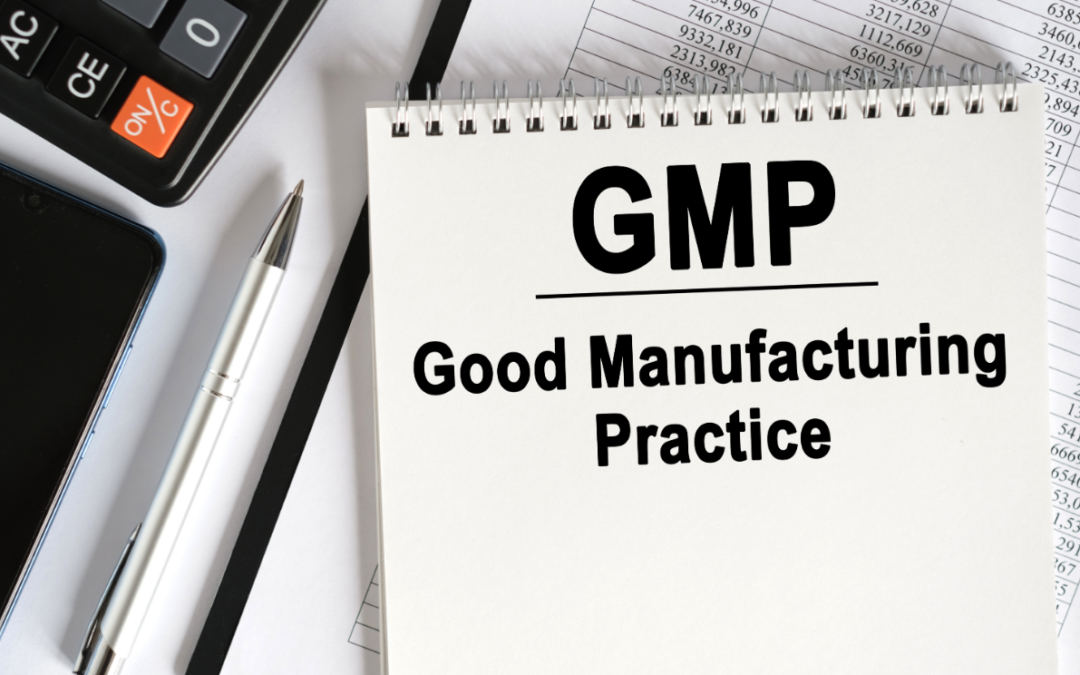
Good Manufacturing Practices (GMP) are internationally recognized principles that ensure pharmaceutical products are consistently produced and controlled according to quality standards.
In Kenya, GMP regulations are enforced by the Pharmacy and Poisons Board (PPB) to guarantee the safety, efficacy, and quality of medicines distributed across the country.
For both pharmaceutical manufacturers and community-level dispensaries, adhering to GMP guidelines is not optional—it’s a fundamental obligation.
In this article, we’ll explore Kenya’s GMP framework, compliance requirements, and practical strategies to maintain GMP standards across pharmaceutical operations.
Understanding the GMP Regulatory Framework in Kenya
GMP in Kenya is regulated under the Pharmacy and Poisons Act (Cap 244) and various PPB-issued guidelines.
The PPB, in collaboration with international agencies like the WHO, has adopted and localized GMP standards to suit the Kenyan pharmaceutical context. These standards apply to:
- Drug manufacturers
- Importers and exporters
- Warehouses and distributors
- Contract manufacturing and packaging facilities
GMP inspections are routinely conducted to assess compliance, and failure to meet the requirements can lead to suspension of operations or product recalls.
Key Pillars of Good Manufacturing Practices
1. Quality Management Systems (QMS)
A quality management system (QMS) is a structured framework that defines and documents an organization’s processes, procedures, and responsibilities for achieving quality policies, practices, and objectives.
The goal of a QMS is to reduce waste, increase efficiency, and improve customer satisfaction. A strong QMS is the backbone of GMP compliance. It includes:
2. Personnel and Training
Every employee involved in manufacturing must be:
- Trained on GMP requirements
- Competent in their specific tasks
- Regularly evaluated for performance and knowledge
The PPB emphasizes that all staff should understand hygiene practices, documentation standards, and contamination prevention techniques.
3. Premises and Equipment
Facilities must be constructed to minimize contamination. Requirements include:
- Smooth, easy-to-clean surfaces
- Controlled airflow and temperature
- Segregated zones for different processes
- Validated and calibrated equipment
This ensures that both raw materials and finished products are protected from physical, chemical, or microbial hazards.
4. Documentation and Record-Keeping
“If it’s not documented, it didn’t happen”—this GMP mantra highlights the importance of good record-keeping. Essential documents include:
- Batch manufacturing records
- Equipment logs
- Cleaning schedules
- Deviation reports
- Stability testing data
Digital documentation systems are increasingly being adopted in Kenya for enhanced traceability and data integrity.
5. Raw Material Control
All raw materials must be:
- Sourced from approved suppliers
- Tested for identity, purity, and quality
- Properly labeled and stored
The PPB requires full traceability for every input used in the manufacturing process.
Common GMP Violations in Kenyan Pharmacies and Manufacturers
Non-compliance with GMP can lead to serious consequences. Common violations observed by the PPB include:
- Inadequate or missing documentation
- Cross-contamination due to poor layout
- Untrained staff handling sensitive tasks
- Failure to conduct quality testing on finished products
- Expired materials used in manufacturing
These lapses not only risk public health but also damage brand reputation and can lead to legal action or operational suspension.
GMP Inspection and Certification Process in Kenya
Here is how the process typically works in Kenya:
Step 1: Preparation and Application
The manufacturer completes the application form (via the PPB online portal) and submits required documents.
After submission, PPB issues an invoice and payment must be settled.
Step 2: Scheduling the Inspection
Once documentation is in order, PPB arranges a site inspection. The inspection covers manufacturing premises, equipment, processes, personnel competence, documentation, quality control and more.
Step 3: On-site Inspection
Inspectors evaluate the site against criteria in the GMP guidelines: site design and cleanliness, process controls, documentation, product quality systems, storage, personnel training, etc.
If there are discrepancies, inspectors raise observations and may require corrective actions (CAPAs).
Step 4: Report and Corrective Actions
After the inspection, PPB issues an inspection report, highlighting non-compliance issues if any. The manufacturer must respond with corrective actions and implement them within a set timeframe.
Step 5: Certification / Approval
If the manufacturer meets the GMP requirements and resolves any major issues, PPB issues a GMP certificate or approval.
The certificate may be required for regulatory approvals, export permissions, etc.
Step 6: Ongoing Compliance & Surveillance
GMP certification is not a one-off event. PPB conducts surveillance inspections periodically to ensure continued compliance. Manufacturers must maintain standards, update SOPs, train staff and audit internal systems.
Benefits of GMP Compliance for Kenyan Pharmaceutical Businesses
Complying with GMP brings a host of advantages, including:
- Regulatory Approval: Facilitates PPB licensing, registration, and product marketing
- Market Trust: Builds consumer and healthcare provider confidence
- Reduced Recalls: Minimizes the risk of product failure or public health hazards
- Operational Efficiency: Standardized procedures lead to fewer errors and better outcomes
- Global Opportunities: GMP certification opens the door to regional and international markets
Digital Transformation in GMP Compliance
The PPB is encouraging the adoption of digital tools to improve GMP compliance. Key innovations include:
- Electronic Batch Records (EBR): Reduce errors and improve audit readiness
- Digital Quality Management Systems: For real-time tracking of SOPs and deviations
- Mobile Training Modules: To ensure staff are consistently educated on best practices
- Environmental Monitoring Systems: Automated systems to monitor temperature, humidity, and air quality in real-time
Digital solutions not only streamline compliance but also offer cost savings and scalability for growing pharmaceutical businesses.
Challenges to GMP Compliance in Kenya
Despite clear guidelines, some facilities struggle due to:
- High costs of facility upgrades
- Limited access to trained GMP consultants
- Resistance to documentation and SOP adherence
- Inconsistent enforcement across counties
To address these challenges, the PPB collaborates with training institutions and donor partners to offer workshops, audits, and financial support to manufacturers.
A Foundation for Safe and Quality Medicines
Good Manufacturing Practices are the cornerstone of pharmaceutical safety and quality assurance.
In Kenya, adherence to GMP ensures that patients receive safe, effective, and high-quality medicines, while pharmaceutical businesses maintain compliance, credibility, and competitiveness.
With increasing regulatory oversight and digital innovation, Kenyan pharmacies and manufacturers are better equipped than ever to implement GMP successfully.
By investing in quality systems, training, and facility upgrades, every stakeholder in the pharmaceutical supply chain can contribute to a healthier, more trustworthy healthcare system.
FAQs