by Mr. Maroa Noa | Nov 21, 2025 | Legal Framework, Marketing, Operations
In today’s global market, pharmaceutical supply chains face increasing risks and complexity. You must plan well, coordinate stakeholders, follow regulations, and deploy the right controls.
This article guides you step-by-step through best practices for securing pharmaceutical imports and exports, making your operations stronger and compliant.
Understanding the Importance of Supply Chain Security
A secure supply chain ensures that medicines remain safe, effective and authentic from origin to patient. It prevents counterfeits, product damage, regulatory breach and brand harm.
For companies involved in imports or exports, weak links in logistics, documentation or traceability can lead to major losses and reputational damage.
According to one review, pharmaceutical supply chains must manage regulatory compliance, complex networks of suppliers and the growing risk of counterfeits.
Key Regulatory Requirements for Imports & Exports
Before shipping or receiving pharmaceuticals across borders, you must know the rules. For example, Pharmacy and Poisons Board in Kenya publishes the Guideline on Import and Export of Health Products and Technologies, which emphasises the need for regulatory oversight for imports and exports, to prevent substandard or falsified products.
Elsewhere, Good Distribution Practices (GDP) define standards for how products must be stored, transported and traced.
Best Practices at Each Stage of the Supply Chain
Here are practices you should adopt for every major phase of your import or export cycle.
Supplier and Manufacturer Selection
-
Choose suppliers with strong quality systems and certifications.
-
Conduct audits of manufacturing sites, packaging and distribution.
-
Require transparency about component sourcing and subcontractors.
Documentation & Regulatory Compliance
-
Prepare accurate import/export customs documentation, licences and permits.
-
Label shipments clearly with lot numbers, expiry dates, handling instructions.
-
Validate that products meet destination country regulatory standards.
Packaging, Storage & Transportation
-
Use validated packaging that maintains required conditions (temperature, humidity).
-
Monitor cold-chain shipments with sensors and alerts.
-
Track shipments in real-time and record environmental data.
Traceability & Anti-Counterfeiting Measures
-
Assign unique identifiers to shipments and batches.
-
Consider technologies like blockchain or IoT for traceability.
-
Secure seals, tamper-evident packaging, and random checks.
Customs Clearance & Border Management
-
Ensure correct classification of products, tariffs, duty exemptions where applicable.
-
Coordinate with logistics providers, customs brokers and regulators.
-
Plan for inspections, delays and documentation mismatches.
Risk Management & Contingency Planning
-
Map out risks: supplier failure, transport disruption, regulatory changes, natural disasters. ResearchGate
-
Maintain safety stocks or alternate sources.
-
Monitor for alerts: recalls, counterfeit reports, import bans.
Continuous Monitoring & Audit
-
Perform regular internal audits of supply-chain practices and vendor performance.
-
Implement corrective and preventive actions (CAPAs) when deviations occur.
-
Review KPIs: lead time, temperature excursions, shipment damage, regulatory findings.
How Technology Supports Supply Chain Security
Modern technologies provide strong support:
-
IoT sensors monitor temperature, humidity and location in real-time for shipments.
-
Blockchain ledgers ensure immutable records of product origin and movement.
-
Advanced analytics / AI predict demand, identify risk patterns and optimise supply-chain networks.
-
Digital platforms manage documentation, compliance tracking and stakeholder collaboration.
Challenges You Should Be Aware Of
Despite best efforts, you may still face headwinds:
-
Varying regulatory frameworks across countries complicate compliance.
-
Cold-chain logistics remain expensive and prone to failure.
-
Counterfeiting and diversion stay persistent, especially in complex networks.
-
Data visibility across multiple tiers of suppliers is often limited.
-
Disruptions (pandemics, geopolitics, transport delays) continue to test resilience.
Practical Checklist for Importers & Exporters
Use this checklist to ensure you cover all bases:
-
Verify supplier credentials and quality system.
-
Confirm destination country import permits and regulatory standards.
-
Package and label products according to GDP and local laws.
-
Monitor shipment conditions and track real-time data.
-
Maintain complete documentation: invoices, licences, certificates of analysis.
-
Register unique identifiers for traceability and anti-tampering.
-
Coordinate customs, logistics, regulatory stakeholders early.
-
Conduct periodic audits and risk assessments of your network.
-
Implement a contingency plan for disruptions (alternate routes, suppliers).
-
Review performance metrics regularly and adjust operations as needed.
How Clarity Pharma Consultancy Can Help
At Clarity Pharma Consultancy, we support pharmaceutical importers and exporters in building secure, compliant, and resilient supply chains.
We offer:
-
Compliance review and regulatory gap analysis
-
Supply-chain audit and vendor assessment
-
Cold-chain validation and monitoring setup
-
Traceability strategy using technology tools
-
Documentation and customs advisory
-
Training for staff in supply-chain best practices
If you want to fortify your pharmaceutical imports/exports and minimise risk, contact us today to schedule a consultation.
FAQs
by Mr. Maroa Noa | Nov 20, 2025 | Marketing, Operations, Strategy
Trust is the foundation of every successful healthcare interaction, especially in pharmacy practice. In Kenya, patients rely on pharmacists not only for medications but also for guidance, assurance, and accurate health information.
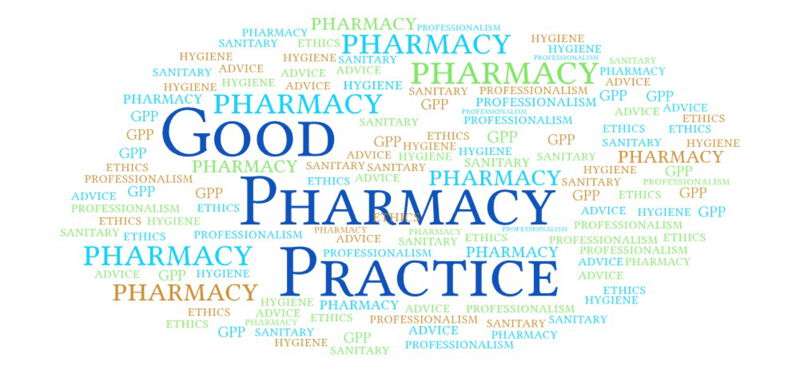
As healthcare continues to evolve, Good Pharmacy Practice (GPP) has become an essential framework for enhancing professionalism, accountability, and quality service delivery.
GPP provides clearly defined standards that help pharmacists offer safe, ethical, and patient-centered care. When these standards are consistently applied, patients feel valued, informed, and protected—leading to better health outcomes and stronger relationships between pharmacists and the community.
Understanding Good Pharmacy Practice (GPP) in Kenya
Good Pharmacy Practice refers to the standards set to ensure that pharmacists deliver quality pharmaceutical care responsibly and safely. In Kenya, GPP is guided by the Pharmacy and Poisons Board (PPB), which outlines the minimum requirements for ethical practice, patient safety, and professional conduct.
GPP also aligns with international recommendations issued by the World Health Organization (WHO) and the International Pharmaceutical Federation (FIP). These guidelines emphasize the need for competent, patient-focused services across all pharmaceutical settings.
Why Trust Matters in Pharmacy Practice
Trust influences how patients follow treatment plans, share accurate health information, and return for continued care. When patients trust their pharmacists, they feel confident about medication use and are more likely to avoid harmful self-medication.
Moreover, trusted pharmacists play a key role in public health by providing reliable advice on immunization, chronic disease management, and rational drug use.
In environments where misinformation is common, trust becomes a critical protective factor for community well-being.
Core Principles of Good Pharmacy Practice (GPP)
1. Patient-Centered Care
GPP emphasizes that every pharmacy interaction should prioritize patient needs. Pharmacists must offer individualized counseling, listen actively, and ensure each patient understands their treatment.
Through patient-centered care, pharmacists strengthen relationships built on empathy, respect, and clear communication. This approach improves adherence and empowers patients to take control of their health.
2. Professional Competence and Continuous Learning
Pharmacists must remain competent by updating their knowledge and staying informed about new therapies, safety alerts, and emerging diseases. In Kenya, PPB requires pharmacists to participate in Continuing Professional Development (CPD) programs.
Continuous learning ensures pharmacies maintain high professional standards and provide patients with safe, evidence-based recommendations.
3. Ethical and Responsible Service Delivery
Ethical practice is central to GPP implementation. Pharmacists must protect patient confidentiality, avoid conflicts of interest, and make decisions that put patient safety first.
Responsible service delivery also means refusing to dispense medications without valid prescriptions and reporting suspected misuse. These measures protect patients and promote responsible pharmaceutical use.
4. Quality Assurance and Safety Standards
GPP requires pharmacies to maintain strict quality control measures from medication procurement to dispensing. These measures include proper storage conditions, batch tracking, and adherence to expiry-date protocols.
With strong quality assurance systems in place, patients receive genuine, safe, and effective medications. This transparency strengthens their confidence in the pharmacy’s services.
5. Effective Communication and Counseling
Clear, friendly, and professional communication helps patients understand their medications and avoid dangerous errors. Pharmacists should use simple language, check for understanding, and encourage patients to ask questions.
Good counseling supports better health outcomes and prevents confusion, especially among patients managing chronic illnesses.
Implementing GPP in Kenyan Pharmacies
1. Strengthening Standard Operating Procedures (SOPs)
Pharmacies must establish SOPs that outline daily workflows for dispensing, record-keeping, counseling, and handling controlled substances. SOPs ensure consistency and reduce risks related to human error.
Additionally, SOPs help new staff integrate smoothly while maintaining the organization’s expected service standards.
2. Enhancing Pharmacy Infrastructure
A well-organized pharmacy signals professionalism and competence. Clean counters, well-labeled shelves, and secure storage areas demonstrate the pharmacist’s commitment to safety.
Modern infrastructure—such as computerized stock systems—also reduces errors and enhances service efficiency.
3. Training and Empowering Pharmacy Staff
Support staff such as technicians and assistants must receive proper training to maintain the integrity of GPP standards. Skilled staff create a seamless patient experience and reduce unnecessary delays.
Furthermore, empowered staff contribute to a culture of accountability and teamwork.
4. Promoting Digital Health Tools
Digital tools improve efficiency, accuracy, and patient engagement. Electronic dispensing systems, telepharmacy, and digital recordkeeping support faster decision-making and reduce medication errors.
In Kenya, digital platforms also help pharmacies collaborate with insurers, clinicians, and supply chains to improve service quality.
5. Ensuring Transparency in Pricing and Medication Availability
Patients value honesty and clarity. Transparent pricing builds trust and prevents misunderstandings. Pharmacies should clearly display service charges and inform patients about affordable generic options when appropriate.
Additionally, keeping essential medicines in stock reduces frustrations and enhances trust.
How GPP Builds Trust with Patients
Implementing GPP creates a safe environment where patients feel respected and protected. When pharmacies operate ethically and professionally, patients develop long-term loyalty.
Moreover, GPP reduces medication errors, improves patient understanding, and ensures ethical responsibility. These efforts build credibility, strengthen community confidence, and enhance public health outcomes.
The Role of Technology in Advancing GPP in Kenya
Technology is reshaping pharmacy practice in Kenya. Digital prescription systems, automated stock management, and online patient education improve accuracy and efficiency.
Furthermore, technology helps pharmacists track patient history, identify interactions, and provide personalized care. These capabilities enhance safety and foster deeper patient trust.
Regulatory Bodies Supporting GPP in Kenya
Kenya’s regulatory ecosystem supports GPP through strict licensing, inspection, and compliance protocols. Key bodies include:
These institutions ensure pharmacies uphold standards that promote patient safety and trust.
How Pharmacies Can Strengthen Patient Engagement
Pharmacies can adopt simple but effective strategies to engage patients:
-
Provide friendly consultations.
-
Offer follow-up support for chronic conditions.
-
Educate patients on proper medication use.
-
Guide patients on preventive care services.
-
Use digital reminders for refills and monitoring.
Such strategies demonstrate commitment, deepen patient relationships, and enhance community trust.
Challenges Affecting GPP Implementation in Kenya
Pharmacies often face challenges such as limited staffing, high patient volumes, and supply chain inconsistencies. Additionally, counterfeit medications and rapid changes in treatment guidelines create operational pressure.
However, through professional collaboration, government support, and continuous training, pharmacies can overcome these challenges and improve service quality.
Good Pharmacy Practice forms the backbone of trustworthy, reliable, and patient-centered pharmacy services in Kenya. By applying GPP principles, pharmacies strengthen patient relationships, reduce errors, and deliver safe, ethical, and high-quality healthcare.
As the sector continues to evolve, embracing GPP remains essential for building strong, lasting trust between pharmacists and the communities they serve.
FAQs

by Mr. Maroa Noa | Nov 20, 2025 | Legal, Legal Framework, Marketing
Medicine advertising influences how people choose and use pharmaceutical products. When the information is misleading or exaggerated, the public faces serious risks.
Because of this, the Pharmacy and Poisons Board (PPB) plays a central role in protecting Kenyans from unsafe promotion.
Through strict guidelines, consistent monitoring, and strong enforcement, the PPB ensures advertising remains responsible, truthful, and safe.
What Is the Pharmacy and Poisons Board (PPB)?
The PPB is Kenya’s national drug regulatory authority established under the Pharmacy and Poisons Act (Cap 244).
It oversees the quality, safety, and efficacy of all human medicines circulating in the country. In addition, the Board regulates every stage of the pharmaceutical chain—from manufacture and importation to distribution and promotion.
Why Regulating Medicine Advertising Matters
1. Preventing Misleading Claims
Misleading advertisements can cause people to trust medicines that do not work or that they do not need. Because of this risk, the PPB reviews every advertisement to ensure the claims remain factual. This approach prevents exploitation and protects vulnerable groups.
2. Reducing Self-Medication and Misuse
Aggressive promotion may encourage people to self-prescribe. As a result, they may delay proper treatment or overdose. By regulating advertisements, the PPB limits harmful self-medication and promotes safer health-seeking behavior.
3. Combating Counterfeit or Unapproved Medicines
Kenya faces challenges with counterfeit and illegal pharmaceuticals. Therefore, monitoring advertisements helps block unregistered or dangerous products from reaching the public. This enforcement reduces exposure to unsafe medicines.
4. Promoting Rational Use of Medicines
When advertisements remain accurate, people learn the correct uses and limitations of medicines. Consequently, the public benefits from better treatment outcomes and fewer complications.
How the PPB Regulates Medicine Advertising
1. Advertisement Approval Process
Before any medicine is advertised in Kenya, the PPB must issue written approval. Applicants submit an official form, pay a review fee, and provide the exact wording intended for public use.
This early review ensures every claim aligns with scientific evidence. It also filters out false and exaggerated promotional language.
2. Restrictions on Certain Disease Claims
The Pharmacy and Poisons Act prohibits advertisements that claim to cure certain severe conditions. These include cancer, tuberculosis, epilepsy, diabetes, and several other chronic diseases.
Because such conditions require specialized care, the Board blocks advertisements that may misguide desperate patients.
3. Reviewing Content for Accuracy and Balance
The PPB examines every message to ensure it does not oversell benefits or hide risks. When an advert appears extravagant or misleading, the Board rejects it or demands corrections.
These checks ensure that marketing focuses on facts rather than sensational promises.
4. Penalties for Non-Compliance
Companies that advertise without approval or violate advertising rules face fines or imprisonment. Offenders risk penalties such as fines up to KSh 20,000 or a year in jail for a first offence.
Since repeated breaches attract heavier punishment, organizations are encouraged to comply.
The PPB’s Wider Role in Protecting Public Health
1. Market Authorization and Licensing
Before a medicine reaches the market, the PPB evaluates it for safety, quality, and effectiveness. Once approved, the Board licenses manufacturers, distributors, and pharmacies. This licensing system ensures that only trained and certified professionals handle pharmaceuticals.
2. Pharmacovigilance and Post-Market Monitoring
Even after approval, medicines require continuous monitoring. Therefore, the PPB collects reports of side effects through its pharmacovigilance program. It also performs post-market surveillance to confirm that products in circulation meet safety standards. When risks appear, the Board issues warnings or recalls.
3. Enforcement Against Illegal Pharmaceutical Trade
The PPB regularly partners with police and county governments to shut down illegal pharmacies and seize unregistered medicines. These operations help maintain a safe pharmaceutical environment and protect communities from harmful products.
4. Public Awareness and Education
Beyond inspections and approvals, the PPB invests in public education. Through advisories, social media updates, and community outreach, the Board encourages responsible medicine use and alerts the public to emerging threats.
Key Challenges Faced by the PPB
Even with strong systems in place, the PPB faces several obstacles:
-
Growth of online advertising, which spreads unverified claims quickly.
-
Resource constraints, which limit monitoring capacity.
-
Low public awareness, especially in rural regions.
-
Emerging digital marketing tactics, such as influencer promotions.
Because the pharmaceutical environment keeps evolving, the PPB must continually strengthen its strategies.
Why the PPB’s Role Is Essential for Kenyans
Kenya’s public health relies heavily on accurate drug information. When advertisements are truthful and regulated, people can make informed decisions about their health.
Moreover, strict oversight builds confidence in the healthcare system and prevents exploitation. Ultimately, PPB’s role in regulating advertising contributes directly to safer, healthier communities.
The PPB plays a crucial role in safeguarding public health in Kenya. By regulating medicine advertising, approving products, monitoring safety, and enforcing laws, the Board prevents misinformation and protects consumers from harm.
As advertising grows more creative and digital, the PPB continues to strengthen its oversight to ensure that every promotional message remains accurate, honest, and safe.
FAQs

by Mr. Maroa Noa | Nov 20, 2025 | Legal, Marketing, Operations
In recent years, Kenya’s Pharmacy and Poisons Board (PPB) has embraced digital transformation by shifting many of its permit and licensing processes online.
This strategic move strengthens regulatory efficiency, improves stakeholder experience, and enhances transparency.
In this article, we’ll explore how this journey is unfolding, its benefits, and what it means for pharmacists, drug distributors, and the general public.
Why PPB Went Digital
-
Enhancing Efficiency
By digitizing licensing processes, the PPB significantly reduces paperwork, manual processing, and human error. Stakeholders can now apply, pay, and monitor their applications in real time via the PPB Online Services Portal.
-
Promoting Transparency
Online systems allow real‑time tracking of license status, so applicants always know where they stand. This reduces opacity and helps curb corrupt practices.
-
Boosting Compliance
The automated portal encourages higher compliance since it’s easier, faster, and more accessible. Stakeholders are more likely to renew their licenses and follow regulations.
Key Components of the PPB Online Permits & Licenses System
1. Online Services Portal
Through the PPB Online Services Portal, users can register an account, apply for various licenses, make payments, and download permits. This all-in-one platform streamlines the entire regulatory lifecycle.
2. eCitizen Integration
To access many PPB online services, users must log in via eCitizen, Kenya’s central government services portal. This ensures identity verification, enhances security, and aligns PPB services with national digital infrastructure.
3. Licensing for Premises and Practitioners
The PPB regulates both pharmacy premises and the practitioners (pharmacists, pharmaceutical technologists). Licenses for premises, annual practice, and other permits now go through the online system, speeding up approval and renewal.
4. Online Exams for Pharmacists
PPB now uses its portal to manage professional exams. For example, in June 2025, candidates registered and sat for online pre-registration and enrollment exams via the online system. This process reduces administrative burdens and improves accessibility.
5. Pharmacovigilance & Clinical Trials
Beyond routine licensure, PPB’s digital infrastructure supports clinical trial registration and pharmacovigilance reporting. Their Clinical Trials Registry and Electronic Pharmacovigilance Reporting System help streamline regulatory oversight of drug safety.
Major Benefits of the Digital Shift
-
Speed: Applications that once took weeks can now be processed faster due to electronic workflows.
-
Accessibility: Stakeholders anywhere in Kenya can apply for licenses, check status, or renew without physically visiting PPB offices.
-
Cost-savings: Reduces costs for both PPB and applicants (e.g., less paper, fewer visits).
-
Better Tracking & Auditing: Digital logs make it easier to audit applications, detect fraud, and ensure accountability.
-
Public Safety: With a live, updated register of licensed pharmacies, the public can verify the legitimacy of outlets — even by scanning QR codes on licenses.
Challenges & How PPB Is Addressing Them
-
Digital Literacy: Not all stakeholders may be comfortable with online systems. The PPB may need to provide training or user guides.
-
Internet Access: In remote areas, poor connectivity could hinder use of the portal. PPB may collaborate with local agencies to provide support.
-
Security Risks: Handling sensitive data online requires robust cybersecurity. PPB’s integration with eCitizen helps by leveraging existing secure identity systems.
-
Regulatory Adaptation: As services go digital (e.g., online pharmacies), PPB has proposed new rules to manage online prescribing, counselling, and medicine sales.
The Impact on Stakeholders
Pharmacists & Pharmaceutical Technologists
They benefit from simplified license renewals, faster permit approvals, and a centralized dashboard where they can track their submissions.
Pharmacy Owners / Premises
Owners can apply for premises registration, submit required documents online, and map compliance against PPB standards.
Drug Manufacturers & Importers
These parties can apply for Good Manufacturing Practice (GMP) inspections via digital forms. The portal also supports import/export registration, reducing bureaucratic delays.
Public / Consumers
Members of the public can verify if a pharmacy is licensed by checking PPB’s online registry — and even scanning a QR code on the displayed license. This boosts trust and safety.
Regulators
PPB itself gains from more streamlined internal workflows, better data, and improved capacity to enforce compliance.
Future Outlook
-
Expansion of Services: We may see more modules on the portal covering inspections, drug waste disposal, and enforcement.
-
Enhanced Analytics: Digital data gives PPB insights into licensing trends, compliance gaps, and risk areas.
-
Interoperability: The portal could integrate with other government systems (e.g., health records, national trade systems) to create synergies.
-
Regulating Online Pharmacies: As digital pharmacies grow, the PPB is expected to continue developing stricter regulatory frameworks.
The digital transformation at PPB marks a pivotal moment for Kenya’s pharmaceutical regulatory sector. By moving permits and licenses online, the Board not only enhances efficiency, but also strengthens transparency, compliance, and public trust.
This shift helps all stakeholders—from pharmacists and business owners to everyday Kenyans—navigate the system more easily.
As PPB continues to evolve, its focus on innovation and accessibility promises to shape a safer, more regulated pharmaceutical landscape.
FAQs

by Mr. Maroa Noa | Nov 19, 2025 | Marketing, Operations, Strategy
Ensuring quality education in pharmacy is vital for Kenya’s health sector. The Pharmacy and Poisons Board (PPB) regulates not only practicing pharmacists but also the institutions that train them.
In this article, we explain how the PPB approves and monitors pharmacy training institutions, what you need to know, and why it matters.
Understanding the Regulatory Framework
The PPB exists under the Pharmacy and Poisons Act, Cap 244, which empowers it to regulate pharmacy practice and training.
The Board publishes a list of approved institutions offering pharmacy or pharmaceutical-technologist training.
Institutions must seek PPB approval before operating programs that train pharmacists or pharmaceutical technologists. The process ensures that students graduate from recognised schools and meet professional entry standards.
Why Approval and Monitoring Matter
When training institutions meet standards, quality graduates enter the workforce. Good regulation protects public health, raises professional standards and promotes the credibility of training institutions.
Without proper approval, students risk attending unrecognised courses and employers may decline graduates. The PPB emphasises that it only accepts qualifications from recognised institutions.
Monitoring, meanwhile, ensures ongoing compliance. Institutions may change curriculum, facilities, or staff, and oversight ensures standards remain high.
Key Steps to Institutional Approval
1. Submit Application to PPB
An institution wishing to train must apply to PPB’s Training & Assessment division. The application typically includes infrastructure plans, staffing, curriculum and resources. While a detailed PPB guideline may exist, institutions must adhere to listed requirements.
2. Demonstrate Facilities & Staffing
PPB inspects whether the institution has appropriate labs, teaching material, qualified staff and student support. Accreditation often includes visits and facility audits.
3. Curriculum Approval & Program Recognition
The institution must align its curriculum with PPB’s standards for pharmacy or pharmaceutical-technologist training. Graduates must fulfil PPB recognition criteria for registration or enrolment.
4. Indexing of Students
Once approved, the institution should ensure students are indexed with PPB. This step is essential for those students to sit PPB exams, register/enrol and practise.
5. Final Accreditation & Listing
On approval, PPB lists the institution among approved training institutions. The public list confirms which schools meet the regulatory requirements.
Monitoring and Quality Assurance by PPB
Regular Inspections
The PPB conducts routine inspections of approved institutions. The inspections may cover teaching quality, facilities, student outcomes and compliance with the original approval.
Continued Professional Development (CPD) Oversight
PPB also regulates CPD for practitioners and works with institutions to ensure training providers meet CPD accreditation standards.
Sanctions and Deregistration
If an institution fails to maintain standards, PPB has authority to suspend its approval, remove it from the approved list, or impose corrective measures. Training in non-approved institutions may lead to non-recognition of qualifications.
Standards and Criteria Institutions Must Meet
Here are key criteria institutions should fulfill:
-
Adequate teaching facilities (laboratories, library, teaching aids)
-
Qualified faculty and staff with relevant credentials
-
Clear curriculum aligned with PPB/commission guidelines
-
Student registration and indexing with PPB
-
Transparent assessment and internship attachment arrangements
-
Continuous evaluation, student feedback and training improvement systems
Practical Tips for Institutions and Students
For Training Institutions:
-
Ensure your institution appears on the PPB approved list before enrolling students.
-
Maintain rigorous internal audits to ensure standards do not slip between PPB inspections.
-
Keep records of facilities upgrades, staff changes and curriculum reviews.
For Students:
-
Check the PPB list of approved institutions prior to admission.
-
Ensure you get your student index number as required by PPB.
-
Confirm that the qualification you seek is recognised by PPB for registration/enrolment.
How Clarity Pharma Consultancy Can Help
If you operate or plan to establish a pharmacy training institution—or you are a student seeking clarity—Clarity Pharma Consultancy offers targeted advisory services.
We can guide you through PPB accreditation, institutional compliance reviews, student indexing processes and monitoring readiness. Contact us to strengthen your institution’s regulatory alignment and ensure recognition of your program.
FAQs