
by Mr. Maroa Noa | Nov 24, 2025 | Law, Operations, Strategy
When pharmaceutical products reach the Kenyan market, stakeholders must guarantee they meet rigorous quality standards. The Pharmacy and Poisons Board (PPB) has long mandated these standards and published guidance that laboratories must follow.
This article unpacks PPB’s quality manual (and analogous standards) to help you understand what pharmaceutical testing labs must do.
Understanding PPB’s Role in Laboratory Standards
The PPB exists under the Pharmacy and Poisons Act (Cap 244) in Kenya. It regulates manufacture, trade, import/export, registration, and quality of medicines. As part of this mandate, the PPB influences the standardisation of pharmaceutical testing laboratories.
Laboratories that test medicines must operate under recognised quality management systems to produce valid and reliable results.
Why a Quality Manual for Pharmaceutical Testing Matters
A quality manual sets the blueprint for how labs should operate and ensures consistent, high-quality outcomes. Without it, results may vary, risking public health, regulatory non-compliance, and loss of credibility. Globally, standards like ISO/IEC 17025 define the competence of testing labs.
When the PPB requires such frameworks, laboratories align with them to gain regulatory approval and maintain trust. In short, a strong quality manual = reliable test results + regulatory confidence + public safety.
Core Elements of a Laboratory Quality Manual for PPB Compliance
Here are the key topics your quality manual should cover:
Policies and Organisational Structure
Define the lab’s mission, scope of activities, and authority structure. Make clear who’s responsible for quality, competence, and compliance.
Describe how the facility meets PPB norms, including oversight, internal audits, and training programmes.
Document Control and Records Management
Establish procedures for version control of documents, secure storage of test records, and retention timelines.
Ensure records include calibration logs, reagent lot numbers, equipment maintenance, and test results.
Equipment, Calibration and Maintenance
State how equipment is selected, calibrated, qualified, and maintained.
Include schedules for preventive maintenance, calibration certificates, and logbooks.
Calibration traceability ensures test accuracy and aligns with external regulatory bodies.
Test Methods and Validation
Clearly document test methods (e.g., pharmacopoeial methods). Declare how methods are validated, verified, and reviewed.
Define acceptance criteria and how to handle deviations or out-of-specification results.
Ensure all standard operating procedures (SOPs) link to the manual.
Quality Control and Assurance
Include internal QC (e.g., control samples) and external QA (e.g., proficiency testing) programmes.
Cover how non-conforming work is managed, corrective actions implemented, and trends analysed.
Show how continuous improvement is embedded in lab culture.
Personnel and Training
Detail staff qualifications, roles, responsibilities, and training programmes.
Keep training records, supervise juniors, and update competency assessments regularly.
Safety, Environmental Conditions and Facilities
Define safe practices for handling hazardous materials, waste disposal, and chemical storage.
Ensure facility conditions (temperature, humidity) meet required tolerances for tests.
Show how the lab meets infrastructure requirements and environmental safety standards.
Monitoring, Audits and Review
Describe how internal audits occur, how management reviews take place, and how the quality manual is updated.
Continuous review ensures alignment with PPB updates and best-practice standards.
Practical Steps to Develop or Update Your Quality Manual
-
Perform a Gap Analysis – Compare existing lab practices against PPB guidance and ISO/IEC 17025 fundamentals.
-
Define Scope and Document Structure – Use clear headings, version controls, and table of contents.
-
Draft Policies for Each Element – Write concise statements for each section above.
-
Link SOPs and Records – Ensure each policy refers to relevant SOPs and forms.
-
Train Staff on New Manual – Conduct workshops and obtain staff acknowledgement.
-
Implement and Monitor – Execute the manual, run internal audits, capture non-conformances.
-
Review Annually or On Regulatory Change – Adjust manual content when PPB or industry standards change.
How Clarity Pharma Consultancy Can Help
If you need expert guidance to develop, review or implement a laboratory quality manual aligned with PPB standards, Clarity Pharma Consultancy stands ready. We offer tailored support in documentation, staff training, audit preparation and regulatory readiness. Contact us for consulting services that ensure your laboratory meets the highest standards.
FAQs
by Mr. Maroa Noa | Nov 24, 2025 | Legal Framework, Operations, Strategy
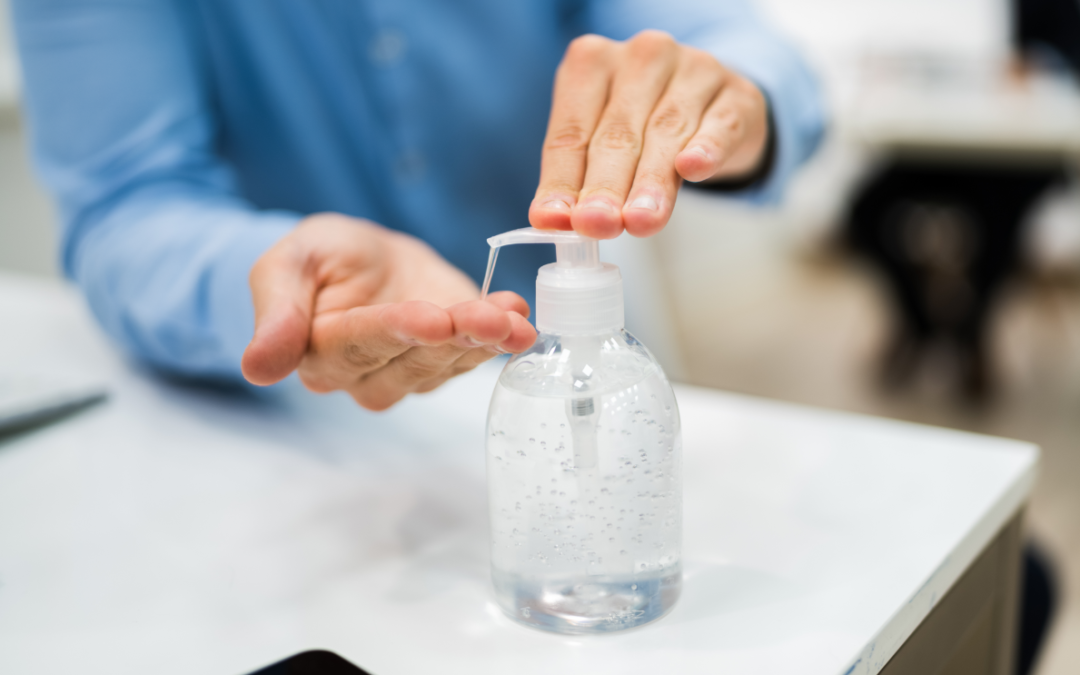
Alcohol-based hand rubs (ABHRs) remain a key part of infection prevention in Kenya. Pharmacies across the country often produce these products to meet local demand, especially during public health emergencies.
However, the Pharmacy and Poisons Board (PPB) and the World Health Organization (WHO) provide strict guidelines to ensure that hand rubs are effective and safe for community use.
This article explains these requirements in a simple and practical way, giving Kenyan pharmacy operators a clear path toward compliant production.
Understanding Alcohol-Based Hand Rubs
Alcohol-based hand rubs are disinfectant formulations used to inactivate harmful microorganisms. They provide fast action and require no water, making them ideal for both community and clinical settings. WHO recommends ABHRs containing ethanol or isopropyl alcohol at specific concentrations to maintain antimicrobial activity.
Why Kenyan Pharmacies Must Follow Approved Guidelines
Regulatory compliance protects consumers and protects your pharmacy from penalties. PPB enforces production standards to ensure safety, prevent contamination, and reduce the circulation of substandard products.
Adhering to guidelines also builds trust. Customers are more likely to rely on pharmacies that follow scientific and regulatory instructions. Furthermore, compliant production promotes public health during outbreaks such as COVID-19, cholera, and flu waves.
Essential Ingredients for Hand Rub Production
A compliant alcohol-based hand rub must use high-quality pharmaceutical-grade ingredients. WHO recommends only four main ingredients:
1. Alcohol (Ethanol 80% v/v or Isopropyl Alcohol 75% v/v)
This is the active ingredient that kills germs. Concentrations lower than recommended weaken the product’s effectiveness.
2. Hydrogen Peroxide 3%
Hydrogen peroxide inactivates bacterial spores in the solution. It protects the formulation during storage but does not act on the skin.
3. Glycerol (Glycerine) 98%
Glycerol acts as a humectant, preventing skin dryness. Only small amounts are needed to maintain skin comfort.
4. Sterile Distilled or Boiled Water
Water is used to dilute the alcohol to the required concentration. Ordinary tap water is not allowed.
These ingredients must remain pure and uncontaminated. Kenyan pharmacies should source them from PPB-approved suppliers.
Required Equipment for Production
Safe production requires clean, well-organised pharmacy space and proper equipment. Common tools include:
-
Measuring cylinders and beakers
-
Stainless steel mixing containers
-
Funnel and spouted bottles
-
Alcoholometers for concentration verification
-
PPE: gloves, masks, goggles
-
Clean, dust-free working benches
Using food containers or unverified plastic bottles may lead to contamination or chemical reactions. Pharmacies should use chemical-resistant materials that comply with PPB and WHO guidelines.
Step-by-Step Production Process (WHO Standard Method)
Step 1: Prepare the Working Space
Begin by cleaning and disinfecting surfaces. Ensure good ventilation because alcohol vapors accumulate easily.
Step 2: Measure Ingredients Accurately
Use calibrated tools to avoid errors. Even small inaccuracies may alter the alcohol concentration, rendering the product ineffective.
Step 3: Mix Ingredients in the Correct Order
Add alcohol first, then hydrogen peroxide, followed by glycerol. Mix using sterile conditions. Finally, add water to achieve the exact volume.
Step 4: Transfer Solution to Storage Containers
Seal containers tightly to prevent evaporation. Alcohol evaporates quickly and any exposure reduces the final concentration.
Step 5: Label the Final Product Clearly
Labels should include:
-
Product name
-
Composition
-
Production date
-
Batch number
-
Expiry date
-
Storage instructions
Clear labelling helps pharmacies track quality and respond to customer queries.
Step 6: Store in a Cool, Controlled Environment
Keep the product away from heat and sunlight. High temperatures degrade alcohol concentration and compromise efficacy.
Regulatory Requirements in Kenya
1. PPB Approval
PPB regulates pharmaceutical manufacturing and compounding. Pharmacies producing hand rubs must comply with PPB compounding and good manufacturing practice (GMP) guidelines.
2. Quality Assurance
Pharmacies must verify alcohol concentration through alcoholometers or laboratory tests. Substandard products violate the Public Health Act and may attract penalties.
3. Documentation and Batch Records
Every batch must have clear records for traceability. These include quantities used, dates, staff involved, and final yields.
4. Packaging Requirements
PPB requires safe packaging, child-proof caps, and tamper-evident seals where possible.
5. Retail and Distribution Standards
Pharmacies must separate production from service areas to maintain hygiene and customer safety.
Common Mistakes to Avoid
-
Using non-pharmaceutical-grade ingredients
-
Inaccurate measurements that weaken alcohol concentration
-
Storing hand rubs in hot environments
-
Poor labelling
-
Using unsterile bottles
-
Ignoring PPE and hygiene protocols
Avoiding these mistakes protects consumers and improves product quality.
Safety Precautions for Pharmacy Staff
Alcohol-based products are highly flammable. Pharmacies must:
-
Keep fire extinguishers nearby
-
Avoid open flames and sparks
-
Train staff on safe handling
-
Ensure proper ventilation
-
Store alcohol securely away from heat
These precautions reduce risks during production.
Why Quality Matters for Kenyan Pharmacies
High-quality hand rubs reduce infections within communities and healthcare environments. Kenya’s busy public spaces, transport systems, and hospitals rely heavily on effective sanitizers. Pharmacies that produce quality ABHRs fulfil a public health duty while building stronger customer trust.
Professional Support for Compliant Production
Pharmacies that want to improve their production processes can benefit from expert guidance. Clarity Pharma Consultancy offers support on regulatory compliance, WHO production protocols, PPB requirements, and quality assurance systems.
Their team helps pharmacies set up safe procedures and avoid common compliance errors in ABHR production.
FAQs

by Mr. Maroa Noa | Nov 24, 2025 | Legal, Operations, Strategy
Managing controlled substances in Kenya demands attention to detail, strong systems and full regulatory compliance. This article walks you through the key steps—from licences to safe-storage to record-keeping—so you can operate confidently and legally.
Understanding Controlled Substances in Kenya
In Kenya, the regulation of drugs and poisons falls under the Pharmacy and Poisons Board (PPB) established via the Pharmacy and Poisons Act (Cap 244).
The Act gives the Board powers to make rules relating to “safe custody and storage of poisons” and to require registers and books to be kept.
Controlled substances typically include Part I poisons and other regulated medicines. You must treat them with stricter control.
Licensing: Getting Authorised to Handle Controlled Substances
Before you handle controlled substances, you must ensure proper licensing:
-
Apply for the correct licence via the PPB’s Online Licensing portal.
-
Ensure your business registration and professional staff (e.g., a registered pharmacist) are in place.
-
Submit documentation for premises, storage, and security arrangements.
-
Await inspection and approval before stocking or dispensing controlled substances.
By securing the correct licence, you mitigate risks of non-compliance and enforcement action.
Storage & Safe Custody: Protecting Controlled Substances
Once licensed, proper storage becomes crucial.
Key Storage Practices
-
Store controlled substances in a separate room or compartment locked and clearly labelled “Poisons Only”.
-
Restrict access so that only authorised personnel can reach the controlled substance area.
-
Keep storage physically apart from food or drink, and maintain environmental conditions (temperature, light, humidity) appropriate for the medicines.
-
Ensure containers are appropriate, secure, and clearly labelled. The law demands poisons be placed in impervious containers and sealed properly.
-
Periodic inspections—within your own facility—help monitor storage integrity and prevent diversion or theft.
By applying these measures you maintain integrity of your stock and protect public health.
Record-Keeping: Tracking, Auditing & Compliance
Accurate records form the backbone of your system for controlled substances.
What to Document
-
Maintain a Poison Book or equivalent register for Part I poisons as required under the Act and Rules.
-
Log incoming quantities (batch numbers, expiry dates), outgoing supplies, prescriptions filled, returns and destructions.
-
Ensure records are retained for the time period specified by law and are readily available for inspection.
-
Conduct internal audits regularly to reconcile stock, compare with records and identify discrepancies early.
Records help you trace each unit of controlled substance from receipt to dispensing or disposal.
Inspection & Audit: What Regulators Expect
The PPB and authorised officers hold statutory powers to inspect your premises, paperwork and storage.
During an inspection they will check:
-
Licence validity and display
-
Storage conditions (locked, labelled, separated)
-
Record-books and registers
-
Proof of authorised personnel handling the substances
-
Compliance with rules on supply and possession
Preparing in advance reduces risk of penalties and operational disruptions.
Common Compliance Mistakes & How to Avoid Them
Here are typical pitfalls—and how you can avoid them:
-
Mistake: Storing controlled substances alongside general stock or food.
Solution: Create a dedicated locked compartment and train staff accordingly.
-
Mistake: Failing to maintain up-to-date registers.
Solution: Use daily logs and reconcile monthly.
-
Mistake: Operating without the correct licence or registration.
Solution: Verify licencing status before handling any controlled substance.
-
Mistake: Delayed inspection preparation.
Solution: Implement regular mock audits and keep documentation ready.
Avoiding these helps you stay compliant and safeguard your business.
Best Practices: Building a Robust Compliance System
To operate at a high standard, follow these practices:
-
Develop standard operating procedures (SOPs) for receipt, storage, dispensing and destruction of controlled substances.
-
Train all staff in the rules: Part I poisons, lock-and-key storage, record-keeping.
-
Schedule regular internal audits (weekly/monthly) to check logs and stock.
-
Review licences and registrations annually and renew on time.
-
Display your licence and relevant signage prominently in your facility.
-
Use technology where possible: digital registers, barcode systems, alerts for expiry and stock discrepancies.
By embedding compliance into your daily operations you stay ahead of regulation and reassure stakeholders.
How Clarity Pharma Consultancy Can Support You
If navigating licences, storage rules and record-keeping for controlled substances seems complex, you’re not alone. At Clarity Pharma Consultancy we support Kenyan health-sector businesses with:
-
Regulatory gap analyses and readiness checks
-
Licence application assistance with the PPB
-
Designing secure storage facilities and SOP documentation
-
Staff training on controlled substance handling and record systems
-
Internal audit frameworks and mock inspections
Partner with us to ensure you stay compliant, minimise risk and maintain smooth operations.
Handling controlled substances in Kenya requires more than just compliance—it demands a system. Licensing under the PPB, secure storage, meticulous record-keeping and proactive auditing form the core of a strong compliance programme.
When you build solid practices and partner with knowledgeable consultants, you safeguard your business, patients and reputation.
FAQs

by Mr. Maroa Noa | Nov 24, 2025 | Operations, Strategy
n Kenya, regulatory efficiency matters. The Pharmacy and Poisons Board (PPB) has introduced a set of reliance mechanisms. These mechanisms allow the agency to leverage decisions from trusted regulators. In doing so, they speed up medicine approvals without compromising safety, efficacy or quality.
This article explains what reliance mechanisms are, how they work in Kenya, and what companies need to do to take advantage of them.
What Are Reliance Mechanisms?
A reliance mechanism is a regulatory tool where one national regulatory authority gives significant weight to the work performed by another trusted regulator when approving a medicine.
The World Health Organization defines this approach as beneficial in optimising resources and improving timelines.
In Kenya’s context, the PPB issued the “Guidelines on Reliance Mechanisms for Marketing Authorization of Health Products and Technologies in Kenya”. These guidelines create pathways for faster approvals by recognising work done by reference authorities, reducing duplication.
Why Kenya Needs Faster Medicine Approvals
Kenya faces increasing pressure to deliver essential medicines timely. Demand for new treatments, emerging diseases and technology‐driven innovations have grown. By adopting reliance pathways, the PPB aims to reduce regulatory bottlenecks and improve access.
Also, global regulatory convergence encourages Kenya to align with international best practice. A recent workshop in Nairobi highlighted the low adoption but significant potential of reliance approaches in Kenya.
The Legal and Regulatory Framework
The PPB derives its mandate from the Pharmacy and Poisons Act and supportive regulations such as the Medicines and Allied Substances Act (as amended).
Under these laws, the PPB may approve, suspend or revoke marketing authorisations. With the new reliance guideline, the PPB formalises the use of trusted regulators’ assessments to inform its decisions.
Key Reliance Pathways Introduced by PPB
1. Reference Regulator Pathway
This pathway accepts a marketing authorisation granted by a recognised stringent or well-established regulatory authority. The PPB then uses that approval as a basis to expedite review.
2. Work-sharing or Collaborative Review Pathway
Applicants submit data simultaneously to multiple jurisdictions. The PPB may coordinate with other regulators and leverage their findings to shorten timelines.
3. Verification or Abridged Review Pathway
For products already approved elsewhere, the PPB conducts a targeted review of specific modules (such as manufacturing or clinical summary) instead of full standard review.
4. Emergency/Expedited Reliance Pathway
In public health emergencies, the PPB may use reliance mechanisms to fast-track approvals of vital medicines or vaccines.
Benefits of Using Reliance Mechanisms
-
Shorter approval timelines – Applicants spend less time waiting for decisions.
-
Reduced duplication of effort – The PPB uses existing assessments from trusted regulators, reducing the burden on applicants.
-
Resource optimisation – The regulator can focus its resources on high-risk products and post-market surveillance.
-
Improved access – Patients gain faster access to new, safe, effective medicines.
-
Global alignment – Kenya signals commitment to regulatory convergence and international standards.
Practical Steps for Applicants: Navigating the Reliance Pathways
-
Check eligibility – Verify whether the product is approved by a recognised reference regulator and meets the criteria in the guideline.
-
Prepare a robust dossier – Include a summary of the reference agency’s approval, quality/manufacturing data, clinical evidence and safety profile.
-
Engage with PPB early – Consider pre-submission meetings to clarify which reliance pathway applies and what supporting documents are needed.
-
Submit through the designated online portal – Use PPB’s submission channel and tag the application as “Reliance Pathway”.
-
Respond promptly to queries – Once submitted, engage quickly with regulators to avoid delays.
-
Plan for post-market obligations – Even with reliance pathways, maintain pharmacovigilance, manufacturing oversight and local registration obligations.
Challenges and Considerations
The reliance model brings advantages but also challenges:
-
Data transparency – Companies must supply unredacted reports from reference regulators.
-
Local relevance – The regulator still assesses local context, disease profile and manufacturing site suitability.
-
Infrastructure/Capacity – PPB and applicants need strong systems to handle reliance workflows. As one workshop found, industry awareness and regulatory capacity remain gaps in Kenya.
-
Legal clarity – The guideline is relatively recent and stakeholders must monitor updates as practice evolves.
How Clarity Pharma Consultancy Can Help
If you are an innovator, manufacturer or distributor looking to leverage Kenya’s reliance pathways, Clarity Pharma Consultancy offers expert support.
We guide clients through the eligibility assessment, dossier preparation, submission planning, regulator engagement and post-market compliance.
Contact us for a tailored consultation and ensure your products are fast-tracked under Kenya’s reliance framework.
Kenya’s adoption of reliance mechanisms marks an important step toward faster, efficient, and safe access to medicines. The PPB’s guideline sets out clear pathways that reduce duplication and speed review without lowering standards. If you plan to register your product in Kenya, understanding and leveraging these mechanisms becomes vital. Early engagement, precise documentation and strategic planning position you for success.
FAQs
by Mr. Maroa Noa | Nov 21, 2025 | Legal Framework, Marketing, Risk Management
When you hold marketing authorisation for a medicine in Kenya, it is vital to keep it updated. Regulatory authorities expect any change—minor or major—to be reported promptly. In Kenya the Pharmacy and Poisons Act (Cap 244) and the associated rules govern such changes.
This article guides you through what you must know, how you should act, and how your business can remain fully compliant.
Understanding What “Changes to Registered Medicines” Means
A “change” or “variation” refers to any alteration in a registered medicine’s details after its approval. Examples include:
-
A new manufacturing site,
-
Changes in formulation or strength,
-
Label or packaging changes,
-
Change in distribution channel or licence holder,
-
New indication or withdrawal of an indication.
Under the Rules, the Pharmacy and Poisons Board (PPB) must be notified of any alteration that could affect safety, efficacy or quality.
Staying proactive helps avoid enforcement action, delays in marketing or supply disruptions.
When Should You Submit a Change?
You should submit a variation:
-
Before implementing the change, if it is major (e.g., manufacturing site, formulation).
-
Within a defined timeframe after implementing smaller changes (e.g., labelling wording).
-
Immediately when there is a safety-related change (e.g., adverse event, defect).
Failing to notify the regulator may lead to revocation of your registration certificate.
Key Requirements for Submitting a Variation
Here are the main compliance elements when preparing your submission:
Document the Change Clearly
You must describe the change, rationale, supporting data and impact on product quality, safety or efficacy.
The PPB’s guideline emphasises structured dossiers for variations.
Refer to the Legal Framework
Ensure your submission aligns with the Pharmacy & Poisons Act (Cap 244) and Regulations.
Use the Online Portal
The PPB requires submissions through its portal (for instance for registration and renewals).
Pay Applicable Fees
Variations may carry fees or retention requirements depending on the type of change and timeframe. Consult the current fee schedule.
Keep Records and Track Changes
Document the change, internal approvals, and retain submission proof. That helps during inspections or audits.
Step-by-Step Process to Submit a Change
Here’s a practical sequence you can follow:
-
Assess the Nature of the Change
Determine whether the change is minor, major or safety-related.
Minor: packaging, non-critical labelling text.
Major: formulation, manufacturing site, indication.
Safety-related: adverse reaction, defect.
-
Prepare Supporting Data
For major changes, include technical documents: justification, validation, stability, risk assessment.
The PPB guideline highlights the need for detailed information especially for APIs and finished products.
-
Complete Variation Application Form
Log into the PPB submission portal → fill the variation request form → attach required documents.
-
Submit Payment and Application
Ensure fees are paid. Submit the form with supporting documents via the portal or according to PPB instructions.
-
Await Acknowledgement and Reference Number
The PPB assigns a submission number. Use it for tracking and communication.
-
Implement the Change (if allowed) or Wait for Approval
Some major changes require PPB approval before implementation. For minor ones, you may implement while awaiting formal acknowledgement (depending on PPB policy).
-
Monitor the Review Process
Respond to queries from PPB promptly. Delay may result in rejection or request for more data.
-
Receive Variation Approval
Upon approval, update your marketing documents, labels, packaging and supply chain accordingly.
-
Update Internal Systems and Records
Inform relevant stakeholders, update SOPs, quality systems, staff training.
Best Practices to Improve Your Submission Success
-
Use clear, active-voice language in your submission.
-
Label documents with version numbers and dates.
-
Keep paragraphs short and headings distinct for readability.
-
Provide a cover letter summarising the change.
-
Use transition words like “furthermore”, “consequently”, “therefore” to ensure flow.
-
Link to authoritative external sources to support your rationale.
-
Maintain high-quality formatting, naming conventions and consistent references.
How Clarity Pharma Consultancy Can Assist You
If you need expert support navigating variation submissions to the PPB, we can help. At Clarity Pharma Consultancy, our team guides you through regulatory classification of change, dossier preparation, submission tracking and compliance assurance. We ensure your product stays compliant and supply continuity remains intact.
FAQs