Safe management of pharmaceutical waste matters now more than ever. It protects public health, safeguards the environment, and ensures compliance with Kenyan law.
Every healthcare facility, pharmacy and pharmaceutical manufacturer in Kenya must treat pharmaceutical waste responsibly. Improper disposal can lead to environmental contamination, public health hazards and legal consequences.
The regulatory framework now clearly defines how pharmaceutical waste must be handled. This article will walk you through what you need to know and what you need to do.
In this guide, you will learn regulatory requirements, best practices, and practical steps.
Understanding the Regulatory Framework in Kenya
Kenya’s laws now provide clear rules for pharmaceutical waste management. The Pharmacy and Poisons Board (PPB) released guidelines for safe management of pharmaceutical waste in 2025.
Meanwhile, the Pharmacy and Poisons (Pharmaceutical Waste Management) Rules, 2022 under Legal Notice No. 99 of 2022 sets out detailed obligations for waste generators.
These rules apply to expired, damaged or unwanted pharmaceuticals, and any materials contaminated by them. They do not apply to sharps, general healthcare waste or radioactive waste.
Why Safe Pharmaceutical Waste Management Matters
Pharmaceutical waste can contain active ingredients that harm people and ecosystems. When such waste enters water systems or landfills unchecked, it poses risks to human health and biodiversity. Additionally, failing to comply with regulations can bring costly penalties and reputational damage.
Furthermore, pharmaceutical loss—or failure to destroy unusable stock—represents wasted resources. Good waste management therefore supports sustainability and cost-efficiency.
Key Steps in the Waste Management Process
1. Waste Minimisation
Begin by reducing the amount of waste your facility generates. The rules emphasise measures such as checking expiry dates on delivery, refusing short-dated pharmaceuticals and maintaining a First Expiry, First Out (FEFO) system. This step lowers your disposal burden and costs.
2. Segregation at Source
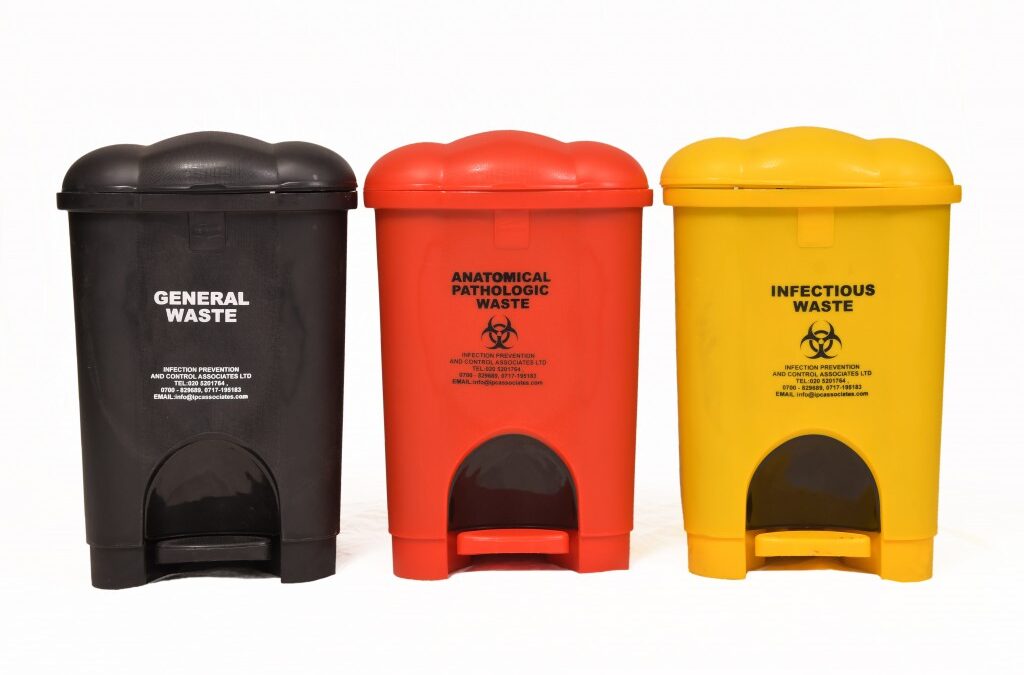
Immediately separate pharmaceutical waste from other medical or general waste. The rules require waste to be segregated by category—especially cytotoxic waste and aerosol containers. Use colour-coded, clearly labelled containers and ensure nobody mixes wastes.
3. Packaging and Labelling
Place pharmaceutical waste in leak-proof, tamper-proof containers. Labels must state the contents, the generator’s details, and warnings. The rules specify both English and Kiswahili labelling.
The Kenyan Law also states that pharmaceutical companies should avoid bundling incompatible wastes in the same package.
4. Storage
Store waste in a designated, secure quarantine area clearly marked “PHARMACEUTICAL WASTE AREA.” The area must be locked, access controlled and away from usable stock. Aim to dispose within one year of generation unless other approved arrangements exist.
5. Transportation
Move pharmaceutical waste only via licensed carriers. Vehicles must prevent leakage or spillage, display hazard markings and carry tracking notes. For cross-border transit or export, prior informed consent from the National Environment Management Authority (NEMA) is mandatory.
6. Treatment & Disposal
Approved disposal methods include incineration at high temperatures (especially for cytotoxic waste), encapsulation, inertisation or return to manufacturer. The rules provide a schedule for small versus large quantities.
7. Recording & Reporting
Maintain detailed records: date, product trade name, active ingredient, dosage form, quantity and justification for disposal. This supports traceability and compliance auditing.
Best Practices for Health-Facilities & Pharmacies
-
Integrate waste-management training into staff onboarding and refresher sessions.
-
Audit your stock regularly to identify short-dated items and avoid unnecessary waste.
-
Use return-to-supplier mechanisms where possible.
-
Partner only with licensed waste-handling and disposal contractors.
-
Label and segregate clearly from the point of generation—reduce risk of contamination.
-
Perform routine inspections of the quarantine waste-area and verify the disposal certificates.
By embedding these practices, you ensure operational safety and regulatory compliance.
Challenges & How to Overcome Them
Many Kenyan facilities face challenges: limited awareness, contract management issues, small-volume disposal costs, and lack of training. Research in Nairobi pharmacies showed significant gaps in handling and disposal practices.
To overcome these, management must make waste-handling integral to facility operations: allocate budget, appoint a waste-manager, schedule regular reviews and engage external advisors when needed.
Role of Clarity Pharma Consultancy
At Clarity Pharma Consultancy, we support healthcare providers, pharmaceutical companies and regulatory stakeholders to navigate Kenya’s pharmaceutical-waste requirements. We provide:
-
Waste-management training programmes
-
Compliance audits and gap-analysis reports
-
Contract-review for disposal service providers
-
Support in applying for PPB/NEMA licenses and disposal-certificates
If you need expert guidance, contact us to ensure your waste-management system is robust, compliant and industry-best.
Safe pharmaceutical waste management in Kenya is no longer optional—it is a regulatory, ethical and operational imperative.
By following a structured process—from minimisation, segregation, packaging, storage and transport to tratamento and disposal—you protect your team, patients and environment. Strong record-keeping and ongoing training make compliance manageable.
FAQs
Does every facility have to be licensed to dispose of pharmaceutical waste?
No. Waste generators must use licensed disposal facilities and carriers. The disposal site must be approved by NEMA, while the waste generator must apply for safe disposal under PPB.
How often should records for pharmaceutical waste be updated?
Records must be kept continuously, including the date of waste generation, product details and quantity.
Can cytotoxic pharmaceutical waste be handled like regular pharmaceutical waste?
No. Cytotoxic waste requires high-temperature incineration (often > 800 °C) and must never go to landfills.