Transforming Pharmaceutical Compliance Through Insight and Expertise
Our blog goes beyond sharing regulatory updates to provide practical, experience-based guidance for pharmaceutical businesses seeking to strengthen compliance and audit readiness. We offer insights drawn from real inspection scenarios, international best practices, and emerging trends within Kenya’s pharmaceutical sector and the wider African healthcare landscape.

Implementing Good Pharmacy Practice (GPP) in Kenya
Trust is the foundation of every successful healthcare interaction, especially in pharmacy practice. In Kenya, patients rely on pharmacists not only for medications but also for guidance, assurance, and accurate health information. As healthcare continues to evolve,...

Enhancing Public Health: PPB’s Role in Advertising Medicines
Medicine advertising influences how people choose and use pharmaceutical products. When the information is misleading or exaggerated, the public faces serious risks. Because of this, the Pharmacy and Poisons Board (PPB) plays a central role in protecting Kenyans from...

Digital Transformation Through Online Permits & Licenses at the PPB
In recent years, Kenya’s Pharmacy and Poisons Board (PPB) has embraced digital transformation by shifting many of its permit and licensing processes online. This strategic move strengthens regulatory efficiency, improves stakeholder experience, and enhances...

Approving and Monitoring Pharmacy Training Institutions in Kenya
Ensuring quality education in pharmacy is vital for Kenya’s health sector. The Pharmacy and Poisons Board (PPB) regulates not only practicing pharmacists but also the institutions that train them. In this article, we explain how the PPB approves and monitors pharmacy...

Combatting Counterfeit Meds: How Kenya’s PPB Keeps Medicines Authentic
Understanding the Threat of Counterfeit Medicines Counterfeit or falsified medicines pose a serious threat globally and in Kenya. These products may contain incorrect doses, wrong ingredients, or harmful contaminants. For instance, studies show that some fake...

Licensing Pharmaceutical Personnel in Kenya
Kenya’s pharmaceutical sector relies on competent personnel to protect public health and ensure safe dispensing of medicines. The Pharmacy and Poisons Board (PPB) mandates that all registered pharmacists and enrolled pharmaceutical technologists hold valid licences to...

Pharmacovigilance 101: Reporting Adverse Drug Reactions in Kenya
Ensuring medicine safety matters for every patient and provider in Kenya. This article walks you through the fundamentals of pharmacovigilance and shows how you can report adverse drug reactions (ADRs) effectively under the Kenyan system. What Is Pharmacovigilance?...

Registering Medicines with the Pharmacy & Poisons Board in Kenya
Navigating medicine registration in Kenya can be complex. The Pharmacy & Poisons Board (PPB) regulates all medicinal substances under the Pharmacy and Poisons Act, Cap 244. This process ensures that only safe, effective, and quality medicines enter and remain in...
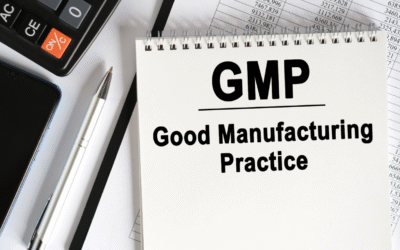
Good Manufacturing Practices (GMP) for Kenyan Pharmacies
What is GMP and Why Does It Matter? Good Manufacturing Practices (GMP) are internationally recognized principles that ensure pharmaceutical products are consistently produced and controlled according to quality standards. In Kenya, GMP regulations are enforced by the...
How to Stay Compliant: Pharmacy Premises Licensing in Kenya
Opening and running a pharmacy in Kenya demands more than a business idea—it requires strict compliance with regulatory standards. The Pharmacy and Poisons Board (PPB) sets clear rules for licensing pharmacy premises. In this article, you will discover the steps,...
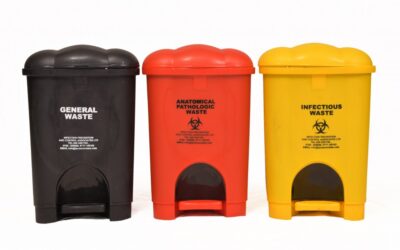
Pharmaceutical Waste Management in Kenya
Safe management of pharmaceutical waste matters now more than ever. It protects public health, safeguards the environment, and ensures compliance with Kenyan law. Every healthcare facility, pharmacy and pharmaceutical manufacturer in Kenya must treat pharmaceutical...
KIPI Strengthens Anti‑Counterfeit Measures to Safeguard Kenyan Businesses
Counterfeiting remains one of the biggest threats to Kenyan businesses. Fake goods undermine innovation, erode consumer trust, and can even endanger public health. Recognizing this, the Kenya Industrial Property Institute (KIPI) has stepped up its anti-counterfeit...