Transforming Pharmaceutical Compliance Through Insight and Expertise
Our blog goes beyond sharing regulatory updates to provide practical, experience-based guidance for pharmaceutical businesses seeking to strengthen compliance and audit readiness. We offer insights drawn from real inspection scenarios, international best practices, and emerging trends within Kenya’s pharmaceutical sector and the wider African healthcare landscape.

Market Surveillance in Kenya: How KEBS Keeps Products Safe
Market surveillance plays a central role in protecting consumers from unsafe and substandard goods. In Kenya, this responsibility falls primarily on the Kenya Bureau of Standards (KEBS). The agency ensures that all products circulating in the market meet national...
Food Safety Management Systems (FSMS)
Food safety remains one of the most important pillars of public health. Every food business in Kenya must demonstrate that its operations meet strict safety and quality standards. A Food Safety Management System (FSMS) helps organisations control food hazards and...
Import Standardization Mark (ISM): A Guide for Importers and Consumers
The Import Standardization Mark (ISM) plays a significant role in Kenya’s quality assurance system. It helps consumers identify products that meet national standards and protects the market from unsafe or counterfeit imports. Because imported goods form a large part...
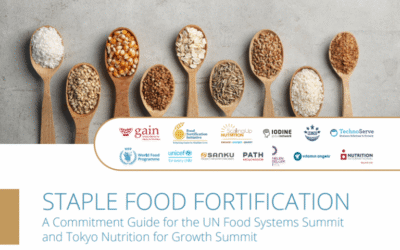
Fortification Mark Spotlight: Ensuring Nutrient-Rich Foods in Kenya
Millions of Kenyans rely on staple foods like maize flour, wheat flour, cooking oil and salt. Without micronutrients, these staples may leave critical nutrition gaps. Fortunately, Kenya uses a Fortification Mark of Quality to ensure that common foods deliver essential...

Diamond Standard Explained
Quality, safety, and consumer protection play a major role in Kenya’s healthcare and pharmaceutical environment. The KEBS Diamond Mark of Quality stands out as one of the highest certifications for both local and imported products. At the same time, pharmacy-based...

Climate-Conscious Pharmacies & Harm Reduction
Pharmacies play a crucial role in health systems, yet their influence goes beyond just dispensing medicines. Today, society expects pharmacies to support sustainability, protect the environment, and promote safer medicine use—especially among vulnerable populations....
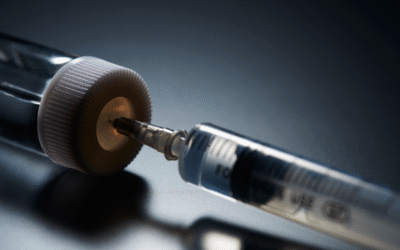
Pharmacy-Based Harm Reduction
Pharmacies play a vital role in protecting public health. They are often the first and most accessible point of care, especially for people who face challenges in safely using medicines. As health systems evolve, pharmacies are increasingly adopting harm reduction...

How Pharmacies Can Prepare for PPB Audits
Pharmacies in Kenya operate in a tightly regulated environment, and the Pharmacy and Poisons Board (PPB) plays a central role in ensuring compliance. PPB audits help protect public health by checking whether pharmacy premises meet legal, professional, and safety...

Telepharmacy in Kenya: Extending Care with Technology
Telepharmacy is redefining how patients access pharmaceutical care in Kenya. It uses digital tools to connect patients with licensed pharmacists, making quality services available even when distance, cost, or time limits in-person visits. As Kenya embraces digital...
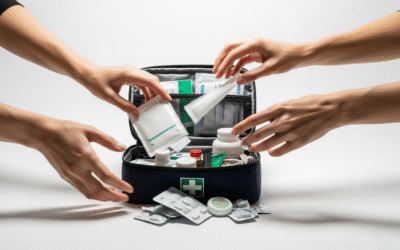
Emergency Preparedness: Pharmacy Roles in Outbreak Response
Pharmacies play a critical part in strengthening community resilience during outbreaks. Their accessibility, trained staff, and direct interaction with the public make them essential in identifying early warning signs, managing essential supplies, and supporting...

Public Health Campaigns: Using Pharmacies to Promote Rational Drug Use
Rational drug use is essential for protecting communities from medication misuse, antimicrobial resistance, and preventable health complications. While hospitals and public health institutions play major roles, pharmacies remain the most accessible healthcare...
Medicines Quality Assurance: PPB’s Role in Batch Release Testing
Ensuring the quality of medicines is essential for protecting public health. In Kenya, the Pharmacy and Poisons Board (PPB) serves as the national regulatory authority responsible for safeguarding the quality, safety, and efficacy of all medical products circulating...