Global standards help countries align with international best practices. However, each nation operates under unique economic realities, cultural contexts, and regulatory frameworks. Kenya is no exception.
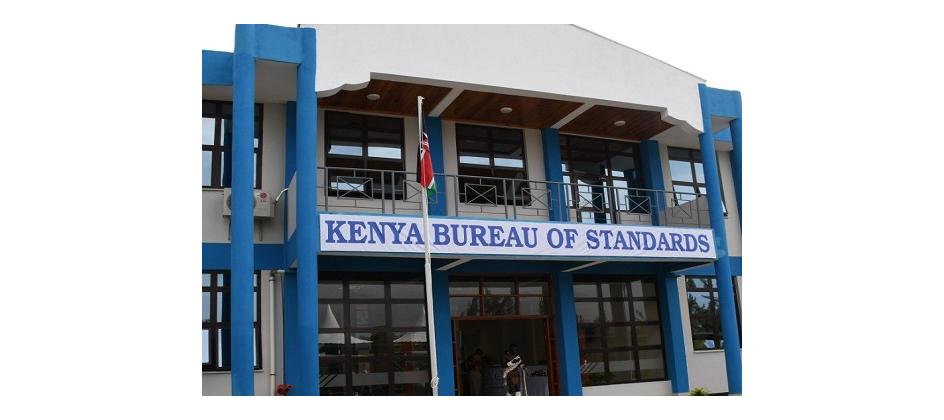
The Kenya Bureau of Standards (KEBS) works to bridge global norms and local needs. It does this by adapting International Organization for Standardization (ISO) standards into practical, locally relevant requirements. This alignment helps Kenya strengthen quality assurance, support industry growth, and enhance consumer protection.
This article explains how KEBS adapts ISO standards, why this process matters, and how businesses can comply effectively.
Understanding ISO Standards and Their Global Role
ISO develops voluntary, globally recognized standards that guide quality, safety, and efficiency across industries. These standards help businesses compete internationally by harmonizing expectations.
Examples include:
-
ISO 9001 – Quality Management Systems
-
ISO 22000 – Food Safety Management Systems
-
ISO 14001 – Environmental Management
-
ISO 45001 – Occupational Health and Safety
These frameworks provide the foundation, but KEBS tailors them to support Kenya’s economic goals.
Why KEBS Localizes Global Standards
KEBS adapts ISO norms to ensure they fit Kenya’s market conditions. Local industries face unique challenges such as resource limitations, infrastructure gaps, and varying technological capabilities. Adapting standards makes them practical and achievable.
Localized standards also help:
-
Improve product quality
-
Protect public health
-
Enhance environmental sustainability
-
Strengthen trade competitiveness
This process ensures that global quality expectations align with Kenya’s economic progress.
How KEBS Adapts ISO Standards for the Kenyan Market
KEBS follows a structured approach when transforming ISO standards into Kenyan Standards (KS). The steps below highlight the process.
1. Reviewing the Global Standard
KEBS begins by studying the original ISO document. Technical committees examine each section and determine its relevance to Kenya’s context.
These committees include experts from:
-
Government ministries
-
Private sector associations
-
Academia
-
Consumer groups
Their combined knowledge ensures that Kenya adopts standards that reflect both global best practices and local realities.
2. Assessing Local Economic Conditions
Next, KEBS evaluates Kenya’s economic structure. This includes the capacity of local manufacturers, existing technologies, and the regulatory environment.
For example:
-
Small businesses may lack advanced technology.
-
Rural regions may need flexible compliance requirements.
-
Product testing facilities may vary across counties.
These considerations shape the localized version of the standard.
3. Customizing Requirements for Practical Application
KEBS then adjusts ISO norms to fit Kenyan needs. Adjustments may include:
-
Simplifying documentation requirements
-
Modifying testing parameters
-
Setting achievable compliance timelines
-
Aligning with existing national laws
The final version remains aligned with ISO principles but becomes more realistic for Kenyan businesses.
4. Publishing the Kenyan Standard (KS)
Once finalized, KEBS publishes the standard as part of the Kenya Standards Catalogue. Businesses can access the documents to guide compliance and certification.
5. Implementing Certification and Compliance Programs
After publication, KEBS establishes certification programs that support implementation. Examples include:
-
Standardization Mark (S-Mark)
-
Diamond Mark of Quality
-
System Certification (ISO-based certification)
These programs validate that organizations apply the localized standards consistently.
Benefits of Localizing ISO Standards for Kenya’s Economy
Localizing standards creates a balanced environment where businesses meet global expectations without excessive cost or complexity.
1. Better Support for Local Industries
Localized standards allow small and medium enterprises (SMEs) to comply more easily, helping them grow and compete.
2. Improved Public Health and Safety
Standards related to food, construction, and pharmaceuticals become practical to implement, leading to safer products.
3. Increased Trade Competitiveness
Kenyan goods become more acceptable in international markets because they align with ISO-based requirements.
4. Reduced Compliance Barriers
Businesses avoid excessive financial strain because standards are tailored to local economic capacities.
5. Enhanced Innovation and Productivity
Clear, achievable requirements create room for innovation and improved production efficiency.
Challenges in Applying Localized ISO Standards
Despite the benefits, some challenges still arise.
-
Limited training and awareness
-
High cost of compliance for small firms
-
Inadequate testing facilities in remote regions
-
Resistance to change within organizations
With proper support, businesses can navigate these challenges effectively.
How Businesses Can Comply with Localized Standards
Businesses can streamline compliance by:
-
Reviewing applicable Kenyan Standards
-
Training staff on quality and safety requirements
-
Implementing internal audits
-
Maintaining proper documentation
-
Engaging expert consultants for guidance
Staying compliant protects consumers and strengthens your market reputation.
How Clarity Pharma Consultancy Can Support Your Compliance Journey
Meeting localized ISO standards requires deep understanding and careful implementation. Clarity Pharma Consultancy offers support that helps businesses:
-
Interpret Kenyan Standards correctly
-
Develop ISO-aligned quality systems
-
Prepare documentation for certification
-
Train staff on compliance requirements
-
Conduct internal audits and pre-certification assessments
Their team ensures businesses meet KEBS expectations smoothly and avoid costly certification delays. For companies aiming to strengthen quality assurance, Clarity Pharma provides the right expertise to move forward confidently.
FAQs
Are Kenyan Standards still recognized internationally?
Yes. They are aligned with ISO frameworks, making them acceptable in global markets.
Can a business still get ISO certification in Kenya?
Absolutely. KEBS provides ISO system certification services through accredited programs.
What industries benefit most from localized standards?
Food manufacturing, pharmaceuticals, construction, agriculture, and consumer goods benefit significantly.
Related posts:
 Calibration Mark in Kenya: A Complete Guide to KEBS Metrology and Compliance
 Smart Agriculture: KEBS Standards for Fertilizers, Seeds, and Tools Compliance
 Digital Retail Compliance: What KEBS Standards Mean for Online Sellers in Kenya
 The KEBS Code of Practice: Ethics and Accountability in Standardization Compliance