From Label to Shelf: A Visual Guide to KEBS-Compliant Packaging
Product packaging is more than a creative exercise. It is a legal requirement that determines whether your product can enter the Kenyan market.
KEBS (Kenya Bureau of Standards) enforces strict guidelines to ensure that packaging protects the product, informs consumers, and supports fair trade.
This article presents a simple, clear, and visual guide to KEBS-compliant packaging—from the first label design to final placement on the shelf.
Why KEBS Packaging Compliance Matters
KEBS-approved packaging gives consumers confidence. It assures them that the product is safe, correctly labeled, and meets the required Kenyan Standard.
Compliant packaging also reduces the risk of penalties, product seizures, and delayed approvals. As a result, manufacturers enjoy uninterrupted distribution and increased market acceptance.
Understanding KEBS Requirements for Packaging and Labels
KEBS standards guide manufacturers on what to include on labels, how to present the information, and which packaging materials are allowed. These requirements protect consumers from misinformation and unsafe products.
Key areas include:
-
Mandatory label information
-
Accurate product claims
-
Proper packaging material
-
Legible text and durable printing
-
Correct use of certification marks
These components work together to ensure that products meet national quality expectations.
1. Designing a KEBS-Compliant Label
A KEBS-compliant label contains specific mandatory information. Each detail must be clear, visible, and readable throughout the product’s shelf life.
i) Mandatory Label Information
Every product label must include:
-
Product name
-
Brand name
-
Net weight or volume
-
Ingredients
-
Manufacturer details
-
Country of origin
-
Batch number
-
Date of manufacture
-
Expiry or best-before date
-
Storage instructions
-
Usage instructions (where applicable)
ii) Accuracy and Non-Misleading Information
Labels must present honest and verifiable claims. KEBS strictly prohibits exaggerated statements or false therapeutic benefits.
Manufacturers must also ensure that nutritional facts, warnings, and pictorial representations match the actual product characteristics.
iii) Clear and Legible Presentation
Good label design enhances readability. KEBS requires:
-
Permanent printing
-
Contrasting colors
-
Easy-to-read fonts
-
Consistent text placement
Information must remain visible even after handling or transportation.
2. Selecting KEBS-Approved Packaging Materials
Packaging must protect the product until the consumer uses it. KEBS guides manufacturers on appropriate materials based on product type.
i) Safety and Compatibility
Materials must not contaminate the product. For food, cosmetics, and pharmaceuticals, packaging should be:
-
Food-grade
-
Non-toxic
-
Moisture-resistant
-
Tamper-proof
-
Hygienically safe
ii) Durability and Strength
Packaging must withstand:
-
Transportation
-
Storage conditions
-
Retail handling
Weak packaging may compromise safety and reduce shelf life.
iii) Environmental Considerations
KEBS encourages recyclable materials. Manufacturers should avoid harmful plastics and adopt sustainable packaging where possible.
3. Correct Use of KEBS Certification Marks
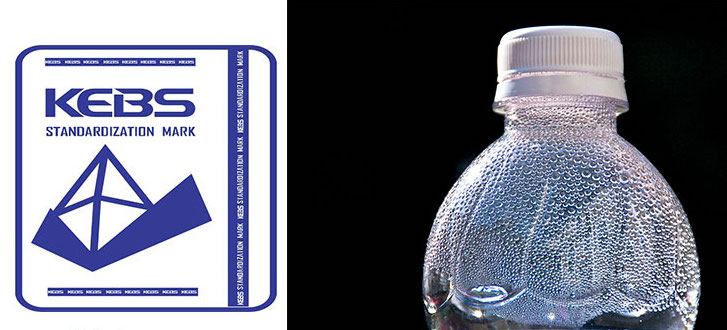
Products covered under Kenyan Standards must display the correct KEBS mark. Proper use of these marks demonstrates compliance and builds consumer trust.
i) Standardization Mark (SM Mark)
This mark is mandatory for locally manufactured regulated goods. It confirms compliance with Kenyan Standards.
ii) Diamond Mark of Quality (DM Mark)
This premium mark is issued to high-quality products with superior performance.
iii) Import Standardization Mark (ISM)
Imported products use this mark after passing pre-export verification.
iv) Placement and Size Requirements
Certification marks must:
-
Appear on the front or a visible face
-
Be proportional to the packaging
-
Remain clear after printing
Incorrect use may cause rejection during inspections.
4. From Printing to Market Entry: The Compliance Journey
Once the label and packaging are ready, manufacturers must follow several steps before releasing products into the Kenyan market.
Step 1: Internal Review and Quality Checks
Start by verifying the accuracy of all printed details. Ensure the artwork matches KEBS requirements and the correct certification mark is used.
Step 2: Submit Packaging and Label Samples to KEBS
KEBS reviews:
-
Label design
-
Packaging material
-
Mandatory information
-
Safety compliance
The review ensures the product is ready for certification.
Step 3: Product Testing and Verification
KEBS tests products in accredited laboratories. The tests confirm:
-
Safety
-
Quality
-
Performance
-
Label accuracy
Only compliant products move to the next stage.
Step 4: Certification Issuance
Once the product meets all requirements, KEBS grants a Standardization Mark or any other applicable certification mark.
Step 5: Shelf Placement and Continuous Monitoring
KEBS performs market surveillance to ensure continued compliance. This includes:
-
Random sampling
-
Label checks
-
Shelf inspections
-
Packaging verification
Manufacturers must maintain high-quality packaging standards throughout the product lifecycle.
5. Common Packaging Mistakes to Avoid
Many products fail compliance due to small but critical errors. Avoid:
-
Missing mandatory label details
-
Incorrect ingredient lists
-
Misplaced certification marks
-
Faded or low-quality printing
-
Weak packaging materials
-
Non-standardized fonts and colors
-
Unverified product claims
Identifying these issues early saves time and reduces losses.
6. How Packaging Compliance Builds Consumer Trust
Consumers trust products that appear safe, professional, and compliant. Proper packaging ensures:
-
Clear communication
-
Accurate information
-
Product safety
-
Market credibility
-
Legal acceptance
Brands that prioritize packaging compliance achieve better customer loyalty and stronger market presence.
How Clarity Pharma Consultancy Can Support Your Packaging Compliance
Achieving KEBS-compliant packaging requires strong documentation, accurate label design, and adherence to Kenyan Standards. Clarity Pharma Consultancy helps businesses through:
-
Packaging audits
-
Label compliance checks
-
Certification support
-
Product claim verification
-
Pre-market preparation
-
Staff training on labeling rules
Their team ensures smooth, reliable, and timely compliance for all product categories. With expert support, your products are ready for the shelves with confidence.
From the first label draft to the final shelf display, packaging must follow KEBS requirements to enter the Kenyan market. Compliant packaging protects consumers, supports fair trade, and strengthens brand credibility.
By understanding the process and preparing early, businesses can avoid delays and ensure that their products meet national standards.
FAQs
Can KEBS reject a product because of labeling errors?
Yes. Incorrect labels often cause delays, rejections, or withdrawal from the market.
Do imported goods follow the same packaging rules?
Imported products must meet KEBS requirements and display the Import Standardization Mark (ISM).
How often does KEBS monitor products on shelves?
Market surveillance is continuous. KEBS samples and inspects products regularly.