Pharmacies play a critical part in strengthening community resilience during outbreaks. Their accessibility, trained staff, and direct interaction with the public make them essential in identifying early warning signs, managing essential supplies, and supporting national response systems.
In Kenya and across the world, pharmacists continue to offer critical support that extends far beyond dispensing medicines.
They help detect risks, share verified health information, and coordinate community-level interventions that reduce the spread of disease.
Pharmacies as Frontline Access Points
Community pharmacies often serve as the first place people seek help when they feel unwell. Their proximity makes them vital in early outbreak detection.
Pharmacists can recognize unusual symptom trends, notice sudden increases in certain medications, and alert health authorities when patterns change. This early signal strengthens surveillance and improves response speed.
Additionally, pharmacies remain open during most emergencies. Their continued operation helps reduce panic and gives communities a dependable source of health services, credible information, and essential supplies.
Early Detection and Disease Surveillance
Pharmacists contribute to outbreak surveillance in several ways. They observe unusual clusters of symptoms and share this data with public health teams.
They also help monitor medicine availability and identify sudden spikes in demand that may reflect early community transmission.
For example, during respiratory outbreaks, a rapid increase in cough syrups, analgesics, or masks can signal rising cases. Timely reporting allows authorities to investigate early and respond before an outbreak spreads widely.
Patient Education and Risk Communication
Clear communication reduces fear and prevents misinformation. Pharmacists help the public understand symptoms, prevention strategies, and correct treatment pathways.
They also explain how to use protective tools such as masks, sanitizers, and thermometers.
Moreover, pharmacists guide communities away from harmful self-medication. They direct patients to appropriate medical facilities when symptoms require professional assessment. This reduces overcrowding in hospitals and ensures that high-risk patients receive timely care.
Supporting Infection Prevention and Control (IPC)
Pharmacies play a major role in promoting infection-control practices. They stock essential IPC supplies and provide guidance on how to use them effectively.
Because customers interact directly with pharmacy staff, pharmacies can reinforce hygiene habits such as handwashing, mask use, and environmental cleaning.
Additionally, pharmacists help identify counterfeit products, especially during emergencies when demand rises sharply. Their vigilance protects the public from unsafe items and maintains trust in the health system.
Ensuring Access to Essential Medicines
Outbreaks often disrupt supply chains. Transport delays, panic buying, and stockout pressures affect medicine availability. Pharmacies help manage these challenges by monitoring stock levels and forecasting demand more precisely.
They also collaborate with suppliers, distributors, and regulatory authorities to keep essential products available.
Their ability to manage inventory efficiently ensures that vulnerable patients—especially those with chronic conditions—continue receiving their medicines without interruption.
Vaccination Support During Outbreaks
Many countries now allow pharmacists to administer vaccines or support vaccination campaigns. Even where pharmacists do not vaccinate directly, they help through:
-
Public education
-
Cold-chain monitoring
-
Demand generation
-
Scheduling and coordination
-
Countering vaccine myths
Their trusted position in communities makes them key partners in boosting vaccination uptake.
Chronic Disease Management During Emergencies
During outbreaks, patients with chronic conditions face higher risks due to disrupted care. Pharmacies provide continuity through medication refills, adherence checks, and safety counselling.
They also help patients understand how to adjust care routines during outbreaks, especially when health facilities are overwhelmed.
This support prevents complications and protects hospital capacity.
Collaboration With Public Health Authorities
Pharmacies work closely with county and national health systems to strengthen preparedness. Their responsibilities include:
-
Sharing surveillance data
-
Supporting emergency stockpiles
-
Participating in training programs
-
Implementing emergency SOPs
-
Reporting counterfeit or substandard medicines
Such collaboration ensures an integrated response that benefits the entire population.
Building Community Preparedness
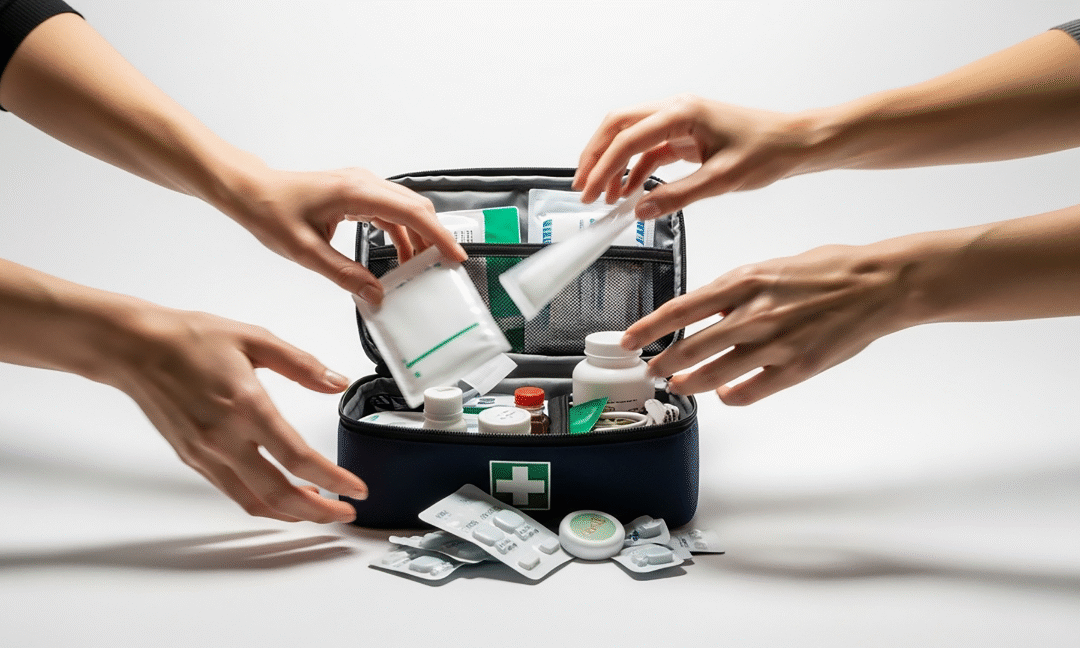
Preparedness begins long before an outbreak occurs. Pharmacies help communities plan by promoting emergency kits, stocking adequate chronic medications, and teaching basic home-based care measures.
They also educate families on what to do when public health alerts are issued.
With consistent community engagement, pharmacies become reliable sources of guidance before, during, and after an outbreak.
Why Pharmacy Preparedness Matters
Strong pharmacy involvement leads to:
-
Faster outbreak detection
-
Improved risk communication
-
Reduced hospital burden
-
Better access to essential medicines
-
Stronger community confidence
-
More coordinated national responses
In simple terms, pharmacies bridge the gap between communities and the health system during emergencies.
Consult Clarity Pharma Consultancy for Professional Guidance
Pharmacy owners and managers can strengthen their emergency preparedness through expert support.
Clarity Pharma Consultancy provides guidance on regulatory compliance, emergency SOP development, outbreak-response planning, and staff training.
Their team helps pharmacies align with national expectations and maintain high operational standards during emergencies.
For tailored consultations, pharmacies can engage their services for practical and reliable support.
Pharmacies remain essential to emergency response and outbreak preparedness. Their unique position in the community enables them to support surveillance, protect medicine access, and educate the public.
As health threats continue to evolve, strengthening pharmacy preparedness improves overall resilience and protects community health. Effective collaboration, strong systems, and continuous improvement remain key pillars for building a safer, healthier nation.
FAQs
What role do pharmacists play in surveillance?
Pharmacists observe symptom trends, monitor medicine demand, and report unusual patterns to authorities.
How do pharmacies support infection prevention?
They stock IPC supplies, guide customers on proper use, and reinforce hygiene practices.
Can pharmacies help during vaccination campaigns?
Yes. They support education, demand creation, and vaccine-handling procedures.