In today’s busy marketplace, shoppers face hundreds of choices every day. Counterfeits, substandard goods, and misleading labels make purchasing even more challenging.
Because of this, consumers rely more on certification marks to identify products they can trust.
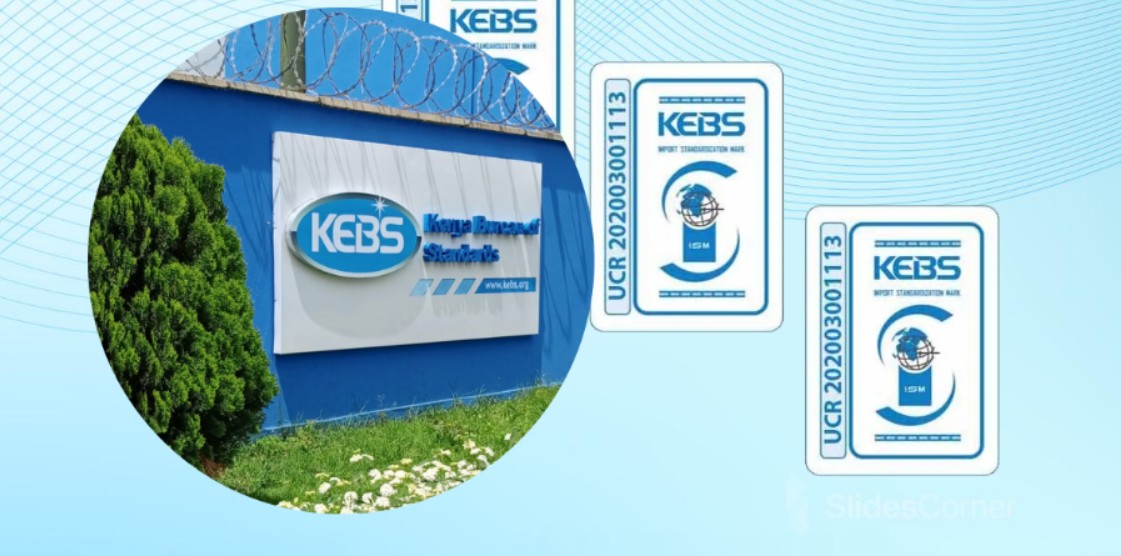
In Kenya, the KEBS Standardization Mark (S-Mark) stands out as one of the strongest assurances of product quality and safety.
The Kenya Bureau of Standards (KEBS) developed this mark to help consumers distinguish genuine and compliant goods from unsafe alternatives. For businesses, it is a badge of credibility. For consumers, it is a seal of trust.
This article explains the S-Mark in simple, clear language. You will understand what it means, how companies obtain it, why it matters, and how it influences buying decisions across the country.
What Is the KEBS Standardization Mark (S-Mark)?
The S-Mark is a mandatory quality certification mark placed on locally manufactured products that meet the requirements of the relevant Kenya Standards (KS). It confirms that the product has been:
-
Tested in accredited laboratories
-
Verified for safety and quality
-
Manufactured in facilities that follow Good Manufacturing Practices (GMP)
-
Audited and approved by KEBS inspectors
You will find the S-Mark on products such as:
-
Packaged foods and drinks
-
Household electrical devices
-
Cosmetics and toiletries
-
Building and construction materials
-
Agricultural inputs and related goods
S-Mark vs Diamond Mark vs Import Standardization Mark (ISM)
Different KEBS marks serve different purposes. Understanding each helps manufacturers choose the right certification path.
| Mark | Type of Product | Certification Purpose |
|---|---|---|
| S-Mark | Locally manufactured goods | Mandatory for most products |
| Diamond Mark (D-Mark) | High-quality local/export products | Voluntary premium certification |
| Import Standardization Mark (ISM) | Imported goods | Mandatory under the PVOC program |
The S-Mark acts as the baseline guarantee for quality and compliance for goods produced within Kenya.
Why Certification Marks Like the S-Mark Matter
1. They Build Consumer Confidence
Shoppers want products that are safe, reliable, and consistent. The S-Mark assures them that the item has passed verified quality and safety checks.
2. They Support Legal Compliance
Under the Standards Act (Cap 496), eligible products must display the S-Mark before entering the market. Businesses that fail to comply risk:
-
Product seizures or recalls
-
Fines and penalties
-
Suspension from selling the product
3. They Improve Market Access
Many supermarkets, government agencies, distributors, and export bodies require the S-Mark as part of supplier qualification.
4. They Reduce Product Liability Risks
Certified products are less likely to cause harm, helping businesses avoid legal claims and losses from poor-quality goods.
How Businesses Obtain the KEBS S-Mark
The certification process is structured and transparent. Below are the key steps.
Step 1: Identify the Applicable Kenya Standard
Manufacturers begin by finding the correct standard that governs their product. KEBS’s standards catalog provides all relevant KS and EAS standards.
Step 2: Submit an Online Application
The manufacturer submits an application through the KEBS portal and uploads:
-
Company registration documents
-
Product formulation or recipe
-
Process flow diagram
-
Label artwork
-
Product sample details
-
Applicable fees
Step 3: Product Testing
KEBS or accredited laboratories test samples to confirm compliance with chemical, physical, microbial, and labeling requirements.
Step 4: Factory Audit
KEBS inspectors visit the production facility to review:
-
Equipment and calibration records
-
Hygiene and sanitation practices
-
Staff competence
-
Quality control documentation
The audit ensures that the manufacturer can consistently produce safe and compliant products.
Step 5: Approval and Issuance of the S-Mark Permit
Once both the product and facility pass all requirements:
-
KEBS issues a one-year S-Mark Permit
-
The manufacturer receives a unique S-Mark code
-
The S-Mark can now be printed on product packaging
KEBS also performs periodic surveillance audits to ensure ongoing compliance.
How Consumers Can Verify a Genuine S-Mark
Fake certification marks exist in the market. Consumers can confirm authenticity by:
-
Checking that the S-Mark includes a valid permit number
-
Confirming clear manufacturer details on the label
-
Using the KEBS SMS verification service
SMS Verification
Text the permit number to 20023 to instantly confirm authenticity.
KEBS Toll-Free Number: 1545
How the S-Mark Shapes Consumer Buying Behavior
Certification marks influence how customers choose products. Studies show that buyers are more likely to:
-
Pay a premium for certified goods
-
Trust unfamiliar brands when certification is visible
-
Stay loyal to brands that maintain quality consistency
In Kenya especially, more consumers check for the S-Mark when buying electronics, baby food, cosmetics, fertilizers, and packaged foods.
Challenges Businesses Face in Maintaining S-Mark Compliance
Manufacturers often experience difficulties such as:
-
Product inconsistency leading to failed audits
-
Changes to Kenya Standards requiring adjustments
-
Labeling non-compliance (e.g., missing dates, wrong claims)
-
Failure to renew annual permits
To support manufacturers, KEBS offers:
-
Technical advisory services
-
Label compliance reviews
-
MSME training programs
-
Certification guidance clinics
Promoting Transparency and Trust in the Kenyan Market
The S-Mark is more than a regulatory requirement. It supports consumer protection, strengthens public health, and builds a trustworthy marketplace. The mark also encourages professionalism among manufacturers and prepares them for regional and international trade.
By improving product standards, the S-Mark raises confidence in Made-in-Kenya goods worldwide.
Make the S-Mark a Core Part of Your Brand Promise
For manufacturers, the S-Mark signals quality, safety, and reliability. For consumers, it offers peace of mind in an unpredictable market.
Whether you are a startup or an established enterprise, obtaining and maintaining the S-Mark is a key investment in your brand’s reputation and long-term growth.
Need Professional Help With KEBS Certification?
If your business needs support navigating the certification process, Clarity Pharma Consultancy offers reliable guidance. Their team provides assistance in:
-
KEBS certification preparation
-
Product documentation
-
Label and packaging compliance
-
Quality system setup
-
Audit readiness and staff training
With expert help, you can avoid delays, reduce errors, and achieve certification much faster.
Get professional support that aligns with KEBS standards and boosts your product credibility.