Hello world!
Welcome to WordPress. This is your first post. Edit or delete it, then start writing!

Welcome to WordPress. This is your first post. Edit or delete it, then start writing!
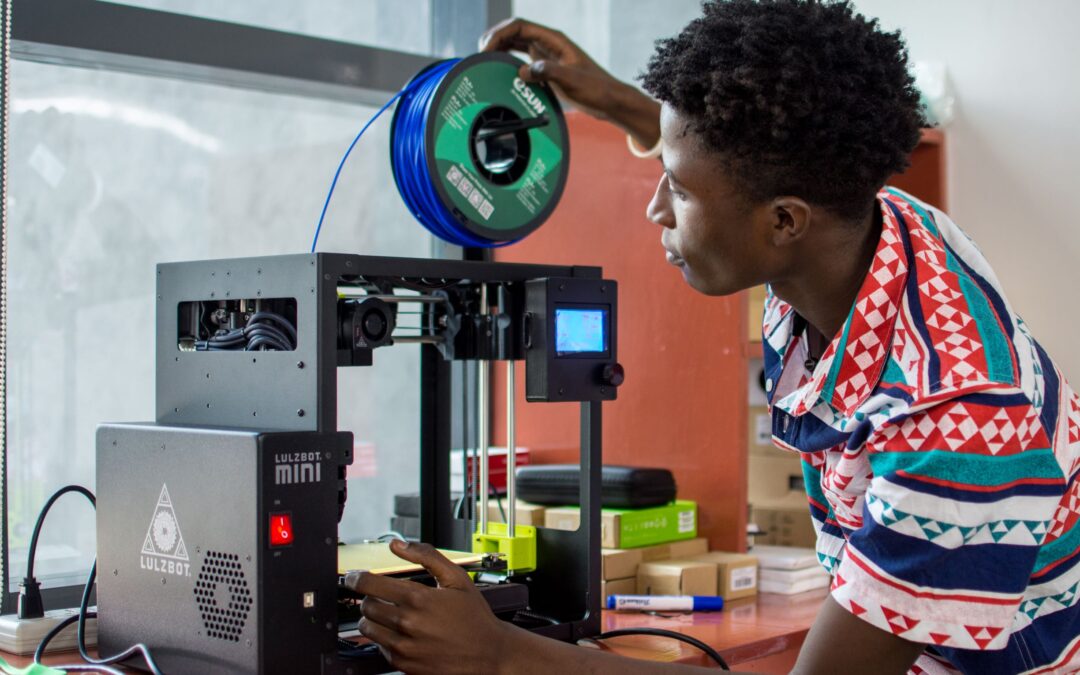
Innovation thrives when communities have equal access to knowledge, tools, and support systems that enable them to turn ideas into value. In Kenya, the Kenya Industrial Property Institute (KIPI) has increasingly focused on decentralising intellectual property (IP) services to ensure that every county—not just major cities—can participate in innovation-driven growth.
This shift has strengthened local entrepreneurship, empowered SMEs, and positioned counties as fertile grounds for new inventions and creative ventures.
This article explores how KIPI supports county-level innovation and why decentralizing IP access is essential for Kenya’s long-term development.
County-level innovation drives grassroots development. It encourages local businesses, farmer groups, artisans, students, and SMEs to solve challenges unique to their communities. When counties innovate, the impact is immediate and practical. New ideas can improve agriculture, healthcare, manufacturing, and small-scale industries that form the backbone of Kenya’s economy.
However, innovation requires protection. Without access to IP services, many ideas risk being copied, lost, or commercialized by others. KIPI addresses this gap by bringing its services closer to the people.
KIPI has prioritized awareness as the first step toward decentralizing IP access. Many innovators in rural and semi-urban counties lack information on how to protect their brands, inventions, or creative works. To bridge this gap, the Institute conducts:
County-level awareness programs
IP education workshops
Public sensitization forums
Training sessions for SMEs and local entrepreneurs
These programs explain the importance of trademarks, patents, utility models, industrial designs, and copyright alternatives. As a result, many county innovators better understand how intellectual property contributes to business growth and competitiveness.
Many counties have established innovation hubs, incubation centres, and youth empowerment facilities. KIPI collaborates with these hubs to offer targeted training, mentorship, and continuous IP support.
Partnerships with institutions such as KENIA, KIRDI, and WIPO-backed innovation support centres allow county innovators to access technical guidance and protection strategies more efficiently. These collaborations also help hubs integrate IP services into their operational frameworks, making it easier for innovators to secure protection at the early stages of development.
SMEs form the largest business community in Kenyan counties. KIPI provides direct support to help SMEs register trademarks, protect packaging designs, and secure utility models for small inventions.
This support strengthens local competitiveness and enhances market trust. Trademarks from county businesses—such as dairy processors, agribusiness brands, herbal product manufacturers, and craft enterprises—benefit greatly from this decentralization.
By protecting their brands and innovations, SMEs build stronger identities and expand into wider markets.
KIPI frequently partners with county governments, technical institutes, polytechnics, and universities to deliver practical training on intellectual property. These training sessions focus on:
Understanding patentability
Drafting basic patent documents
Trademark classification
Brand protection for SMEs
Innovation commercialization strategies
Such programs foster a culture of innovation within counties and create local champions who can support and mentor emerging innovators.
Digital transformation remains a major driver of decentralization. KIPI’s online services allow innovators outside Nairobi to file and manage IP applications remotely. Through the e-filing portal, county innovators can:
Submit trademark applications
Track application progress
Pay fees online
Access journals and updates
Request advisory services
This digital approach reduces travel costs, time wastage, and barriers that previously limited rural innovators from protecting their inventions.
KIPI also participates in county innovation competitions, agricultural shows, trade fairs, and exhibitions. These events help innovators showcase their ideas, meet potential investors, and receive expert evaluation.
During these exhibitions, KIPI offers on-site advisory services, helping innovators understand how to protect their prototypes, brands, and creative solutions. Such involvement boosts confidence among local inventors and encourages greater participation in innovation activities.
Counties are rich in cultural heritage, indigenous knowledge, and unique craftsmanship. To preserve these assets, KIPI supports county governments in identifying and documenting traditional knowledge and cultural expressions.
This involvement ensures that communities gain recognition and potential commercial benefits from traditional products such as crafts, herbal remedies, and cultural art forms. Protecting traditional knowledge also helps counties promote tourism and cultural identity sustainably.
As Kenya refines policies on innovation and intellectual property, counties now play a more active role. KIPI engages county leaders through consultations, policy forums, and stakeholder discussions. This involvement ensures that decentralized challenges and opportunities are reflected in national decisions.
Such inclusive policy development strengthens the IP ecosystem and ensures that counties contribute meaningfully to Kenya’s innovation agenda.
KIPI’s efforts to decentralize IP access have created a more inclusive, innovative, and competitive Kenya. By supporting county-level innovation, enhancing awareness, collaborating with local institutions, and promoting digital access, KIPI ensures that innovators across all 47 counties can protect their ideas and scale their businesses confidently.
County-level innovation is no longer an aspiration—it is now a practical reality fueled by accessible IP systems and strategic support. As KIPI continues strengthening its outreach, Kenya moves closer to becoming a fully innovation-driven economy.
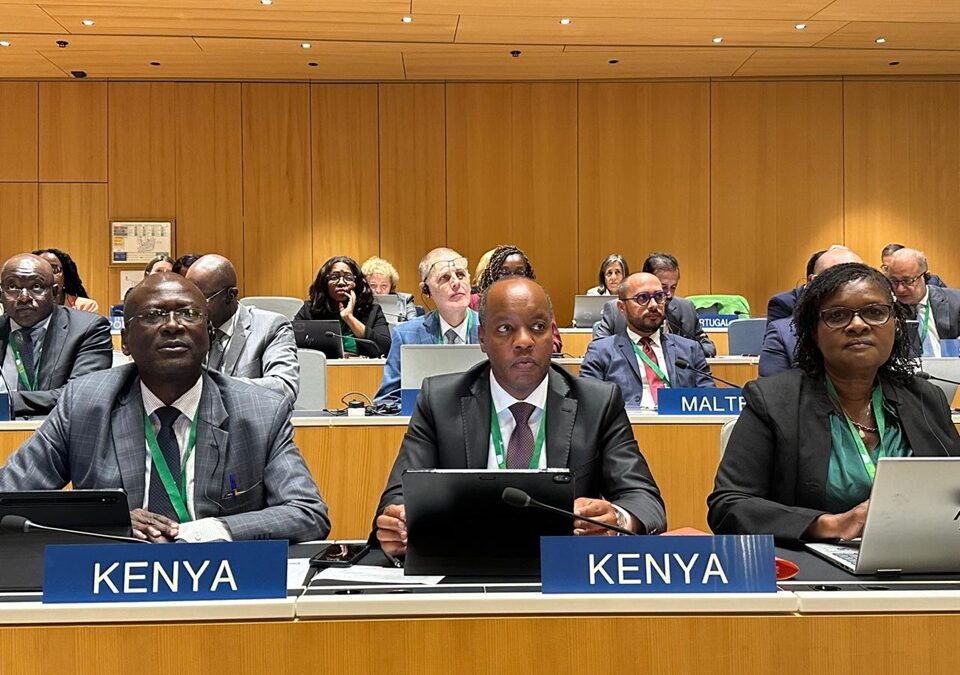
In the 21st century, intellectual property (IP) is no longer confined by national boundaries. As Kenyan innovators expand into regional and global markets, understanding how the Kenya Industrial Property Institute (KIPI) integrates with international IP frameworks becomes crucial. Harmonizing IP systems ensures that patents, trademarks, and designs registered locally can receive protection abroad — fostering innovation, trade, and foreign investment.
This article explores how KIPI aligns with three major frameworks: the African Regional Intellectual Property Organization (ARIPO), the World Intellectual Property Organization (WIPO), and the TRIPS Agreement — and what these collaborations mean for Kenyan creators and businesses.
Global IP harmonization ensures that:
IP protection is consistent across borders – Innovators can protect their creations under similar rules in multiple countries, minimizing legal uncertainty.
Legal frameworks align with global best practices – Through continuous updates, KIPI ensures Kenyan IP laws remain internationally credible.
Innovators enjoy simplified filing processes – Regional and international systems streamline multiple-country filings into one procedure.
Kenya becomes more attractive to investors – Multinationals prefer investing in nations whose IP systems align with international standards.
Without harmonization, expanding beyond Kenya would mean navigating fragmented and costly legal frameworks. KIPI’s partnerships with ARIPO, WIPO, and adherence to TRIPS standards create a seamless environment for Kenyan innovators to compete globally.
Kenya is a full member of the African Regional Intellectual Property Organization (ARIPO). Headquartered in Harare, Zimbabwe, ARIPO provides a unified system that enables inventors to seek IP protection across several African states using a single application.
Centralized filings: Through ARIPO, innovators can file one application covering Kenya and up to 19 other African countries under the Harare Protocol.
Shared expertise: Member states benefit from pooled examiner capacity and technical know-how, improving patent quality and reducing duplication.
Cost efficiency: Applicants avoid repeated filings, translations, and legal fees in multiple jurisdictions.
A Kenyan biotech company developing a pest-resistant maize variety can file regionally through ARIPO and secure protection across Africa. This wider protection increases licensing opportunities, market reach, and investor interest.
Note: Kenya is not yet part of all ARIPO protocols, such as the Banjul Protocol on Marks, which covers regional trademark protection. For trademarks, national or WIPO routes are used instead.
The World Intellectual Property Organization (WIPO) is a specialized United Nations agency that sets international IP standards and provides systems for global protection. KIPI collaborates with WIPO to ensure that Kenya remains connected to global innovation ecosystems.
Patent Cooperation Treaty (PCT) – Enables Kenyan inventors to file international patent applications via KIPI and later choose the countries where they want protection.
Madrid System – Allows trademark owners to register marks in over 120 countries through one application.
Hague System – Simplifies protection of industrial designs globally.
Capacity Building & Technology Access – Through WIPO’s Technology and Innovation Support Centers (TISCs), Kenyan inventors gain access to research databases and innovation training.
By filing a PCT application through KIPI, Kenyan innovators can secure a priority date and later select the markets they wish to enter — up to 30 months after filing. This gives inventors time to refine their products, seek investors, and plan commercialization strategies.
As a member of the World Trade Organization (WTO), Kenya is bound by the Trade-Related Aspects of Intellectual Property Rights (TRIPS) Agreement. This global treaty ensures all member states meet minimum IP protection standards.
20-year patent protection from the date of filing.
Protection for trade secrets and undisclosed information.
Fair licensing practices to prevent monopolistic abuse.
Effective enforcement mechanisms through national courts and customs.
KIPI ensures that Kenya’s Industrial Property Act aligns with TRIPS by updating regulations and enforcing international standards. This alignment enhances Kenya’s credibility and attracts investors who value legal certainty.
To ensure alignment with global IP systems, KIPI:
Updates Kenya’s IP regulations regularly, such as the Industrial Property Regulations, 2020.
Integrates international treaties into local law, ensuring foreign filings can be recognized domestically.
Conducts public consultations before adopting new protocols or amendments.
Continues to digitize IP services, including e-filing and patent search tools, to meet global accessibility standards.
KIPI’s integration with ARIPO, WIPO, and TRIPS delivers tangible benefits:
Global recognition of locally registered IP rights.
Simplified filing through international and regional systems.
Improved opportunities for partnerships and licensing deals.
Competitive edge when expanding to export markets.
For startups and small businesses, harmonization makes it easier to protect innovations without navigating multiple, complex systems — KIPI acts as the single gateway to global protection.
Despite the progress, several challenges remain:
Limited awareness among SMEs about international IP filing routes.
High filing costs for ARIPO and WIPO applications.
Shortage of trained IP professionals in international systems.
Slow adoption of certain treaties, like the Marrakesh Treaty for accessible publishing.
To bridge these gaps, KIPI continues to partner with universities and expand Technology & Innovation Support Centers (TISCs), providing affordable training and IP advisory services.
Beyond harmonization, KIPI is shaping Africa’s innovation future. It leads IP integration under the African Continental Free Trade Area (AfCFTA) and collaborates with regional partners like Rwanda, Uganda, and Ethiopia to build unified IP strategies.
KIPI also develops model IP policies for counties, promotes digital innovation within the East African Community (EAC), and shares best practices with other African IP offices. These initiatives strengthen Kenya’s position as a thought leader in African IP governance.
In today’s competitive and quality-conscious marketplace, organizations must do more than simply offer a good product or service—they must deliver consistent excellence. That consistency doesn’t happen by chance; it’s the product of a strong Quality Management System (QMS).
In Kenya, the Kenya Bureau of Standards (KEBS) promotes and certifies such systems using the globally recognized ISO 9001:2015 standard.
Whether you’re a small business owner, manufacturer, public institution, or service provider, understanding and implementing QMS through KEBS ISO 9001 can help you reduce errors, streamline processes, and build customer trust.
ISO 9001 is the international standard for quality management systems, developed by the International Organization for Standardization (ISO). It provides a structured, process-based approach to managing a business with a focus on:
KEBS adopts ISO 9001 as KS ISO 9001:2015, offering certification to organizations across all sectors in Kenya.
With a certified QMS, businesses demonstrate a commitment to meeting customer requirements every time.
QMS helps identify inefficiencies, cut unnecessary costs, and eliminate errors.
A KEBS ISO 9001 certificate opens doors to government tenders, private contracts, and export markets.
QMS ensures all departments are aligned on quality goals, documentation, and responsibilities.
The system promotes risk assessment, preparation, and the ability to adapt during disruptions (e.g., COVID-19, supply chain crises).
KEBS-certified QMS systems are built on these foundational principles:
KEBS certification is ideal for:
Even SMEs and startups can benefit by improving structure and building credibility early.
Here’s a simplified breakdown of the KEBS QMS certification process:
KEBS-certified QMS systems are built around these seven core principles:
Customer Focus – Anticipate and exceed customer expectations.
Leadership – Inspire and guide teams with a shared vision.
Engagement of People – Empower employees at all levels to take ownership.
Process Approach – Manage activities as integrated, efficient workflows.
Improvement – Use metrics and feedback to continuously enhance operations.
Evidence-Based Decision Making – Rely on accurate data, not assumptions.
Relationship Management – Build and maintain strong supplier and partner relationships.
A private hospital in Kisumu implemented a KEBS ISO 9001-compliant QMS to reduce patient wait times and improve care coordination. Within one year:
The QMS enabled data-driven management, clear workflows, and continuous monitoring of performance indicators.
Your QMS documentation must include:
All records must be reviewed regularly and accessible for audits.
KEBS offers QMS consultancy and training services to help businesses avoid these pitfalls.
Once certified, your organization can:
Implementing a QMS with KEBS ISO 9001 isn’t just about passing audits—it’s about building an organization that consistently performs, learns, and improves. It’s about saying to the world: “We take quality seriously.”
As industries in Kenya evolve, ISO 9001 certification has become a badge of operational maturity, earning consumer trust, attracting partners, and unlocking new markets. Whether you’re a growing enterprise or a legacy institution, investing in a QMS is one of the smartest decisions you can make.
Start your quality journey today—with KEBS as your partner in excellence.

Innovation is no longer a luxury—it is an engine for economic transformation. But turning a brilliant idea into a protected, market-ready product requires support. Recognizing this, the Kenya Industrial Property Institute (KIPI) has developed a variety of inventor-focused programs to empower entrepreneurs, students, and SMEs across the country. This article highlights these initiatives and how they strengthen Kenya’s innovation ecosystem.
Developed in collaboration with the World Intellectual Property Organization (WIPO), the Inventor Assistance Program (IAP) supports innovators who lack financial or technical resources to navigate the IP system.
Through this initiative, inventors gain:
The IAP ensures that great ideas don’t remain unprotected simply because of financial constraints. Learn more about the program on the WIPO IAP Page.
KIPI’s Technology and Innovation Support Centers (TISCs) act as innovation hubs, providing free or low-cost access to technical and patent information.
Inventors can access:
These centers are strategically located in universities, research institutions, and regional offices, ensuring accessibility to innovators across the country.
Explore active TISCs in Kenya via the KIPI Website.
To build a knowledgeable innovation community, KIPI conducts ongoing intellectual property awareness campaigns nationwide.
Key initiatives include:
Through these efforts, KIPI helps Kenyans understand the value of IP protection and how to leverage it for business growth.
KIPI champions innovation through recognition and celebration of creative excellence. The institute collaborates with national and continental events such as:
These platforms not only reward innovation but also connect inventors to investors, mentors, and potential collaborators.
To extend its reach, KIPI partners with:
Through comprehensive programs, strategic partnerships, and nationwide outreach, KIPI is nurturing a new generation of Kenyan innovators. Whether you’re a student, SME, or independent inventor, there’s support available to help you protect your ideas, secure your rights, and bring your innovations to market.

In the extremely regulated world of pharmaceuticals today, regulatory inspections are literally a make-or-break situation. Whether a routine inspection or a pre-approval audit, your preparation can seal or shatter critical milestones — from product approvals to market launches.
At Carity Pharma Consultancy, we believe that inspection readiness is more than audit pass. It’s about building a culture of quality, risk management, and operational excellence that is sustainable. Our inspection readiness services are designed to equip your organization to meet — and exceed — international regulatory expectations.
Why Inspection Readiness Matters
Regulatory agencies anticipate pharmaceutical and biotech firms to be ready for inspection at any time. That includes:
Correct and complete documentation – it plays a significant role to save time, bring efficiency and ensure that inspection does not interfere with normal routine.
Well-trained, experienced personnel – nothing beats quality at any given industry. Therefore, having a proper personnel full of experience is very rewarding, Pharma consultancy ensures that getting such service remains a priority.
Inspection findings.

Not preparing for inspection can have consequences that run deeper than anticipated. Findings during inspection can result in:
Delays in approvals or product launch – this interferes with the entire schedule and plans for the product. It also inconvenient with the entire project plan.
Product recalls or suspension of license – license suspension is very costly, it can lead to loss, both financial loss and losing customers means the ideal goals will not be met.
Company reputation and investor confidence are affected – failure to keep the reputation of the company has several impacts, they include, losing customers, failure to attract new ones and inconsistency in the ever changing markets.
The key to avoiding these outcomes? Proactive, strategic preparation — not last-minute scrambling.
Our Inspection Readiness Services
Carity Pharma Consultancy provides end-to-end support across all areas, whether you’re preparing for a regulatory inspection, a partner audit, or internal compliance review, you can always count on us.
We simulate real regulatory inspections with precision and objectivity:
Site walkthroughs, documentation review, and interview simulations
Comprehensive gap reports and prioritized recommendations for CAPA
We help you to develop an extensive readiness plan:
Good documentation is the secret of successful inspections. Data integrity and documentation audits are most critical to ensure the accuracy, completeness, and reliability of data used throughout product development, manufacturing, and regulatory submissions. These audits allow for verification of compliance with Good Manufacturing Practices and Good Documentation Practices, and thus to pharmaceutical products’ quality and effectiveness. We provide:
Review and alignment of batch records, QMS documents – In pharmaceutical manufacturing, review and alignment of batch records are critical in product quality, traceability, and regulatory compliance. Batch records, which document every step in the manufacturing process, must be reviewed for conformity to written procedures.
Data integrity audits for electronic systems and paper-based records – These audits attend to the principles, Legible, attributable, Contemporaneous, Original, Complete, and accurate, and also focus on data governance, data security, and data management practices.
Remediation support for documentation gaps – it involves a well-planned approach to detect, examine, and rectify documentation system gaps. This involves gap analysis, designing corrective actions, implementing changes, and ensuring compliance regularly.
Your front-line team is your first line of defense when there is an inspection.

We offer Role-specific training in preparation for inspections, which leaves you in a safe and upward trajectory after the inspections.
We are with you when it matters the most:
On-call support for live inspections (onsite or remote)
Live issue resolution and document management
Post-inspection debrief and response planning
Here’s why you should chose us
Multidisciplinary Expertise: Our consultants have direct experience managing inspections by leading health authorities — and know what regulators are looking for.
Flexible Approach: We customize our readiness program to your size, organization, and risk profile — from small biotech firms to large manufacturing operations.
Going Beyond Compliance: We don’t just help you “pass” — we improve your overall quality and risk position.
Integrated Support: With GMP, GDP, PV, regulatory affairs, and QMS development expertise, we offer complete, integrated inspection readiness solutions.
Be Ready. Stay Ready. Partner with Carity.
An inspection is not a test — it’s an opportunity to show your organization’s commitment to quality, safety, and patient care. With Carity Pharma Consultancy as your partner, you’ll have the tools, training, and confidence to pass when the regulators knock on your door.