
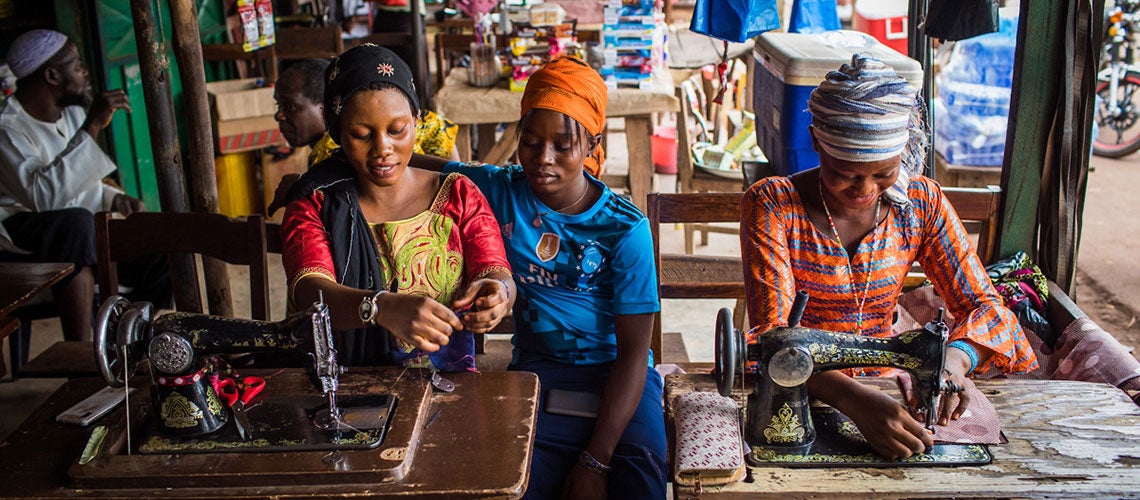
The Jua Kali Sector – A Sleeping Giant of Innovation
The Jua Kali sector symbolizes creativity, resilience, and hands-on ingenuity in Kenya. Artisans across the country— from metal fabricators in Gikomba to carpenters in Kariobangi—produce essential goods that millions rely on daily. The sector employs over 80% of Kenya’s workforce, making it one of the nation’s strongest economic pillars.
Despite its size and potential, many Jua Kali products struggle to access high-value markets. Limited certification, inadequate packaging, and inconsistent safety standards restrict their growth.
KEBS is now working to close this gap by supporting artisans and small enterprises to adopt standards that unlock new opportunities.
Why Informal Products Struggle to Compete
Most Jua Kali products are practical, durable, and innovative. However, many cannot compete with imported or branded goods because they lack:
-
Verified safety and durability testing
-
Standardized packaging and labels
-
Traceability systems
-
Formal business registration
Without these elements, buyers— especially supermarkets, institutions, and international markets— hesitate to stock uncertified items. The absence of certification also lowers consumer trust.
How KEBS Is Supporting the Informal Sector
KEBS has introduced several inclusive strategies to help artisans meet standards without overwhelming them. These initiatives focus on training, accessibility, and affordability.
1. Simplified Standards for MSMEs
Technical standards can be intimidating. To solve this, KEBS developed simplified guidelines written in Kiswahili and visual formats. These versions help artisans understand requirements without needing advanced technical knowledge.
2. MSME Desks and Mobile Outreach
Regional KEBS offices now host MSME help desks dedicated to serving small-scale producers. Through county-level outreach missions, KEBS teams:
-
Train Jua Kali groups on relevant standards
-
Conduct on-site advisory and pre-certification assessments
-
Connect clusters to certification and testing services
3. Affordable Testing and Subsidized Certification
KEBS collaborates with key partners such as:
-
Ministry of Trade
-
County governments
-
Ajira Digital
-
MasterCard Foundation
These collaborations support affordable testing, subsidized lab fees, and fast-tracked certification for youth and community-led enterprises.
Benefits of Formalizing Through KEBS Standards
Transitioning from informal production to certified manufacturing unlocks new opportunities.
1. Access to Supermarkets and Online Platforms
Retail chains require certification before stocking products. With proper packaging and labeling, Jua Kali products can appear in supermarkets and digital marketplaces, increasing visibility and sales.
2. Opportunities for Export
Certified goods can meet requirements under:
-
East African Community (EAC) Quality Framework
-
COMESA Harmonized Standards
-
African Continental Free Trade Area (AfCFTA) protocols
This opens access to regional and continental markets.
3. Stronger Product Reputation
Products bearing the KEBS S-Mark or Diamond Mark signal reliability. Consumers associate these marks with safety and quality, improving loyalty and repeat purchases.
4. Improved Efficiency and Reduced Waste
Standards promote consistency. Artisans who follow them reduce defects, cut waste, and improve durability. These improvements directly boost customer satisfaction.
Case Study: Kisumu Metal Fabricators Enter the Formal Market
A youth group in Kisumu provides a strong example of successful formalization. In 2022, they approached KEBS to seek compliance for their cookstoves. With structured support, the group:
-
Registered their association
-
Adopted simplified metal fabrication standards (KS 1828)
-
Received certification for their energy-saving stoves
-
Improved labeling and packaging
Today, their stoves supply county school feeding programs and sell on Jumia Kenya, expanding their market reach significantly.
Remaining Challenges for the Informal Sector
Although progress is evident, the sector still faces major challenges:
-
Fear of bureaucracy or taxation
-
Limited literacy and digital access
-
Fragmented artisan clusters
-
Insufficient funds for audits or packaging
To address these issues, KEBS continues pushing for:
-
More county-level training hubs
-
Partnerships with microfinance institutions
-
Peer mentors within Jua Kali ecosystems
These measures aim to simplify the compliance journey for artisans.
How Informal Producers Can Begin the KEBS Journey
KEBS encourages artisans to start small and grow gradually.
1. Visit a KEBS Regional Office
Staff will guide you on the standards needed for your products—such as metal tools, furniture, cooking appliances, or construction items.
2. Request the SME Compliance Kit
This kit includes:
-
Simplified standards
-
Sample labels
-
Certification application forms
-
Access to subsidized testing
3. Join a Registered Cluster or Association
Cluster-based certification reduces costs because several artisans apply together.
4. Start With Basic Standards
Even before full certification, artisans can adopt safety and labeling standards. This step alone helps them qualify for many local tenders.
The Future: Jua Kali as a Formal Economic Force
KEBS envisions a future where:
-
Every Jua Kali product carries a scannable, traceable S-Mark
-
Artisans supply national and county governments
-
Informal manufacturers participate in developing standards
-
Certification unlocks regional and international trade
Digital tools, mobile certification units, and county partnerships will continue making compliance easier and more accessible.
A Standard Is a Bridge—Not a Barrier
For Kenya’s artisans, standards are not obstacles. They are stepping stones to better markets, higher earnings, and long-term business growth.
KEBS is committed to supporting the Jua Kali sector, and the time is right for artisans to embrace certification as a path to opportunity.
Need Help Navigating KEBS Certification?
Clarity Pharma Consultancy provides expert support for MSMEs and Jua Kali groups seeking certification. Their team helps with:
-
Understanding applicable standards
-
Preparing documentation
-
Improving labeling and packaging
-
Pre-audit assessments
-
Training artisans on compliance
They offer simplified guidance to make the certification journey faster, clearer, and more affordable.
Reach out today for tailored support that helps your products meet KEBS requirements and compete confidently in formal markets.