Pharmaceutical waste remains one of the most challenging categories of healthcare waste worldwide. Hospitals, pharmacies, and medical facilities generate large volumes of expired, unused, or contaminated medicines each year.
If this waste enters the environment, it can damage ecosystems, contaminate water sources, and harm communities. Fortunately, recycling innovations now allow the sector to turn some of this hazardous waste into useful resources.
This article explains how pharmaceutical waste recycling works, why it matters, and how healthcare facilities can adopt safer, more sustainable systems.
Understanding Pharmaceutical Waste
Pharmaceutical waste includes expired drugs, damaged medicines, contaminated packaging, and substances that can no longer be used.
These products may contain chemicals that remain active even after disposal. Consequently, poor waste handling can lead to environmental contamination or accidental poisoning.
Many countries classify pharmaceutical waste as hazardous because it poses chemical, biological, and ecological risks. According to the World Health Organization (WHO), a significant portion of healthcare waste is potentially harmful when not managed properly.
Why Recycling Matters in Pharmaceutical Waste Management
Recycling pharmaceutical waste reduces the burden on landfills and prevents toxic substances from entering water bodies. It also encourages responsible consumption and long–term environmental protection.
When waste is recycled correctly, healthcare facilities can reduce disposal costs and minimize regulatory penalties.
Beyond environmental benefits, recycling strengthens public trust. Communities feel safer knowing that healthcare providers handle waste responsibly and follow global safety standards.
Types of Pharmaceutical Waste That Can Be Recycled
Several pharmaceutical waste categories can enter recycling streams when managed under strict guidelines.
1. Non-Hazardous Pharmaceutical Waste
Some medicines are considered non-hazardous. These include certain over-the-counter products and non-toxic formulations. These materials may undergo chemical neutralization or repurposing.
2. Medicine Packaging
Plastic, glass, aluminum, and cardboard used to store medicines can be recycled after proper cleaning. Packaging waste forms one of the largest volumes in the pharmaceutical supply chain.
3. Solvents and Chemicals Used in Manufacturing
Pharmaceutical manufacturers often recycle solvents to reduce chemical waste and production costs. Solvent recovery has become a standard practice in modern pharmaceutical plants.
4. Sharps and Clinical Plastics (When Treated Safely)
Although designed for single use, some clinical plastics undergo high-temperature sterilization and recycling to create industrial materials.
How Pharmaceutical Waste Recycling Works
The recycling process involves several controlled steps designed to neutralize risk while extracting value.
Step 1: Waste Segregation
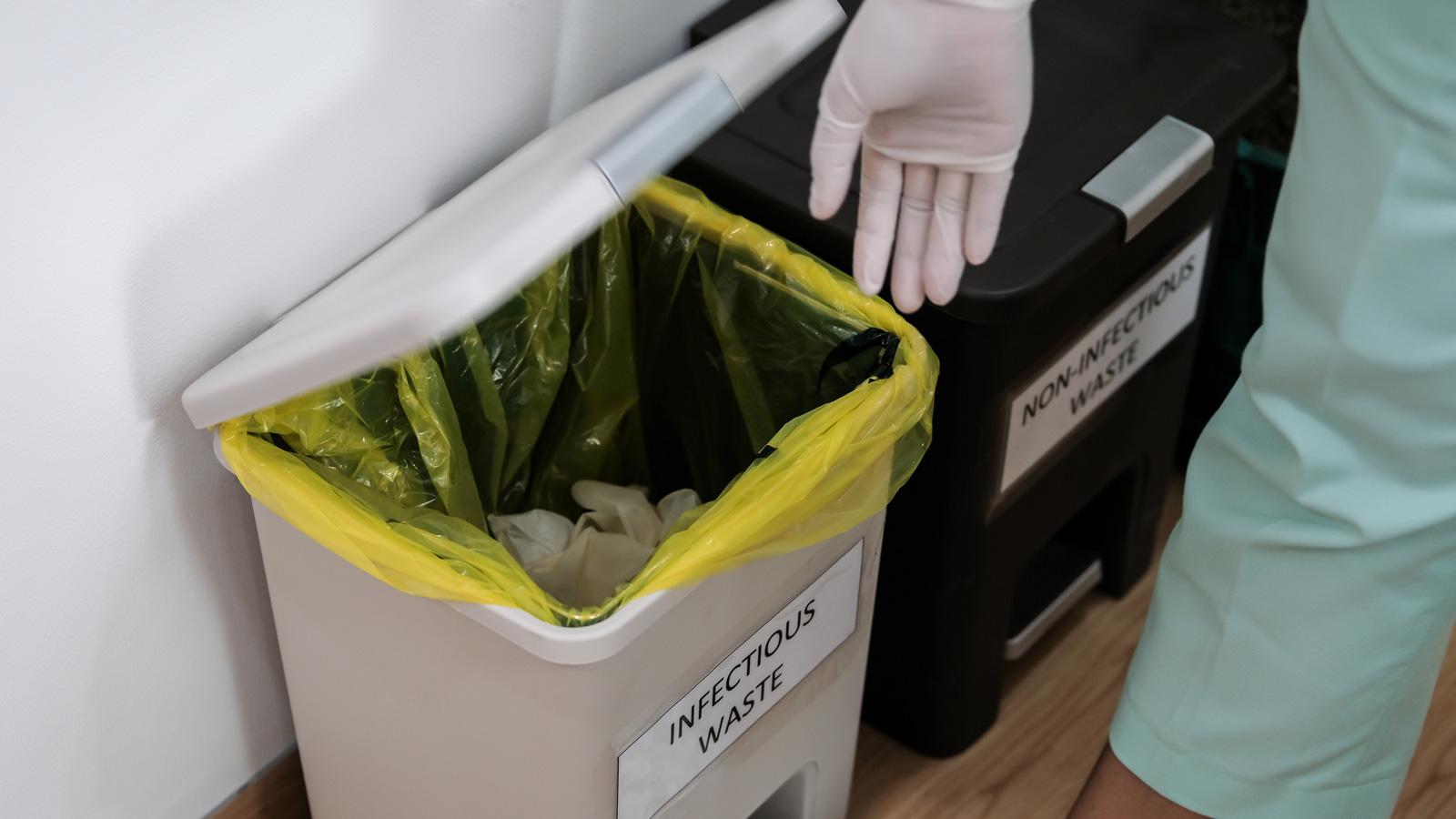
Healthcare professionals sort waste at the point of generation. Proper labelling prevents mixing hazardous and non-hazardous materials. Accurate segregation ensures safety and improves recycling efficiency.
Step 2: Collection and Safe Containment
Facilities store waste in color-coded, clearly labelled containers. This prevents accidental exposure and helps waste handlers identify the correct processing method.
Step 3: Transportation to Certified Treatment Facilities
Authorized companies transport waste using sealed vehicles with proper documentation. Compliance with national regulations protects workers and the environment.
Step 4: Treatment and Recycling
Treatment facilities use methods such as chemical neutralization, shredding, autoclaving, incineration with energy recovery, or solvent extraction. Some processes convert waste into raw materials for manufacturing or energy generation.
Step 5: Final Product and Resource Recovery
Recycling yields products like reusable plastics, metal components, recovered solvents, or energy through waste-to-heat technologies.
Environmental and Economic Benefits of Pharmaceutical Waste Recycling
Recycling reduces the amount of hazardous material entering the environment. It also lowers methane emissions, protects water bodies, and decreases soil pollution. These advantages support sustainable healthcare systems.
Economically, facilities save money by reducing waste disposal fees. Manufacturers also benefit from solvent recovery, which cuts production costs. The broader economy gains through job creation in waste management and recycling industries.
Global Standards and Guidelines Supporting Waste Recycling
International bodies such as WHO, UNEP (United Nations Environment Programme), and national regulatory boards emphasize proper waste treatment. WHO’s Safe Management of Wastes from Health-Care Activities provides guidelines for segregation, treatment, and recycling.
UNEP also promotes circular economy principles, encouraging countries to convert pharmaceutical waste into productive resources.
These references help countries strengthen their regulatory frameworks.
Challenges Facing Pharmaceutical Waste Recycling
Despite progress, the sector faces several challenges. Limited awareness remains a major barrier, especially in developing countries. Some healthcare facilities lack training or resources to enforce proper waste segregation.
In addition, not all pharmaceutical waste is recyclable. Highly toxic substances require specialized destruction instead.
Infrastructure gaps also limit recycling efforts. Waste treatment plants are often located far from rural health facilities, making transport expensive. Finally, weak enforcement of regulations leads to inconsistent compliance.
How Healthcare Facilities Can Improve Waste Recycling Practices
Healthcare providers can strengthen their systems using simple but effective strategies.
-
Train staff regularly on waste categories and disposal rules.
-
Use color-coded containers and clear labelling.
-
Partner with licensed waste handlers.
-
Conduct internal audits to identify gaps in segregation or documentation.
-
Adopt digital waste tracking tools to improve accountability.
-
Display waste management guidelines in key working areas.
These steps create a safer, cleaner, and more compliant healthcare environment.
Sustainable Innovations Shaping the Future of Pharmaceutical Waste Recycling
Modern technologies are transforming how pharmaceutical waste is recycled. Waste-to-energy systems convert hazardous waste into heat and electricity.
Advanced chemical reactors help recover solvents with higher efficiency. Some companies now use biodegradable packaging to reduce plastic waste.
Continuous innovation will strengthen circular economy models and support global sustainability goals.
How Clarity Pharma Consultancy Can Help
Healthcare facilities often struggle to navigate pharmaceutical waste regulations. Clarity Pharma Consultancy offers expert guidance on waste compliance, staff training, internal audits, and best practices for safe disposal.
Their team helps facilities align with regulatory standards and implement effective recycling systems. This support improves safety, protects the environment, and strengthens legal compliance without sounding overly promotional or sales-driven.
Pharmaceutical waste recycling transforms health risks into valuable resources. It protects the environment, safeguards communities, and strengthens healthcare systems.
As the sector grows, adopting structured recycling methods will remain essential for sustainable public health. Healthcare facilities that embrace compliance and partner with professionals can achieve safer and greener operations.