
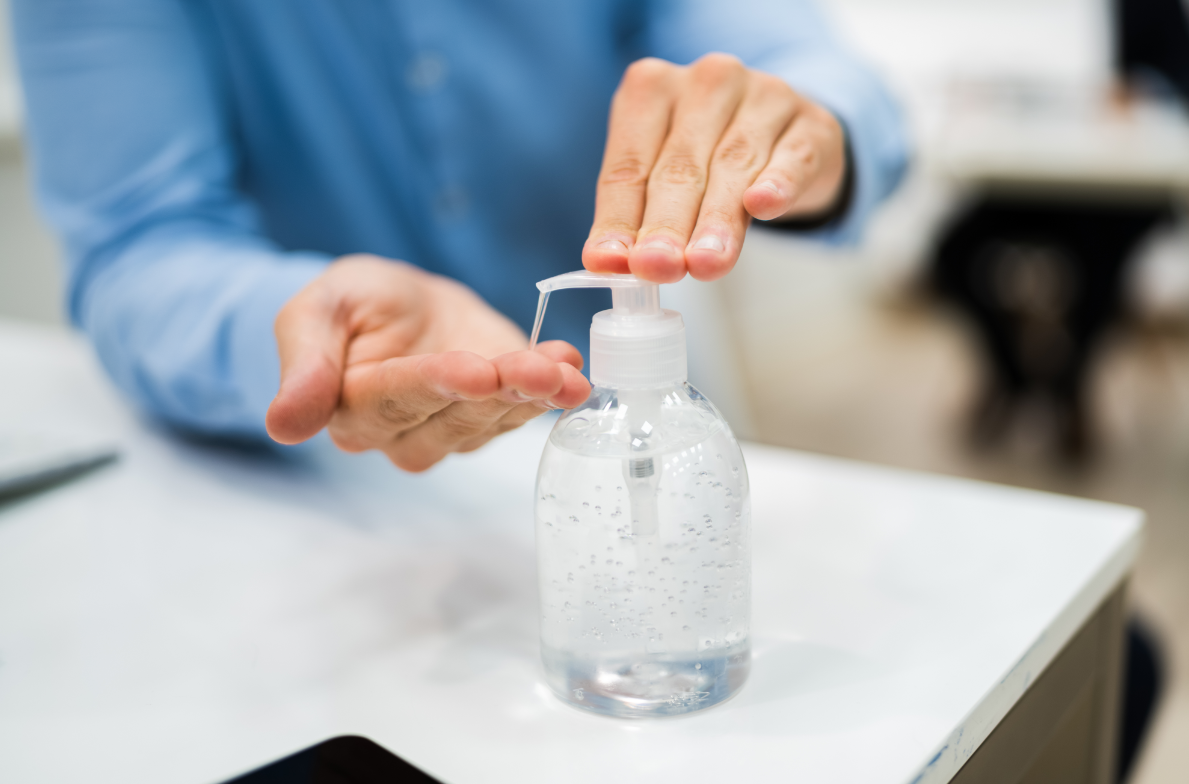
Alcohol-based hand rubs (ABHRs) remain a key part of infection prevention in Kenya. Pharmacies across the country often produce these products to meet local demand, especially during public health emergencies.
However, the Pharmacy and Poisons Board (PPB) and the World Health Organization (WHO) provide strict guidelines to ensure that hand rubs are effective and safe for community use.
This article explains these requirements in a simple and practical way, giving Kenyan pharmacy operators a clear path toward compliant production.
Understanding Alcohol-Based Hand Rubs
Alcohol-based hand rubs are disinfectant formulations used to inactivate harmful microorganisms. They provide fast action and require no water, making them ideal for both community and clinical settings. WHO recommends ABHRs containing ethanol or isopropyl alcohol at specific concentrations to maintain antimicrobial activity.
Why Kenyan Pharmacies Must Follow Approved Guidelines
Regulatory compliance protects consumers and protects your pharmacy from penalties. PPB enforces production standards to ensure safety, prevent contamination, and reduce the circulation of substandard products.
Adhering to guidelines also builds trust. Customers are more likely to rely on pharmacies that follow scientific and regulatory instructions. Furthermore, compliant production promotes public health during outbreaks such as COVID-19, cholera, and flu waves.
Essential Ingredients for Hand Rub Production
A compliant alcohol-based hand rub must use high-quality pharmaceutical-grade ingredients. WHO recommends only four main ingredients:
1. Alcohol (Ethanol 80% v/v or Isopropyl Alcohol 75% v/v)
This is the active ingredient that kills germs. Concentrations lower than recommended weaken the product’s effectiveness.
2. Hydrogen Peroxide 3%
Hydrogen peroxide inactivates bacterial spores in the solution. It protects the formulation during storage but does not act on the skin.
3. Glycerol (Glycerine) 98%
Glycerol acts as a humectant, preventing skin dryness. Only small amounts are needed to maintain skin comfort.
4. Sterile Distilled or Boiled Water
Water is used to dilute the alcohol to the required concentration. Ordinary tap water is not allowed.
These ingredients must remain pure and uncontaminated. Kenyan pharmacies should source them from PPB-approved suppliers.
Required Equipment for Production
Safe production requires clean, well-organised pharmacy space and proper equipment. Common tools include:
-
Measuring cylinders and beakers
-
Stainless steel mixing containers
-
Funnel and spouted bottles
-
Alcoholometers for concentration verification
-
PPE: gloves, masks, goggles
-
Clean, dust-free working benches
Using food containers or unverified plastic bottles may lead to contamination or chemical reactions. Pharmacies should use chemical-resistant materials that comply with PPB and WHO guidelines.
Step-by-Step Production Process (WHO Standard Method)
Step 1: Prepare the Working Space
Begin by cleaning and disinfecting surfaces. Ensure good ventilation because alcohol vapors accumulate easily.
Step 2: Measure Ingredients Accurately
Use calibrated tools to avoid errors. Even small inaccuracies may alter the alcohol concentration, rendering the product ineffective.
Step 3: Mix Ingredients in the Correct Order
Add alcohol first, then hydrogen peroxide, followed by glycerol. Mix using sterile conditions. Finally, add water to achieve the exact volume.
Step 4: Transfer Solution to Storage Containers
Seal containers tightly to prevent evaporation. Alcohol evaporates quickly and any exposure reduces the final concentration.
Step 5: Label the Final Product Clearly
Labels should include:
-
Product name
-
Composition
-
Production date
-
Batch number
-
Expiry date
-
Storage instructions
Clear labelling helps pharmacies track quality and respond to customer queries.
Step 6: Store in a Cool, Controlled Environment
Keep the product away from heat and sunlight. High temperatures degrade alcohol concentration and compromise efficacy.
Regulatory Requirements in Kenya
1. PPB Approval
PPB regulates pharmaceutical manufacturing and compounding. Pharmacies producing hand rubs must comply with PPB compounding and good manufacturing practice (GMP) guidelines.
2. Quality Assurance
Pharmacies must verify alcohol concentration through alcoholometers or laboratory tests. Substandard products violate the Public Health Act and may attract penalties.
3. Documentation and Batch Records
Every batch must have clear records for traceability. These include quantities used, dates, staff involved, and final yields.
4. Packaging Requirements
PPB requires safe packaging, child-proof caps, and tamper-evident seals where possible.
5. Retail and Distribution Standards
Pharmacies must separate production from service areas to maintain hygiene and customer safety.
Common Mistakes to Avoid
-
Using non-pharmaceutical-grade ingredients
-
Inaccurate measurements that weaken alcohol concentration
-
Storing hand rubs in hot environments
-
Poor labelling
-
Using unsterile bottles
-
Ignoring PPE and hygiene protocols
Avoiding these mistakes protects consumers and improves product quality.
Safety Precautions for Pharmacy Staff
Alcohol-based products are highly flammable. Pharmacies must:
-
Keep fire extinguishers nearby
-
Avoid open flames and sparks
-
Train staff on safe handling
-
Ensure proper ventilation
-
Store alcohol securely away from heat
These precautions reduce risks during production.
Why Quality Matters for Kenyan Pharmacies
High-quality hand rubs reduce infections within communities and healthcare environments. Kenya’s busy public spaces, transport systems, and hospitals rely heavily on effective sanitizers. Pharmacies that produce quality ABHRs fulfil a public health duty while building stronger customer trust.
Professional Support for Compliant Production
Pharmacies that want to improve their production processes can benefit from expert guidance. Clarity Pharma Consultancy offers support on regulatory compliance, WHO production protocols, PPB requirements, and quality assurance systems.
Their team helps pharmacies set up safe procedures and avoid common compliance errors in ABHR production.