Understanding the Threat of Counterfeit Medicines
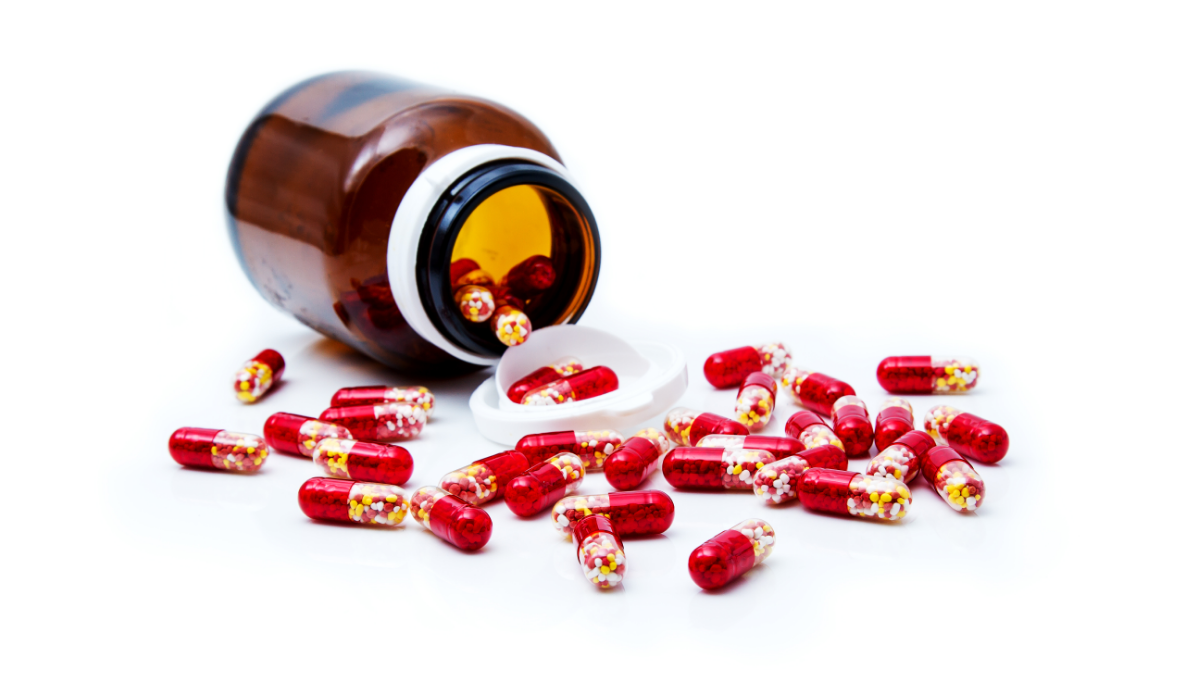
Counterfeit or falsified medicines pose a serious threat globally and in Kenya. These products may contain incorrect doses, wrong ingredients, or harmful contaminants.
For instance, studies show that some fake anti-malarial drugs in Kenya contained lead, which caused kidney failure in one patient.
Given this risk, the PPB has intensified efforts to protect consumers and uphold medicine quality.
The Role of the PPB in Safeguarding Medicines
The PPB regulates the manufacture, importation, distribution and sale of drugs and poisons under the Pharmacy and Poisons Act.
It maintains standards, monitors the market, and works with partners to detect and remove counterfeit medicines.
Key Measures the PPB Uses to Fight Counterfeits
Market Surveillance and Product Verification
The PPB conducts routine sampling of medicines across pharmacies and health facilities. It analyses products in labs to check whether they meet specifications.
Additionally, the PPB helped roll out a mobile-based verification app (in partnership with innovators) that allows consumers to scan drugs and verify authenticity.
Collaboration with the Anti-Counterfeit Authority
In 2024, the PPB signed a Memorandum of Understanding (MoU) with the Anti‑Counterfeit Authority (ACA) to bolster joint actions against illicit medicines.
Through shared data, training, outreach and enforcement, the agencies strengthen their collective response.
Legal and Regulatory Crack-Downs
The government, via PPB and law-enforcement, issues warnings and takes action against illegal chemists and unlicensed distributors.
These actions help deter counterfeit trade and protect genuine supply chains.
How Consumers Can Verify Their Medicines
Consumers also have a role. Here are practical steps:
-
Purchase medicines only from licensed pharmacies.
-
Check that the premises display a valid pharmacy license and registration code.
-
Use verification tools (such as SMS or app services) to validate the drug.
-
If you suspect a fake product, keep the medicine pack, receipt and report to PPB via their hotline or email.
Why Removing Counterfeits Matters for Public Health
Counterfeit medicines undermine trust in health systems and risk lives. They can make diseases worse, cause drug-resistance, increase treatment costs and create economic burdens for households.
By removing falsified and sub-standard medicines, the PPB supports patient safety, strengthens the pharmaceutical sector and protects Kenya’s health outcomes.
What the Future Holds: Strengthening Systems and Technology
The PPB continues to modernise regulation. Further, new tech-platforms, enhanced imports monitoring and regional cooperation aim to make Kenya’s supply chain more resilient and transparent.
How Clarity Pharma Consultancy Can Assist
Keeping medicines authentic requires more than regulation alone — it needs the right systems, compliance checks and stakeholder awareness.
Clarity Pharma Consultancy offers professional guidance on pharmaceutical supply-chain audits, verification tools, staff training and regulatory alignment. If you operate in the pharmaceutical field and want to ensure your operations meet PPB standards, get in touch.