
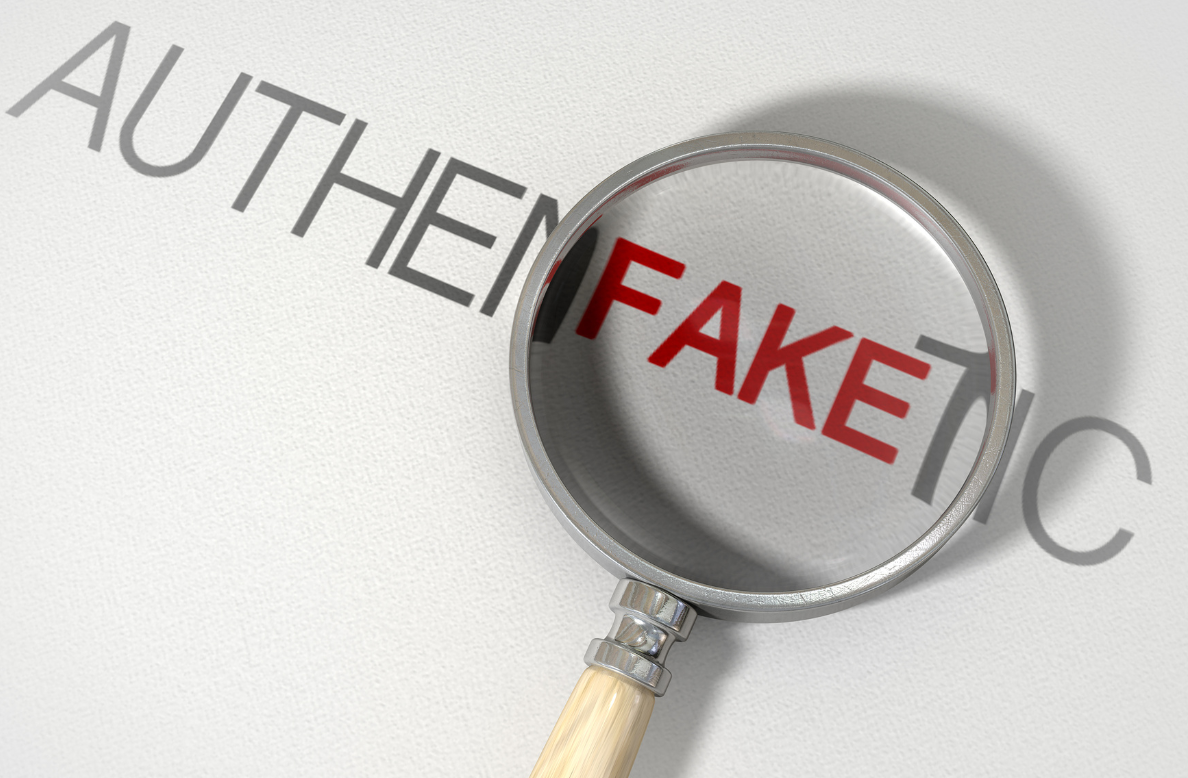
Counterfeiting remains one of the biggest threats to Kenyan businesses. Fake goods undermine innovation, erode consumer trust, and can even endanger public health.
Recognizing this, the Kenya Industrial Property Institute (KIPI) has stepped up its anti-counterfeit efforts through strategic partnerships, legal tools, and public education.
This article explains how KIPI is strengthening anti‑counterfeiting measures and why this matters for Kenyan innovators, MSMEs, and the economy at large.
Why Counterfeiting Is a Major Concern in Kenya
-
Counterfeit trade costs Kenya an estimated KSh 153 billion annually, according to the Anti‑Counterfeit Authority (ACA).
-
The head of ACA also warns that fake goods, especially medicines, present a serious public health risk.
-
Globally, intellectual property theft and counterfeiting are valued at over USD 500 billion, with about 30% of counterfeits now sold online — making the challenge more urgent.
In response, KIPI has reinforced its role in intellectual property (IP) enforcement.
KIPI’s Strategic Collaboration with the Anti‑Counterfeit Authority (ACA)
KIPI is working hand-in-hand with the Anti‑Counterfeit Authority (ACA) to drive a robust, multi-layered strategy against IP theft.
Key pillars of this collaboration include:
-
Public Outreach and Training
Together, KIPI and ACA run campaigns to educate consumers about the dangers of counterfeit goods. -
IP Rights Recordation
KIPI encourages IP owners to record their rights (like trademarks, patents, designs) with the ACA.-
This recordation system helps customs and border enforcement detect and intercept counterfeit goods at import points.
-
Since January 2023, importing goods bearing unrecorded IP rights is punishable under Kenyan law.
-
-
Enforcement Support
-
KIPI provides critical evidence in legal cases by supplying certificates of trademarks, patents, designs, and utility models.
-
These certificates strengthen court prosecutions against counterfeiters.
-
Strengthening the Enforcement Ecosystem
KIPI’s anti‑counterfeit approach is not limited to awareness. It actively supports enforcement through inter-agency cooperation:
-
It participates in multiagency enforcement teams, including police, customs (KRA), and standardization bodies (like KEBS).
-
These teams operate under Kenya’s Anti‑Counterfeit Act No. 13 of 2008, which provides legal grounds for seizing counterfeit goods.
-
KIPI also partners with the National Police Service to strengthen confiscation and prosecution efforts.
Raising Awareness During World Anti‑Counterfeit Day
Each year during World Anti‑Counterfeit Day, KIPI plays a lead role in public events aimed at raising awareness.
-
In 2025, the World Intellectual Property Organization (WIPO) Director-General visited Kenya, calling on Kenyans to be vigilant about illicit trade.
-
KIPI’s board chairman, Allan Kosgey, emphasized the economic and health risks posed by counterfeits and reaffirmed KIPI’s commitment to enforcement.
Legal and Regulatory Tools Backing KIPI’s Efforts
KIPI’s anti-counterfeit work rests on a strong legal foundation:
-
The Anti‑Counterfeit Act (2008) prohibits the importation and trade of unrecorded IP-protected goods.
-
Under this law, failure to declare IPRs or importing goods with unrecorded rights can lead to severe fines.
-
Also, in 2024, Kenya released a major enforcement report via the ISIPPE‑2 International Symposium, highlighting improved institutional cooperation and stronger consumer protections.
Why These Measures Matter for Kenyan Innovators and Businesses
KIPI’s strengthened anti-counterfeit actions deliver real benefits to Kenyan economic actors:
-
Innovators and MSMEs can operate with confidence, knowing their IP is enforced and protected.
-
Consumers gain better protection from dangerous fake products, especially in sectors like pharmaceuticals.
-
Investors gain trust in Kenya’s IP regime and are more likely to back local brands.
-
Local industry can scale without unfair competition from counterfeit imports.
Challenges and the Road Ahead
Despite progress, KIPI’s anti-counterfeit mission still faces obstacles:
-
Low IP awareness: Many small businesses remain unaware of the recordation process.
-
Resource constraints: Enforcement agencies may lack sufficient manpower or funding.
-
Online counterfeits: As more counterfeiting happens on digital platforms, detection becomes more complex.
-
Governance tensions: Recent reports suggest internal governance issues at KIPI, which could undermine public trust.
How Kenyan Businesses Can Leverage KIPI’s Anti‑Counterfeit Framework
Here are practical steps for businesses and innovators to benefit from KIPI’s strengthened IP enforcement:
-
Record Your IP Rights with the ACA via KIPI to ensure border protection.
-
Register Your Trademark, Patent or Design early to build a legal shield.
-
Engage in KIPI-ACA Training to understand how to use anti-counterfeit tools.
-
Monitor Imports and Distributors: Use recordation data to flag potential counterfeit risks.
-
Collaborate on IP Enforcement: Report suspected counterfeits to KIPI and ACA for action.
Counterfeiting threatens Kenya’s innovation ecosystem, consumer safety, and economic growth.
By deepening its anti‑counterfeit measures, KIPI is making a meaningful stand — working with ACA, the police, customs, and other agencies to protect IP rights. These efforts not only defend Kenyan businesses but also strengthen public trust and attract investment.
If you’re an innovator or entrepreneur looking to protect your brand, reach out to Clarity Pharma Consultancy.
We provide expert guidance on IP registration, recordation, and enforcement strategies tailored to Kenya’s legal landscape — so you can build your business with confidence.