
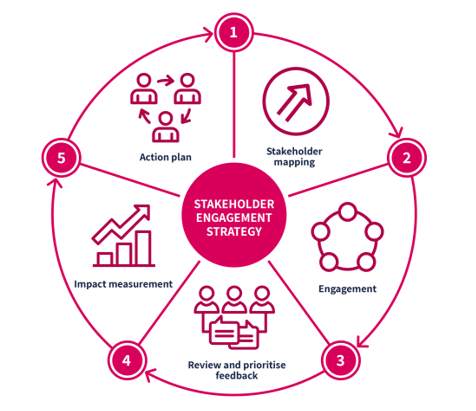
Innovation fuels national development, drives competitiveness, and supports sustainable economic growth. In Kenya, the Kenya Industrial Property Institute (KIPI) plays a central role in shaping this innovation landscape through a proactive and far-reaching stakeholder engagement strategy.
This strategy strengthens collaboration, enhances awareness of intellectual property (IP), and empowers innovators to protect and commercialise their creative work.
The Strategic Importance of Intellectual Property in National Development
Intellectual property is essential for transforming ideas into valuable assets. KIPI ensures that innovators can secure legal protection for their inventions, trademarks, industrial designs, and utility models. This protection not only supports economic growth but also encourages continued investment in research, creativity, and technology.
Strengthening Multi-Sector Collaboration
KIPI’s stakeholder engagement strategy is built on cooperation among academia, government, private sector players, civil society, and international partners. Each stakeholder contributes differently: universities offer research, government agencies provide policies, and industries drive commercialisation. This interlinking ensures a vibrant innovation ecosystem.
KIPI conducts joint programs with the Kenya National Innovation Agency (KENIA) to boost national research and innovation capabilities. These partnerships ensure that innovations move from concept to full-scale deployment.
Creating Awareness Through Nationwide IP Education
Awareness remains a critical pillar in building an innovation culture. KIPI conducts nationwide awareness campaigns to educate creators, students, SMEs, and industry leaders on the importance of intellectual property rights. These campaigns help prevent infringement, encourage innovation, and support commercialization.
Schools and universities benefit greatly from these programs. KIPI regularly collaborates with academic institutions to host IP days, training sessions, and innovation mentorship programs. Institutions can explore more educational content through the World Intellectual Property Organization (WIPO) portal.
Empowering Innovators Through Capacity Building Programs
KIPI provides structured training programs that help innovators understand patent drafting, trademark registration, and industrial design protection. These training sessions are designed for emerging innovators, SMEs, and established research institutions.
Through KIPI’s IP Training Institute, participants learn to:
- Identify protectable innovations
- Draft patents and trademarks
- Understand commercialization pathways
- Navigate international IP systems such as ARIPO and WIPO
Expanding Access Through Digital IP Services
To improve accessibility and efficiency, KIPI has digital platforms where innovators can file, track, and manage IP applications. These online systems make the registration process faster and more user-friendly.
For example, the KIPI Online Filing System enables users to submit their applications remotely, reducing costs and saving time. More details can be found on the KIPI e-services portal.
Building Innovation Ecosystems Through Expos and Competitions
KIPI organizes innovation expos, exhibitions, and competitions to offer innovators visibility and networking opportunities. These events allow inventors to showcase their creations, receive feedback, and attract potential investors.
Some of the most notable events include:
- National Innovation Expo
- Intellectual Property and Innovation Awards (IPIA)
- University Innovation Challenges
These platforms help innovators build connections with funding organizations, venture capital firms, and research partners.
Supporting Innovation Through Incentives and Grant Opportunities
To motivate creativity, KIPI collaborates with partners to offer grants, awards, and recognition programs. These incentives help innovators access funding, mentorship, and technical support.
KIPI also links innovators to the Kenya Industrial Research and Development Institute (KIRDI) for technical assistance and prototype development.
Encouraging International Collaboration
KIPI fosters cross-border collaboration by working closely with regional and international bodies such as:
- WIPO – for global IP systems
- ARIPO – for regional IP processes in Africa
- UNESCO – for innovation and science-based programs
These partnerships expand opportunities for Kenyan innovators to protect and commercialize their work globally.
Enhancing Policy Development Through Stakeholder Feedback
KIPI continuously refines its strategies using feedback from innovators, industry leaders, and research institutions. Public consultations allow stakeholders to contribute to policy development, ensuring that the national IP framework remains relevant and future-oriented.
Promoting Innovation Culture in Rural and Marginalised Communities
KIPI extends innovation awareness to rural communities to ensure inclusivity. Local artisans, small producers, and community-based innovators receive training on protecting traditional knowledge, cultural expressions, and grassroots innovations. This supports sustainable development across all regions.
Monitoring and Feedback for Continuous Improvement
KIPI prioritizes feedback from stakeholders to refine its programs and policies. Regular consultations help identify gaps, improve service delivery, and address emerging challenges. This responsive approach ensures that KIPI remains adaptive to the evolving needs of Kenya’s innovation community.
Developing a national innovation culture requires more than policy—it demands active engagement, education, and support. KIPI’s stakeholder engagement strategy demonstrates how structured collaboration, awareness campaigns, and recognition programs foster creativity, protect intellectual property, and stimulate economic growth. By continuing to invest in innovators, Kenya positions itself as a leading hub for innovation in Africa.