
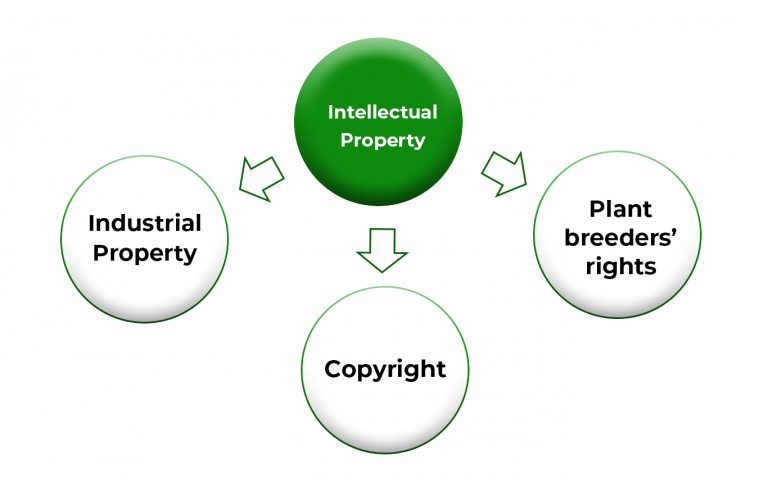
In today’s knowledge-driven world, intellectual property (IP) protection plays a central role in encouraging innovation and creativity. However, beyond the granting of patents, trademarks, or industrial designs, openness in these processes remains crucial.
The Industrial Property Journal helps achieve this transparency. It acts as a bridge between inventors, businesses, and the public by offering a reliable record of all industrial property activities. This article explains how the Journal promotes transparency, why it matters, and how it benefits different stakeholders.
What Is the Industrial Property Journal?
The Industrial Property Journal is a public publication issued by national or regional intellectual property offices. It contains records of filings, registrations, renewals, and other legal actions involving patents, utility models, trademarks, and industrial designs.
In Kenya, for instance, the Kenya Industrial Property Institute (KIPI) publishes the Industrial Property Journal regularly under national IP laws (KIPI Journal). Through this publication, anyone can access accurate details about existing IP rights—who owns them, when they were filed, and what they cover. This open access builds confidence in the IP system and prevents hidden ownership or secret filings.
Why Transparency in IP Matters
Transparency in industrial property ensures that the system remains open, fair, and predictable. It helps various groups in several ways:
-
Legal certainty: Businesses can verify existing patents, trademarks, or designs before launching new products, which reduces the risk of infringement.
-
Public accountability: Citizens and competitors can see what rights have been granted and to whom, fostering trust in the IP system.
-
Encouraging innovation: By viewing published rights, inventors can identify market gaps and focus on creating truly original work.
-
Supporting economic growth: Transparent IP systems attract investors who value predictable and fair business environments.
Therefore, transparency is not just an administrative goal—it’s a foundation for innovation and development.
How the Journal Enhances Transparency
The Journal strengthens transparency through several stages:
-
Filing and Examination: When applicants file patents, trademarks, or designs, the IP office reviews them under the law.
-
Publication: Once accepted, key details—such as the application number, applicant name, and filing date—are published in the Journal.
-
Public Monitoring: After publication, third parties can review or object to specific filings during the opposition window.
-
Record Updates: The Journal also lists renewals, assignments, and cancellations, ensuring the public always has the latest information.
-
Access and Archives: Most Journals, including Kenya’s, are now available online, allowing researchers and the public to review both current and past editions.
By following this transparent process, the Journal guarantees that the IP system remains open and traceable.
Benefits for Different Stakeholders
1. Inventors and SMEs
Inventors and small businesses benefit greatly from the Journal. They can study published inventions to avoid duplication and to identify collaboration or licensing opportunities. This helps them save costs and focus on innovation that fills existing gaps.
2. Large Companies
For established firms, the Journal provides valuable market insights. It helps them track competitors’ filings, plan strategic moves, and manage legal risks effectively. Therefore, transparency becomes an essential tool for competitiveness.
3. Legal Practitioners
Lawyers and IP agents depend on the Journal to advise clients accurately. They use it to confirm the status of applications and ensure compliance with IP laws.
4. The General Public and Government
For the public, the Journal builds confidence in the fairness of the IP system. Governments also benefit because open publication helps reduce fraud, duplication, and disputes while promoting innovation-led economic growth.
Challenges in Maintaining Transparency
Although the Journal plays a vital role, a few challenges still exist:
-
Delayed Publications: Late updates can reduce the effectiveness of the system.
-
Limited Awareness: Many small inventors are unaware that the Journal exists or how to use it.
-
Accessibility: Some versions remain too technical or difficult to navigate.
-
Incomplete Data: Missing updates on renewals or ownership transfers may cause confusion.
These issues can be resolved through awareness programs, digitisation, and regular updates to ensure every stakeholder benefits equally.
Why the Journal Matters for Innovation
Transparency through the Journal directly influences innovation and growth. When inventors have access to reliable information, they make informed decisions. Similarly, when companies can review published rights, they reduce conflicts and encourage fair competition.
In Kenya and other developing economies, stronger IP transparency has been linked to higher investment in research and industrialisation (ACA Publication). Thus, a transparent Journal supports the broader national agenda for innovation, industrial growth, and sustainable development.
Interlinking with Related Concepts
The Journal is connected to several key areas of IP management:
-
Freedom to Operate (FTO): Before launching a new product, businesses consult the Journal to confirm they’re not infringing existing rights.
-
Licensing and Technology Transfer: By revealing who owns specific rights, the Journal makes it easier to negotiate licenses.
-
IP Enforcement: Publication provides public notice, which strengthens the enforceability of IP rights.
-
Market Research: Transparent data on IP filings helps investors and policymakers understand innovation trends.
Each of these areas depends on clear and timely publication of IP information.
Recommendations for Better Use
To maximize the Journal’s impact:
-
Inventors and businesses should regularly check new publications before developing new products.
-
Governments should ensure the Journal is accessible and easy to navigate.
-
The IP office should publish updates on time and make them searchable online.
-
Training programs should teach entrepreneurs and students how to interpret IP data.
When these steps are followed, the Journal becomes a practical tool for innovation and business growth.
The Industrial Property Journal remains a cornerstone of intellectual property transparency. It ensures that everyone—from inventors to corporations—has equal access to vital information about registered rights. By promoting openness, accountability, and innovation, the Journal supports economic growth and fairness in the global marketplace. With continued digitisation, awareness, and timely publication, it can further strengthen trust and progress in the intellectual property landscape.