
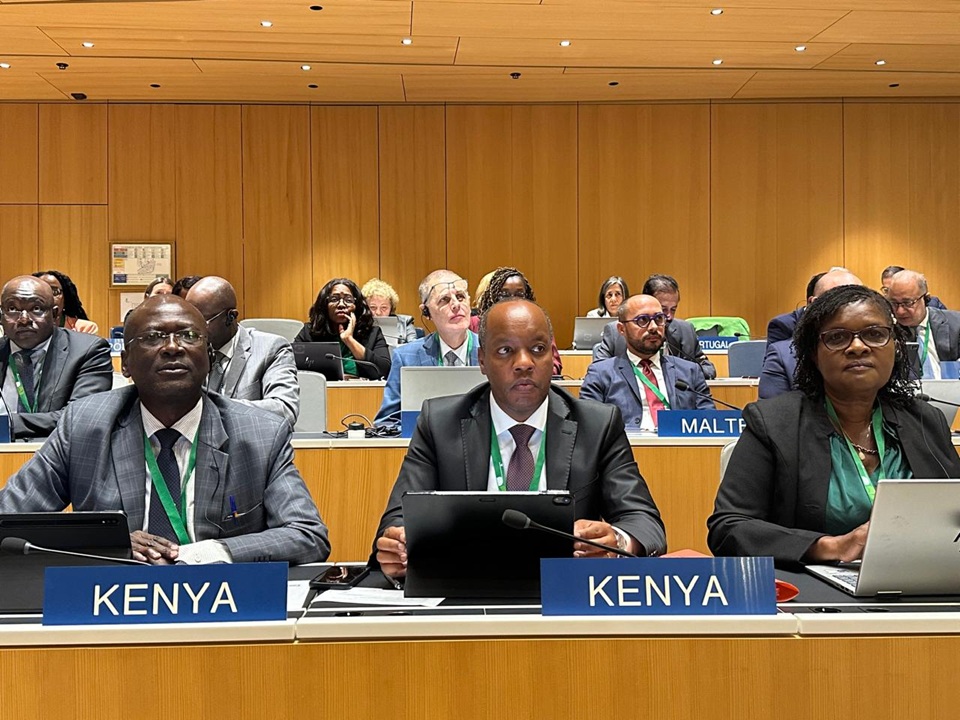
In the 21st century, intellectual property (IP) is no longer confined by national boundaries. As Kenyan innovators expand into regional and global markets, understanding how the Kenya Industrial Property Institute (KIPI) integrates with international IP frameworks becomes crucial. Harmonizing IP systems ensures that patents, trademarks, and designs registered locally can receive protection abroad — fostering innovation, trade, and foreign investment.
This article explores how KIPI aligns with three major frameworks: the African Regional Intellectual Property Organization (ARIPO), the World Intellectual Property Organization (WIPO), and the TRIPS Agreement — and what these collaborations mean for Kenyan creators and businesses.
Why Global IP Harmonization Matters
Global IP harmonization ensures that:
-
IP protection is consistent across borders – Innovators can protect their creations under similar rules in multiple countries, minimizing legal uncertainty.
-
Legal frameworks align with global best practices – Through continuous updates, KIPI ensures Kenyan IP laws remain internationally credible.
-
Innovators enjoy simplified filing processes – Regional and international systems streamline multiple-country filings into one procedure.
-
Kenya becomes more attractive to investors – Multinationals prefer investing in nations whose IP systems align with international standards.
Without harmonization, expanding beyond Kenya would mean navigating fragmented and costly legal frameworks. KIPI’s partnerships with ARIPO, WIPO, and adherence to TRIPS standards create a seamless environment for Kenyan innovators to compete globally.
ARIPO: Regional Cooperation for African IP Protection
Kenya is a full member of the African Regional Intellectual Property Organization (ARIPO). Headquartered in Harare, Zimbabwe, ARIPO provides a unified system that enables inventors to seek IP protection across several African states using a single application.
How ARIPO Benefits Kenya
-
Centralized filings: Through ARIPO, innovators can file one application covering Kenya and up to 19 other African countries under the Harare Protocol.
-
Shared expertise: Member states benefit from pooled examiner capacity and technical know-how, improving patent quality and reducing duplication.
-
Cost efficiency: Applicants avoid repeated filings, translations, and legal fees in multiple jurisdictions.
Example
A Kenyan biotech company developing a pest-resistant maize variety can file regionally through ARIPO and secure protection across Africa. This wider protection increases licensing opportunities, market reach, and investor interest.
Note: Kenya is not yet part of all ARIPO protocols, such as the Banjul Protocol on Marks, which covers regional trademark protection. For trademarks, national or WIPO routes are used instead.
WIPO: The Global IP Umbrella
The World Intellectual Property Organization (WIPO) is a specialized United Nations agency that sets international IP standards and provides systems for global protection. KIPI collaborates with WIPO to ensure that Kenya remains connected to global innovation ecosystems.
Key WIPO Systems for Kenya
-
Patent Cooperation Treaty (PCT) – Enables Kenyan inventors to file international patent applications via KIPI and later choose the countries where they want protection.
-
Madrid System – Allows trademark owners to register marks in over 120 countries through one application.
-
Hague System – Simplifies protection of industrial designs globally.
-
Capacity Building & Technology Access – Through WIPO’s Technology and Innovation Support Centers (TISCs), Kenyan inventors gain access to research databases and innovation training.
What This Means for Kenyan Innovators
By filing a PCT application through KIPI, Kenyan innovators can secure a priority date and later select the markets they wish to enter — up to 30 months after filing. This gives inventors time to refine their products, seek investors, and plan commercialization strategies.
TRIPS: Aligning Kenya’s IP Law with Global Trade Standards
As a member of the World Trade Organization (WTO), Kenya is bound by the Trade-Related Aspects of Intellectual Property Rights (TRIPS) Agreement. This global treaty ensures all member states meet minimum IP protection standards.
What TRIPS Requires
-
20-year patent protection from the date of filing.
-
Protection for trade secrets and undisclosed information.
-
Fair licensing practices to prevent monopolistic abuse.
-
Effective enforcement mechanisms through national courts and customs.
KIPI’s Role in Compliance
KIPI ensures that Kenya’s Industrial Property Act aligns with TRIPS by updating regulations and enforcing international standards. This alignment enhances Kenya’s credibility and attracts investors who value legal certainty.
How KIPI Harmonizes National IP Laws
To ensure alignment with global IP systems, KIPI:
-
Updates Kenya’s IP regulations regularly, such as the Industrial Property Regulations, 2020.
-
Integrates international treaties into local law, ensuring foreign filings can be recognized domestically.
-
Conducts public consultations before adopting new protocols or amendments.
-
Continues to digitize IP services, including e-filing and patent search tools, to meet global accessibility standards.
Benefits for Kenyan Innovators
KIPI’s integration with ARIPO, WIPO, and TRIPS delivers tangible benefits:
-
Global recognition of locally registered IP rights.
-
Simplified filing through international and regional systems.
-
Improved opportunities for partnerships and licensing deals.
-
Competitive edge when expanding to export markets.
For startups and small businesses, harmonization makes it easier to protect innovations without navigating multiple, complex systems — KIPI acts as the single gateway to global protection.
Challenges in IP Harmonization
Despite the progress, several challenges remain:
-
Limited awareness among SMEs about international IP filing routes.
-
High filing costs for ARIPO and WIPO applications.
-
Shortage of trained IP professionals in international systems.
-
Slow adoption of certain treaties, like the Marrakesh Treaty for accessible publishing.
To bridge these gaps, KIPI continues to partner with universities and expand Technology & Innovation Support Centers (TISCs), providing affordable training and IP advisory services.
KIPI’s Role in Building Africa’s IP Future
Beyond harmonization, KIPI is shaping Africa’s innovation future. It leads IP integration under the African Continental Free Trade Area (AfCFTA) and collaborates with regional partners like Rwanda, Uganda, and Ethiopia to build unified IP strategies.
KIPI also develops model IP policies for counties, promotes digital innovation within the East African Community (EAC), and shares best practices with other African IP offices. These initiatives strengthen Kenya’s position as a thought leader in African IP governance.